How Is Vacuum Cleaner Suction Measured: PSI Vs AW
Vacuum cleaner suction is measured mainly by water lift, airflow, and Air Watts under controlled test conditions.
Understanding how is vacuum cleaner suction measured helps you compare vacuum models without getting trapped by confusing marketing numbers. A strong vacuum needs more than a high suction rating. It must also move air well, keep that airflow steady, and clean different surfaces effectively. This guide explains the key measurements, what they mean at home, and how to choose a vacuum based on real cleaning power.
What does vacuum cleaner suction mean?
Vacuum cleaner suction is the pulling force that draws air, dust, hair, and debris into the machine. The motor creates a pressure difference between the inside of the vacuum and the surrounding room. Air then moves from the higher-pressure area toward the lower-pressure area.
A simple way to picture it is a drinking straw. When you pull air through the straw, the pressure inside drops. Air from outside rushes in, carrying liquid with it. A vacuum cleaner uses the same basic idea, but with a motor, fan, filters, hoses, and a cleaning head.
When people ask how is vacuum cleaner suction measured, they often expect one number. In practice, suction has several parts:
• Sealed suction, also called water lift, measures pulling force.
• Airflow measures how much air the vacuum moves.
• Air Watts combine suction pressure and airflow into one performance value.
• Cleaning performance shows how well the vacuum removes dirt from real surfaces.
These measurements are related, but they are not identical. A vacuum can have strong sealed suction yet clean poorly if its brush roll, nozzle, filter, or airflow path is weak.

How is vacuum cleaner suction measured?
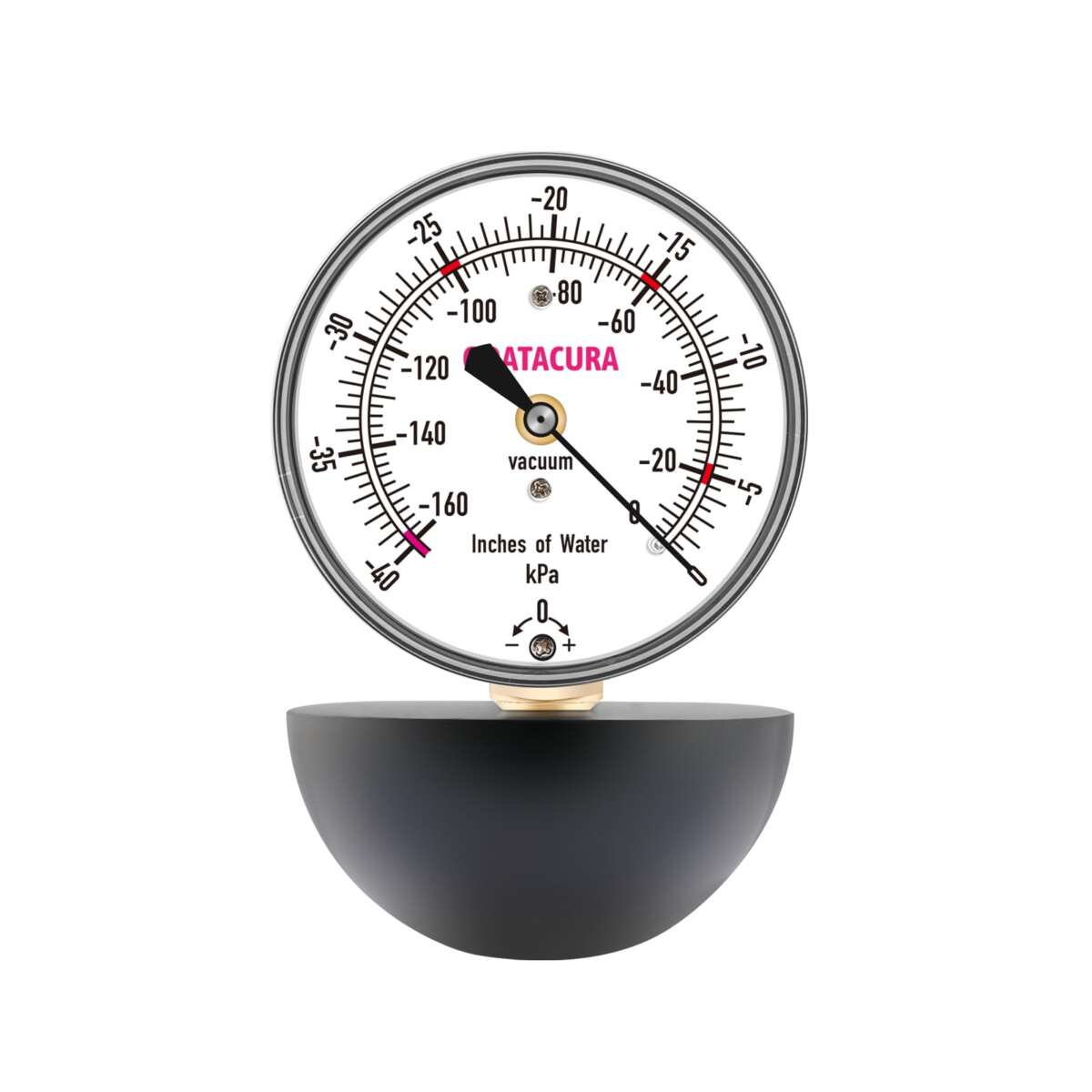
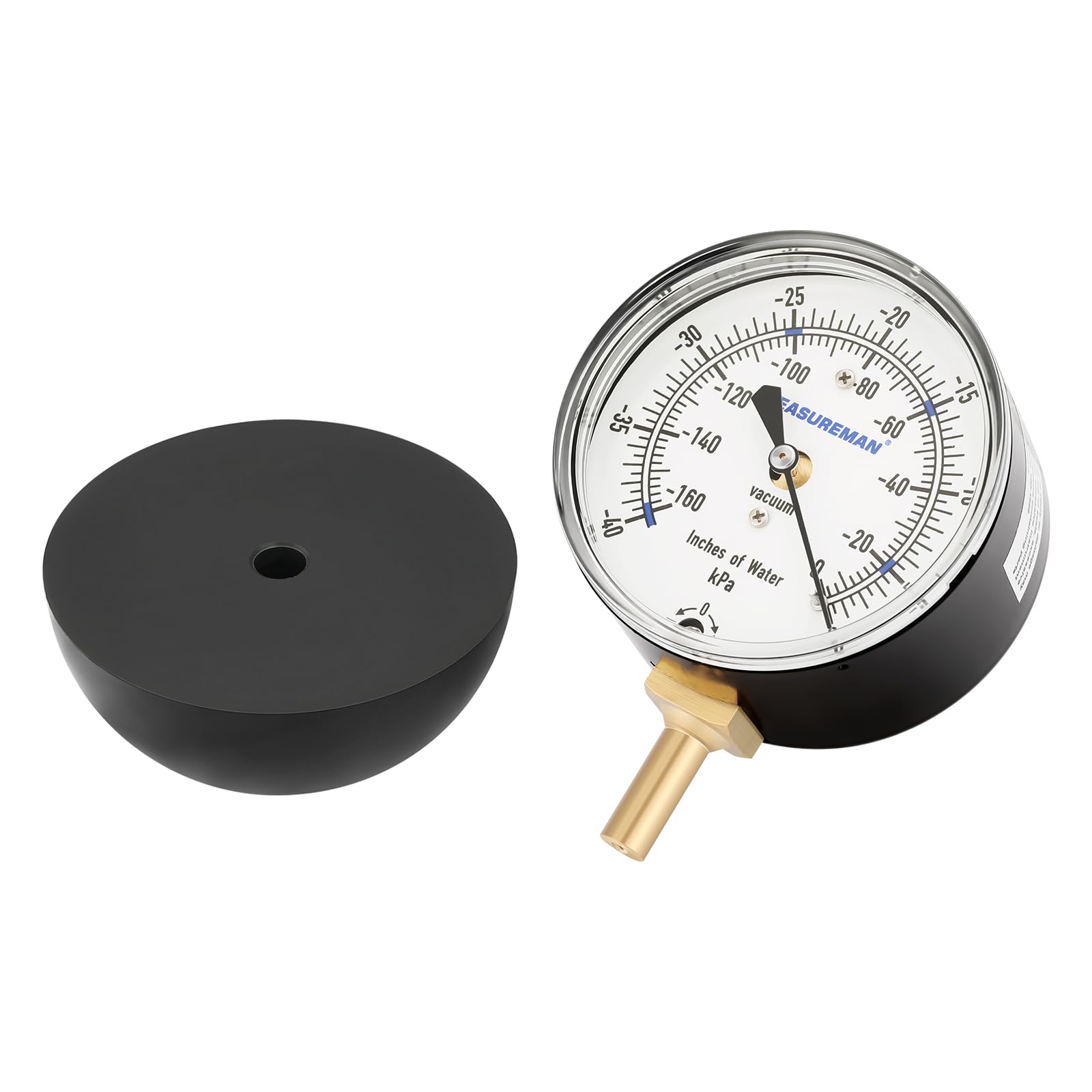
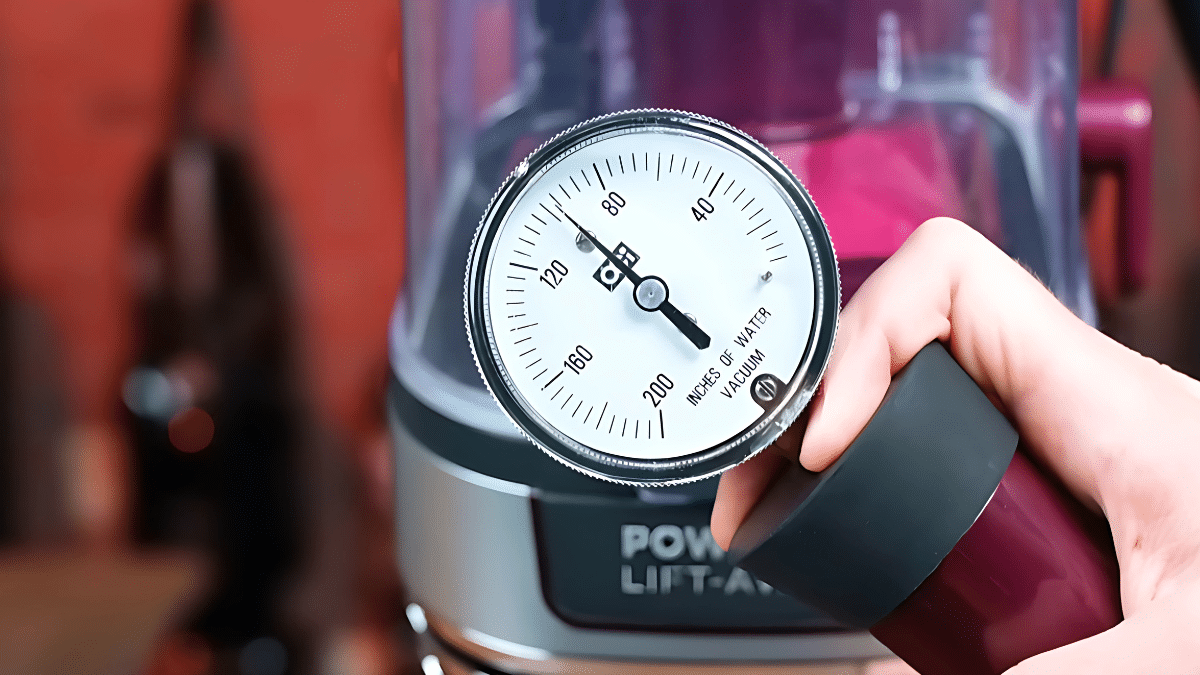
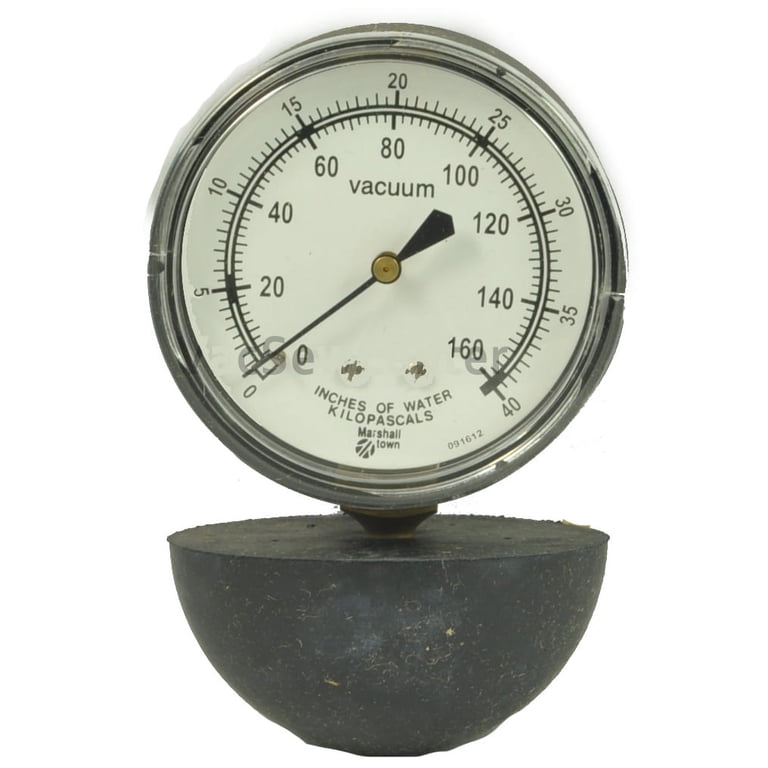
The most common answer to how is vacuum cleaner suction measured is through water lift, measured in inches of water or kilopascals. A test instrument seals the vacuum opening and measures how far the machine can lift a column of water.
Water lift or sealed suction
Water lift measures the vacuum’s ability to create negative pressure. In the United States, manufacturers and testers often report it as inches of water lift, written as inH₂O or inches of water.
A higher water-lift value means the vacuum can create a stronger pressure difference when the opening is sealed. This can help it pull dirt from carpets, cracks, and upholstery. However, the test does not show how much air the vacuum moves during normal cleaning.
Some tests use a manometer. This device measures pressure by comparing the vacuum’s pressure with the pressure of the surrounding air. Older tests may use a water-filled tube, while modern equipment may use electronic pressure sensors.
Airflow in cubic feet per minute
Airflow is usually measured in cubic feet per minute, or CFM. It shows how much air passes through the vacuum system in a set amount of time.
Airflow matters because moving air carries dust and debris into the vacuum. A machine with high water lift but poor airflow may feel powerful at the nozzle yet struggle to transport dirt through the hose.
Airflow can be measured at different points:
• At the motor intake
• At the hose
• At the cleaning head
• At the exhaust
The measurement point matters. A reading at the motor may look better than a reading at the nozzle because air loses energy through the hose, filters, bends, and brush head.
Air Watts
Air Watts, often written as AW, combine water lift and airflow. A common formula is:
Air Watts = airflow in CFM × water lift in inches of water ÷ 8.5
For example, a vacuum producing 60 CFM and 80 inches of water lift would have approximately:
60 × 80 ÷ 8.5 = 565 Air Watts
This number can help compare machines, but only when the figures were measured in the same way. Different brands may use different test locations and conditions. That makes direct comparisons less reliable than they may appear.
So, when asking how is vacuum cleaner suction measured, the full answer includes both pressure and airflow. Air Watts can combine them, but real-world cleaning tests remain important.

Why water lift and airflow both matter
Water lift is like the vacuum’s grip. Airflow is like the delivery system that carries dirt away. You need both for consistent cleaning.
A vacuum with high water lift can pull firmly against a carpet. But if the airflow drops sharply when the head touches the floor, it may not move dust through the hose. In contrast, a vacuum with strong airflow may move large amounts of debris but fail to lift deeply embedded grit.
This balance explains why how is vacuum cleaner suction measured cannot be answered with a single universal number. Different surfaces need different performance traits.
Performance on carpet
Carpet fibers hold dust below the surface. A vacuum needs enough pressure to loosen the dirt and enough airflow to carry it away. A motorized brush roll also helps by agitating the fibers.
For thick carpet, a sealed nozzle can increase suction at the floor. This may improve dirt removal, but it can also make the vacuum harder to push. Quality vacuums often use adjustable suction or automatic height control to balance cleaning power and movement.
Performance on hard floors
Hard floors usually need controlled airflow rather than maximum suction. Excessive suction can make a head stick to smooth flooring, especially when the nozzle has a tight seal.
A good hard-floor vacuum should collect fine dust without scattering it. Soft brush rolls, wide openings, and well-designed seals can matter as much as raw motor power.
Performance with pet hair
Pet hair often needs agitation. Water lift alone does not guarantee good pet-hair pickup. A motorized brush, anti-tangle design, and steady airflow usually have a greater effect.
In hands-on vacuum comparisons, I have found that a slightly lower-rated vacuum with a well-designed brush head can outperform a higher-rated model on pet hair. This is one of the most useful lessons when learning how is vacuum cleaner suction measured.

How manufacturers test vacuum suction
Manufacturers and independent laboratories may test suction with a sealed opening or with the vacuum connected to a hose and cleaning head. These setups produce different results.
A sealed test measures the highest pressure the motor can create when little or no air is moving. It is useful for comparing motor strength and pressure potential. However, it does not represent normal use because a vacuum usually has an open nozzle and must move air continuously.
A loaded airflow test adds resistance to the system. The tester may use a hose, filter, nozzle, or calibrated opening. This gives a better idea of how the vacuum performs when air must travel through real components.
Testing conditions can include:
• New or used filters
• Empty or partly full dust containers
• Different hose lengths
• Various nozzle settings
• Carpet or hard-floor surfaces
• Battery charge levels for cordless models
• Room temperature and altitude
These details can change the result. Therefore, when researching how is vacuum cleaner suction measured, check the test method instead of looking only at the number.
Sealed suction versus working suction
Sealed suction is the maximum pressure created when airflow is nearly blocked. Working suction is the pressure created while air is moving through the hose and cleaning head.
Working suction is usually more useful to shoppers. It reflects the conditions the vacuum faces during everyday cleaning. A vacuum that maintains good airflow under resistance will often perform better than one with a high sealed-suction figure but poor airflow.
Why brand numbers may not match
There is no single measurement format used equally by every vacuum brand. One company may report motor watts. Another may report Air Watts. A third may list pascals, kilopascals, or water lift.
Motor watts describe electrical power consumption, not cleaning power. A larger wattage number does not automatically mean stronger suction. The motor, fan design, seals, filter system, and nozzle all affect the final result.
Common units used for vacuum suction
Knowing the units makes product specifications easier to read. Here are the most common terms connected with how is vacuum cleaner suction measured.
Inches of water lift
Inches of water lift measure pressure. A higher number generally means greater pulling force under sealed conditions.
This unit is common in central vacuums, canister vacuums, and professional equipment. It is less often shown clearly on small household vacuum packaging.
Pascals and kilopascals
Pascals, or Pa, and kilopascals, or kPa, also measure pressure. One kilopascal equals 1,000 pascals.
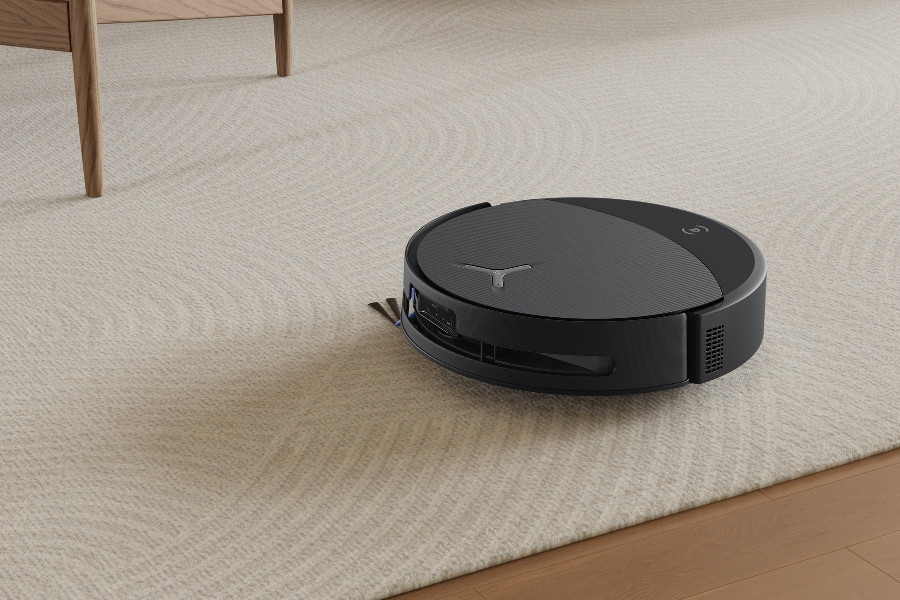
Robot vacuums often advertise suction in pascals. These figures can look very large because the unit is small. A higher Pa rating may indicate stronger pressure, but it does not fully describe airflow, brush action, or cleaning performance.
Cubic feet per minute
CFM measures airflow. It is especially useful for comparing canister and upright vacuums when the measurement point is known.
A high CFM value usually supports better debris transport. Still, airflow at the motor is not the same as airflow at the floor head.
Air Watts
Air Watts combine pressure and airflow. They can be useful for comparing similar machines tested under similar conditions.
Do not compare Air Watts from one brand with motor watts from another. They describe different things and should not be treated as interchangeable.
What affects measured vacuum suction?
The answer to how is vacuum cleaner suction measured also depends on the condition of the vacuum. Two identical machines can produce different results after months of use.
The main factors include:
• Filter condition: A clogged filter restricts airflow and can reduce cleaning performance.
• Dust-bin level: A full container may block air or reduce available space for debris.
• Hose condition: Cracks, loose connections, and blockages cause leaks.
• Brush-roll condition: Wrapped hair can slow the brush and restrict the air path.
• Floor seal: A poor seal can reduce pressure at the cleaning head.
• Battery level: Cordless models may reduce motor speed as the battery loses charge.
• Nozzle design: A narrow opening can raise pressure but may restrict airflow.
• Altitude: Lower air density at high elevations can affect airflow readings.
• Filter type: Fine filters protect indoor air quality but may create more resistance.
A common mistake is to test a vacuum with a blocked filter and assume the motor has failed. In many cases, the filter or hose is the real problem. Clean the filter according to the manufacturer’s instructions, remove blockages, and check the seals before judging suction.

How to test vacuum suction at home
Home tests cannot replace laboratory measurements, but they can reveal major problems. They are useful when a vacuum suddenly feels weak or when you want to compare two machines fairly.
Simple airflow test
Place a light tissue near the nozzle while the vacuum is running. The tissue should move toward the opening and remain there without being pulled deep into the machine.
This test is not a precise measurement. It only shows whether the nozzle is creating a noticeable air movement.
Paper or card test
Hold a small piece of paper against the nozzle for a moment. A strong seal may hold the paper in place. Do not block the nozzle for long, especially on machines that can overheat when airflow is restricted.
This test measures holding force more than useful cleaning power. It should not be used as the only answer to how is vacuum cleaner suction measured.
Pickup test
For a more practical comparison, place the same measured amount of dry rice, sand, or fine crumbs on the same surface. Run each vacuum over the area with the same number of passes and the same settings.
Avoid using materials that could damage the motor or violate the manufacturer’s instructions. Weighing the collected debris can offer a better comparison than simply looking inside the dust cup.
Check for suction loss
If suction seems weak, follow these steps:
-
Turn off and unplug the vacuum.
-
Empty the dust cup or replace the bag.
-
Inspect the hose and wand for blockages.
-
Clean or replace the filter as directed.
-
Remove hair from the brush roll.
-
Check the floor head for cracks or loose seals.
-
Test the vacuum again.
In my experience, a blocked hose or dirty filter causes more “low suction” complaints than a worn motor. This basic check can save the cost of an unnecessary repair.
How to compare vacuum cleaners correctly
Learning how is vacuum cleaner suction measured is useful, but a buying decision should include more than a specification sheet. Look for evidence of performance on the surfaces you clean most.
Use this comparison checklist:
• Check whether the brand lists water lift, airflow, Air Watts, or only motor watts.
• Find out where the measurement was taken.
• Look for independent carpet and hard-floor pickup tests.
• Check whether filters are washable and easy to replace.
• Review the dust-bin or bag capacity.
• Examine the brush roll and nozzle design.
• Consider noise, weight, cord length, and maneuverability.
• For cordless models, check runtime at the highest power setting.
• Look for sealed-system filtration if allergies are a concern.
A vacuum that is difficult to push, has a tiny dust cup, or loses power quickly may be frustrating despite strong laboratory figures. Cleaning performance is a complete system, not just a motor contest.

Benefits and limits of suction measurements
Suction measurements give shoppers a useful technical language. They help explain why one vacuum can lift debris from a deep carpet while another mainly handles surface dust.
They also help technicians find problems. A low water-lift reading may suggest a motor or seal issue. A normal pressure reading with weak airflow may point to a blocked hose, dirty filter, or restricted nozzle.
However, these measurements have limits:
• They may be taken at different points in the machine.
• Brands may use different test methods.
• Sealed suction may not reflect normal cleaning.
• Airflow can change with the floor head and filter condition.
• Numbers do not measure brush agitation or edge cleaning.
• Stronger suction is not always better for delicate rugs.
• Cordless performance can change as the battery drains.
For this reason, the best answer to how is vacuum cleaner suction measured includes both controlled measurements and real-world pickup tests.
Frequently Asked Questions About How Is Vacuum Cleaner Suction Measured
Is vacuum suction measured in watts?
Motor watts measure electrical power use, not suction directly. Suction is more accurately described with water lift, airflow, Air Watts, or pressure units such as pascals and kilopascals.
What is a good suction level for a vacuum cleaner?
There is no single ideal number for every vacuum type. A useful vacuum should maintain balanced airflow and pressure at the cleaning head, while also offering effective brush action and filtration.
Are higher Air Watts always better?
Higher Air Watts can suggest stronger combined airflow and pressure, but only when the figures use the same test method. Floor-head design, filtration, and real-world pickup still affect the final result.
Is suction measured with the vacuum nozzle open or closed?
Water-lift tests often use a sealed or nearly closed opening to measure maximum pressure. Airflow tests use an open path, so they show how much air the vacuum moves during operation.
How can I tell if my vacuum has lost suction?
Start by emptying the dust cup or changing the bag, then inspect the filter, hose, brush roll, and floor head. A blockage or dirty filter is often the cause, but a persistent problem may require professional service.
Do robot vacuums use a different suction measurement?
Robot vacuums often advertise suction in pascals. That pressure figure can help compare models from the same brand, but it does not fully reveal airflow, brush performance, navigation, or debris pickup.
Conclusion
Vacuum cleaner suction is measured through several related values, including water lift, airflow, Air Watts, pascals, and kilopascals. Water lift shows pulling force, airflow shows how much air carries debris, and Air Watts combine both figures. None of these numbers alone proves that a vacuum will clean every floor well.
When comparing models, look beyond the headline rating. Check the test method, floor head, filter system, brush roll, battery behavior, and independent pickup results. Use these details to choose a vacuum that matches your floors, pets, allergies, and daily cleaning needs.
Now that you know how is vacuum cleaner suction measured, you can read product specifications with confidence and make a more informed purchase. Explore reliable testing resources, compare models carefully, and share your own vacuum experience in the comments.

Liora Pennings is a seasoned chef and kitchen enthusiast with a passion for turning everyday cooking into an effortless experience. With years of hands-on culinary expertise, she specializes in practical techniques, ingredient know-how, and smart kitchen solutions that help home cooks elevate their meals. At KitchFlair.com, Liora shares her best tips, time-saving tricks, and honest product reviews to guide readers toward a more efficient, enjoyable, and inspired cooking routine. Whether you’re a beginner or a seasoned home chef, Liora’s friendly, knowledge-packed insights make every visit to the kitchen a little easier—and a lot more delicious.