How To Make A Popcorn Ball: Easy Homemade Recipe
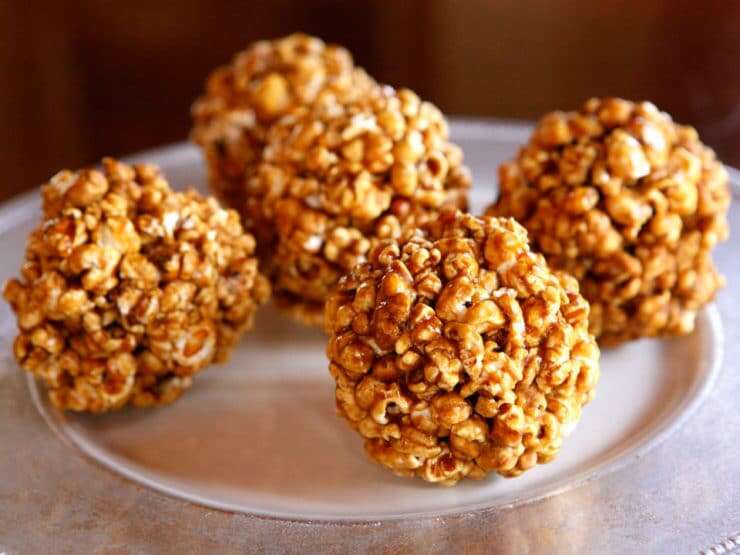
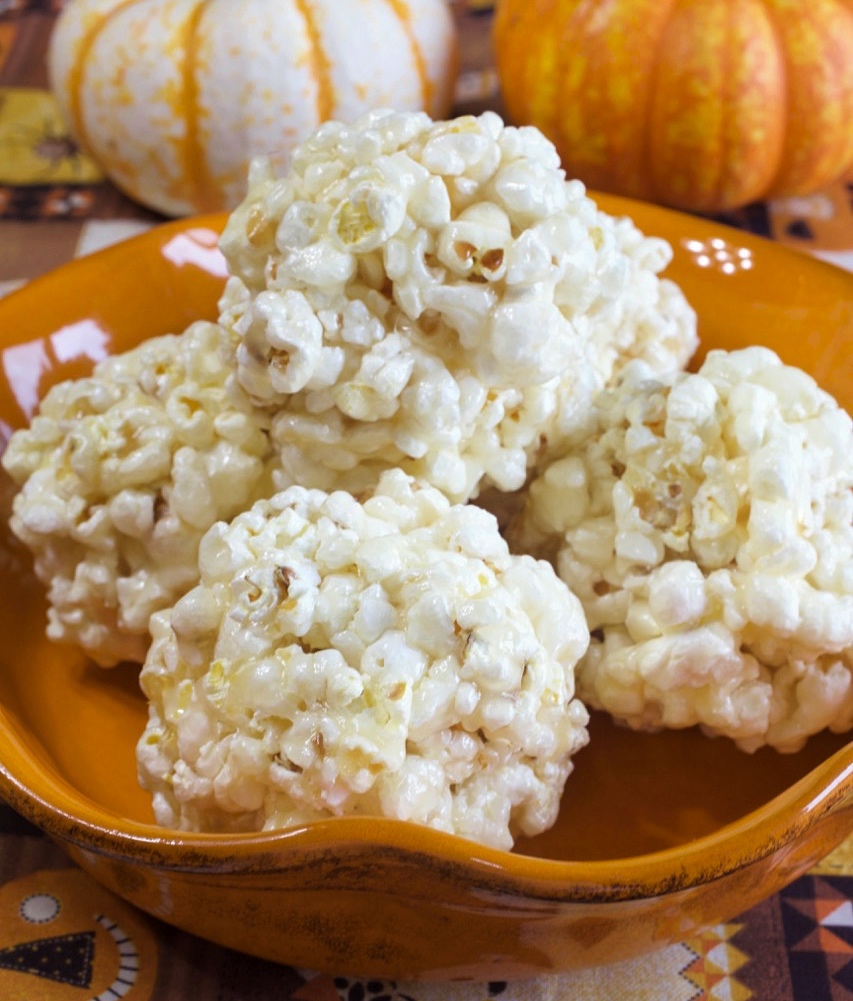
Make a popcorn ball by coating warm popcorn with buttery syrup, then shaping it before the mixture cools.
Learning how to make a popcorn ball is simple, but the best results depend on the syrup temperature, fresh popcorn, and quick hands. This guide shares a tested method, helpful safety tips, easy flavor ideas, and common fixes so your popcorn balls hold together without becoming hard or sticky.
What Is a Popcorn Ball?
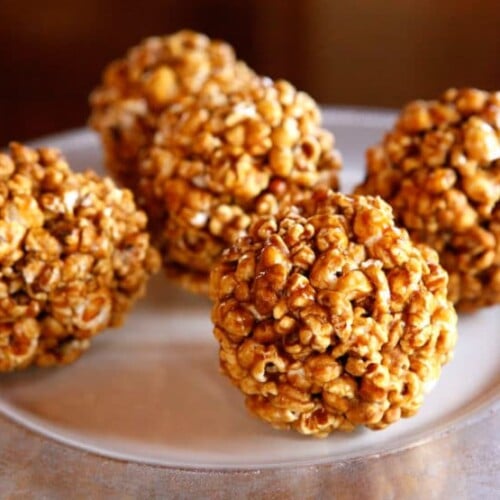
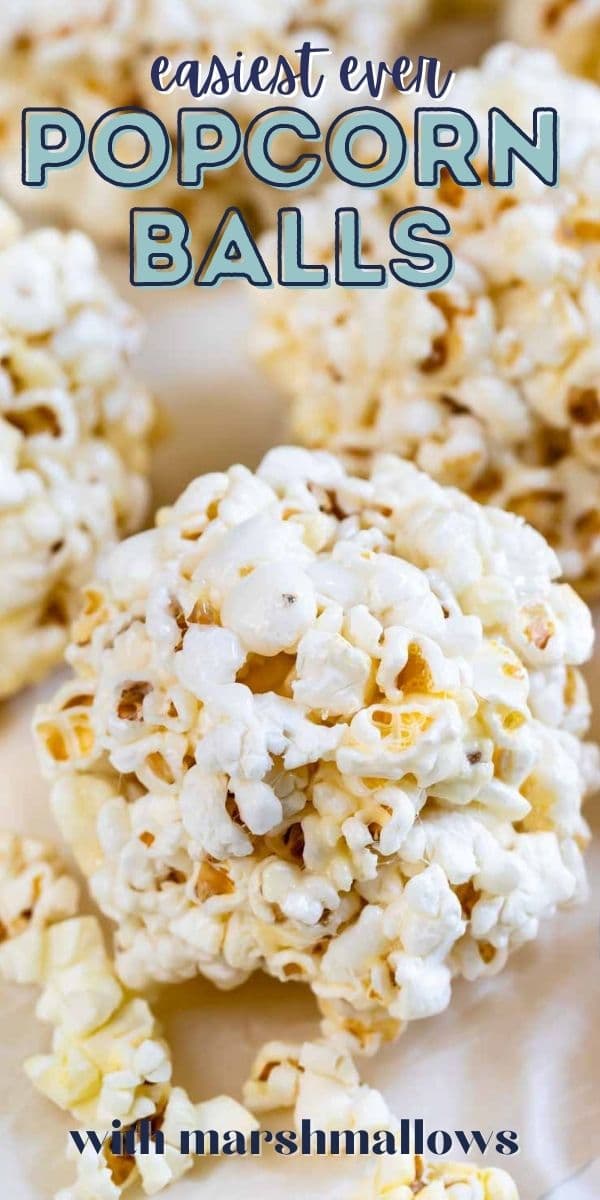
A popcorn ball is a sweet snack made by mixing popped corn with a warm syrup. The syrup acts like edible glue. While it is still warm, you shape the coated popcorn into balls by hand.
Traditional popcorn balls often appear at Halloween parties, fall festivals, school events, and holiday gatherings. You can keep them plain, add food coloring, or mix in candy, nuts, sprinkles, or chocolate.
The key is balance. The syrup must be sticky enough to bind the popcorn but soft enough to chew. If it cooks too long, your popcorn balls may become hard. If it does not cook long enough, they may fall apart.

Ingredients for Homemade Popcorn Balls
This recipe makes about 10 to 12 medium popcorn balls.
• 10 cups popped popcorn, with unpopped kernels removed
• 1 cup granulated sugar
• ½ cup light corn syrup
• ¼ cup unsalted butter
• ¼ cup water
• ½ teaspoon salt
• 1 teaspoon vanilla extract
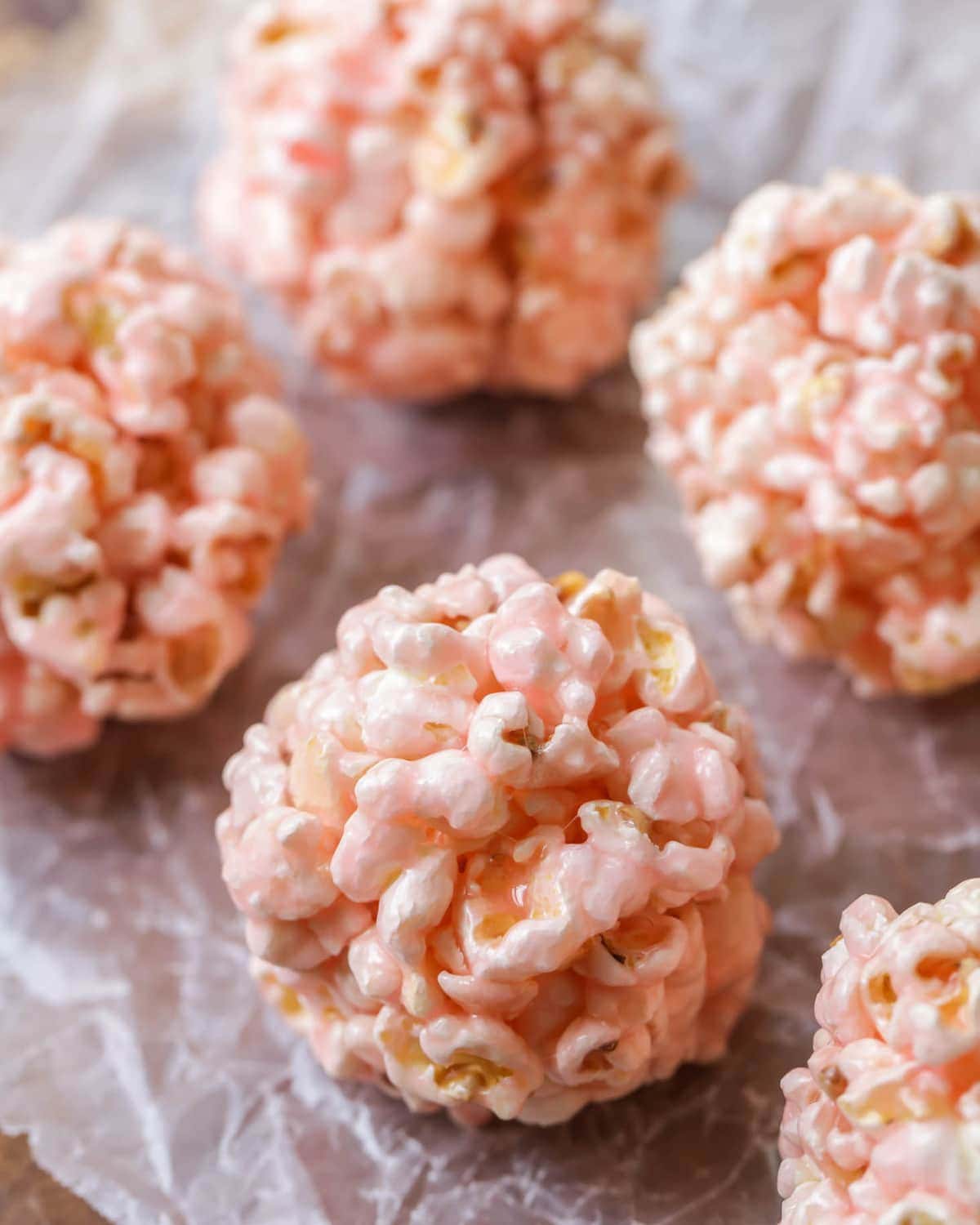
• Optional food coloring
Use plain popcorn rather than heavily salted or buttered microwave popcorn. Extra butter can make the syrup slide off, while strong seasonings may compete with the sweet coating.
Light corn syrup helps prevent sugar crystals from forming. You can replace part of it with honey, but honey adds a stronger flavor and may make the finished popcorn balls softer.
For a richer taste, use real butter. You may use a plant-based butter substitute, but the texture can vary by brand. Vanilla is optional, yet it gives the coating a warm, familiar flavor.
How to Make a Popcorn Ball Step by Step
1. Prepare the popcorn
Place the popped popcorn in a very large mixing bowl. Check the bowl carefully and remove any hard, unpopped kernels.
Warm popcorn is easier to coat than cold popcorn. If your popcorn has cooled, place it in a low oven, around 200°F, for about 10 minutes. Do not let it brown.
2. Make the syrup
Add the sugar, corn syrup, butter, water, and salt to a medium saucepan. Heat the mixture over medium heat, stirring until the butter melts and the sugar dissolves.
Bring the syrup to a gentle boil. Once it boils, cook it for about 2 to 3 minutes. Stir often, but do not scrape dry sugar from the sides of the pan into the syrup.
Remove the pan from the heat. Stir in the vanilla and a few drops of food coloring, if desired. The syrup will be extremely hot, so keep your face and hands away from rising steam.
3. Coat the popcorn
Slowly pour the hot syrup over the popcorn. Use a large buttered spoon or heat-safe spatula to fold the popcorn from the bottom upward.
Work gently but quickly. Stir until most of the kernels have a thin, even coating. The popcorn does not need to look fully covered at first because the syrup will spread as you mix.
4. Shape the balls
let the mixture cool for 2 to 4 minutes, or until it is warm enough to handle. Do not wait too long. The syrup will become firm as it cools.
Butter your hands or lightly coat them with cooking spray. Scoop out about ¾ to 1 cup of the mixture and press it into a ball.
Use steady, gentle pressure. Squeeze too lightly, and the ball may crumble. Press too hard, and you can crush the popcorn. Place each finished ball on parchment paper or a silicone baking mat.
5. Let the popcorn balls set
Allow the popcorn balls to cool at room temperature for 20 to 30 minutes. They should feel firm but not rock hard.
Wrap each ball in plastic wrap, wax paper, or a small treat bag. Store them in an airtight container at room temperature.
This method for how to make a popcorn ball works best when you shape the mixture while it is warm. Once the syrup fully cools, it becomes much harder to mold.
Tips for Soft, Chewy Popcorn Balls
A few small choices can change the final texture. These tips help prevent dry, brittle, or loose popcorn balls.
• Use fresh popcorn because stale kernels can taste tough and absorb syrup unevenly.
• Remove unpopped kernels before shaping. They can be hard on teeth and are easy to miss.
• Do not overcook the syrup. Longer cooking creates a firmer, less chewy coating.
• Coat your hands before shaping. Butter or cooking spray keeps the mixture from sticking.
• Keep the popcorn warm while you make the syrup. Warm kernels accept the coating more easily.
• Make balls of a similar size so they cool at the same rate.
• Avoid adding too many extras. Heavy candy or nuts can make the balls break apart.
• Store the finished treats in an airtight container to protect their texture.
When I test a batch, the most common mistake is waiting until the popcorn mixture feels cool. By then, the coating has started to set in the bowl. A simple fix is to work with half of the mixture at a time and keep the rest warm in a low oven.
:max_bytes(150000):strip_icc()/AR-20519-best-ever-popcorn-balls-DDMFS-4x3-8f2dbff62c1344f28acb1a76cdb5b3a8.jpg)
How to Fix Common Popcorn Ball Problems
The popcorn balls fall apart
The syrup may not have coated the popcorn well, or the mixture may have cooled before shaping. Next time, pour the syrup slowly and shape the balls while the mixture is still warm.
You can also press each ball more firmly. Avoid adding water to the finished mixture because it can make the popcorn soggy.
The popcorn balls are too hard
The syrup was likely cooked too long or at too high a temperature. A candy thermometer can help you control the process.
For a softer texture, remove the syrup from the heat soon after it reaches a gentle boil. Do not cook it until it reaches the hard-crack stage used for brittle candy.
The syrup is too sticky
The syrup may not have cooked long enough, or the finished popcorn balls may be exposed to humidity. Let them cool fully before wrapping them.
If your kitchen is very humid, store the popcorn balls in a tightly sealed container. A short period in the refrigerator can firm them, but refrigeration may also change the texture.
The coating is uneven
The popcorn may have been packed too tightly in the bowl. Use a large bowl with enough room to fold the mixture without crushing the kernels.
Pouring the syrup in several spots also helps. This spreads the coating more evenly than pouring it in one small area.
The popcorn balls have a burnt taste
The syrup may have stuck to the bottom of the pan or cooked over high heat. Use medium heat and a heavy saucepan when possible.
A light golden color is fine, but dark brown syrup usually signals overcooking. When learning how to make a popcorn ball, gentle heat gives you more control.
Flavor Ideas for Popcorn Balls
Classic sweet popcorn balls are delicious, but you can easily customize them for different events.
Halloween popcorn balls
Add orange food coloring and a few chocolate candies. Wrap each ball in clear plastic and tie it with black ribbon for a simple party favor.
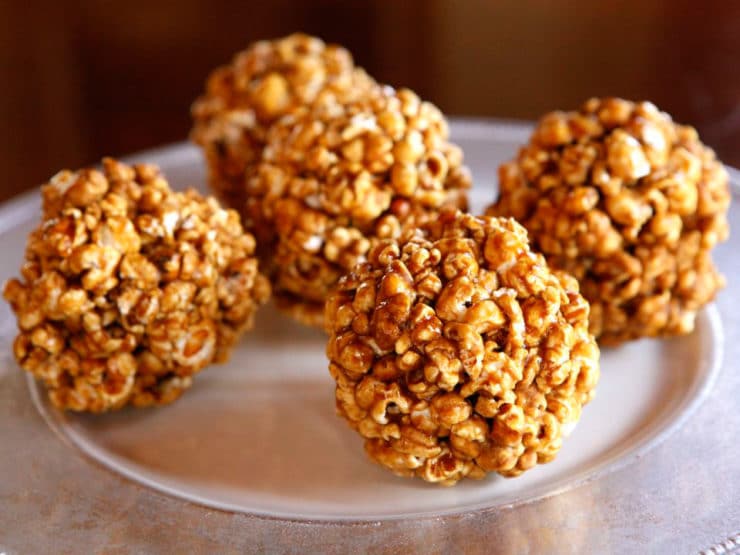
Caramel popcorn balls
Use a thicker caramel sauce instead of the basic sugar syrup. Add a pinch of sea salt for a sweet and salty flavor.
Cinnamon popcorn balls
Stir ½ teaspoon of cinnamon into the syrup. A small amount of nutmeg can add a warm fall flavor.
Peanut butter popcorn balls
Add 2 tablespoons of creamy peanut butter after removing the syrup from the heat. Stir until smooth, then coat the popcorn.
Check for peanut allergies before serving. For a nut-free option, use sunflower seed butter.
Chocolate popcorn balls
Mix in mini chocolate chips after the popcorn cools slightly. If the popcorn is too hot, the chips will melt rather than stay whole.
You can also drizzle cooled popcorn balls with melted chocolate. Let the drizzle set before wrapping them.
Holiday popcorn balls
Use red and green food coloring, or add holiday sprinkles. Divide the popcorn mixture into two batches if you want two colors.
Do not mix delicate decorations into very hot syrup. Add them after the coating cools slightly to protect their shape and color.

Safety Tips for Making Popcorn Balls
Hot sugar syrup can cause serious burns. Treat it with the same care you would use for hot oil.
• Keep children away from the stove and hot syrup.
• Use a long-handled spoon when stirring.
• Do not touch the syrup directly while it is hot.
• Wait until the popcorn mixture is warm, not steaming, before shaping it.
• Butter your hands only after the mixture has cooled enough to handle.
• Keep a bowl of cold water nearby for minor splashes, but seek medical care for serious burns.
• Warn guests about possible unpopped kernels.
Food safety also matters after cooking. Keep popcorn balls covered and store them at room temperature in a clean, dry container. Discard them if they develop mold, an unusual smell, or a damp, unpleasant texture.
Tools That Make the Process Easier
You do not need special equipment, but a few tools can make how to make a popcorn ball safer and smoother.
• Large mixing bowl: Gives you room to fold the syrup into the popcorn.
• Heavy saucepan: Helps heat the syrup evenly.
• Silicone spatula: Makes stirring and scraping easier.
• Candy thermometer: Helps monitor syrup temperature.
• Parchment paper: Prevents sticking while the balls cool.
• Cooking spray or butter: Keeps your hands and tools from becoming coated.
• Airtight container: Protects the finished popcorn balls from humidity.
A candy thermometer is useful but not required. The recipe works by time and texture, though stovetops vary. If you use a thermometer, avoid letting it touch the bottom of the pan because that can give a false reading.

How to Store Popcorn Balls
Wrap each popcorn ball separately in plastic wrap or wax paper. Place the wrapped treats in an airtight container and keep them at room temperature.
Most homemade popcorn balls are best within 2 to 3 days. They may remain safe longer when stored properly, but the texture can become stale or sticky.
Avoid storing them uncovered in the refrigerator. The cold air and moisture can make the popcorn chewy in an unpleasant way. If you need to prepare them ahead, wrap them well and keep them in a cool, dry room.
For parties, make the popcorn balls the day before. This gives them enough time to set while keeping them fresh for serving.
Frequently Asked Questions About How to Make a Popcorn Ball
Why do my popcorn balls not stick together?
The syrup may not have coated the popcorn evenly, or you may have waited too long before shaping. Warm the popcorn mixture slightly, coat it well, and press each ball firmly while it is still pliable.
Can I make popcorn balls without corn syrup?
Yes. You can use honey, maple syrup, or a simple sugar syrup, but the texture and flavor will change. Corn syrup helps create a smooth coating and reduces the chance of sugar crystals.
How do I keep popcorn balls from sticking to my hands?
Lightly butter your hands or spray them with cooking spray before shaping. Reapply a small amount whenever the mixture begins to stick.
Can I use microwave popcorn to make popcorn balls?
You can, but plain or lightly salted microwave popcorn works best. Avoid strongly buttered varieties because excess oil may keep the syrup from coating the kernels.
How long do homemade popcorn balls last?
They usually taste best within 2 to 3 days when individually wrapped and stored in an airtight container. Humidity can shorten their shelf life and make them sticky.
Are popcorn balls safe for young children?
They may pose a choking risk, especially when made with hard candy, nuts, or unpopped kernels. Remove all unpopped kernels and serve them only to children who can safely chew the texture.
Conclusion
Learning how to make a popcorn ball comes down to three things: fresh popcorn, gently cooked syrup, and quick shaping. Warm the popcorn, coat it evenly, press it firmly, and let each ball cool before wrapping it.
Start with the classic recipe, then try cinnamon, peanut butter, chocolate, or holiday colors. Make a small batch first, note how the texture turns out, and adjust the cooking time to suit your taste. Share your favorite popcorn ball flavor or party idea in the comments.

Liora Pennings is a seasoned chef and kitchen enthusiast with a passion for turning everyday cooking into an effortless experience. With years of hands-on culinary expertise, she specializes in practical techniques, ingredient know-how, and smart kitchen solutions that help home cooks elevate their meals. At KitchFlair.com, Liora shares her best tips, time-saving tricks, and honest product reviews to guide readers toward a more efficient, enjoyable, and inspired cooking routine. Whether you’re a beginner or a seasoned home chef, Liora’s friendly, knowledge-packed insights make every visit to the kitchen a little easier—and a lot more delicious.