

How To Make Cold Drip Coffee: Easy Step-By-Step Guide
Make cold drip coffee by slowly dripping ice water through coarse coffee grounds for 6–12 hours.
Learning how to make cold drip coffee is easier than it first appears. The method needs patience, a steady drip, and the right coffee grind, but it creates a clean, smooth drink with less bitterness than many hot-brew methods. This guide explains the equipment, coffee ratio, drip speed, common mistakes, storage rules, and serving ideas so you can make a balanced cold drip coffee at home.
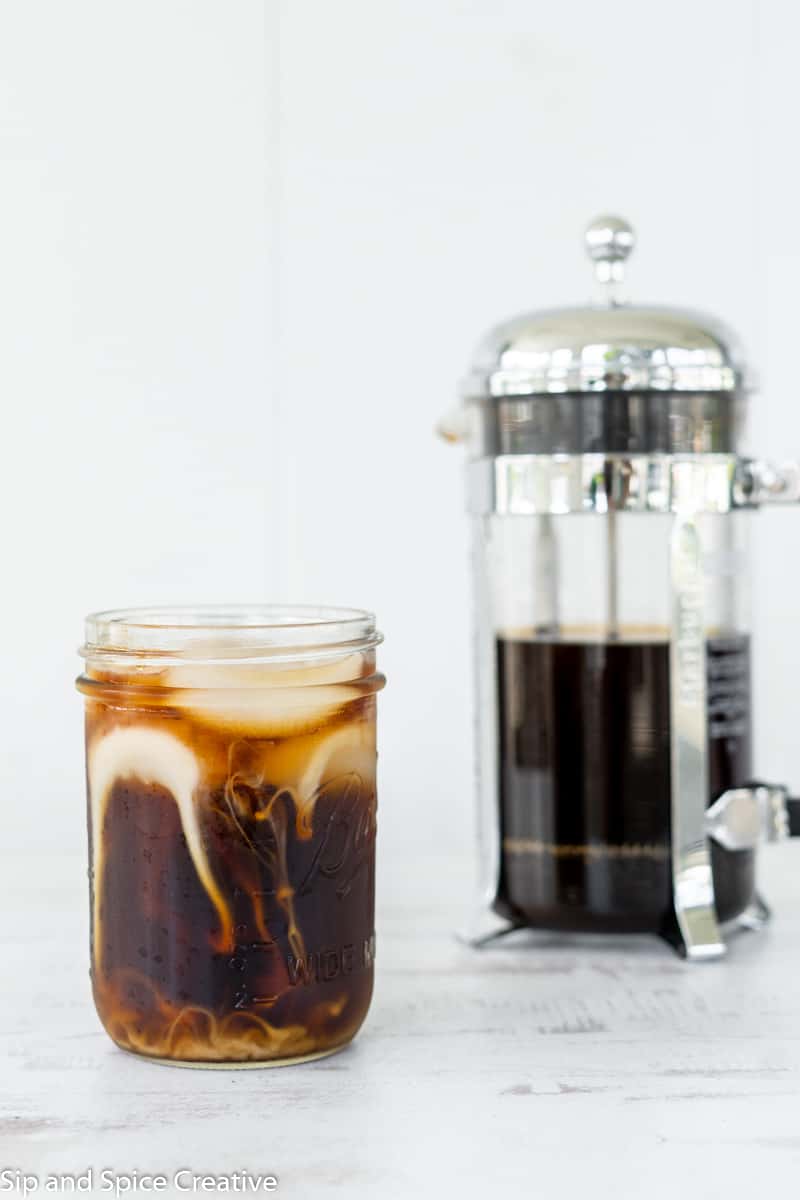
What Is Cold Drip Coffee?
Cold drip coffee is coffee brewed with cool or ice-cold water. Water passes slowly through a bed of ground coffee and collects in a container below. The full process often takes between six and twelve hours.
Unlike immersion cold brew, cold drip coffee does not soak all the grounds at once. Instead, water moves through the coffee in small drops. This slower flow can produce a bright, clear cup with a light body and gentle sweetness.
Cold drip coffee is also called Dutch coffee or Kyoto-style coffee. Traditional cold drip towers often use three glass chambers:
- The top chamber holds ice and water.
- The middle chamber holds coffee grounds.
- The bottom chamber collects the finished coffee.
The water drips through the grounds one drop at a time. Think of it as a very slow rain shower passing through coffee.
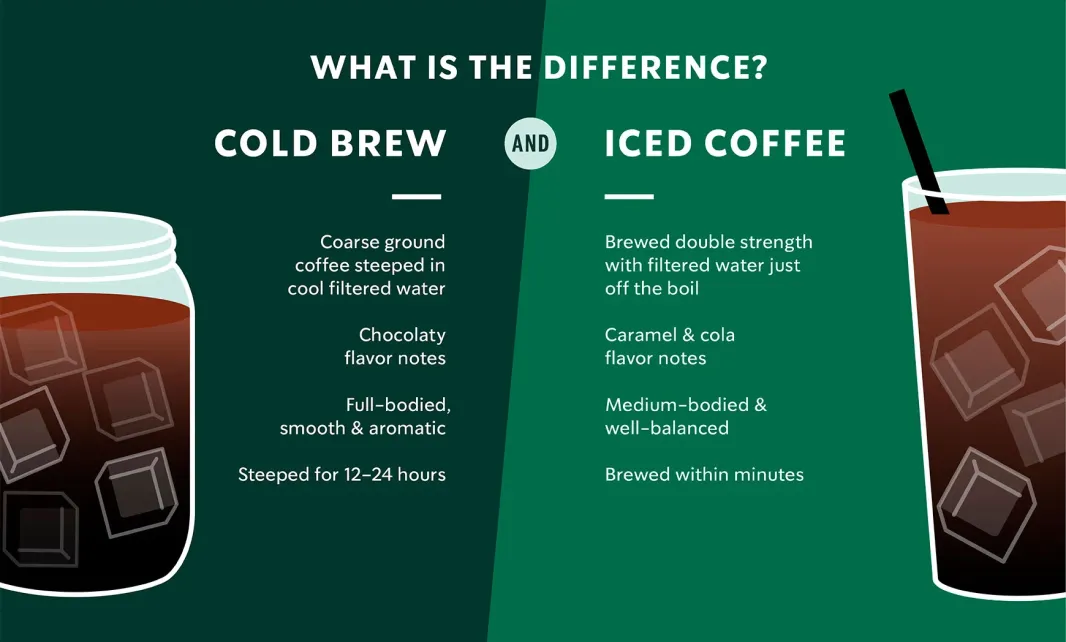
Cold drip coffee is different from iced coffee. Iced coffee starts with hot-brewed coffee poured over ice. Cold drip coffee never uses hot water during brewing.
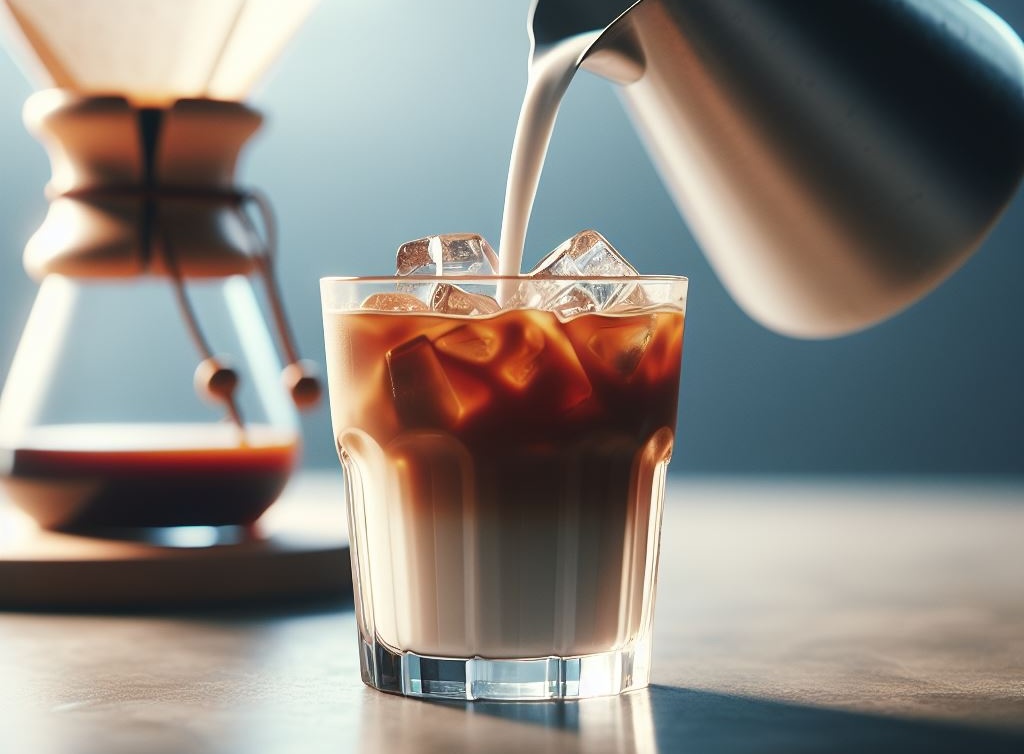
Why Make Cold Drip Coffee?
Cold drip coffee offers a distinct taste and texture. Many people enjoy it because the slow, cool extraction can reduce harsh bitterness and heavy roasted flavors.
Here are some common benefits:
• Smooth flavor: Cold water extracts coffee more slowly than hot water.
• Clear taste: A good cold drip brew often has a cleaner finish than immersion cold brew.
• Lower acidity perception: Some drinkers find cold coffee gentler, although acidity varies by bean, roast, and brewing method.
• Easy preparation: Once the drip rate is set, the brewer needs little attention.
• Strong concentrate: You can dilute the coffee with water, milk, or ice.
Cold drip coffee is not automatically less acidic or more caffeinated. Caffeine depends on the coffee dose, brew time, grind, and final serving size. If you want a low-caffeine drink, choose a decaffeinated coffee rather than relying on cold brewing alone.
In my own testing, the biggest surprise was how much the drip speed changed the flavor. A fast drip made the coffee thin and sharp. A very slow drip created a dark, woody taste. A steady middle speed gave the best balance.
What You Need to Make Cold Drip Coffee
You can use a purpose-built cold drip tower, but you do not need an expensive setup. A simple brewer with a water reservoir, coffee chamber, and collection jar works well.
Gather these items:
• Cold drip coffee maker
• Fresh whole coffee beans
• Burr grinder
• Digital kitchen scale
• Timer
• Filtered water
• Paper or metal coffee filter
• Ice, if your brewer uses ice water
• Clean glass bottle or jar for storage
a burr grinder is helpful because it creates more even coffee particles. Blade grinders often produce a mix of powder and large pieces. The fine powder can slow the drip, while the large pieces may lead to weak extraction.
Use filtered water when possible. Water with a strong chlorine taste can affect the final cup. Very soft or very hard water may also change extraction, so a balanced drinking water is a good starting point.
Before brewing, wash the brewer well. Coffee oils can build up in the drip valve and change the taste. Rinse all parts with clean water and check that the valve opens and closes smoothly.
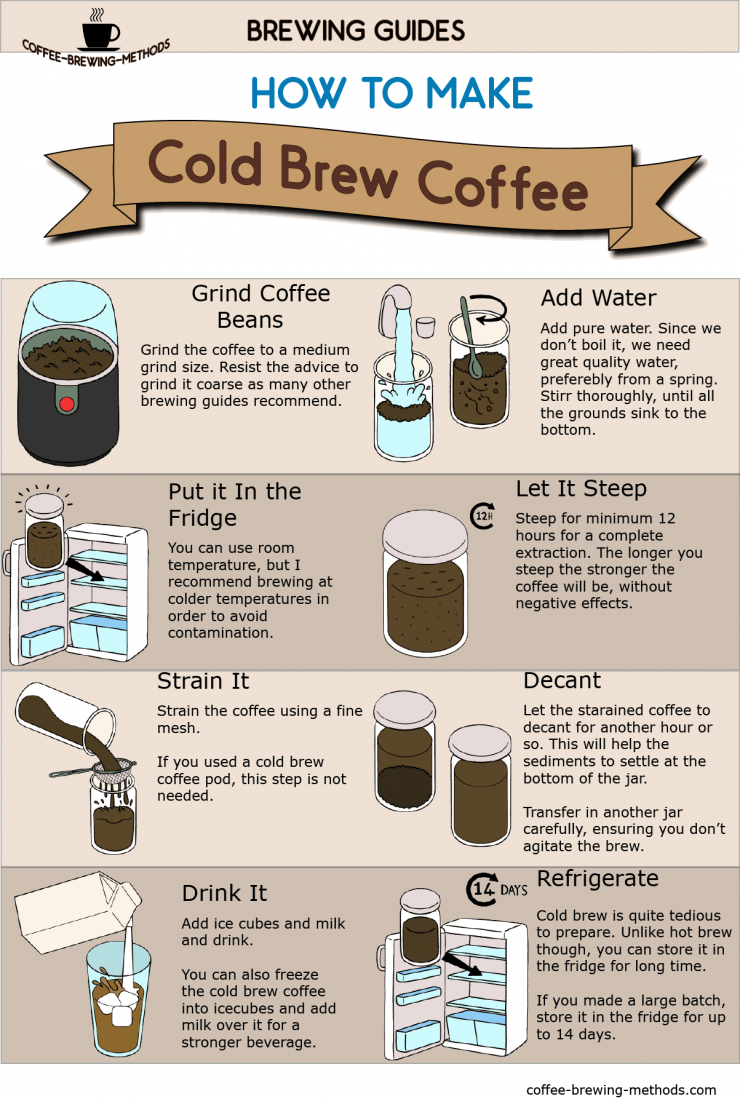
How to Make Cold Drip Coffee Step by Step
The following method makes a strong cold drip concentrate. You can dilute it later to suit your taste.
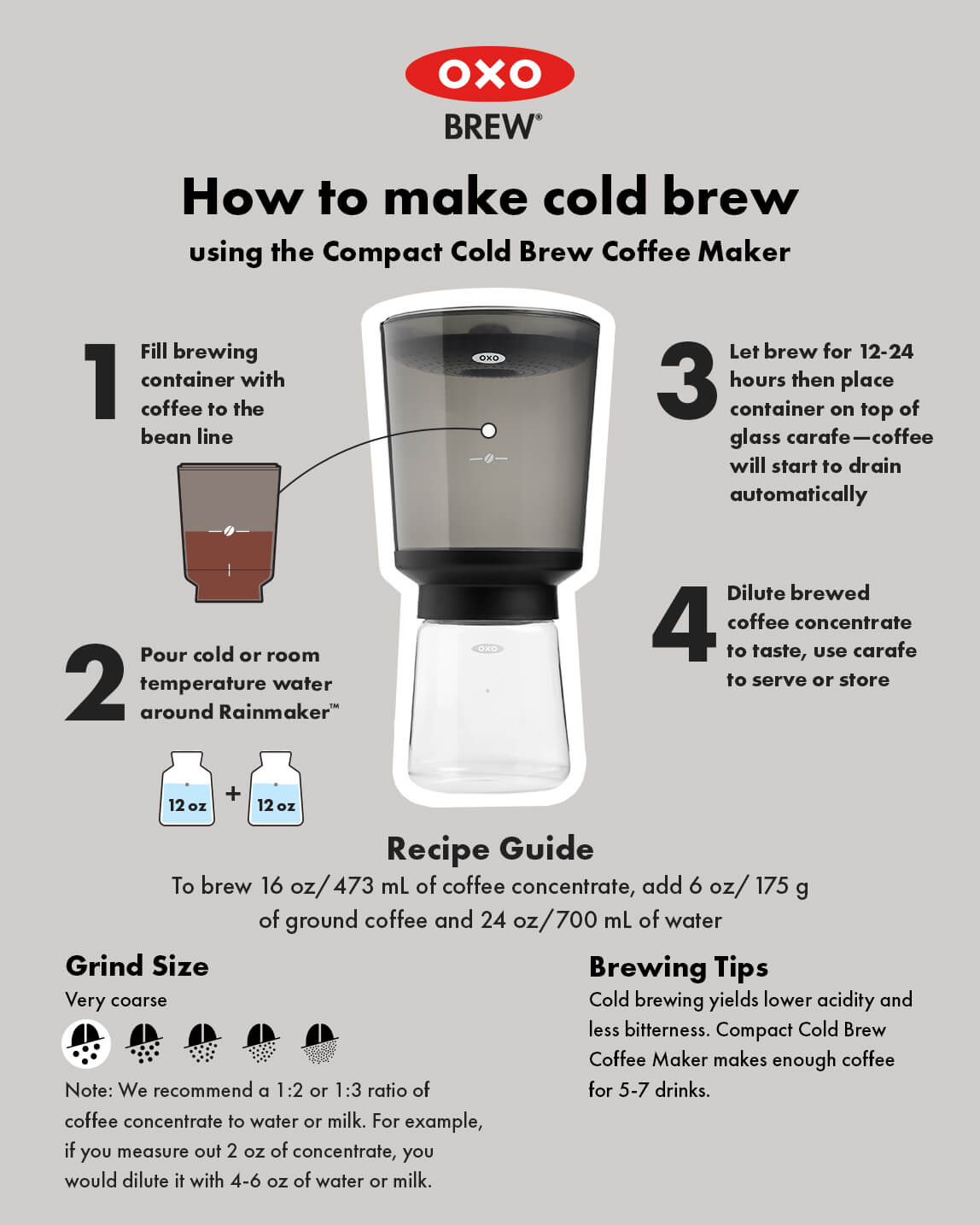
1. Choose the right coffee
Start with a medium or medium-light roast. These roasts can show fruit, caramel, chocolate, and nut flavors without tasting too smoky.
A medium-dark roast also works, but it may create a heavier and more bitter concentrate. Avoid stale beans because cold brewing does not hide flat flavors.
Use coffee that was roasted within the past few weeks. Let very fresh coffee rest for several days after roasting so excess gas can escape.
2. Weigh the coffee and water
A useful starting ratio is:
• 100 grams of coffee
• 700 to 800 grams of water
This creates a strong concentrate. For a lighter batch, use 80 grams of coffee with 800 grams of water.
The right ratio depends on your brewer and preferred drink. Weighing the ingredients is more reliable than using scoops because coffee beans have different sizes and densities.
3. Grind the coffee
Grind the beans coarsely. The texture should look similar to coarse sea salt.
Do not use an espresso-fine grind. Fine coffee can clog the filter, stop the drip, and create an over-extracted taste. If the coffee tastes weak and watery, make the grind slightly finer. If the drip stops or the coffee tastes harsh, make it coarser.
4. Prepare the coffee chamber
Place the filter in the coffee chamber. Add the ground coffee and spread it into an even bed.
Do not press or tamp the grounds. Tamping compresses the coffee and makes it harder for water to pass through. A flat coffee bed helps the water spread across the grounds.
Some brewers use a paper filter above the coffee bed. This helps distribute water more evenly and prevents channels from forming.
5. Add cold water or ice water
Fill the top reservoir with filtered water. If your brewer allows it, add a small amount of ice to keep the water cold.
Do not fill the chamber beyond its recommended level. Water that is too warm may speed extraction and change the flavor. Cold water should remain below room temperature during most of the brew.
6. Set the drip rate
Open the valve and adjust it until the water falls at about one drop every one to two seconds.
This is only a starting point. Some brewers work best at one drop per second, while others need a slightly faster flow. The important goal is a steady drip, not a perfect number.
Watch the brewer for the first few minutes. If the water flows too fast, the coffee may taste weak. If it barely moves, the coffee bed may become blocked.
7. Let the coffee brew
Cold drip coffee usually takes six to twelve hours. Smaller brewers may finish sooner, while larger coffee beds may need more time.
Keep the brewer in a cool place away from sunlight, heat, and strong kitchen odors. Avoid moving it once the drip rate is set.
The finished coffee should look rich but not cloudy. Taste a small amount after brewing. If it is too strong, dilute it with water or milk.
The Best Cold Drip Coffee Ratio and Brew Time
There is no single perfect recipe for cold drip coffee. Coffee origin, roast level, grind size, water quality, and brewer design all affect the result.
Use this basic recipe as a reliable starting point:
| Ingredient | Starting amount |
|---|---|
| Coffee | 100 grams |
| Water | 750 grams |
| Grind | Coarse |
| Drip rate | 1 drop every 1–2 seconds |
| Brew time | 6–12 hours |
| Final drink | Dilute to taste |
If your coffee tastes too strong, add 30 to 60 grams of water at a time. If it tastes weak, reduce the dilution or use a little more coffee in the next batch.
Brew time also matters. A short brew may taste light, sour, or watery. A long brew may taste dry, bitter, or woody. Keep notes each time you brew. Write down the coffee, dose, water amount, drip speed, and result.
This simple record helps you improve faster than changing several variables at once.

How to Adjust the Flavor
Small changes can make a large difference in cold drip coffee. Adjust only one part of the recipe at a time.
If the coffee tastes weak
Try these changes:
• Use more coffee.
• Grind the beans slightly finer.
• Slow the drip rate.
• Reduce the amount of dilution.
• Check that water is passing through the full coffee bed.
Weak coffee can also result from channeling. Channeling happens when water finds one easy path through the grounds instead of spreading evenly.
If the coffee tastes bitter or dry
Try these changes:
• Grind the beans coarser.
• Increase the drip speed slightly.
• Use less coffee.
• Reduce the total brew time.
• Choose a lighter roast.
A dry mouthfeel often points to over-extraction. The water has pulled too many bitter compounds from the coffee.
If the coffee tastes sour
Try these changes:
• Grind slightly finer.
• Slow the drip rate.
• Brew for a longer period.
• Use a more developed roast.
Sourness often means under-extraction, but some light-roast coffees naturally taste bright and fruity. A lemon-like flavor can be pleasant when it is balanced by sweetness.
If the drip stops
Check the following:
• The grind may be too fine.
• The coffee bed may be packed too tightly.
• The filter may be clogged.
• The valve may have coffee oils or mineral buildup.
• The water reservoir may not be seated correctly.
Turn off the flow before making adjustments. Stirring the coffee bed during brewing can cause uneven extraction, so it is better to restart with a coarser grind if the problem continues.
How to Serve Cold Drip Coffee
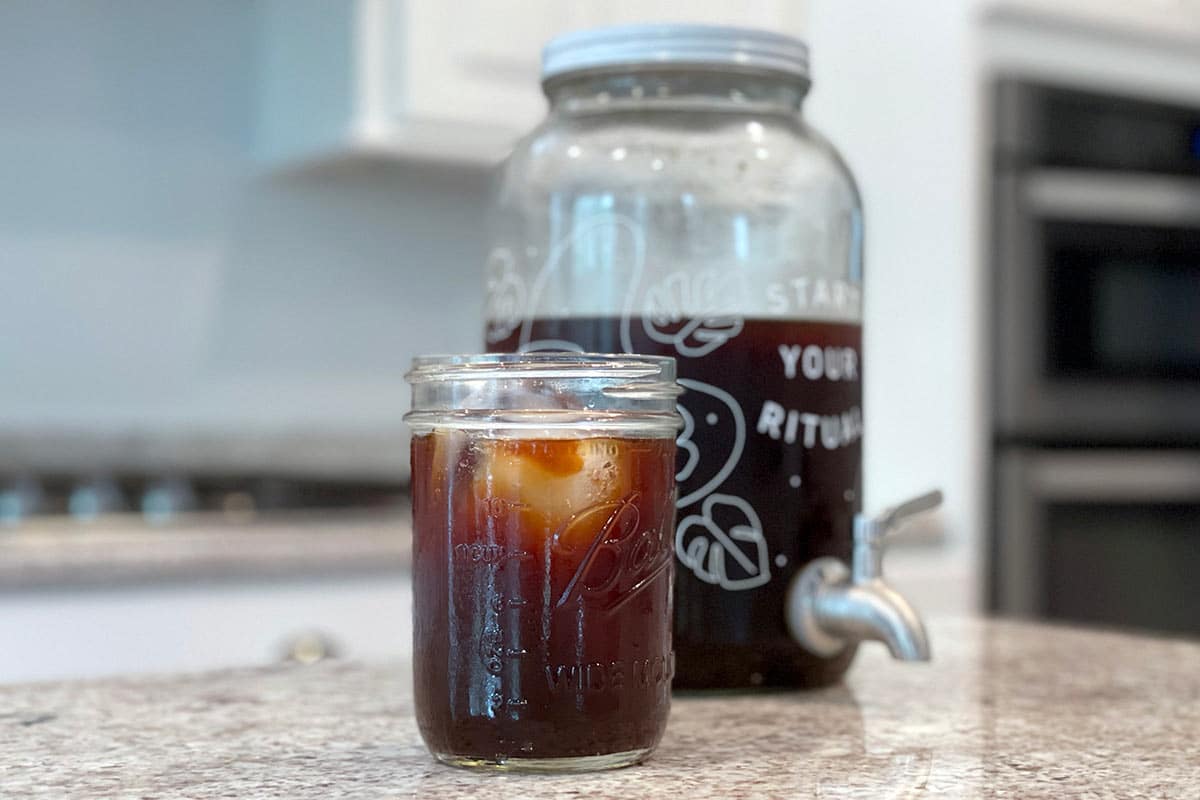
Cold drip coffee is often brewed as a concentrate. This gives you control over the final strength.
For a simple iced drink:
- Fill a glass with ice.
- Add 4 ounces of cold drip coffee.
- Add 2 to 4 ounces of cold filtered water.
- Stir and taste.
- Add more water if needed.
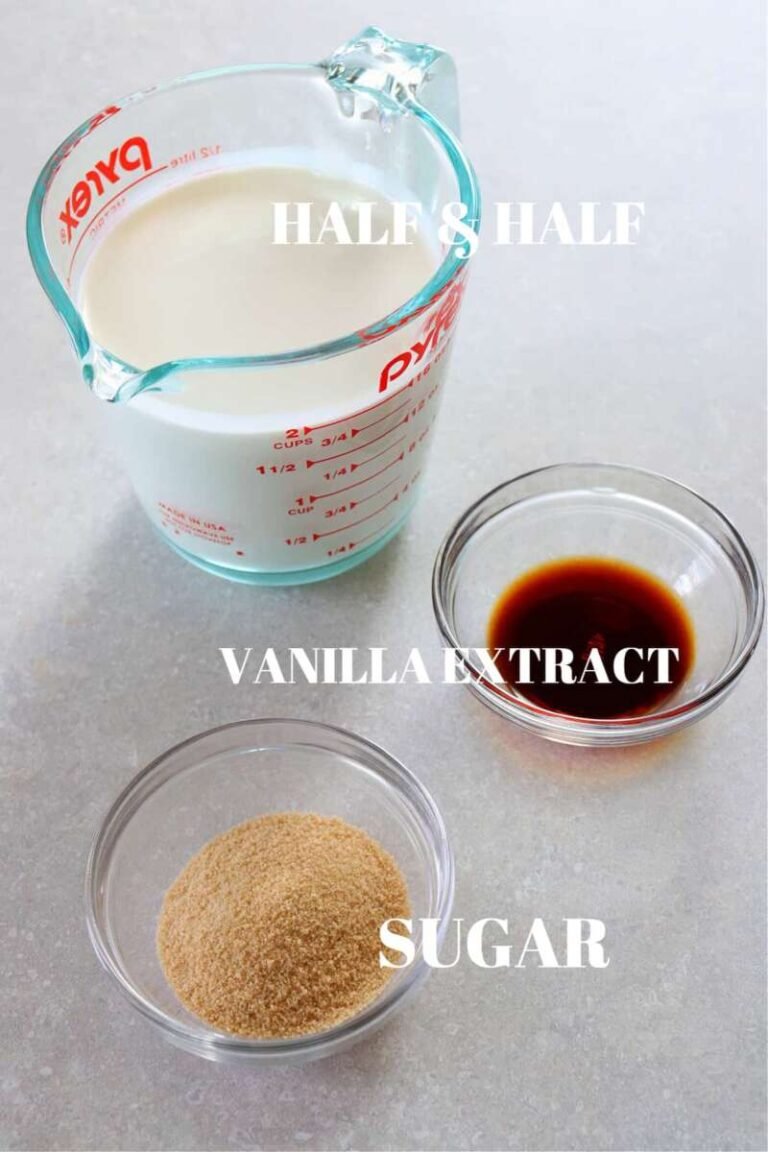
For a creamy version, add milk, half-and-half, oat milk, or almond milk. Coffee with chocolate, caramel, cinnamon, or vanilla can also work well.
For a stronger drink, use less dilution. For a softer drink, add more water. Avoid adding too much ice to a weak concentrate because melting ice can make the drink watery.
You can also serve cold drip coffee over a large ice cube. Large cubes melt more slowly and protect the flavor. Another option is to freeze some coffee into ice cubes and use them in the drink.

How to Store Cold Drip Coffee Safely
Transfer finished cold drip coffee to a clean, sealed container. Store it in the refrigerator at 40°F or below.
For the best flavor, drink it within three to five days. The coffee may remain safe for longer when handled well, but freshness usually declines after several days.
Follow these storage habits:
• Refrigerate the coffee soon after brewing.
• Use a clean glass bottle or jar.
• Do not store it uncovered near strong-smelling foods.
• Avoid repeatedly pouring from the storage container.
• Discard the coffee if it develops an unusual smell, mold, or an unpleasant taste.
Cold drip coffee concentrate can separate slightly in the refrigerator. Shake or stir it gently before serving.
Do not leave finished coffee at room temperature for long periods. Cold brewing takes many hours, so clean equipment and proper refrigeration are important parts of the process.
Common Mistakes to Avoid
Many cold drip problems come from a few simple errors. Avoiding them makes the method far more consistent.
• Using a fine grind: This can clog the filter and create harsh flavors.
• Skipping the scale: Volume measurements can vary from one coffee to another.
• Setting an uneven drip: A changing drip rate leads to uneven extraction.
• Tamping the grounds: Cold drip coffee needs a loose, even coffee bed.
• Using stale beans: The final drink will taste flat no matter how carefully you brew it.
• Brewing in direct sunlight: Heat can change the extraction and warm the water.
• Ignoring the brewer: A clogged valve can stop the process before it finishes.
• Failing to dilute the concentrate: Some cold drip coffee is designed to be mixed before drinking.
One mistake I made early on was judging the coffee only by the first sip. Cold drip concentrate can taste intense straight from the collection jar. After dilution, the same coffee may become smooth and balanced. Always taste it at the strength you plan to serve.
Cold Drip Coffee vs. Cold Brew
Cold drip coffee and immersion cold brew both use cool water, but the methods are different.
Cold drip coffee uses a controlled stream of water. It often produces a cleaner and brighter cup. It also requires more equipment and careful drip adjustment.
Immersion cold brew soaks coffee grounds in water for many hours. It is simpler and usually needs only a jar, coffee, water, and a filter. The result often has a fuller body and a heavier texture.
Choose cold drip coffee if you enjoy:
• Clear flavors
• A lighter body
• Coffee preparation as a ritual
• Greater control over drip speed
Choose immersion cold brew if you want:
• A simple setup
• A large batch
• A fuller and richer texture
• Less attention during brewing
Neither method is automatically better. The best choice depends on your taste, time, and equipment.
Frequently Asked Questions About How to Make Cold Drip Coffee
How long does cold drip coffee take to brew?
Cold drip coffee usually takes six to twelve hours. The exact time depends on the coffee dose, grind size, water amount, and drip speed.
What grind size is best for cold drip coffee?
Use a coarse grind that looks like sea salt. A grind that is too fine can clog the filter and make the coffee taste bitter or dry.
Can you make cold drip coffee without a tower?
Yes. You can use a simple drip brewer with a water reservoir, coffee chamber, and collection jar. However, a purpose-built tower makes it easier to control the flow.
Is cold drip coffee stronger than regular coffee?
Cold drip coffee is often brewed as a concentrate, so it may taste stronger when served straight. Dilute it with water or milk until it reaches your preferred strength.
Can you use regular ground coffee for cold drip coffee?
You can, but freshly ground whole beans usually taste better. If you use pre-ground coffee, choose a coarse grind and store it in an airtight container.
Should cold drip coffee be refrigerated?
Yes. Store finished coffee in a clean, sealed container in a refrigerator at 40°F or below. For the best flavor, drink it within three to five days.
Why is my cold drip coffee bitter?
Bitter cold drip coffee may come from a grind that is too fine, a drip rate that is too slow, too much coffee, or an overly long brew. Adjust one variable at a time to find the cause.
Conclusion
Making cold drip coffee takes time, but the process is simple once you control the grind, ratio, water, and drip speed. Start with coarse coffee, filtered water, and a steady flow of about one drop every one to two seconds. Brew for six to twelve hours, then dilute the concentrate and adjust it to taste.
Keep notes as you experiment. A small change in grind or drip speed can turn a sharp cup into a smooth, sweet one. Try your first batch this week, and share your favorite cold drip coffee recipe or serving style in the comments.

Liora Pennings is a seasoned chef and kitchen enthusiast with a passion for turning everyday cooking into an effortless experience. With years of hands-on culinary expertise, she specializes in practical techniques, ingredient know-how, and smart kitchen solutions that help home cooks elevate their meals. At KitchFlair.com, Liora shares her best tips, time-saving tricks, and honest product reviews to guide readers toward a more efficient, enjoyable, and inspired cooking routine. Whether you’re a beginner or a seasoned home chef, Liora’s friendly, knowledge-packed insights make every visit to the kitchen a little easier—and a lot more delicious.
One Comment