Can Vacuum Cleaner Replace Broom: Which Cleans Better?
Yes, a vacuum cleaner can replace a broom for most daily floor-cleaning tasks.
The better choice depends on your floors, messes, home layout, and cleaning needs. Understanding when a vacuum works best—and when a broom still helps—can save time, reduce dust, and protect delicate surfaces. This guide explains whether a vacuum cleaner can replace a broom, compares both tools, and offers practical advice for choosing the right cleaning routine.

Can a vacuum cleaner replace a broom?
For many homes, a vacuum cleaner can replace a broom. It removes dust, crumbs, hair, dirt, and small debris from carpets and hard floors. A vacuum also collects particles in a dustbin or bag, which helps keep loose dust from spreading through the room.
Still, a vacuum is not a perfect replacement in every case. Some models are too large for small spills, while others may struggle with wet debris, large pieces, or outdoor dirt. A broom remains useful for quick jobs, patios, garages, and areas where using an electrical device is not practical.
The answer also depends on the type of vacuum. A cordless stick vacuum is fast and light. A canister vacuum may clean hard floors with great control. A robot vacuum can handle routine dust, but it cannot replace detailed cleaning.
In short, a vacuum cleaner can replace a broom for regular indoor cleaning, but keeping both tools gives you more flexibility.
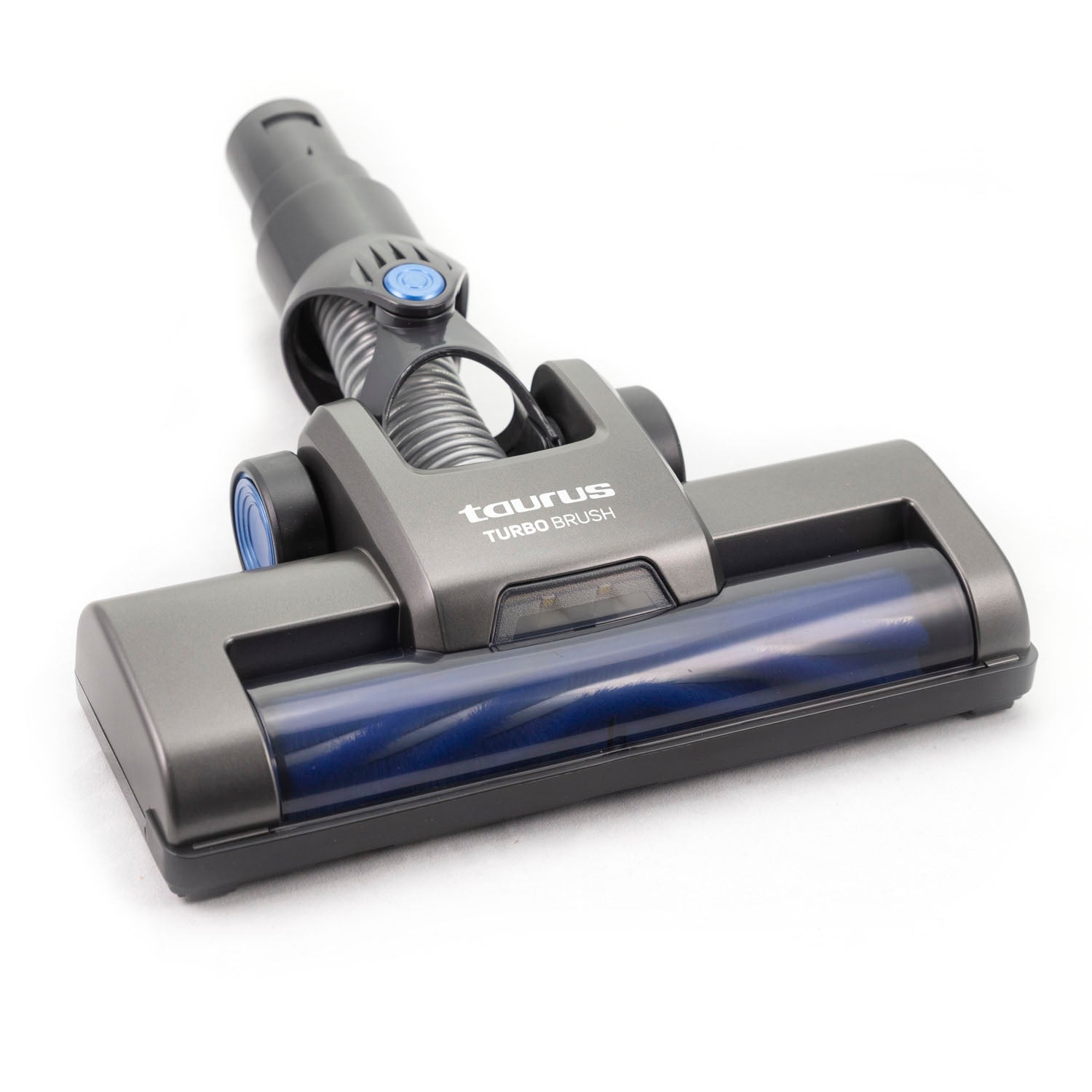
Vacuum cleaner versus broom: What is the difference?
A broom moves dirt into a pile. A vacuum cleaner removes dirt from the floor and stores it inside a container or bag. That basic difference affects dust control, speed, effort, and cleaning results.
How a broom works
A broom uses bristles to sweep debris across a surface. You then collect the pile with a dustpan. This method is simple and needs no batteries, cords, filters, or maintenance.
However, sweeping can send fine dust into the air. Small particles may settle on furniture or return to the floor. This is more likely when you use a stiff broom on dry dirt.
How a vacuum works
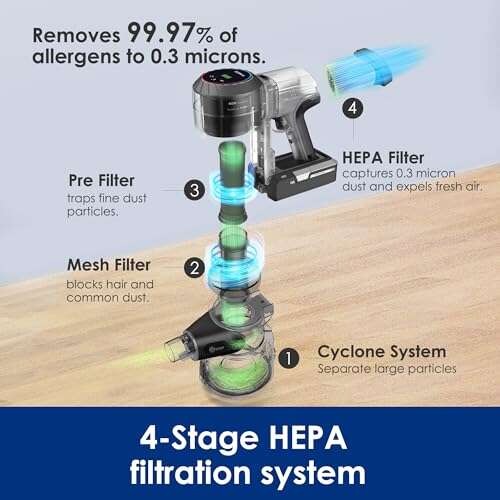
A vacuum creates airflow that pulls dirt from the surface. Filters trap some of the fine particles, while the dustbin or bag holds larger debris. Many modern vacuums use sealed systems and high-efficiency filters.
A vacuum is often better for:
• Fine dust
• Pet hair
• Carpet fibers
• Food crumbs
• Dust under furniture
• Allergens trapped in rugs
A broom is often better for:
• Large dry debris
• Outdoor areas
• Quick porch cleaning
• Wet leaves
• Sand in a garage
• Places without power
When comparing a vacuum cleaner and a broom, think about the mess, not just the tool. A broom is like a simple shovel for dry dirt. A vacuum is more like a filter that lifts and contains the mess.

Benefits of replacing a broom with a vacuum cleaner
A vacuum can offer several clear benefits over sweeping. These benefits are strongest when the vacuum has the right floor head, strong suction, and a clean filter.
Better dust control
Sweeping may move fine dust instead of removing it. A vacuum pulls much of that dust into its filtration system. This can make the room feel cleaner, especially after cleaning rugs or dusty hard floors.
People with allergies should choose a vacuum with a sealed body and a high-efficiency filter. No vacuum removes every airborne particle, but good filtration can reduce the amount of dust released during cleaning.
Easier pet hair removal
Pet hair often sticks to rugs, upholstery, and floor cracks. A broom may push hair into corners or lift it into the air. A vacuum with a motorized brush can pull hair from carpets and collect it more effectively.
For homes with cats or dogs, a vacuum cleaner can replace a broom for most daily floor care. You may still need a rubber squeegee or lint tool for hair on furniture.
Faster whole-room cleaning
A vacuum lets you clean large areas without bending down to use a dustpan. Cordless models are especially useful for short cleaning sessions. You can pick up crumbs after breakfast or clean a hallway in a few minutes.
Better cleaning under furniture
Many vacuums have slim heads that reach under beds, sofas, and cabinets. Broom bristles can reach these spaces, but they may only push dirt deeper. A vacuum can remove the debris if the nozzle fits.
More useful on carpets
A broom cannot clean carpet well. It may remove large pieces from the surface, but it will not pull much dirt from between the fibers. A vacuum is the right tool for rugs and wall-to-wall carpet.
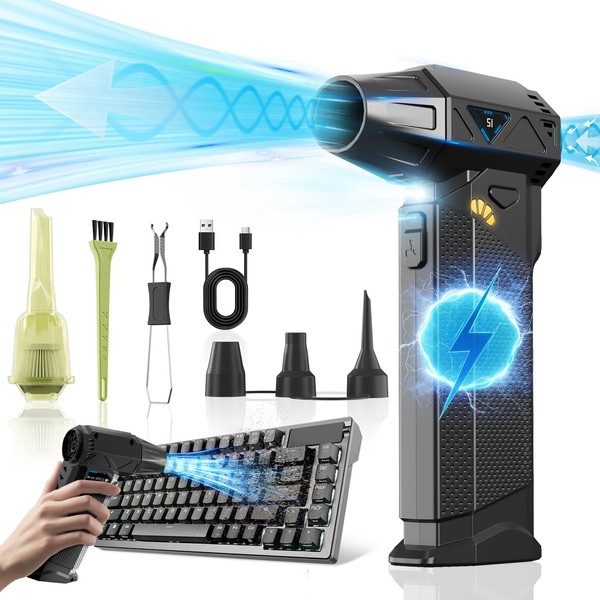
When a broom is still better than a vacuum
Even if a vacuum cleaner can replace a broom indoors, a broom still has important uses. It is cheap, quiet, easy to store, and ready whenever you need it.
A broom may be the better choice when:
• You need to clean a small amount of large debris
• The mess includes dry leaves or soil
• You are cleaning a porch, deck, or garage
• The floor has water or another wet spill
• You want a silent cleaning tool
• The area has no nearby outlet
• You do not want to charge a cordless vacuum
• The debris could damage the vacuum brush or motor
Never vacuum water with a standard dry vacuum. Moisture can damage the motor and create an electrical risk. Use a wet-dry vacuum only when the model is designed for liquid pickup.
A broom also works well for flour, rice, cereal, and broken dry food. Large pieces can clog a vacuum hose or fill a small dustbin quickly. Pick up big pieces by hand first, then vacuum the remaining dust.

Is a vacuum cleaner better for indoor air quality?
A vacuum can support better indoor air quality, but the design and condition of the machine matter. A poorly sealed vacuum may release fine particles through its exhaust. A full dustbin or dirty filter can also reduce suction and increase particle release.
For better results, look for:
• A sealed vacuum system
• A high-efficiency or HEPA filter
• A brush designed for your floor type
• Easy filter cleaning or replacement
• A dustbin that empties with little contact
• Strong suction without excessive noise
The term HEPA describes a filtration standard, but not every product marketed as “HEPA style” offers the same performance. Check the product details and replace filters as the manufacturer recommends.
Vacuuming alone does not solve every air-quality problem. Wash bedding, control moisture, repair leaks, and use ventilation when needed. A vacuum is one part of a clean-home plan, not a complete solution.

Which vacuum can replace a broom?
The best vacuum depends on your home and cleaning habits. A large upright vacuum may clean carpets well, but it can feel inconvenient for a tiny kitchen spill. A lightweight model may be easier for daily use but less powerful on thick carpet.
Stick vacuum
A stick vacuum is a common broom replacement. It is light, quick to grab, and often cordless. It works well for hard floors, low-pile rugs, crumbs, and pet hair.
Its limits include shorter battery life, a smaller dustbin, and less power on thick carpet. Empty the bin before it becomes packed with dirt.
Canister vacuum
A canister vacuum has a separate body and a flexible hose. It is often easy to move across hard floors and can reach stairs, corners, and furniture. It may be a strong choice for homes with many hard surfaces.
The main drawback is storage. You also need to pull the canister behind you while cleaning.
Upright vacuum
An upright vacuum is built for large carpeted areas. Many models also include settings for hard floors. It can provide strong cleaning power, but it may be heavy or bulky.
Robot vacuum
A robot vacuum can handle regular surface dust and crumbs on its own. It is useful for maintenance between deeper cleanings. It cannot usually clean stairs, furniture, tight corners, or heavy messes without help.
Handheld vacuum
A handheld vacuum is ideal for small spills, sofas, cars, and stairs. It is not a full replacement for a broom across an entire home, but it can reduce the need for a dustpan.
For most households, a cordless stick vacuum offers the closest daily replacement for a broom.

Can a vacuum damage hard floors?
A vacuum should not damage most sealed hard floors when used correctly. The risk comes from the wrong brush roll, trapped grit, worn wheels, or poor cleaning technique.
Fine sand and small stones can scratch wood, laminate, and some vinyl floors. A rotating brush may also scatter debris or mark a delicate finish. Use a hard-floor setting when available, and avoid aggressive bristles on sensitive surfaces.
Helpful habits include:
- Check the vacuum head for trapped grit.
- Use a soft floor attachment on delicate surfaces.
- Turn off the brush roll when the manufacturer recommends it.
- Lift large stones or sharp pieces by hand.
- Test a new attachment in a hidden spot.
- Follow the flooring maker’s care instructions.
Tile and sealed stone usually tolerate vacuuming well. Hardwood needs more care, especially if the finish is old or damaged. Laminate floors should not be soaked, so dry vacuuming is often safer than wet cleaning.
When people ask whether a vacuum cleaner can replace a broom on hard floors, the answer is usually yes. The key is to match the vacuum head to the floor.
Common mistakes when using a vacuum as a broom replacement
A vacuum can make cleaning easier, but poor habits can reduce its performance. These mistakes are common and easy to avoid.
Vacuuming large objects
Coins, screws, glass pieces, and large food chunks may block the hose or damage the fan. Pick up hard or sharp items first.
Ignoring the filter
A dirty filter reduces airflow. The vacuum may sound loud while picking up less dirt. Clean or replace the filter according to the manual.
Overfilling the dustbin
A packed dustbin can reduce suction and make emptying messy. Empty it when it reaches the recommended fill line.
Using the wrong floor mode
A carpet brush roll may scatter debris on smooth floors. A hard-floor mode usually offers better control.
Vacuuming wet messes
A standard vacuum is not made for water. Blot liquid with an absorbent cloth or use a wet-dry vacuum designed for that task.
Moving too quickly
Vacuum heads need time to pick up embedded dirt. Move slowly over high-traffic areas and make extra passes where needed.
In practical testing, one of the easiest improvements is slowing down. A quick pass may make the floor look clean while leaving fine grit behind.

A practical cleaning routine using a vacuum
If you want a vacuum cleaner to replace a broom, build a simple routine around your home.
Daily cleaning
Use a cordless stick or handheld vacuum for:
• Kitchen crumbs
• Entryway dirt
• Pet hair
• Dining area debris
• Visible dust
Short daily sessions prevent dirt from spreading to other rooms.
Weekly cleaning
Vacuum every floor surface, including:
• Under furniture
• Along baseboards
• Rugs and mats
• Stairs
• Sofa cushions
• Room corners
Move furniture when safe, and use crevice tools around edges.
Monthly maintenance
Inspect the vacuum and clean:
• Filters
• Brush rolls
• Wheels
• Hose openings
• Dustbin seals
• Charging contacts
A clean machine works better and lasts longer. This is especially important in homes with pets, children, or heavy foot traffic.
The two-tool method
Many homes benefit from using both tools:
- Use a broom for porches, garages, and large dry debris.
- Use a vacuum for fine dust, carpets, crumbs, and pet hair.
- Use a dustpan for bulky messes before vacuuming.
- Use a damp mop only after dry dirt has been removed.
This method avoids forcing one tool to handle every type of mess.
Frequently Asked Questions About Can Vacuum Cleaner Replace Broom
Can a vacuum cleaner replace a broom on hardwood floors?
Yes, most vacuums can clean sealed hardwood floors safely when used with a soft floor head. Avoid stiff brush rolls, trapped grit, and wet vacuuming unless the machine is designed for it.
Is vacuuming better than sweeping for allergies?
Vacuuming can be better because it collects fine dust instead of pushing it into the air. A sealed vacuum with a true high-efficiency filter is usually a better choice for allergy-sensitive homes.
Can I use a vacuum cleaner for rice and cereal?
You can vacuum small dry pieces of rice or cereal, but large pieces should be picked up first. This helps prevent clogs and protects the hose, brush roll, and motor.
Can a vacuum cleaner replace a broom for outdoor cleaning?
Usually, no. A broom is better for patios, decks, sidewalks, and garages, while most household vacuums are designed for indoor dry surfaces.
Should I sweep before vacuuming?
You usually do not need to sweep before vacuuming. Pick up large objects by hand, then vacuum the remaining dust and small debris.
Is a cordless vacuum as good as a broom?
A cordless vacuum is often more convenient for indoor cleaning because it removes dust and stores debris. Its battery life and small dustbin may limit it during large cleaning jobs.
Can a robot vacuum replace a broom completely?
No. A robot vacuum can reduce daily sweeping, but it cannot clean stairs, tight corners, furniture, wet messes, or large debris without assistance.
Conclusion
A vacuum cleaner can replace a broom for most indoor tasks, especially when you need to remove fine dust, pet hair, carpet dirt, and crumbs. It offers better dust collection and often saves time, but it is not ideal for wet spills, large debris, garages, or outdoor areas.
The most practical choice is to use a vacuum for regular indoor cleaning and keep a broom for quick, bulky, wet, or outdoor messes. Choose the right floor attachment, maintain the filter, and avoid vacuuming items that may cause damage. Try this two-tool approach in your home, and share your cleaning routine or favorite vacuum features in the comments.

Liora Pennings is a seasoned chef and kitchen enthusiast with a passion for turning everyday cooking into an effortless experience. With years of hands-on culinary expertise, she specializes in practical techniques, ingredient know-how, and smart kitchen solutions that help home cooks elevate their meals. At KitchFlair.com, Liora shares her best tips, time-saving tricks, and honest product reviews to guide readers toward a more efficient, enjoyable, and inspired cooking routine. Whether you’re a beginner or a seasoned home chef, Liora’s friendly, knowledge-packed insights make every visit to the kitchen a little easier—and a lot more delicious.