What Is Kpa In Vacuum Cleaner: Suction Power Explained
KPa in a vacuum cleaner measures suction pressure, showing how strongly the machine can pull air and dirt.
If you have compared vacuum cleaners, you may have seen numbers such as 15 kPa, 20 kPa, or 30 kPa. Understanding what is kPa in vacuum cleaner specifications helps you compare suction power, but kPa is only one part of cleaning performance. Airflow, brush design, filtration, floor type, and dust-bin condition also matter.
What Is KPa in a Vacuum Cleaner?
KPa stands for kilopascal. It is a unit of pressure used to measure the difference between the air pressure inside a vacuum cleaner and the air pressure outside it.
When a vacuum motor spins, it removes air from the hose and dust chamber. This creates lower air pressure inside the machine. Normal air pressure then pushes dust, hair, and debris toward the vacuum opening. The stronger this pressure difference, the greater the vacuum’s suction force can be.
In simple terms, kPa tells you how strongly a vacuum can pull against resistance. A higher kPa value usually means stronger sealed suction, especially when the nozzle is blocked or placed tightly against a surface.
The basic conversion is:
- 1 kPa equals 1,000 pascals.
- 1 kPa equals about 0.145 pounds per square inch.
- 10 kPa equals 10,000 pascals.
- 20 kPa equals 20,000 pascals.
However, what is kPa in vacuum cleaner testing can vary by brand. Some manufacturers measure suction at the motor, while others measure it at the hose or cleaning head. Because of this, two vacuums with the same kPa rating may not clean in exactly the same way.
How Does KPa Measure Vacuum Suction?
A vacuum cleaner creates suction by moving air. The motor turns a fan, and the fan lowers the pressure inside the machine. Air from the room then rushes into the vacuum, carrying dirt with it.
KPa measures this pressure difference. It does not directly measure the amount of air moving through the vacuum. That difference is important because cleaning power depends on both pressure and airflow.
Think of a drinking straw. A strong pull creates low pressure inside the straw, but the straw still needs enough open space for liquid to move. A vacuum cleaner works in a similar way. Strong pressure helps lift dirt, while good airflow carries that dirt into the dust bin.
A vacuum with high kPa but poor airflow may feel powerful when the nozzle is sealed to the floor. Yet it may perform less well when cleaning a wide area. A balanced design provides both strong suction pressure and steady airflow.
Sealed suction and working suction
Manufacturers may use several terms when discussing kPa:
- Sealed suction measures pressure when airflow is highly restricted.
- Working suction measures suction during more normal cleaning conditions.
- Maximum suction refers to the highest reading, often in a special power mode.
- Suction at the head measures performance at the floor nozzle rather than only at the motor.
The most useful number is usually the one measured at the cleaning head during real use. Sadly, many product listings do not explain the test method clearly.

What Is a Good KPa Rating for a Vacuum Cleaner?
There is no single kPa number that makes a vacuum cleaner good for every home. The right rating depends on the vacuum type, flooring, cleaning task, and design quality.
Typical ranges may look like this:
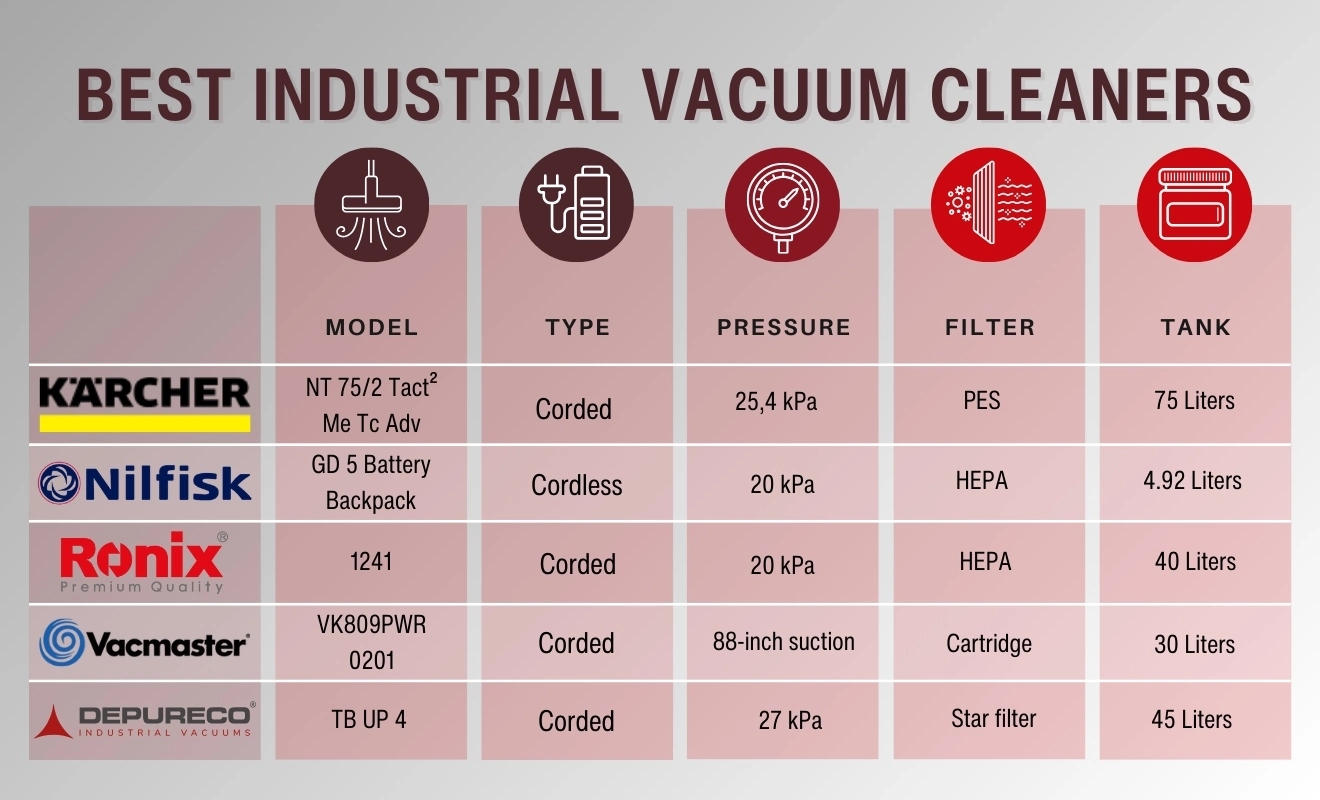
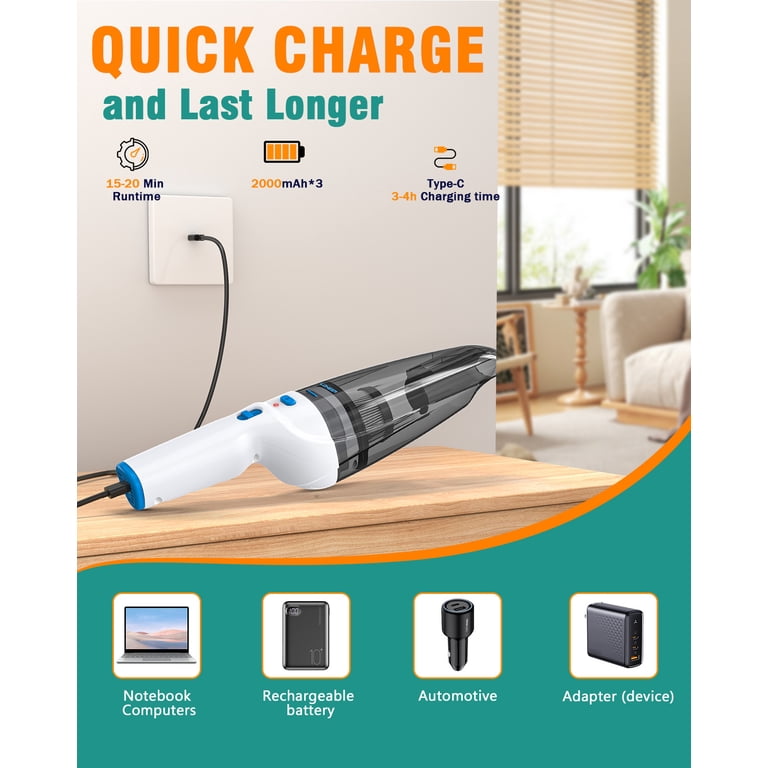
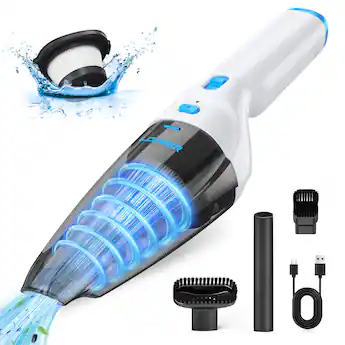
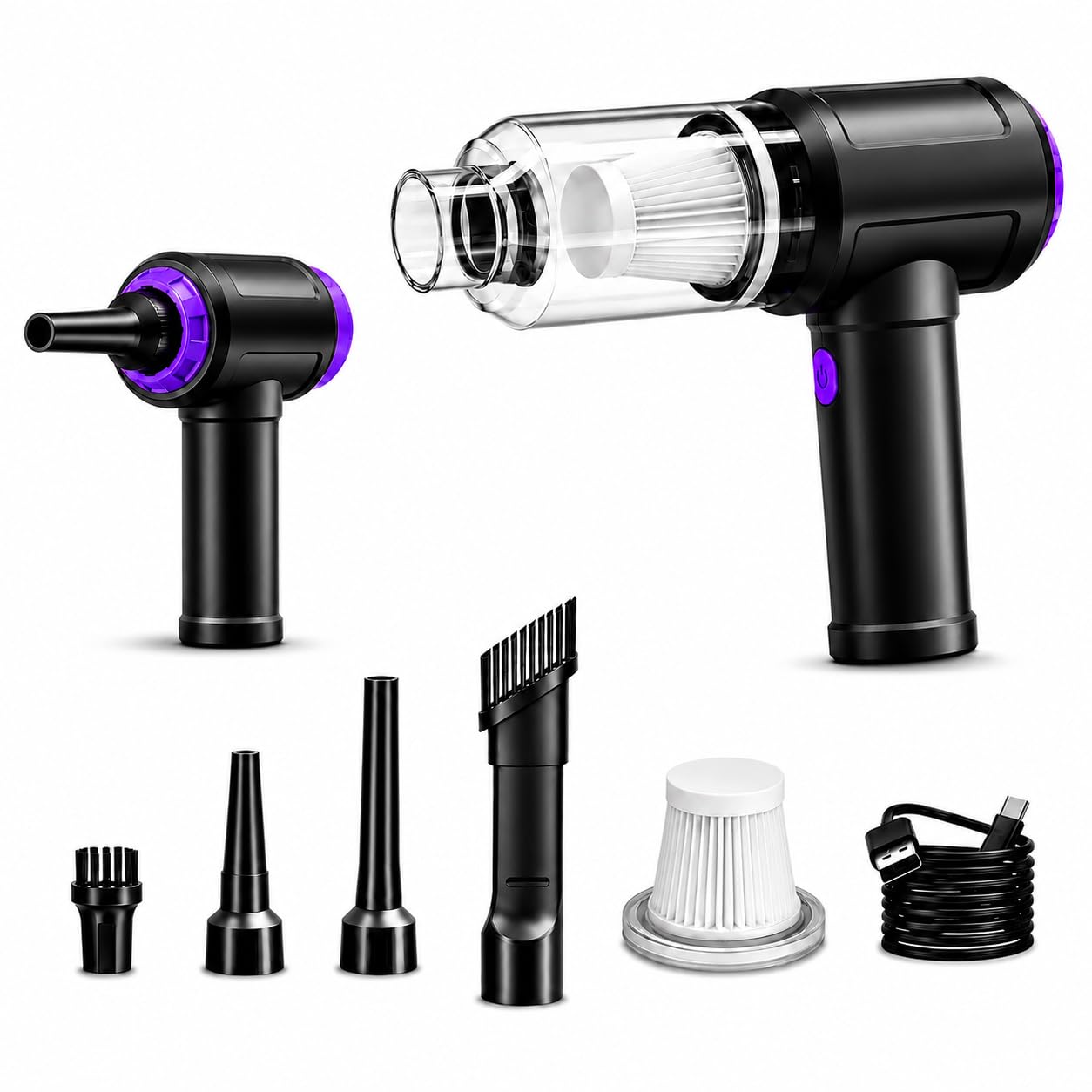
- Small handheld vacuums often measure about 4 to 10 kPa.
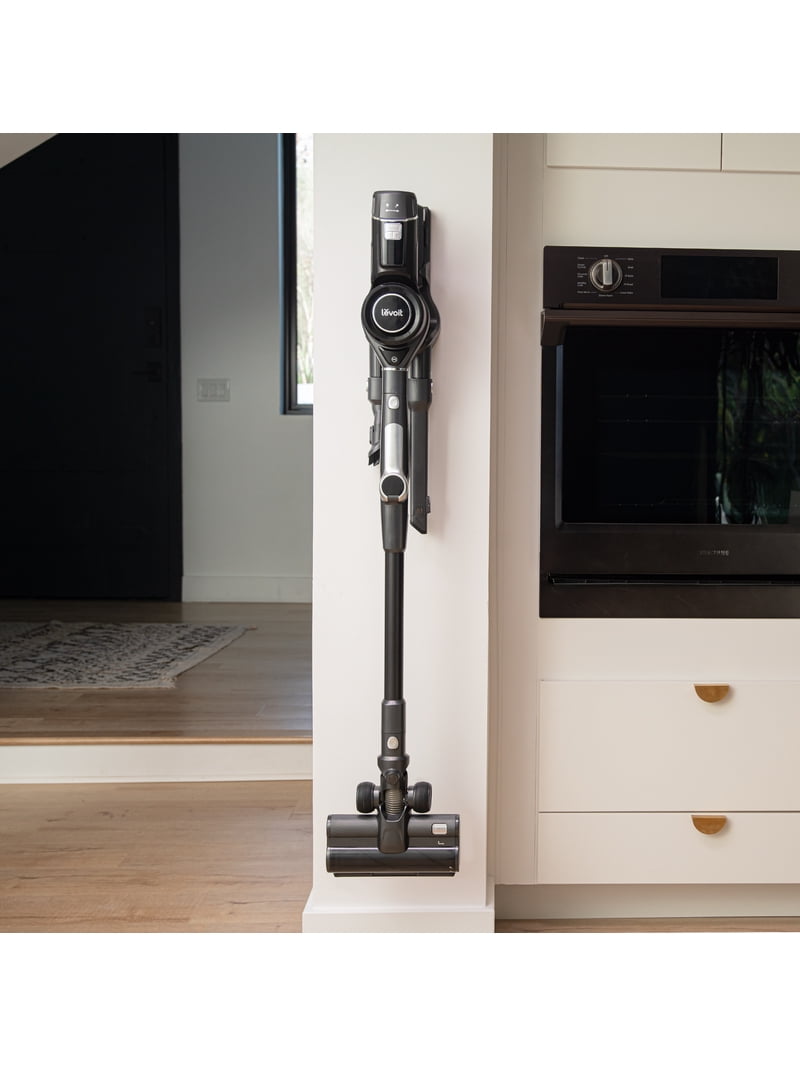
- Basic cordless stick vacuums may measure about 10 to 20 kPa.
- Stronger cordless models may reach about 20 to 30 kPa.
- Many corded household vacuums measure about 15 to 25 kPa.
- Some high-performance models claim more than 30 kPa.
These ranges are general, not strict industry rules. Testing methods differ, and a higher advertised number does not always mean better cleaning on carpet or hard floors.
For everyday dust and crumbs on hard floors, a moderate kPa rating may be enough. Homes with thick carpet, pet hair, or deeply pressed dirt may benefit from stronger suction, a motorized brush roll, and good airflow.
When asking what is kPa in vacuum cleaner shopping, do not look at the number alone. Check how the vacuum performs with the exact surfaces and messes found in your home.
KPa Compared With Air Watts, Watts, and Airflow
Vacuum cleaner specifications can be confusing because brands use several power measurements. KPa, air watts, watts, and airflow describe different parts of performance.
KPa
KPa measures pressure difference. It shows how strongly the vacuum can pull against resistance.
Air watts
Air watts combine suction pressure and airflow. This measurement is often more useful for estimating overall cleaning power because it considers both force and air movement.
Electrical watts
Electrical watts show how much electricity the motor uses. A higher wattage does not guarantee stronger cleaning. Motor design, seals, fan shape, filters, and airflow paths all affect results.
Cubic feet per minute
Cubic feet per minute, or CFM, measures airflow. Higher airflow helps move dust through the hose and into the dust bin.
A useful way to think about vacuum performance is:
- KPa helps lift dirt.
- Airflow helps carry dirt.
- The brush roll helps loosen dirt.
- The filter keeps fine particles inside.
- The seal prevents suction from escaping.
This is why a vacuum with a lower kPa rating can sometimes clean better than a model with a higher rating. Its head may seal better, its brush may agitate carpet more effectively, or its airflow may remain steady as the bin fills.

Why KPa Matters for Different Floor Types
Floor type changes how much suction a vacuum needs. Smooth flooring, low-pile carpet, and thick rugs each create different levels of resistance.
Hard floors
Hard floors usually need moderate suction. The main challenge is collecting fine dust, crumbs, and hair without scattering them.
A soft roller or floor head with a close seal can matter more than an extremely high kPa rating. Too much suction may also make a vacuum harder to push across smooth surfaces.
Low-pile carpet
Low-pile carpet needs enough suction to pull dirt from between the fibers. A rotating brush can loosen particles that suction alone cannot remove.
For this surface, look for a balance of kPa, airflow, and brush-roll performance.
Thick carpet
Thick carpet can trap dirt deep below the surface. Stronger suction may help, but the cleaner must also have a suitable brush and adjustable height.
If the vacuum seals too tightly to thick carpet, it may become difficult to move. Suction control or an automatic height adjustment can improve comfort and cleaning results.
Rugs
Loose rugs may lift when a vacuum has high suction and a sealed head. In this case, lower suction or an adjustable cleaning mode can be safer.
The best answer to what is kPa in vacuum cleaner use depends on how the machine behaves on your floor, not just on the number printed on the box.
Does Higher KPa Always Mean Better Cleaning?
Higher kPa does not always mean a better vacuum cleaner. It means the machine can create a stronger pressure difference under the test conditions.
Cleaning performance depends on several linked factors:
- Airflow through the hose and head.
- The seal between the floor and nozzle.
- Brush-roll speed and bristle design.
- Filter quality and filter condition.
- Dust-bin design.
- Battery output in cordless models.
- The type and size of dirt being collected.
For example, high suction may lift surface dirt well but struggle with pet hair if the brush roll cannot pull hair from carpet fibers. A lower-suction vacuum with a strong powered brush may perform better in that situation.
Very strong suction can also cause practical problems. It may make the vacuum harder to push, pull lightweight rugs upward, or increase noise. Adjustable suction is helpful when cleaning curtains, upholstery, rugs, and delicate surfaces.
A good vacuum should act like a skilled helper. It needs enough strength to remove dirt, but not so much force that it becomes difficult to control.

How to Choose a Vacuum Using KPa
Use kPa as one comparison point, then examine the complete cleaning system. These steps can make your choice easier.
-
Identify your main floor type. Decide whether you mostly clean hardwood, tile, low-pile carpet, thick carpet, or rugs.
-
Consider the dirt you remove most often. Dust and crumbs need less power than embedded pet hair, sand, or ground-in debris.
-
Compare the measurement location. Check whether the brand measured kPa at the motor, hose, or cleaning head.
-
Look for airflow or air watts. These values provide more context than kPa alone.
-
Check the brush system. A motorized brush roll is often important for carpet and pet hair.
-
Review filter design. Washable filters and sealed filtration help maintain airflow and reduce dust release.
-
Check suction control. Multiple power modes can improve cleaning across different surfaces.
-
Read independent testing when available. Real-world tests can reveal how well the vacuum cleans after the dust bin fills.
-
Consider maintenance. A vacuum that is easy to empty and clean may maintain its performance for longer.
-
Compare battery behavior for cordless models. Some cordless vacuums reach their highest kPa only in a short boost mode.
A practical lesson from comparing vacuum specifications is simple: never buy based on one impressive number. Look for evidence that the machine delivers steady suction during normal cleaning.
What Can Reduce a Vacuum Cleaner’s KPa?
A vacuum may have a strong rating when new but feel weak during daily use. Several common problems can reduce suction pressure and airflow.
A full dust bin
As the dust bin fills, air may have less room to move. Empty the bin before it reaches the maximum line.
A blocked filter
Fine dust can clog filters and restrict airflow. Clean washable filters as the manual recommends, and replace disposable filters on schedule.
A blocked hose
Hair, paper, and larger debris can lodge in the hose. Turn off and unplug the vacuum before checking for blockages.
A tangled brush roll
Hair wrapped around the brush roll can slow it down. Cut away tangled hair carefully and keep the brush bearings clear.
A damaged seal
Cracked hoses, loose covers, or worn gaskets allow air to escape. Even a small leak can reduce useful suction at the floor.
A weak battery
Cordless vacuum cleaners may lose power as the battery charge drops. Some models also reduce motor speed to protect the battery.
An incorrect cleaning mode
A low-power setting may be ideal for delicate surfaces but may not remove deep dirt. Use the correct mode for each floor type.
Regular care often improves cleaning more than buying a vacuum with a higher advertised kPa rating.
How to Test Vacuum Suction at Home
You can perform a few simple checks without special tools. These checks will not replace laboratory testing, but they can show whether your vacuum is working normally.
First, inspect the dust bin, filters, hose, and brush roll. Clear any visible blockage and make sure every cover is properly closed.
Next, test the vacuum on the same floor area using the same power mode. Notice whether it picks up fine dust, crumbs, and hair in one or two passes. A change from its normal performance may point to a blocked filter or worn seal.
You can also place the nozzle briefly against a smooth surface and feel the pull. Do not block the intake for a long time, especially on a small handheld model, because the motor may heat up.
For a more precise test, technicians use pressure gauges or water-lift measurements. These tools help answer what is kPa in vacuum cleaner testing, but the results still need to be paired with airflow measurements.
Avoid judging a vacuum only by the sound of its motor. A loud vacuum is not automatically a powerful vacuum. Noise can come from poor insulation, turbulent airflow, or a high-speed motor.
KPa and Cordless Vacuum Cleaners
Cordless vacuums often advertise kPa in their highest power mode. This setting may provide strong suction, but it can use the battery quickly.
Battery voltage, motor control, airflow design, and battery capacity all affect cordless performance. Two models with similar kPa values may offer very different run times.
When choosing a cordless vacuum, check:
- Runtime in the cleaning mode you will actually use.
- Whether the stated kPa applies to the main floor head.
- Charging time.
- Battery replacement cost.
- Performance as the battery charge falls.
- Availability of a lower-power mode.
- Whether the brush roll remains active in every mode.
For quick daily cleaning, medium power may be enough. Save maximum suction for thick carpet, sand, heavy debris, or deeply embedded pet hair.
A cordless vacuum with slightly lower kPa but longer useful runtime may be more convenient than a powerful model that needs frequent charging.
KPa and Vacuum Cleaners for Pet Hair
Pet hair creates two problems. Loose hair must be lifted from the surface, while embedded hair must be loosened from carpet fibers.
Strong kPa can help pull hair into the nozzle, but the brush roll often does the harder work. Look for a motorized brush with bristles that reach into the carpet and a design that reduces hair wrapping.
A sealed filtration system is also useful. Pet homes often contain fine dander, which should remain inside the vacuum rather than return to the room.
When assessing what is kPa in vacuum cleaner performance for pets, consider the whole system:
- Strong head-level suction.
- A powered brush roll.
- A tangle-resistant brush design.
- A sealed dust system.
- A washable or replaceable filter.
- A wide enough opening for clumps of hair.
For upholstery, use a smaller powered tool if available. High suction from a bare nozzle can pull fabric fibers or make the tool difficult to move.
Common Mistakes When Comparing KPa
Many shoppers make the same errors when reading vacuum specifications. Avoiding them can save money and frustration.
Mistake 1: Treating kPa as total power
KPa measures pressure, not complete cleaning ability. Airflow, brush action, and filtration must also be considered.
Mistake 2: Comparing numbers from different tests
A kPa value measured at the motor may look higher than a value measured at the cleaning head. Always check the test location when the information is available.
Mistake 3: Ignoring floor-head design
A vacuum can have strong suction but a poor nozzle. If the head does not sit correctly on the floor, useful suction may escape.
Mistake 4: Forgetting maintenance
A dirty filter can make a strong vacuum feel weak. Regular care protects both airflow and motor life.
Mistake 5: Choosing maximum suction for every task
Maximum suction is not always best for curtains, rugs, upholstery, or delicate surfaces. Adjustable power gives better control.
Mistake 6: Assuming more watts means more suction
Electrical power shows energy use, not necessarily cleaning performance. Efficient motors can produce better results with fewer electrical watts.
Frequently Asked Questions About What Is KPa in a Vacuum Cleaner
What does kPa mean on a vacuum cleaner?
KPa means kilopascal, a unit that measures pressure difference. On a vacuum cleaner, it usually indicates how strongly the machine can pull air against resistance.
Is 20 kPa good for a vacuum cleaner?
Yes, 20 kPa can be a strong rating for many household vacuum cleaners. Still, check airflow, brush-roll design, filtration, and the way the manufacturer measured that number.
Is higher kPa better for carpet?
Higher kPa may help remove dirt from carpet, but it is not the only factor. A powered brush roll and good airflow are also important for lifting embedded dirt and pet hair.
What is the difference between kPa and air watts?
KPa measures suction pressure, while air watts combine suction pressure with airflow. Air watts can give a broader view of cleaning power, but testing methods should still be compared carefully.
How much kPa should a cordless vacuum have?
Many useful cordless vacuums fall somewhere around 10 to 30 kPa, depending on their design and power mode. Choose a model that maintains good performance for a practical amount of battery time.
Can a vacuum lose kPa over time?
A vacuum can lose useful suction because of clogged filters, a full bin, blocked hoses, worn seals, or a tangled brush roll. Cleaning and replacing parts as needed can restore much of its performance.
Does kPa affect vacuum noise?
High suction can contribute to noise, but motor speed, fan design, airflow turbulence, and insulation also affect sound. A louder vacuum is not always a stronger one.
Conclusion
KPa in a vacuum cleaner measures suction pressure, or how strongly the machine can pull air against resistance. A higher kPa rating can help with difficult dirt, but real cleaning performance also depends on airflow, brush action, floor-head design, filtration, and maintenance.
Use kPa to compare similar models, but do not treat it as the whole story. Match the vacuum to your floors, cleaning habits, and most common messes. Check the test method, look for real-world performance information, and keep the filters and brush roll clean.
With this knowledge, you can read vacuum specifications with confidence and choose a cleaner that works well in your home. Explore more cleaning guides or share your vacuum-buying experience in the comments.

Liora Pennings is a seasoned chef and kitchen enthusiast with a passion for turning everyday cooking into an effortless experience. With years of hands-on culinary expertise, she specializes in practical techniques, ingredient know-how, and smart kitchen solutions that help home cooks elevate their meals. At KitchFlair.com, Liora shares her best tips, time-saving tricks, and honest product reviews to guide readers toward a more efficient, enjoyable, and inspired cooking routine. Whether you’re a beginner or a seasoned home chef, Liora’s friendly, knowledge-packed insights make every visit to the kitchen a little easier—and a lot more delicious.