What Is A HEPA Vacuum Cleaner: Benefits And Buying Guide
A HEPA vacuum cleaner uses a high-efficiency filter to trap at least 99.97% of tiny airborne particles.
Understanding what is a HEPA vacuum cleaner can help you choose a machine that captures dust instead of sending it back into the room. These vacuums are useful for homes with allergies, asthma, pets, fine dust, or recent repair work. However, the filter is only one part of the system. A truly effective model also needs strong airflow, good seals, and careful maintenance.
What Is a HEPA Vacuum Cleaner?
A HEPA vacuum cleaner is a vacuum that uses a High-Efficiency Particulate Air filter to remove very small particles from its exhaust air. A certified HEPA filter must capture at least 99.97% of particles that measure 0.3 microns in diameter under standard testing conditions.
For perspective, a human hair is about 50 to 100 microns wide. A particle measuring 0.3 microns is far smaller. Dust, pollen, mold spores, pet dander, and some fine debris can fall within this range.
The vacuum pulls air and dirt through its hose or floor head. The debris moves into a bag or dust bin. Before the air leaves the machine, it passes through the HEPA filter. The filter traps tiny particles so they do not spread back into your home.
Think of the filter as a very fine safety net. Large dirt stays in the bag or bin, while the HEPA filter catches the fine dust that ordinary filters may miss.
How Does a HEPA Vacuum Cleaner Work?
A HEPA vacuum cleaner works through several parts that must function together. The filter matters, but the entire airflow path affects cleaning performance.
The main cleaning stages
Most quality models use a process similar to this:
- The floor head loosens dirt from carpet, rugs, or hard floors.
- The motor creates suction and pulls air through the hose.
- Large debris enters a bag or dust container.
- Pre-filters protect the motor from larger dust.
- The HEPA filter captures very fine particles.
- Cleaner air exits through the sealed exhaust system.
The filter does not magically remove every pollutant from a room. It only filters the air that passes through the vacuum. If air leaks around the filter, through cracked seals, or from a poorly fitted dust bin, some particles can escape.
Why the 0.3-micron rating matters
The 0.3-micron particle is often called the most penetrating particle size, or MPPS, for many mechanical filters. Particles larger or smaller than this may be trapped even more easily through methods such as interception, impact, diffusion, and electrostatic attraction.
This does not mean a HEPA filter only catches particles that are 0.3 microns wide. It means 0.3 microns is used as a challenging test size.
Sealed filtration versus a loose filter
A vacuum may carry a “HEPA” label but still release dust through other gaps. A sealed HEPA vacuum cleaner uses tight seals around the motor, filter, hose, bag, and dust container.
When shopping, look for terms such as:
• True HEPA or certified HEPA
• Sealed system
• HEPA filtration with sealed exhaust
• Tested filtration performance
Be cautious with vague phrases such as “HEPA-style,” “HEPA media,” or “HEPA-type.” These terms may describe a filter that does not meet the full HEPA standard.
What Does a HEPA Filter Remove?
A HEPA filter can capture many common airborne particles found in homes and workplaces. These include:
• Household dust
• Pollen
• Pet dander
• Dust mite debris
• Mold spores
• Fine soil particles
• Some smoke particles
• Fibers and small fragments
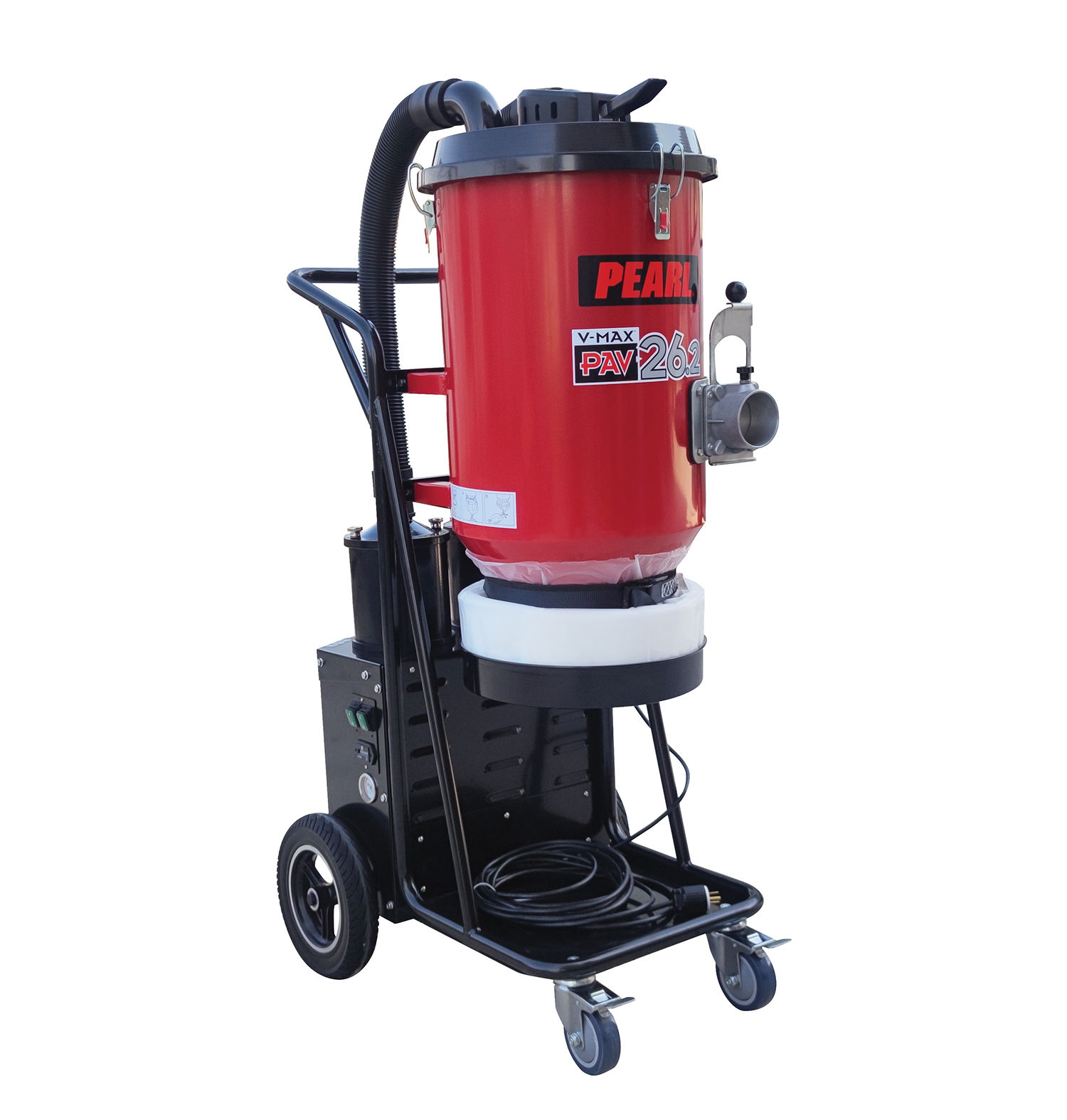
• Fine construction dust, when the vacuum is designed for it
A HEPA vacuum cleaner can reduce the amount of dust that returns to the air during cleaning. This may make a noticeable difference for people who sneeze, cough, or experience itchy eyes around dust.
Still, a HEPA filter does not remove every type of indoor pollution. It does not reliably remove gases, odors, or chemical vapors. Those problems require other methods, such as ventilation or activated carbon filtration.
A HEPA vacuum also does not sterilize a surface. It removes particles by collecting them. It should not replace proper cleaning, moisture control, mold removal, or professional hazardous-material handling.
Benefits of Using a HEPA Vacuum Cleaner
A HEPA vacuum cleaner can be useful in many homes, but its value depends on your needs and the quality of the machine.
Better control of airborne dust
Standard vacuums may collect dirt but release some fine dust through their exhaust. A sealed HEPA model helps trap more of that fine material.
This is helpful when cleaning:
• Carpets that hold deep dust
• Upholstery and mattresses
• Areas with pet hair and dander
• Shelves and vents
• Rooms after light remodeling
• Homes with older flooring or worn rugs
Helpful for allergy-sensitive households
A HEPA vacuum cleaner may reduce exposure to airborne allergens during and after vacuuming. The filter does not cure allergies, but it can support a broader cleaning plan.
For better results, combine vacuuming with:
• Washing bedding each week in hot water when fabric care allows
• Keeping indoor humidity controlled
• Using washable covers for pillows and mattresses
• Grooming pets outdoors when possible
• Cleaning hard surfaces with a damp cloth
Useful for pet owners
Pet hair is easy to see, but dander is much smaller. Dander can cling to carpets, furniture, clothing, and walls. A HEPA vacuum cleaner can capture fine dander after the floor head loosens it.
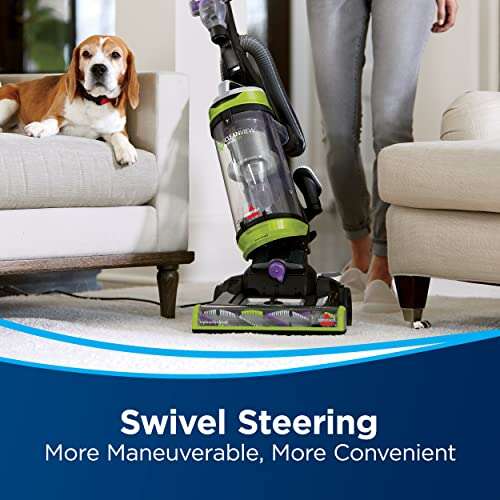
Choose a model with a brush roll, strong agitation, and a sealed bag or bin. A HEPA filter alone will not remove pet hair if the vacuum cannot lift it from the carpet.
Cleaner exhaust air
A quality HEPA vacuum cleaner can make vacuuming more comfortable. You may notice less of the dusty smell that some older vacuums produce.
This benefit depends on correct filter installation and regular care. A clogged filter can reduce airflow, while a damaged seal can allow dust to escape.

Limitations of a HEPA Vacuum Cleaner
HEPA filtration is powerful, but it is not a complete indoor air solution. Knowing its limits helps you avoid unrealistic expectations.
First, the vacuum only captures particles that reach the intake. Dust on high shelves, curtains, ceiling fans, and walls may remain in place unless you clean those areas.
Second, a HEPA filter does not remove carbon monoxide, radon, solvents, or most gaseous odors. These hazards require source control, testing, ventilation, or professional help.
Third, some models lose suction as their filters clog. Bagless machines may also release a cloud of dust when you empty the bin. A sealed bagged vacuum often provides cleaner disposal.
Finally, a HEPA vacuum cleaner may cost more than a basic vacuum. Replacement filters and bags add to the long-term cost. For a home without allergy concerns, a standard vacuum may be enough.
HEPA Vacuum Cleaner Compared With a Regular Vacuum
The main difference is the quality and design of the filtration system.
| Feature | HEPA vacuum cleaner | Regular vacuum |
|---|---|---|
| Fine-particle filtration | Usually very high | Varies by model |
| Exhaust control | Often sealed | May have leaks |
| Allergy support | Generally better | Depends on filtration |
| Purchase price | Often higher | Often lower |
| Maintenance cost | Can be higher | Usually lower |
| Best use | Fine dust and sensitive homes | General everyday cleaning |
A regular vacuum is not always poor. Some non-HEPA models have strong filters and good seals. In the same way, not every HEPA-labeled vacuum performs equally well.
The most important factors are real filtration performance, airflow, brush design, seals, ease of maintenance, and how the machine handles dust during emptying.
In my experience testing home cleaning equipment, one common mistake is focusing only on the HEPA label. A vacuum with a certified filter but weak airflow may clean worse than a well-designed model with strong suction and a good multi-stage system.
Where Should You Use a HEPA Vacuum Cleaner?
A HEPA vacuum cleaner can work on many surfaces, but the right attachment matters.
Carpets and rugs
Use a powered brush roll to loosen dust, hair, and dander. Move slowly in two directions. Fast passes may pick up visible debris but leave fine dust deep in the fibers.
Hard floors
Use a soft floor head or turn off the brush roll if the manufacturer recommends it. A hard floor tool helps prevent scratches and reduces the chance of scattering debris.
Upholstery and mattresses
Use a small upholstery tool. Avoid pressing too hard, since this can restrict airflow and reduce cleaning performance.
Stairs
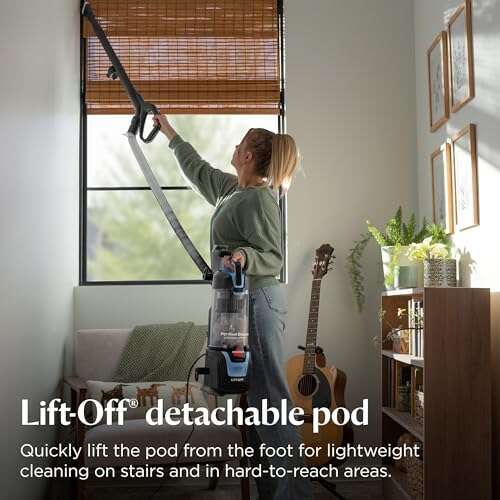
A lightweight canister or handheld attachment may be safer than carrying a heavy upright vacuum. Clean from the top step downward when possible.
Fine renovation dust
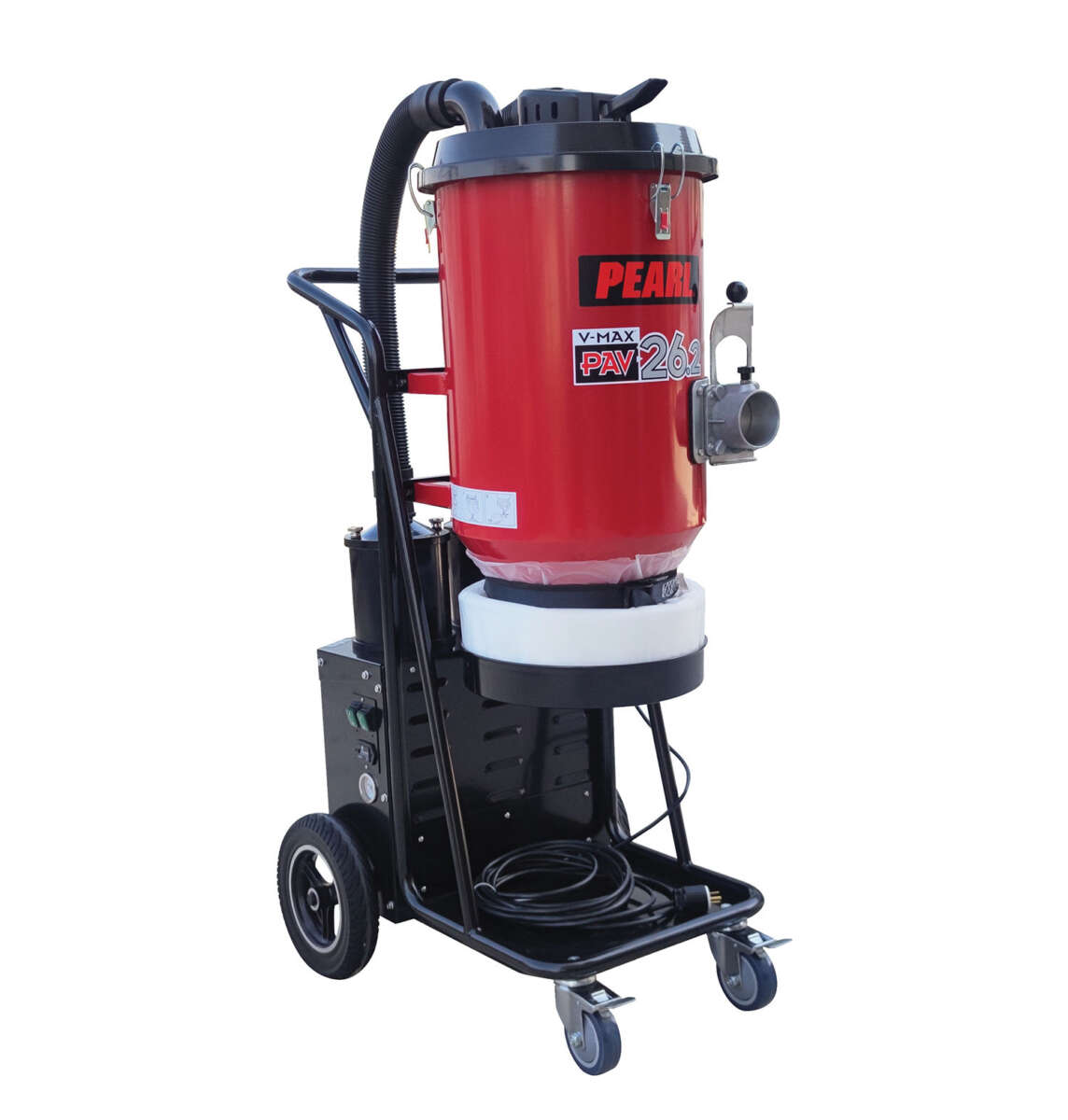
Use a vacuum designed for fine dust or construction work. Drywall dust, concrete dust, and sawdust can quickly clog a household machine. Some materials also require specialized equipment and protective procedures.
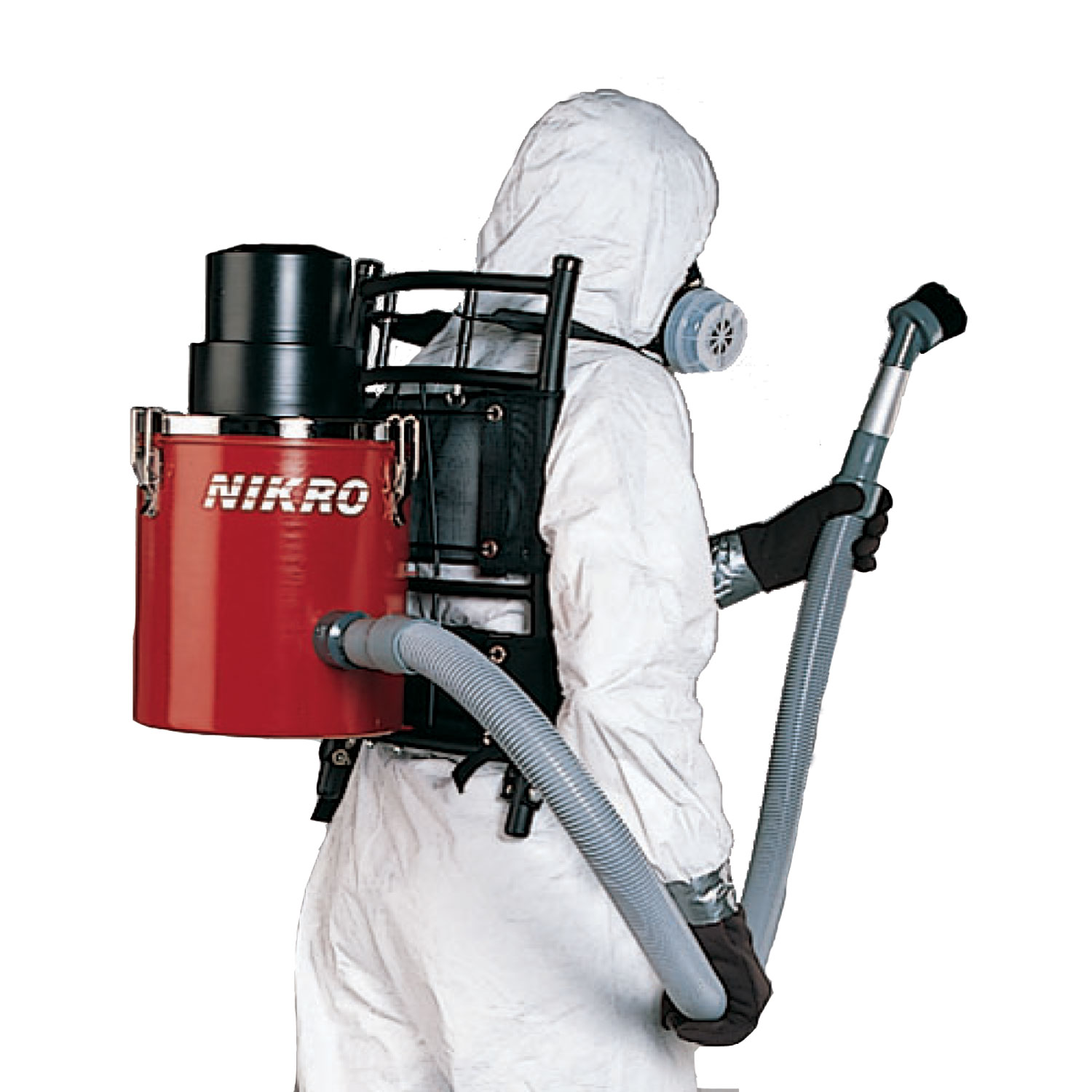
Never use a household HEPA vacuum for asbestos, lead paint dust, or other hazardous materials unless the machine and work process are specifically approved for that purpose.
How to Choose the Best HEPA Vacuum Cleaner
Start with your home, not the marketing label. Think about your floor type, pets, allergies, storage space, and cleaning habits.
Look for these features:
• Certified or true HEPA filtration
• A sealed airflow system
• Strong airflow and useful suction
• A brush roll for carpet and pet hair
• A soft floor tool for hard surfaces
• A sealed bag or low-dust dust-bin design
• Easy filter and bag replacement
• Clear maintenance instructions
• A long enough cord or reliable battery
• A warranty from a reputable manufacturer
Bagged or bagless?
A bagged HEPA vacuum cleaner often keeps dust contained during disposal. This can be a strong choice for allergy-sensitive users.
A bagless model avoids replacement bags and lets you see the collected dirt. However, emptying the bin may release dust unless you do it outdoors and follow the manufacturer’s instructions.
Upright, canister, stick, or robot?
• Upright vacuums work well for large carpeted areas.
• Canister vacuums often offer flexible tools and strong hard-floor cleaning.
• Stick vacuums are light and convenient for quick jobs.
• Robot vacuums can maintain floors between deeper cleanings.
A robot vacuum with HEPA filtration may help reduce daily dust, but it usually cannot replace a full-size vacuum for stairs, upholstery, corners, and deep carpet cleaning.
How to Maintain a HEPA Vacuum Cleaner
Good maintenance protects filtration and keeps suction strong.
- Replace disposable bags before they become completely full.
- Empty a bagless bin outdoors when possible.
- Check the hose and floor head for blockages.
- Wash only filters labeled as washable.
- Replace non-washable HEPA filters on schedule.
- Inspect seals for cracks, gaps, or loose fittings.
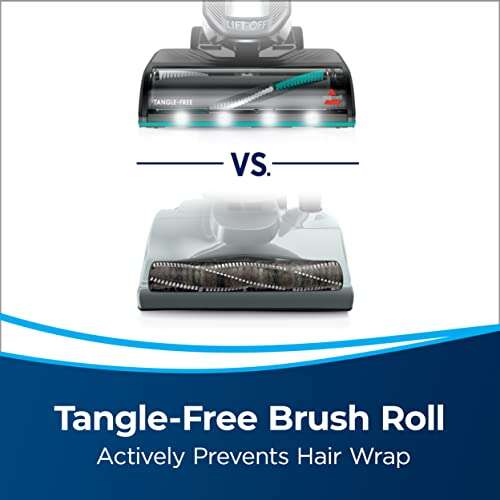
- Remove hair from the brush roll.
- Let washable parts dry fully before reinstalling them.
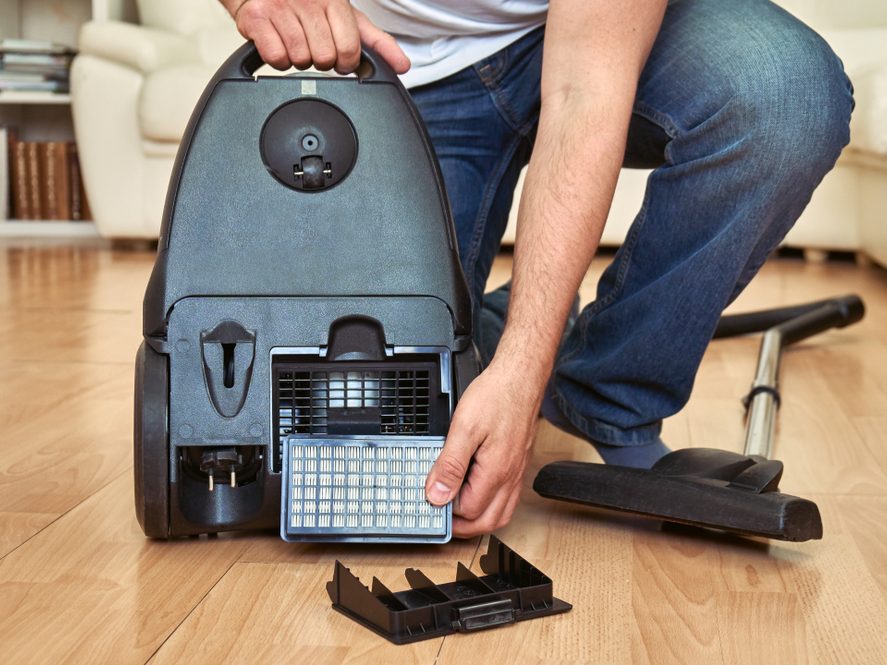
Never wash a filter unless the manual says it is washable. Water can damage some filter materials and may create mold if the filter is put back while damp.
One lesson I learned early is that a clogged pre-filter can make a powerful vacuum feel broken. Before assuming the motor has failed, check the bag, bin, hose, brush roll, and pre-filter. A few minutes of basic care can restore performance.
Common Mistakes to Avoid
Even a good HEPA vacuum cleaner can perform poorly when used the wrong way.
• Vacuuming too fast over heavily soiled carpet
• Ignoring a full bag or clogged bin
• Using the wrong floor attachment
• Emptying a dusty bin indoors
• Installing an unofficial replacement filter that fits poorly
• Running a wet vacuum on dry-only equipment
• Using a household machine for hazardous dust
• Assuming the vacuum removes odors and chemical gases
• Forgetting to clean edges, stairs, and upholstery
Use slow, steady passes and follow the care instructions. If your household has a person with severe asthma or a serious allergy, consider cleaning when that person is away from the room.
A vacuum can also stir up dust before it captures it. Good ventilation, a mask during dusty tasks, and damp dusting can make the cleaning process more comfortable.
Frequently Asked Questions About What Is a HEPA Vacuum Cleaner
Is a HEPA vacuum cleaner worth it?
A HEPA vacuum cleaner may be worth the cost if you have allergies, asthma, pets, carpets, or a need to control fine dust. For light cleaning in a small home, a lower-cost vacuum with good filtration may be enough.
Does a HEPA vacuum remove viruses?
A HEPA filter can capture many particles that are similar in size to some virus-containing aerosols. However, a household vacuum is not a medical sterilization device, and performance depends on the complete sealed system, airflow, and proper use.
Is a HEPA vacuum better for pet hair?
It can be better for pet dander and fine particles, but the HEPA filter does not lift hair by itself. Choose a model with strong agitation, a powered brush roll, and tools made for upholstery and carpets.
How often should I replace a HEPA filter?
Replacement timing depends on the model, how often you vacuum, and the amount of dust it collects. Follow the manufacturer’s schedule, and replace the filter sooner if it is damaged, smells musty, or causes a clear drop in airflow.
Can I use a HEPA vacuum for mold?
A HEPA vacuum can collect settled mold particles during suitable cleaning work, but it does not solve the moisture problem that caused the mold. Large mold growth, contaminated materials, and hidden moisture may require trained remediation professionals.
Are all HEPA vacuum cleaners sealed?
No. Some vacuums use a HEPA filter but allow air to leak around the filter, dust bin, hose, or exhaust. Look for a sealed-system claim and clear filtration testing information.
Conclusion
A HEPA vacuum cleaner is designed to capture very fine particles and release cleaner exhaust air than many basic vacuums. The best results come from a complete system with a certified HEPA filter, strong airflow, tight seals, suitable floor tools, and regular maintenance.
Choose a model based on your floors, pets, allergies, and cleaning needs. Check the full filtration design rather than trusting the word “HEPA” alone. With the right machine and careful use, you can make routine cleaning more effective and reduce the fine dust that lingers in your home. Explore reliable models, compare replacement costs, and share your own vacuum-cleaning experience in the comments.

Liora Pennings is a seasoned chef and kitchen enthusiast with a passion for turning everyday cooking into an effortless experience. With years of hands-on culinary expertise, she specializes in practical techniques, ingredient know-how, and smart kitchen solutions that help home cooks elevate their meals. At KitchFlair.com, Liora shares her best tips, time-saving tricks, and honest product reviews to guide readers toward a more efficient, enjoyable, and inspired cooking routine. Whether you’re a beginner or a seasoned home chef, Liora’s friendly, knowledge-packed insights make every visit to the kitchen a little easier—and a lot more delicious.