How To Open The Dyson Vacuum Cleaner: Simple Guide
To open a Dyson vacuum cleaner, unplug it, remove the bin, and release only the parts designed for user access.
Learning how to open the Dyson vacuum cleaner safely depends on the model and the part you need to reach. Dyson cordless, upright, canister, and wet vacuum models use different locks and release buttons. This guide explains the safe method, common mistakes, useful tools, and clear limits so you can clean or inspect your vacuum without causing damage.
Before You Open a Dyson Vacuum Cleaner
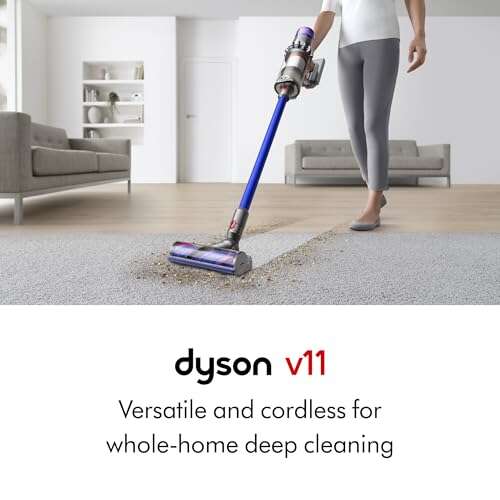
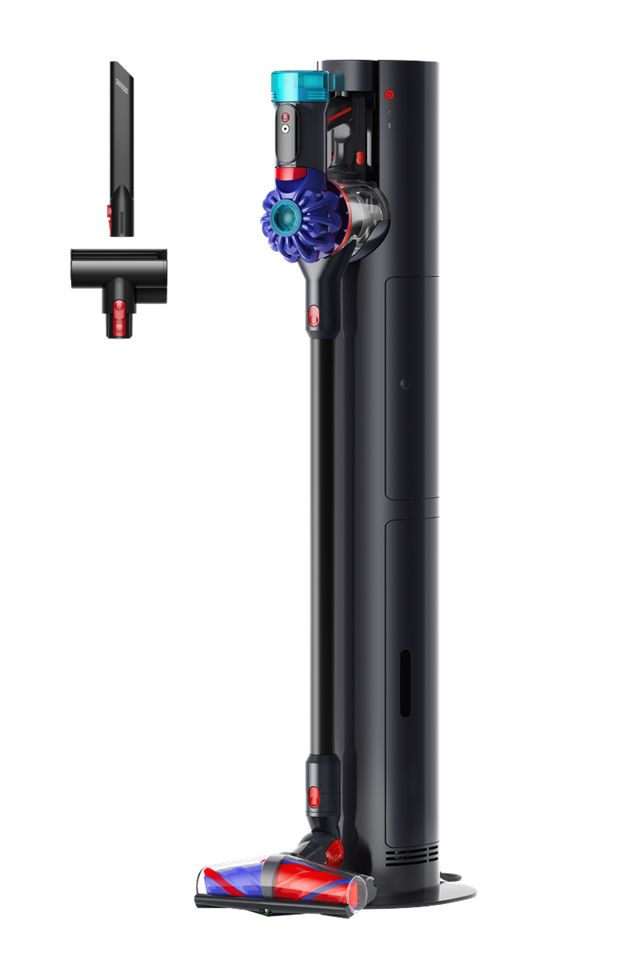
The first step in learning how to open the Dyson vacuum cleaner is to identify the model. Look for the model name on the handle, battery, cleaner head, or rating label. Common examples include the Dyson V8, V10, V11, V12, V15, Ball Animal, and Big Ball series.
Dyson designs many parts for regular care. These may include the dust bin, filters, brush bar, hose, wand, and cleaner head. However, the motor housing and battery pack are not always meant for casual removal.
Before starting, prepare a clean, bright work area. A white towel or tray can help you spot small screws, clips, and seals.
Follow these safety steps:
• Turn the vacuum off.
• Unplug corded models from the wall.
• Remove the battery from compatible cordless models when possible.
• Let the vacuum cool if it has run recently.
• Empty the dust bin before opening other parts.
• Keep water away from the motor, battery, and electrical contacts.
• Read the model-specific care instructions before removing screws.
Tools You May Need
Most routine Dyson cleaning tasks need no tools. The dust bin, filters, wand, hose, and brush bar often use buttons or quarter-turn locks. For deeper work, you may need a few basic tools.
Useful items include:
• A soft, dry cloth
• A soft brush or old toothbrush
• A small flat tool for lifting hair, used with care
• A coin for some brush-bar locks
• A Phillips screwdriver
• A Torx screwdriver set for select Dyson models
• A small container for screws
Avoid sharp knives and metal picks. They can cut rubber seals, scratch plastic, or damage wires. A blunt plastic tool is safer for lifting packed dust from tight areas.
One practical lesson from working with vacuum cleaners is to take a photo before removing a complex part. The photo acts like a map when you put the vacuum back together.
How to Open the Dyson Vacuum Cleaner for Routine Cleaning
For most owners, opening the vacuum means reaching the bin, filters, brush bar, or cleaner head. These parts are made for routine care and should be opened first.
Remove the Wand
On many Dyson cordless models, press the red wand release button where the wand meets the main body. Pull the wand straight away from the vacuum.
To remove the wand from the cleaner head, press the release button near the connection point. Do not twist hard. If the wand does not release, check whether the button is fully pressed.
Remove the Dust Bin
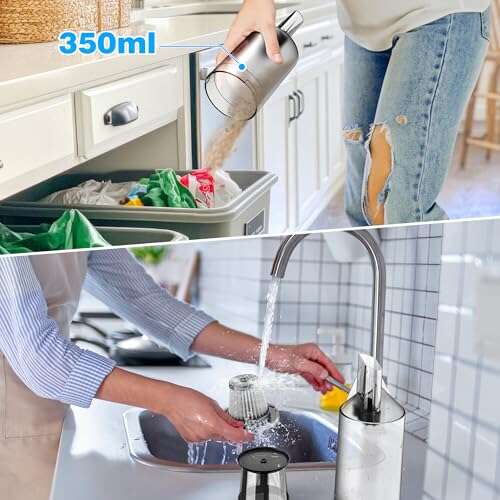
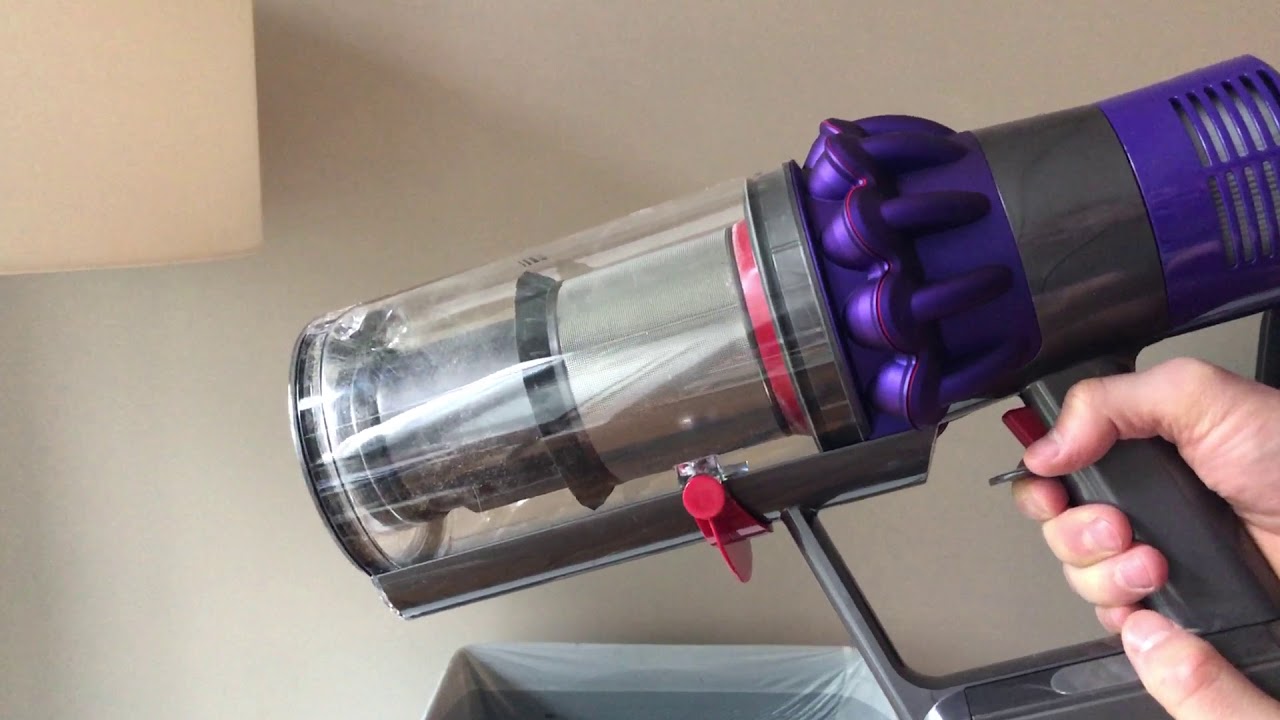
Point the bin over a trash can. Press the bin release button or slider, depending on the model. The bin should open at the bottom and release dust.
Some Dyson models allow the bin to slide off the main body after pressing a second red release. Move it slowly. Dust can collect around the track and make the bin feel stuck.
Wipe the bin with a dry or slightly damp cloth. Do not submerge the bin unless the manual for your exact model says it is washable. Water inside the cyclone area can reach sensitive parts and may cause lasting damage.
Remove the Filters
Most cordless Dyson vacuums have at least one washable filter. Some have a rear filter and a filter near the cyclone or motor area.
Turn the filter counterclockwise, then lift it out. A filter that will not move may need a firm, even grip. Do not use pliers, as they can crush the plastic.
Rinse washable filters with cold water only. Do not use soap unless Dyson specifically allows it. Shake out excess water and let the filter dry in a warm, ventilated place for at least 24 hours. Never reinstall a damp filter.
Open the Cleaner Head
Turn the cleaner head over. Look for a lock, coin slot, or release button near the brush bar. Turn the lock to the open position, then slide or lift out the brush bar.
Remove hair, thread, and pet fur from the brush bar. Check the end caps as well. Hair often hides under these caps and can increase resistance.
Do not run the vacuum with the brush bar removed unless the manual says it is safe. Some cleaner heads use electrical contacts that should remain dry and aligned.
How to Open the Dyson V-Series Cordless Vacuum
The Dyson V-series includes models such as the V6, V7, V8, V10, V11, V12, and V15. Their release systems look similar, but they are not identical. This is why learning how to open the Dyson vacuum cleaner by model matters.
Dyson V6, V7, and V8
For these models, the bin usually opens by pulling the red bin release. On some versions, a second release lets the clear bin slide away from the cyclone.
The washable filter may sit on top of the motor. Pull it straight up. A second filter can sit behind the motor and may twist out from the rear.
The brush bar usually has a coin-operated lock. Turn it counterclockwise, then remove the brush bar from the side of the cleaner head.
Dyson V10 and V11
The V10 and V11 often use a sliding bin release. Move the red lever down to open the bin. Continue the release motion only if you need to remove the bin from the main unit.
The rear filter commonly twists counterclockwise. The filter near the cyclone may also use a twist-lock design. Check the filter symbols before turning.
Some V11 versions include a display and a removable battery. If you need to work near the battery, remove it only when the battery design and model instructions support removal.
Dyson V12 and V15
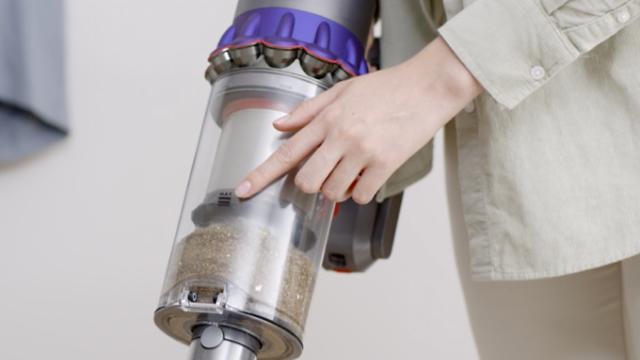
The V12 and V15 use a compact bin and a dust-release slider. Slide the release forward over the trash can. Keep your face away from the bin because fine dust may rise as it opens.
These models may include a particle sensor and advanced cleaner head. Do not pull on sensor wires or force the head apart. Routine user cleaning should focus on the bin, filters, brush bar, and blockages.
A useful rule is simple: if a part has no clear release button, arrow, or twist symbol, stop and check the manual before forcing it.

How to Open a Dyson Upright Vacuum
Dyson upright models, including Ball and Animal versions, have a larger body than cordless models. Users can normally access the hose, wand, bin, filters, and brush bar without opening the motor casing.
Start by unplugging the vacuum. Press the wand or hose release button and pull the hose away from the connection point. Inspect the hose for socks, paper, toys, and compacted hair.
To remove the clear bin, press the bin release button and lift it from the machine. Empty the bin and wipe it with a dry cloth. Keep the cyclone assembly dry unless the model guide clearly states that washing is allowed.
The filter location differs by model. One filter may sit near the ball or lower body, while another may sit near the top of the cyclone. Look for a filter cap with a turn symbol.
For the cleaner head, recline the vacuum and turn it over. Some upright brush bars have a lock that opens with a coin. Others require access through a small cover. Remove only the cover that matches the instructions for your model.
Do not lay a full upright vacuum on a wet floor. Water can run into the motor or electrical area. Place a towel under the machine instead.
How to Open a Dyson Canister Vacuum
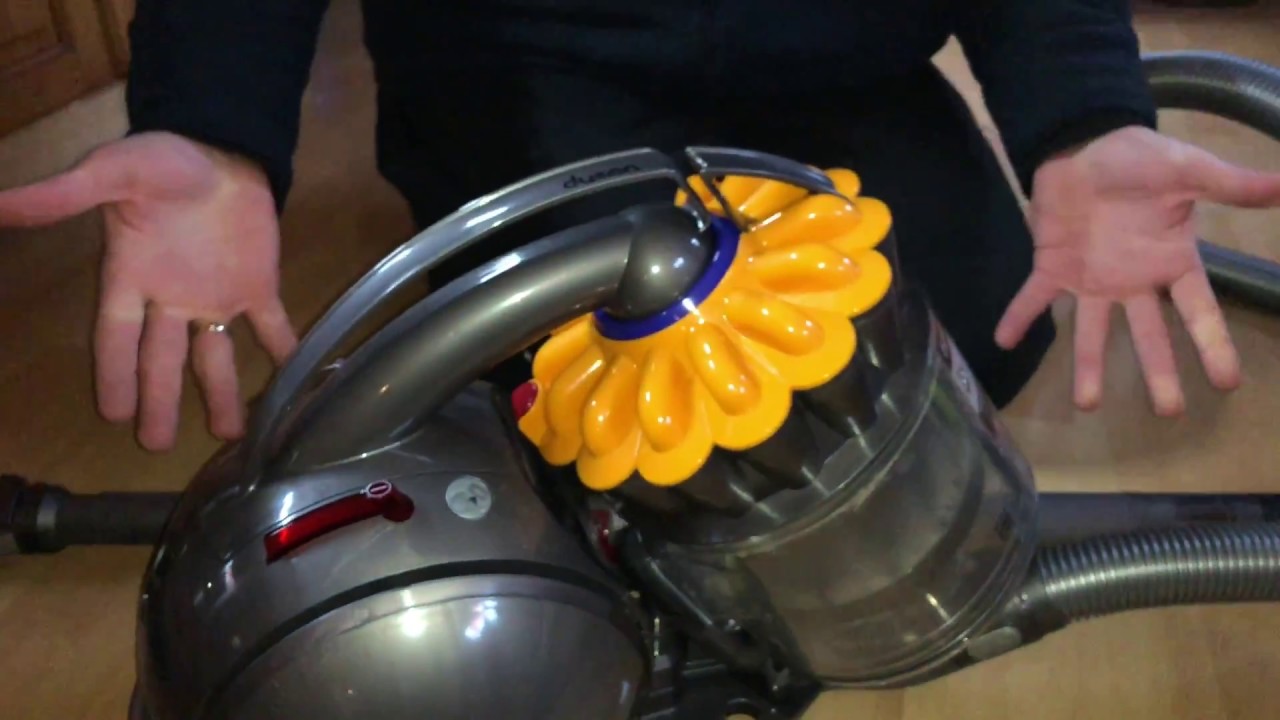
Dyson canister models, such as Big Ball designs, usually allow access to the bin, filters, hose, wand, and cleaner head. Their round body can make the release buttons harder to see at first.
Disconnect the hose by pressing the release button at the canister connection. Pull the hose straight out. Do not yank the flexible hose, since its inner ribs can stretch or split.
Open the bin according to the release mark. Empty it before removing filters. If dust has packed around the cyclone, use a dry brush instead of water.
Many canister vacuums have a washable pre-motor filter and a post-motor filter. Remove each filter with its designed twist or pull action. Mark their positions with a quick phone photo if you are unsure which filter goes where.
The cleaner head may have a brush-bar lock on its underside. Remove hair from the roller and inspect the end bearings. A roller that feels rough or does not spin freely may need replacement rather than more cleaning.
How to Open the Dyson Vacuum Cleaner for a Blockage
A blockage can cause weak suction, a pulsing motor, or a warning light. To find it, open the Dyson vacuum cleaner in sections rather than dismantling the whole machine.
Use this order:
-
Remove the wand and look through it toward a light.
-
Check the hose from both ends.
-
Inspect the cleaner head and brush bar.
-
Empty the dust bin.
-
Check the inlet near the cyclone.
-
Inspect the filter only after the airflow path is clear.
A broom handle can help push a soft blockage from a wand, but use care. Never force a hard object through the tube. It may puncture the wand or damage a hidden seal.
For a hose blockage, gently bend the hose while looking for a crushed area. If the hose has split, tape may provide only a short-term fix. A replacement hose is usually safer and restores the correct seal.
A blockage in the cleaner head can stop the brush bar. Remove hair with scissors, keeping the blades away from the belt and wires. If the motor still pulses after cleaning, the cause may be a clogged filter, overheating, battery trouble, or an internal fault.

How to Open the Dyson Vacuum Cleaner Without Breaking Clips
Plastic clips can look simple, but they are easy to break when pulled from the wrong direction. Before opening the Dyson vacuum cleaner, search for release symbols, red buttons, seams, and small access covers.
Use these habits:
• Press the release button fully before pulling.
• Pull in the direction of the part’s track.
• Apply equal pressure on both sides.
• Stop if the plastic begins to bend.
• Use a plastic pry tool only at a clear seam.
• Keep screws in order if you remove them.
Do not use force to separate the cyclone from the motor body. Internal parts may include seals, wires, sensors, and small clips that are not designed for frequent service.
One mistake I often see is pulling the clear bin outward before moving the release slider far enough. This places stress on the bin rail. Move the slider through its full range, then lift or slide the bin as directed.
Another common mistake is twisting a filter the wrong way. Look for the lock and unlock marks. If the filter feels unusually tight, clean dust from the joint and try again with dry hands.
What Not to Open on a Dyson Vacuum
Routine maintenance does not require opening every part of the vacuum. The motor, circuit board, battery cells, and sealed cyclone assembly can create safety and repair risks.
Avoid opening the following parts unless you have the correct technical training and model instructions:
• The battery casing
• The motor housing
• The charging circuit
• The electronic display
• Sealed cyclone chambers
• Internal wiring compartments
A damaged lithium-ion battery can become hot, swell, smoke, or catch fire. Do not puncture, crush, short, or disassemble it. If the battery is swollen or smells unusual, stop using the vacuum and follow local battery disposal guidance.
Opening the motor housing may also affect warranty coverage. Warranty terms vary by region and model, so check the current documentation before removing factory screws.
Contact an authorized repair service if the vacuum smells of burning, sparks, shocks you, overheats quickly, or makes a grinding sound after basic cleaning.
Cleaning and Reassembling the Vacuum
After you open the Dyson vacuum cleaner, clean each part before reassembly. Use a dry cloth on electrical contacts. Keep dust away from the charging port and battery terminals.
Allow every washable part to dry fully. A filter may feel dry on the outside while holding water inside. Reinstalling it too soon can restrict airflow and may damage the motor.
Reassemble the vacuum in this order:
-
Install the dry filters.
-
Refit the dust bin.
-
Attach the wand.
-
Install the brush bar and close its lock.
-
Reconnect the hose or cleaner head.
-
Check that every release button has returned to its normal position.
-
Run the vacuum briefly and listen for unusual sounds.
The bin should click or seat firmly. The filter should not wobble. The cleaner head should connect without a large gap.
If suction is still weak, do not assume the motor has failed. Check for a hidden blockage, a dirty filter, a poor seal, or a brush bar that is not spinning.
Troubleshooting After Opening a Dyson Vacuum Cleaner
Knowing how to open the Dyson vacuum cleaner is useful, but correct diagnosis matters just as much. The symptom often points to the part that needs attention.
The Vacuum Pulses
Pulsing often indicates restricted airflow. Check the bin, wand, hose, cleaner head, and filters. Let the machine cool before testing it again.
The Vacuum Will Not Start
Check the battery charge, charger, power switch, and filter installation. A cordless model may also stop if the battery is too hot or too cold.
The Brush Bar Does Not Spin
Remove hair and thread from the roller. Check that the cleaner head is fully attached and that the brush-bar lock is closed.
Dust Escapes Around the Bin
Inspect the bin seal and cyclone connection. A cracked bin, displaced gasket, or poorly seated filter can allow dust to leak.
The Vacuum Smells Musty
A damp filter is a common cause. Remove it, wash it according to the model instructions, and let it dry completely before use.
The Vacuum Makes a Grinding Sound
Stop using it. A damaged bearing, motor, brush bar, or internal object may be causing the noise. Continued use can turn a small repair into a costly one.
Maintenance Tips to Reduce the Need for Disassembly
Regular care makes it less necessary to open the Dyson vacuum cleaner for major work. Empty the bin before debris reaches the maximum fill line. Overfilling can reduce airflow and spread dust through the cyclone.
Wash washable filters on the schedule listed for your model. Many Dyson guides recommend monthly filter care for frequent use, but the correct interval can vary. Homes with pets, rugs, or renovation dust may need more frequent checks.
Inspect the brush bar every one to two weeks if you have pets. Long hair can wrap around the roller like a rope around a wheel. Early removal takes minutes, while a packed roller can strain the cleaner-head motor.
Keep the vacuum away from water, fireplace ash, wet spills, and fine construction dust unless the model is specifically designed for that material. A standard household vacuum is not a substitute for a wet-dry shop vacuum.
Replace filters and batteries with compatible parts. Poorly fitted parts can reduce airflow, cause leaks, or create electrical problems.
When to Repair or Replace a Dyson Part
Opening the Dyson vacuum cleaner can reveal a simple issue, but not every part is worth repairing. A clogged filter, worn brush bar, damaged hose, or old battery may be replaceable.
Consider a replacement part when:
• The brush bar is cracked.
• The hose has a split.
• The bin seal no longer closes.
• The filter remains deformed after washing.
• The battery has lost most of its run time.
• The charger or cable shows damage.
Use the exact model number when ordering parts. Two Dyson models may look alike but use different filters, batteries, or cleaner heads.
Repair may be the better choice when the vacuum has a strong motor, a sound body, and an otherwise healthy battery. Replacement may make more sense when several major parts have failed or the repair cost approaches that of a newer machine.
Frequently Asked Questions About How to Open the Dyson Vacuum Cleaner
Can I open a Dyson vacuum cleaner without tools?
Yes, many routine parts use release buttons, sliders, or twist locks. You may need a coin or screwdriver for some brush bars and deeper access points.
How do I open the Dyson vacuum cleaner to empty the bin?
Hold the bin over a trash can and press or slide the red bin-release control. The bottom door should open, while some models also allow the clear bin to slide off the main body.
Can I wash the Dyson dust bin?
Usually, you should wipe the dust bin with a dry or slightly damp cloth. Do not soak it unless the instructions for your exact model say it is washable, and never reinstall it while wet.
How do I open the Dyson vacuum cleaner to clean the filter?
Turn the filter counterclockwise or pull it straight out, depending on its location and model. Rinse washable filters with cold water and let them dry fully for at least 24 hours.
Why will my Dyson filter not come out?
Dust may have collected around the filter seal, or the filter may need to turn in the opposite direction. Check the lock symbols and avoid pliers, twisting force, or sharp tools.
Is it safe to open the Dyson battery?
Do not open the battery casing or individual lithium-ion cells. Remove only a battery designed to be user-replaceable, and seek professional help if it is swollen, hot, damaged, or leaking.
Why is my Dyson vacuum pulsing after cleaning?
Pulsing often means airflow is still restricted. Check the wand, hose, cleaner head, bin, and fully dry filters before testing the vacuum again.
Conclusion
Learning how to open the Dyson vacuum cleaner starts with the model number and ends with careful, limited access. Empty the bin, remove washable filters, clear the wand and hose, and clean the brush bar without forcing clips or sealed parts.
Keep water away from electrical areas, let filters dry completely, and treat battery or motor problems as professional repair issues. Take your time, use the correct release points, and your Dyson can often return to strong performance with simple care.
Try these steps on your model, check the official care instructions for any differences, and share your cleaning experience or questions in the comments.

Liora Pennings is a seasoned chef and kitchen enthusiast with a passion for turning everyday cooking into an effortless experience. With years of hands-on culinary expertise, she specializes in practical techniques, ingredient know-how, and smart kitchen solutions that help home cooks elevate their meals. At KitchFlair.com, Liora shares her best tips, time-saving tricks, and honest product reviews to guide readers toward a more efficient, enjoyable, and inspired cooking routine. Whether you’re a beginner or a seasoned home chef, Liora’s friendly, knowledge-packed insights make every visit to the kitchen a little easier—and a lot more delicious.