How To Use Popcorn Maker: Easy Step-By-Step Guide
Add kernels, choose the right setting, vent steam, and stop the machine before the popcorn burns.
Learning how to use popcorn maker equipment is simple once you understand its heat source, kernel limit, and safety rules. Whether you own a hot-air popper or an oil-based electric model, this guide explains each step, common mistakes, cleaning methods, and ways to make crisp, tasty popcorn at home.

What to Know Before You Use a Popcorn Maker
A popcorn maker heats dried corn kernels until the small amount of water inside each kernel turns into steam. Pressure builds inside the hard shell until the kernel pops and becomes fluffy popcorn.


Most home popcorn makers fall into two groups:
• Hot-air popcorn makers use heated air. They need no oil during popping and produce a lighter snack.
• Oil-based popcorn makers heat kernels in a kettle or cooking chamber. They often create a richer taste and more even coating.
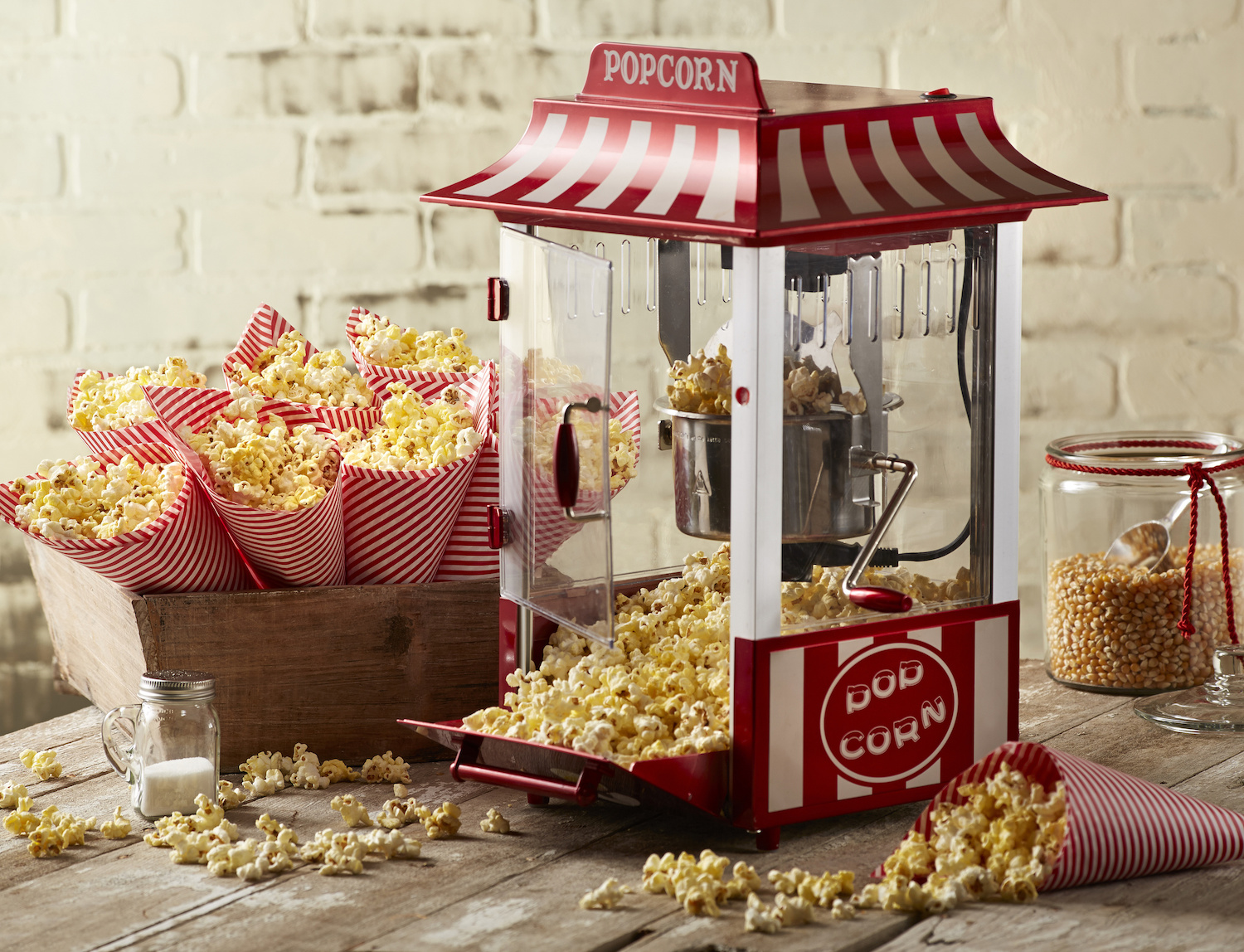
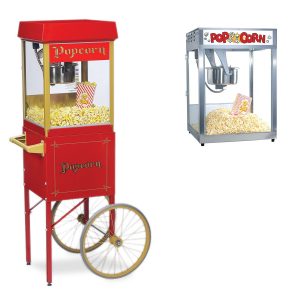
• Theater-style popcorn machines may include a kettle, stirring system, warming deck, and oil dispenser. These need more cleaning and careful heat control.
Before learning how to use popcorn maker equipment, read the manual. Models vary in wattage, kernel capacity, oil limits, and automatic shutoff features. The manual is the best source for details about your exact machine.
Check these parts before every use:
• The popping chamber or kettle
• The lid and measuring cup
• The power cord and plug
• The chute or serving area
• The stirrer, if your model has one


Never use a popcorn maker with a cracked bowl, loose wire, damaged plug, or missing lid. A small defect can create a burn, electrical, or fire risk.

How to Use a Hot-Air Popcorn Maker
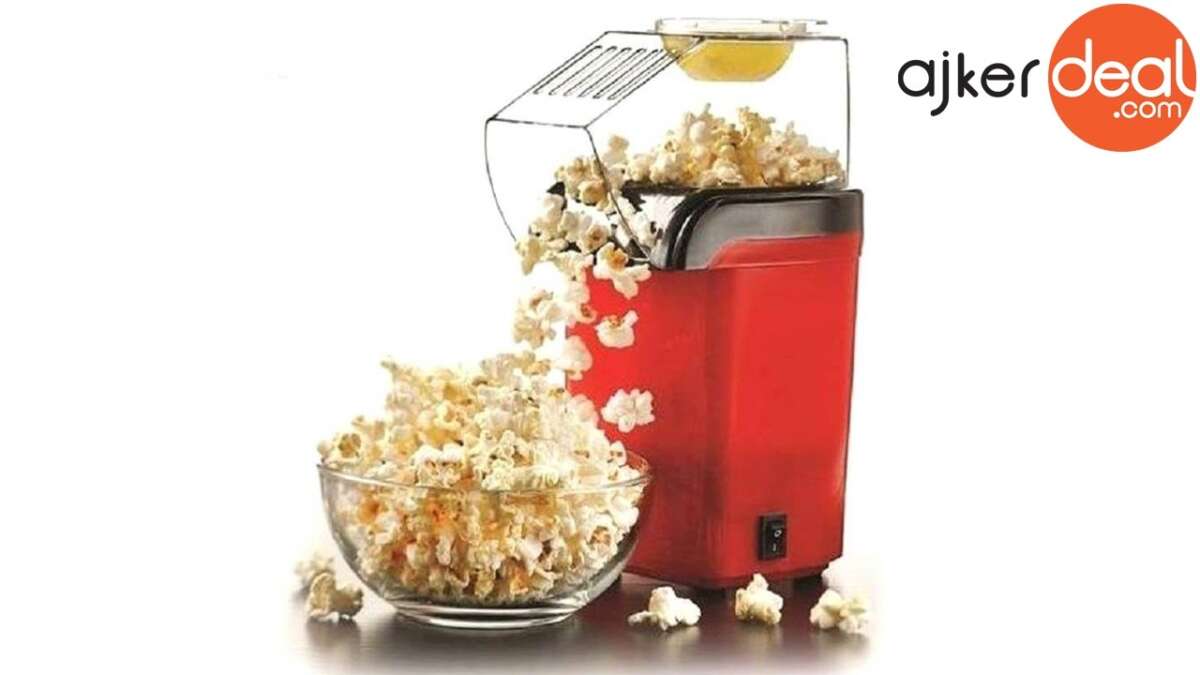
Hot-air poppers are among the easiest machines to operate. They use a stream of hot air to pop kernels without oil. This makes them useful for quick snacks and for people who want to control the amount of fat and salt.
Follow these steps when learning how to use popcorn maker equipment with hot air:
-
Place the machine on a flat, dry, heat-safe surface.
-
Set a large bowl under the chute. Use a bowl that is wide enough to catch popcorn as it comes out.
-
Measure the amount of kernels listed in the manual. Most small models need about one-quarter to one-half cup per batch.
-
Pour the kernels into the popping chamber. Do not add oil, butter, salt, or seasoning to the chamber unless the manual clearly allows it.
-
Put the lid and measuring cup in place.
-
Plug the machine into a grounded outlet.
-
Turn it on and stay nearby while it runs.
-
Wait for the popping sound to slow. When several seconds pass between pops, switch the unit off.
-
Unplug the machine and let it cool before moving or cleaning it.
Hot-air popcorn can spray a little steam through the chute. Keep your face and hands away from the opening. Steam can burn skin, even when the popcorn looks harmless.
Do not pour melted butter into the hot-air chamber. Butter contains water and milk solids, which can damage the machine or create a messy buildup. Melt butter in a separate bowl and drizzle it over the finished popcorn.


How to Use an Oil-Based Popcorn Maker
Oil-based machines use a small amount of cooking oil to transfer heat to the kernels. The oil also helps salt and seasonings stick to the popcorn.
Here is how to use popcorn maker equipment with an oil kettle:
-
Set the machine on a stable surface away from water, paper towels, and loose clothing.
-
Check that the kettle is clean and fully dry.
-
Add the amount of oil listed in the manual. Coconut, canola, avocado, and vegetable oils are common choices, but always follow the model’s instructions.
-
Add the recommended amount of popcorn kernels.
-
Close the kettle lid or secure the cooking cover.
-
Turn on the heat and stirring function, if available.
-
Watch the popcorn as it expands. Do not open the kettle while oil is hot and active.
-
Turn off the kettle when popping slows to a few seconds between pops.
-
Use the kettle release or tipping handle to pour the popcorn into a large bowl.
-
Unplug the machine and allow all hot parts to cool.
Do not fill the kettle to the top. Popcorn expands several times beyond the volume of the raw kernels. Overfilling can block the stirring arm, force popcorn against the lid, and leave many unpopped kernels.
Use only the oil amount stated in the manual. Extra oil does not always improve flavor. It can make popcorn greasy, produce smoke, and leave a stubborn film on the kettle.


How to Use Popcorn Maker Settings Correctly
Some popcorn makers have only one power button. Others include heat controls, stirring settings, timers, or preset programs. The best setting depends on the machine and the quantity of kernels.
When deciding how to use popcorn maker settings, remember these basic rules:
• Use a lower heat setting if the popcorn browns before most kernels pop.
• Use a higher setting only when the manual permits it and the machine fails to pop enough kernels.
• Use the stirring function when the model includes one. It helps spread heat and lowers the chance of scorching.
• Do not restart a hot machine right away. Let it cool if the manual recommends a rest period.
• Stop the machine when popping slows. Waiting for every kernel to pop often burns the first batch.
The sound of popping is a better guide than the clock. Kernel size, room temperature, oil type, and batch size can all change the cooking time.
In my own kitchen testing, the most useful habit is listening closely during the final stage. The gap between pops grows quickly. Turning the machine off at that point gives a better result than chasing the last few kernels.

Choosing the Right Popcorn Kernels
Fresh kernels usually pop better than old, dry kernels. Each kernel needs enough moisture inside to create steam. If the kernel has lost too much moisture, it may heat without enough pressure to pop.
You can use several common types:
• Yellow kernels often create large, classic popcorn.
• White kernels tend to produce smaller, tender pieces.


• Mushroom kernels form round shapes that work well with caramel or chocolate coatings.
• Butterfly kernels have irregular wings that hold salt and melted butter well.
Store kernels in a sealed container in a cool, dry place. Avoid storing them in an open bag near a stove or in a damp pantry.
If many kernels remain unpopped, check the following:
• The kernels may be old.
• The batch may be too large.
• The machine may not be hot enough.
• The lid or chute may be loose.
• The kernels may not suit the machine.
A few unpopped kernels are normal. Trying to pop every last kernel can burn the popcorn that has already finished.
How Much Popcorn and Oil Should You Use?
The correct amount depends on the model. A small hot-air machine may use one-quarter cup of kernels, while a larger kettle machine may handle more. Never assume that a larger batch will cook better.
Use the measuring cup that comes with the machine when possible. It is usually designed to match the popping chamber.
A simple guide is:
• Use one-quarter cup of kernels for a small snack.
• Use one-third cup for a medium bowl.
• Use one-half cup only if the machine allows it.
For oil-based machines, measure oil with a spoon or cup instead of pouring freely. Too much oil may cause smoke and a heavy texture. Too little oil may lead to uneven heating in some kettle models.
If you are unsure how to use popcorn maker capacity markings, start with the smallest recommended batch. You can increase the amount later after you learn how the machine behaves.

How to Add Butter, Salt, and Seasoning
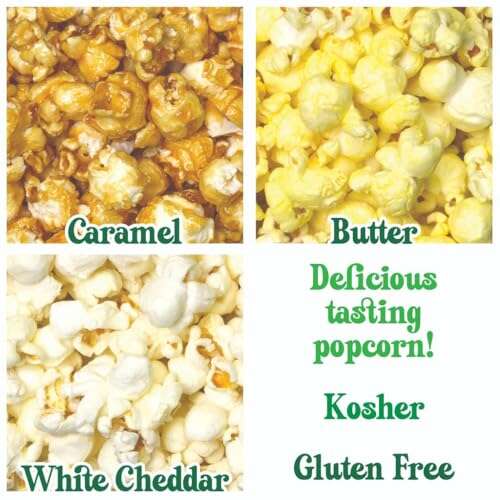
Plain popcorn is only the starting point. You can add butter, salt, nutritional yeast, chili powder, cinnamon sugar, ranch seasoning, or grated cheese powder after popping.
For even flavor:
-
Melt butter in a separate microwave-safe bowl or small saucepan.
-
Pour the popcorn into a large bowl.
-
Drizzle a small amount of butter over the top.
-
Toss the popcorn with clean hands or two large spoons.
-
Add a little seasoning.
-
Repeat in light layers.
This method coats more pieces than adding all the butter at once. It also reduces soggy spots.
Fine salt sticks better than coarse salt. You can grind regular salt in a spice grinder if needed. Add seasoning slowly because it is easy to add more, but impossible to remove excess salt.
Avoid adding wet sauces directly to the machine. Caramel, cheese sauce, hot sauce, and syrup belong on finished popcorn, not inside the popping chamber.
Safety Tips for Using a Popcorn Maker
Knowing how to use popcorn maker equipment also means knowing when to stop. Popcorn makers contain hot air, hot oil, steam, and electrical parts.
Follow these safety practices:
• Keep the machine away from the edge of the counter.
• Keep children and pets away from the hot chute and kettle.
• Do not touch the lid, kettle, or metal surfaces during operation.
• Use oven mitts when the manual recommends them.
• Never pour water into a hot kettle.
• Never leave an oil-based machine unattended.
• Do not cover the air vents.
• Keep the cord away from hot surfaces.
• Unplug the machine before cleaning.
• Do not place the main electrical base in water.
If oil starts smoking heavily, turn off the machine and unplug it if you can do so safely. Do not add water to hot oil. Water can cause hot oil to splatter and spread flames.
Most kitchen safety guidance treats hot oil and electrical appliances as separate hazards. Respect both. A calm shutdown is safer than trying to save a batch of popcorn.

Common Mistakes to Avoid
Even a simple appliance can produce poor results when used incorrectly. These mistakes are common when people first learn how to use popcorn maker equipment.
Adding oil to a hot-air popper
Hot-air models usually need no oil during cooking. Oil can coat the fan, block vents, and create smoke. Add oil after popping instead.
Overfilling the chamber
Too many kernels can prevent proper airflow or stirring. The result may be uneven popcorn and more unpopped kernels.
Opening the lid too soon
Opening the lid while kernels are still popping can release hot steam and send kernels across the counter. Wait until the machine is off.
Running the machine too long
The first popcorn pieces can burn while the last kernels heat. Stop when popping slows instead of waiting for silence.
Using wet kernels or damp seasoning
Moisture on the outside of the kernels can cause splatter and poor texture. Keep the popping chamber dry.
Cleaning while the machine is hot
Hot oil can cause serious burns. Wait until all parts are cool to the touch.
Ignoring unusual sounds
Grinding, sparking, or a strong electrical smell is not normal. Turn off the machine and check the manual or contact the manufacturer.
Cleaning and Maintaining Your Popcorn Maker
Cleaning helps protect the flavor and performance of the machine. Old oil can become sticky or rancid. Salt and seasoning can also attract moisture and corrode some surfaces.
After learning how to use popcorn maker equipment, build cleaning into every session:
-
Unplug the machine.
-
Let it cool fully.
-
Remove the bowl, lid, measuring cup, or kettle parts that the manual identifies as washable.
-
Wipe oil residue with a soft cloth or paper towel.
-
Wash removable parts with warm water and mild dish soap if approved.
-
Dry every part before storage.
-
Wipe the exterior with a damp cloth.
-
Keep air vents free from crumbs and grease.
Never immerse the electrical base, motor housing, plug, or power cord in water. Do not use steel wool or harsh cleaners on coated surfaces.
For an oil kettle, wipe out the old oil rather than pouring it down the sink. Used cooking oil can harden in pipes and cause blockages. Place cooled oil in a sealed container and dispose of it according to local rules.
Troubleshooting Popcorn Problems
Why does the popcorn burn?
The heat may be too high, the batch may be too large, or the machine may have run too long. Use fewer kernels, follow the oil limit, and turn off the machine when popping slows.
Why are many kernels unpopped?
Old kernels may have lost moisture. The machine may also be overloaded or not heating evenly. Try a fresh batch from a sealed package and use the recommended quantity.
Why is the popcorn chewy?
Steam may be trapped in the bowl. Use a wide bowl, leave space for air to escape, and avoid covering the popcorn immediately after it pops.
Why does the machine smoke?
Excess oil, food residue, or blocked vents may cause smoke. Turn the appliance off, unplug it, let it cool, and clean it before using it again.
Why does the popcorn fly out of the chute?
The bowl may be too small, or the machine may be overfilled. Use a larger bowl and reduce the kernel amount.
Why does seasoning fall to the bottom?
The butter or oil may not be spread evenly. Toss the popcorn in small layers and use fine seasoning for better adhesion.
Better Popcorn Maker Results: Practical Tips
Small changes can make a large difference. Use these tips to improve taste and texture:
• Warm the serving bowl with hot water, then dry it before use. This can help keep the popcorn warm.
• Use a large bowl so the popcorn has room to move when you toss it.
• Season in layers rather than adding everything at once.
• Keep a lid or clean towel nearby to reduce countertop mess, but do not seal hot popcorn tightly.
• Test a small batch when using a new kernel brand.
• Write down the amount of kernels, oil, and cooking time that works best for your machine.
• Serve popcorn soon after popping for the best crispness.
• Store leftover popcorn in an airtight container once it has cooled.
One lesson I have learned from repeated batches is that simple popcorn often tastes better than heavily coated popcorn. Good kernels, the right heat, and a light layer of seasoning usually beat a large amount of oil.
How to Use Popcorn Maker Equipment for Different Snacks
Once you understand how to use popcorn maker equipment, you can create more than basic salted popcorn.
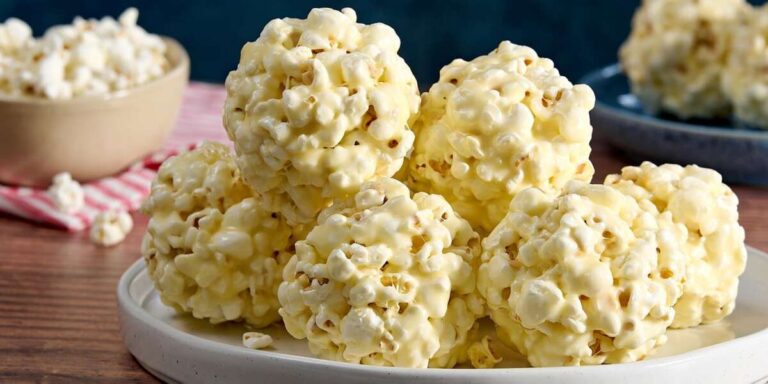
For a sweet snack, let the popcorn cool slightly before adding cinnamon sugar or a light caramel coating. For a savory snack, try smoked paprika, garlic powder, nutritional yeast, or finely grated Parmesan.
For a movie night, prepare separate bowls with different flavors. This lets guests choose without covering the whole batch in one seasoning.
You can also use popcorn as a topping for:
• Tomato soup
• Macaroni and cheese
• Salad
• Trail mix
• Ice cream
• Homemade snack bars
Avoid serving popcorn to very young children because whole popcorn kernels and pieces can be choking hazards. Follow age-based feeding guidance from pediatric health professionals.
Frequently Asked Questions About How to Use Popcorn Maker
Do you put oil in a popcorn maker?
It depends on the model. Hot-air popcorn makers usually do not need oil, while oil-based machines require the amount stated in the manual.
How many kernels should I put in a popcorn maker?
Use the measuring cup or capacity mark supplied with your machine. A small home popper often uses one-quarter to one-half cup, but overfilling can cause burning and poor popping.
Can I put butter in a popcorn maker?
Do not put butter inside a hot-air popper unless the manual specifically permits it. Melt butter separately and pour it over the finished popcorn.
How do I know when a popcorn maker is done?
Turn the machine off when the popping slows to about one pop every two or three seconds. Waiting longer can burn the popcorn that has already popped.
Can I use regular corn in a popcorn maker?
Use dried popcorn kernels labeled for popping. Fresh corn, canned corn, frozen corn, and regular field corn do not work the same way because their moisture and structure differ.
How do I clean a popcorn maker?
Unplug the machine and let it cool completely. Wash only removable parts approved by the manual, and wipe the electrical base with a damp cloth without immersing it in water.
Why does my popcorn maker leave unpopped kernels?
The kernels may be old, the batch may be too large, or the machine may not heat evenly. Try fresh kernels and follow the recommended batch size.
Conclusion
Learning how to use popcorn maker equipment comes down to a few reliable habits: measure the kernels, follow the machine’s oil limits, keep hot-air models free of oil, listen for slow popping, and clean the appliance after it cools.
Choose the right method for your machine, add butter and seasoning after popping, and treat hot oil and steam with care. Try a small batch today, adjust the quantity if needed, and share your favorite popcorn flavor or tip in the comments.

Liora Pennings is a seasoned chef and kitchen enthusiast with a passion for turning everyday cooking into an effortless experience. With years of hands-on culinary expertise, she specializes in practical techniques, ingredient know-how, and smart kitchen solutions that help home cooks elevate their meals. At KitchFlair.com, Liora shares her best tips, time-saving tricks, and honest product reviews to guide readers toward a more efficient, enjoyable, and inspired cooking routine. Whether you’re a beginner or a seasoned home chef, Liora’s friendly, knowledge-packed insights make every visit to the kitchen a little easier—and a lot more delicious.