How To Make Popcorn Machine: Easy DIY Guide
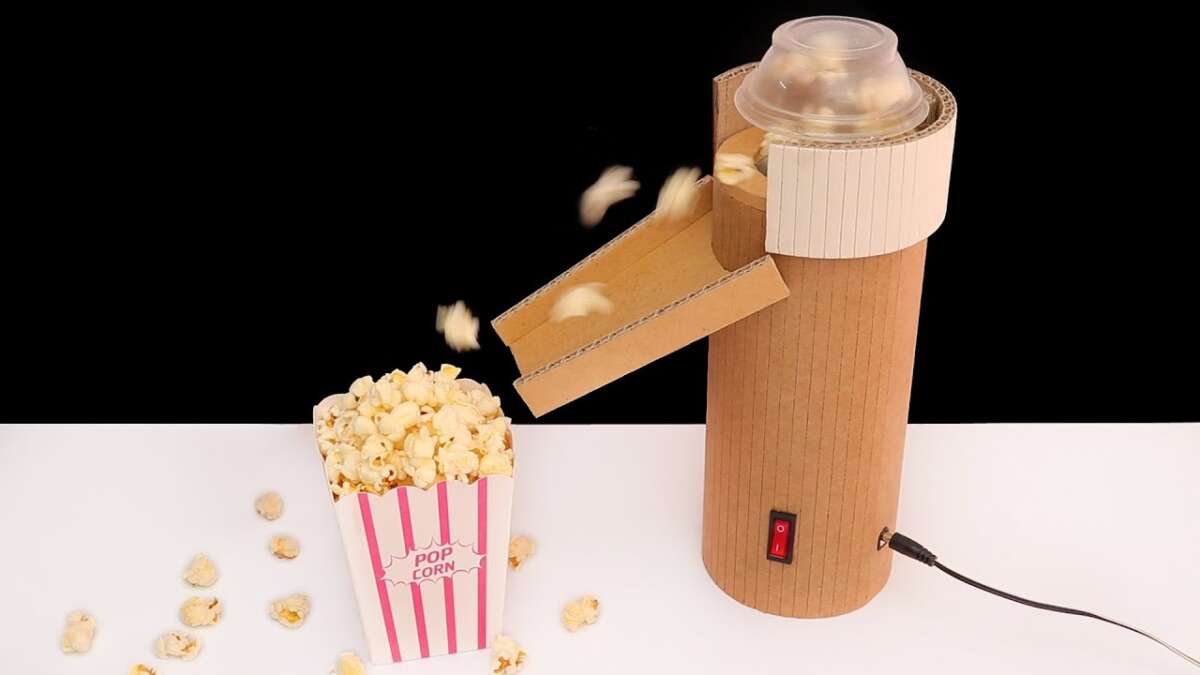
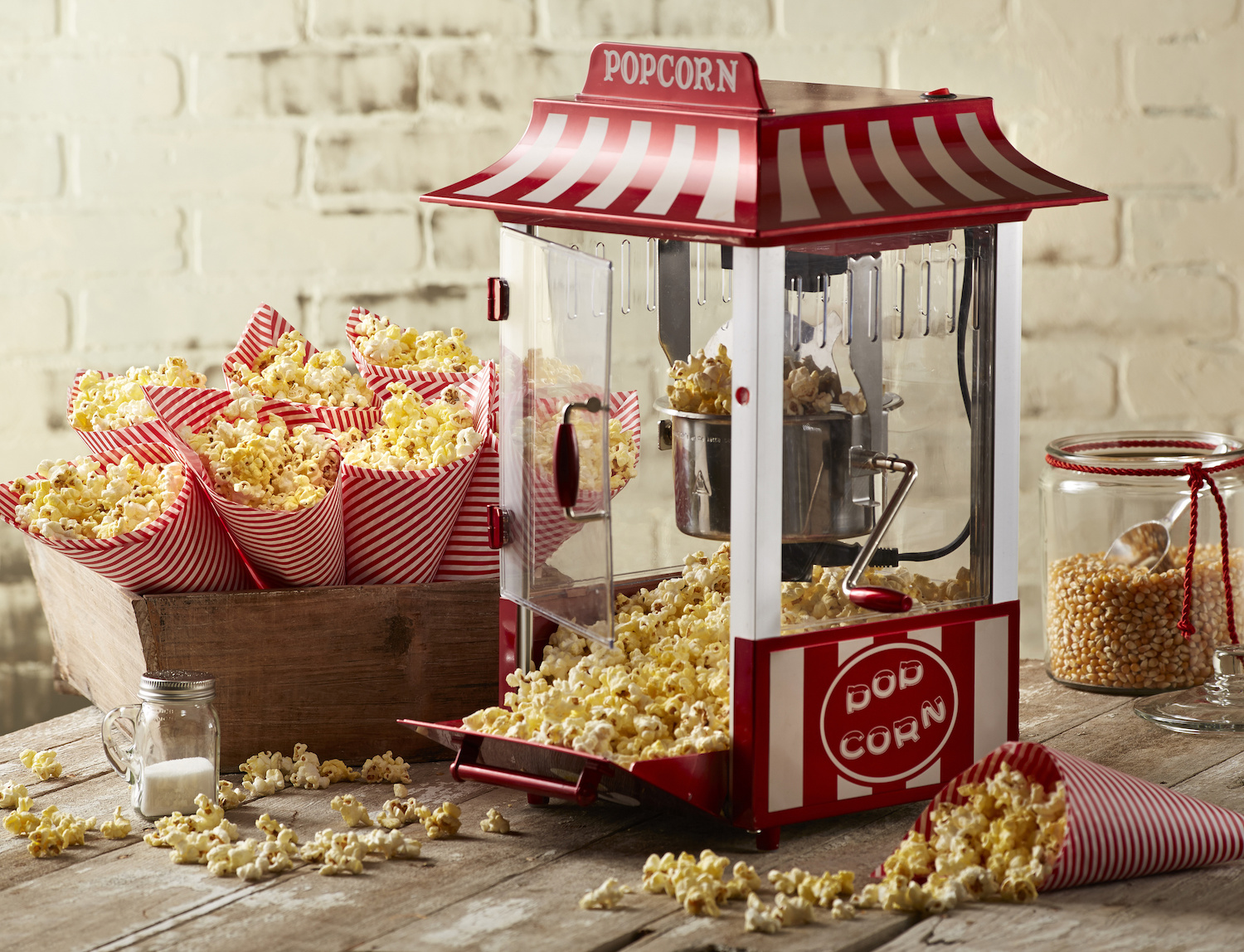
You can make a popcorn machine by placing a safe hot-air popper inside a ventilated, food-safe cabinet.
Learning how to make a popcorn machine is a fun project for movie nights, school events, and small home theaters. The safest approach is to build the outer cabinet yourself while using a tested popcorn maker for heat. This guide explains the design, parts, steps, safety checks, and common mistakes in clear detail.
How to Make a Popcorn Machine Safely
A homemade popcorn machine has three main jobs:
• Heat the kernels to the correct temperature
• Let steam escape
• Catch the popped corn in a clean container
The cabinet is mainly for looks and organization. The heating unit does the real work. For that reason, do not build a homemade electric heater from loose wires, exposed coils, or salvaged appliances.
The best beginner design uses a certified hot-air popper. You place the popper at the bottom of a wooden or plastic cabinet. Popcorn rises through a wide opening and falls into a bowl or serving tray.
This design is safer than copying a commercial kettle machine. Commercial units use special thermostats, heat controls, grounded wiring, and commercial-grade metal parts. A simple home project should avoid changes to those systems.
When learning how to make a popcorn machine, think of the cabinet as a small chimney. It should guide the popcorn upward while allowing hot air and steam to leave freely.

Materials and Tools You Will Need
Gather the parts before you begin. A simple build can cost less than a store-bought display machine, especially if you already have basic tools.
Main parts
• A certified hot-air popcorn popper
• A clean, heat-resistant bowl or stainless steel serving tray
• Food-safe acrylic, polycarbonate, or glass panels
• Plywood or another sturdy cabinet material
• Food-safe silicone sealant
• Small screws and corner brackets
• Rubber feet or a stable base
• A power strip with overload protection, if needed
• A removable back panel for cleaning and service
Choose materials that can handle warmth without melting or releasing strong odors. Avoid thin craft plastic, foam board, painted cardboard, and unknown recycled plastic.
Tools
• Measuring tape
• Pencil and square
• Drill
• Screwdriver
• Fine-tooth saw
• Sandpaper
• Clamps
• Safety glasses
• Dust mask for cutting wood
A clear front panel makes the machine look attractive. However, leave the rear and top areas easy to open. A machine that looks good but cannot be cleaned soon becomes unpleasant to use.
Choosing the Right Popcorn Maker
The appliance is the most important part of the build. Use a new or well-maintained hot-air popper that includes safety instructions and a standard plug.
Look for these features:
• Automatic shutoff or thermal protection
• A stable base
• A wide popcorn outlet
• A removable measuring cup
• Clear instructions for cooking time
• A grounded plug when required by the product design
Do not remove the appliance housing. Do not bypass a fuse, thermostat, switch, or thermal cutoff. Do not connect bare heating elements directly to household power.
A hot-air popper usually works without oil. That makes it easier to clean and reduces the chance of oil collecting near the heater. If you want classic theater-style flavor, add melted butter or seasoning after popping rather than placing it inside the appliance.
One common mistake in how to make a popcorn machine is choosing a very small popper for a large cabinet. The machine may produce popcorn slowly, and the kernels may pile up near the outlet. Match the cabinet size to the popper’s output.

Designing the Popcorn Machine Cabinet
A useful cabinet is tall enough to show the popcorn but open enough to release heat. The exact size depends on the popper and serving bowl.
A practical countertop design may include:
• Width: 12 to 18 inches
• Depth: 10 to 14 inches
• Height: 20 to 30 inches
• Bottom opening: large enough for the popper’s air outlet
• Top vent: a wide opening or screened vent
These are starting points, not strict rules. Measure your appliance first. Leave several inches of space around hot surfaces and air outlets. The appliance manual should always take priority over general measurements.
Recommended cabinet layout
Place the parts in this order:
- Put the popper on the bottom platform.
- Add a removable tray above or in front of the popper.
- Leave a clear path from the popcorn outlet to the serving area.
- Add transparent panels around the display space.
- Install vents near the top and rear.
- Keep the switch and plug easy to reach.
Do not fully seal the cabinet. Steam needs an escape route. If steam stays trapped, it can make popcorn soft and may damage the cabinet over time.
Step-by-Step: How to Make a Popcorn Machine
Follow these steps for a basic countertop model.
1. Measure the appliance
Measure the popper’s width, depth, height, outlet position, and cord location. Write down each measurement before cutting any material.
Add clearance around the appliance. Never force the popper into a tight box. Heat needs space to move away from the motor and housing.
2. Build the base
Cut a strong base panel. Attach rubber feet underneath so air can move below the unit and the cabinet does not slide.
Make sure the base can support the popper, bowl, panels, and any extra decorations. Test it by pressing down gently on each corner.
3. Cut the side and rear panels
Cut two side panels and one rear panel. Use a square to keep each cut straight.
Leave a large rear opening or removable access panel. This helps you reach the plug, clean crumbs, and inspect the appliance without taking the whole machine apart.
4. Create the viewing area
Attach clear panels to the front and sides. Acrylic is light and easy to cut, while polycarbonate is tougher and more resistant to impact.
Do not place clear plastic directly against the hot-air outlet. If the panel becomes warm, move it farther away or use a heat-resistant material recommended by the manufacturer.
5. Add the popcorn chute
A chute can guide popcorn into a bowl, but it must be wide and smooth. Sharp corners can trap kernels and make cleaning difficult.
Use stainless steel, food-safe plastic, or a smooth food-safe funnel. Avoid painted wood inside the food path. Paint may chip, and crumbs can collect along rough surfaces.
6. Install the top vent
Cut a generous opening in the top panel. Cover it with a clean metal mesh if you want to keep dust out.
The vent should not block the popcorn outlet. Hot air and steam must move upward without pressure building inside the cabinet.
7. Mount the serving bowl
Place a removable bowl under the popcorn outlet. Do not permanently glue it in place.
A removable bowl is easier to wash and lets you serve popcorn without touching the inside of the cabinet. Stainless steel is a durable choice, but a certified heat-resistant food container can also work.
8. Test the machine without kernels
Before making popcorn, run the appliance for a short period as allowed by its instructions. Watch for heat buildup, unusual smells, rattling, or blocked airflow.
Unplug the machine if anything seems wrong. A mild “new appliance” smell may occur with some products, but a sharp burning smell is not normal.
9. Test with a small batch
Use a small amount of kernels for the first batch. Keep the cabinet open or partly open during this test.
Watch where the popcorn lands. Adjust the chute or bowl position if kernels hit the walls or fall near the appliance. A few minutes of testing can prevent a messy cleanup later.

Improving Popcorn Quality
A good popcorn machine needs more than a nice cabinet. The kernels, heat, moisture, and serving method all affect the result.
Use fresh popcorn kernels stored in a sealed container. Popcorn kernels need a small amount of internal moisture to create steam. Very old or poorly stored kernels may leave many unpopped pieces.
For better results:
• Follow the popper’s recommended kernel amount
• Do not overfill the popping chamber
• Empty the bowl between batches
• Let steam escape from the serving container
• Add butter after popping
• Add fine seasoning while the popcorn is warm
• Shake the bowl gently to spread flavor
Do not add oil, sugar, butter, or flavor powder to a hot-air popper unless the manufacturer specifically allows it. These ingredients can clog the air path or create smoke.
If you want caramel corn, make the caramel separately. Let it cool to a safe handling temperature, then mix it with the popped corn in a large bowl.
Safety Rules You Should Not Skip
Safety is the most important part of learning how to make a popcorn machine. Heat, electricity, steam, and food create several risks in one small project.
Follow these rules:
• Use only an appliance with an intact cord and plug
• Keep water away from electrical parts
• Plug the unit into a properly installed outlet
• Do not use a damaged extension cord
• Keep vents clear during operation
• Never leave the machine running unattended
• Keep children away from the hot-air outlet
• Unplug the popper before cleaning
• Let the appliance cool fully before storing it
• Do not operate it inside a sealed cabinet
Do not staple or pinch the power cord. Keep it away from sharp edges and hot surfaces. If the cord becomes warm, stop using the machine and inspect the setup.
For a public event, check local electrical, fire, and food-handling rules. A homemade countertop machine may be fine for personal use but unsuitable for a business or crowded venue.

Cleaning and Maintenance
Cleaning keeps the popcorn machine safe and helps prevent stale smells. Popcorn leaves small pieces of hull, dust, and seasoning behind after each batch.
After every use:
- Unplug the popper.
- Let all parts cool.
- Empty the bowl.
- Shake out loose crumbs.
- Wipe the cabinet with a clean, damp cloth.
- Wash the serving bowl with warm, soapy water.
- Dry every part before storage.
Never pour water into the popper. Do not immerse the appliance unless its instructions clearly say that it is washable.
Inspect the air outlet often. A blocked outlet can reduce performance and increase heat around the appliance. If the machine makes a new noise, smells hot, or shuts off too often, stop using it until the problem is found.
In test builds, the most common cleaning mistake is making the food chute too narrow. A wide, removable chute takes a little more space, but it saves time and reduces trapped crumbs.
Common Mistakes to Avoid
Many homemade popcorn machine projects fail because the design focuses on appearance before airflow and cleaning.
Avoid these problems:
• Sealing the cabinet completely
• Using flammable decorations near the outlet
• Placing plastic against a hot surface
• Making the chute too narrow
• Gluing the serving bowl in place
• Hiding the power switch
• Overfilling the popper
• Using oil in a hot-air machine
• Leaving the machine plugged in after use
• Building a heater from loose electrical parts
Another mistake is adding fabric curtains, paper trim, or foam lettering near the hot-air outlet. These materials may look festive, but they can soften, scorch, or collect grease.
If you want a vintage look, use cool, decorative panels outside the hot zone. Keep the area around the appliance plain, open, and easy to inspect.
Alternative Popcorn Machine Designs
A hot-air popper is the simplest choice, but other designs may suit different users.
Stovetop kettle design
A stovetop kettle uses a metal pot with a lid and a crank or stirring handle. It can produce rich popcorn, but it needs direct supervision and a heat-safe surface.
This design is not ideal for a sealed display cabinet. Hot oil and steam create extra risks, so use it only on a suitable stove or burner.
Commercial countertop kettle
A small commercial kettle machine can be placed inside a decorative stand. This gives a traditional movie-theater look and may produce more popcorn.
However, it costs more and needs careful cleaning. Follow the manufacturer’s instructions for oil, temperature, ventilation, and electrical use.
Manual hand-crank popper
A hand-crank popper has a metal container and a stirring mechanism. It works over a stove or campfire, depending on the model.
It is portable, but it does not create the same enclosed display effect as an electric popcorn machine.
Cost and Time Estimate
The cost depends on the cabinet material and the appliance you choose. A basic DIY popcorn machine may include these expenses:
• Hot-air popper: about $20 to $60
• Cabinet materials: about $25 to $100
• Clear panels: about $15 to $60
• Bowl and hardware: about $15 to $40
• Tools: free to more than $100, depending on what you own
A simple build may take two to five hours. A detailed theater-style cabinet can take a full weekend.
The cabinet does not need to be expensive. A clean design with good airflow will work better than an elaborate design with too many decorations. Spend more on safe electrical equipment and durable food-contact parts.
Frequently Asked Questions About How to Make Popcorn Machine
Can I make a popcorn machine without electricity?
Yes. You can use a stovetop pot, hand-crank popper, or camp-style popper. These methods need closer supervision because they use direct heat and may involve hot oil.
Is it safe to build my own popcorn heating element?
It is not recommended for a beginner. Household electricity and exposed heating elements can cause shock, burns, fire, or appliance failure, so use a certified popcorn appliance instead.
Can I put a hot-air popper inside a wooden cabinet?
Yes, but the cabinet must stay open around the appliance and provide strong airflow. Keep wood, paint, fabric, and plastic away from the hot-air outlet and follow the appliance manual.
Can I use oil in a homemade hot-air popcorn machine?
Use oil only if the appliance instructions allow it. Most hot-air poppers are designed for kernels alone, so add oil or butter after popping.
How do I stop popcorn from becoming soft?
Let steam escape and avoid covering freshly popped corn with a tight lid. Serve it soon after popping, and keep butter or wet toppings separate until serving.
How many kernels should I use?
Use the amount listed by the popper manufacturer. Overfilling can block airflow, leave unpopped kernels, and push popcorn into areas that are hard to clean.
Can I use a homemade popcorn machine at a school or party?
You can use one for a private event if it is stable, clean, and safely powered. For public or commercial use, check local rules and consider a certified commercial machine.
Conclusion
Learning how to make a popcorn machine is easiest when you build a safe cabinet around a tested hot-air popper. Give the appliance plenty of airflow, use food-safe materials, keep the bowl removable, and make cleaning part of the design.
Start with a small countertop model before attempting a larger theater-style unit. Test it with a small batch, watch the heat path, and fix airflow problems before adding decorations. Build your machine carefully, enjoy fresh popcorn at home, and share your design or questions in the comments.

Liora Pennings is a seasoned chef and kitchen enthusiast with a passion for turning everyday cooking into an effortless experience. With years of hands-on culinary expertise, she specializes in practical techniques, ingredient know-how, and smart kitchen solutions that help home cooks elevate their meals. At KitchFlair.com, Liora shares her best tips, time-saving tricks, and honest product reviews to guide readers toward a more efficient, enjoyable, and inspired cooking routine. Whether you’re a beginner or a seasoned home chef, Liora’s friendly, knowledge-packed insights make every visit to the kitchen a little easier—and a lot more delicious.