How To Make Popcorn From Kernels: Easy Stovetop Method
To make popcorn from kernels, heat them with oil, cover the pot, and shake until the popping slows.
Learning how to make popcorn from kernels is simple, affordable, and far more flexible than using a ready-made bag. With the right heat, a little oil, and dry popcorn kernels, you can make crisp, fluffy popcorn on the stove, in the microwave, or with an air popper. This guide explains each method, common mistakes, seasoning ideas, and practical safety tips.
What You Need to Make Popcorn From Kernels
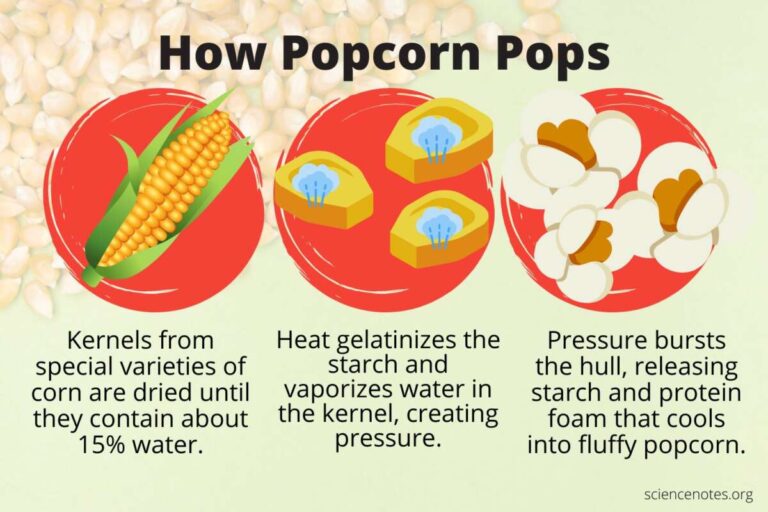
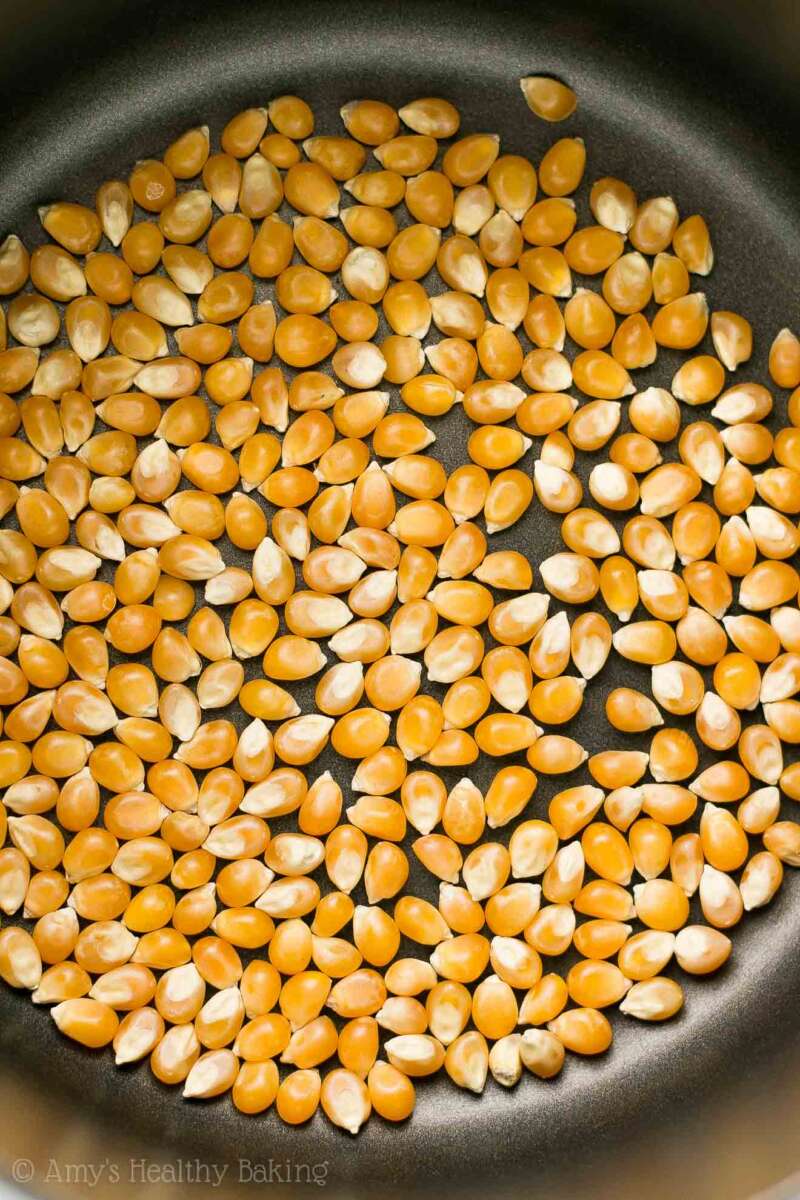
Popcorn kernels are a special type of corn with a hard outer shell and a small amount of water inside. When heated, that water turns to steam. Pressure builds until the shell bursts and turns the kernel inside out.
For basic stovetop popcorn, you need:
• ½ cup popcorn kernels
• 2 to 3 tablespoons cooking oil
• A large, heavy pot with a lid
• Salt or other seasonings
• A large bowl for serving
Use fresh kernels if possible. Old or poorly stored kernels may have lost moisture, so they may not pop well. Store kernels in a sealed container at room temperature. Do not refrigerate them, since changing moisture levels can affect popping.
Choose an oil with a high smoke point, such as canola, avocado, grapeseed, peanut, or refined coconut oil. Extra-virgin olive oil can work over medium heat, but it may smoke if the pan gets too hot.
:max_bytes(150000):strip_icc()/__opt__aboutcom__coeus__resources__content_migration__simply_recipes__uploads__2015__01__perfect-popcorn-method-3-8a1253234a1f4e70880745127ea08fd5.jpg)
How to Make Popcorn From Kernels on the Stove
The stovetop method gives you rich flavor and good control over texture. It also lets you add butter, spices, cheese, herbs, or sweet coatings after the popcorn is ready.
Follow these steps:
- Pour the oil into a large pot. Add two or three popcorn kernels.
- Cover the pot and place it over medium heat.
- Wait until the test kernels pop. This shows that the oil is hot enough.
- Remove the pot from the heat for about 30 seconds.
- Add the remaining kernels and spread them across the bottom.
- Cover the pot and return it to medium heat.
- Gently shake the pot every few seconds while holding the lid firmly.
- Leave a small gap in the lid if steam needs to escape.
- Remove the pot from the heat when the pops slow to about two seconds apart.
- Pour the popcorn into a bowl right away.
That short pause after the test kernels pop helps the remaining kernels heat more evenly. I learned this after making several batches with many unpopped kernels at the bottom. The pause may seem small, but it can improve the final yield.
Do not wait until every kernel pops. Some kernels will always remain unpopped, and waiting too long can burn the popcorn that has already opened.
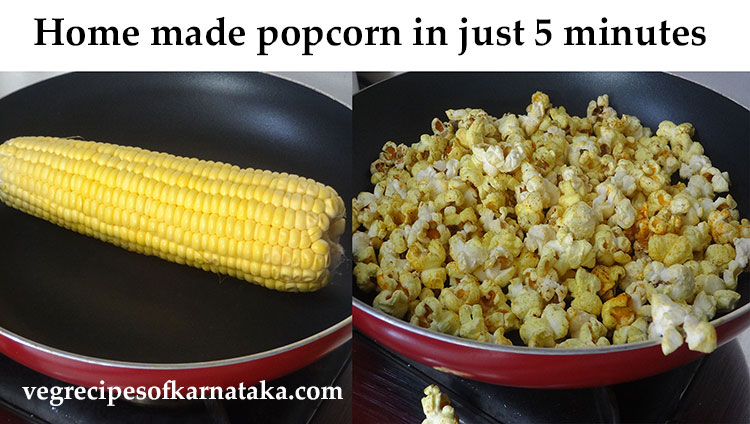
How to Make Popcorn From Kernels in the Microwave
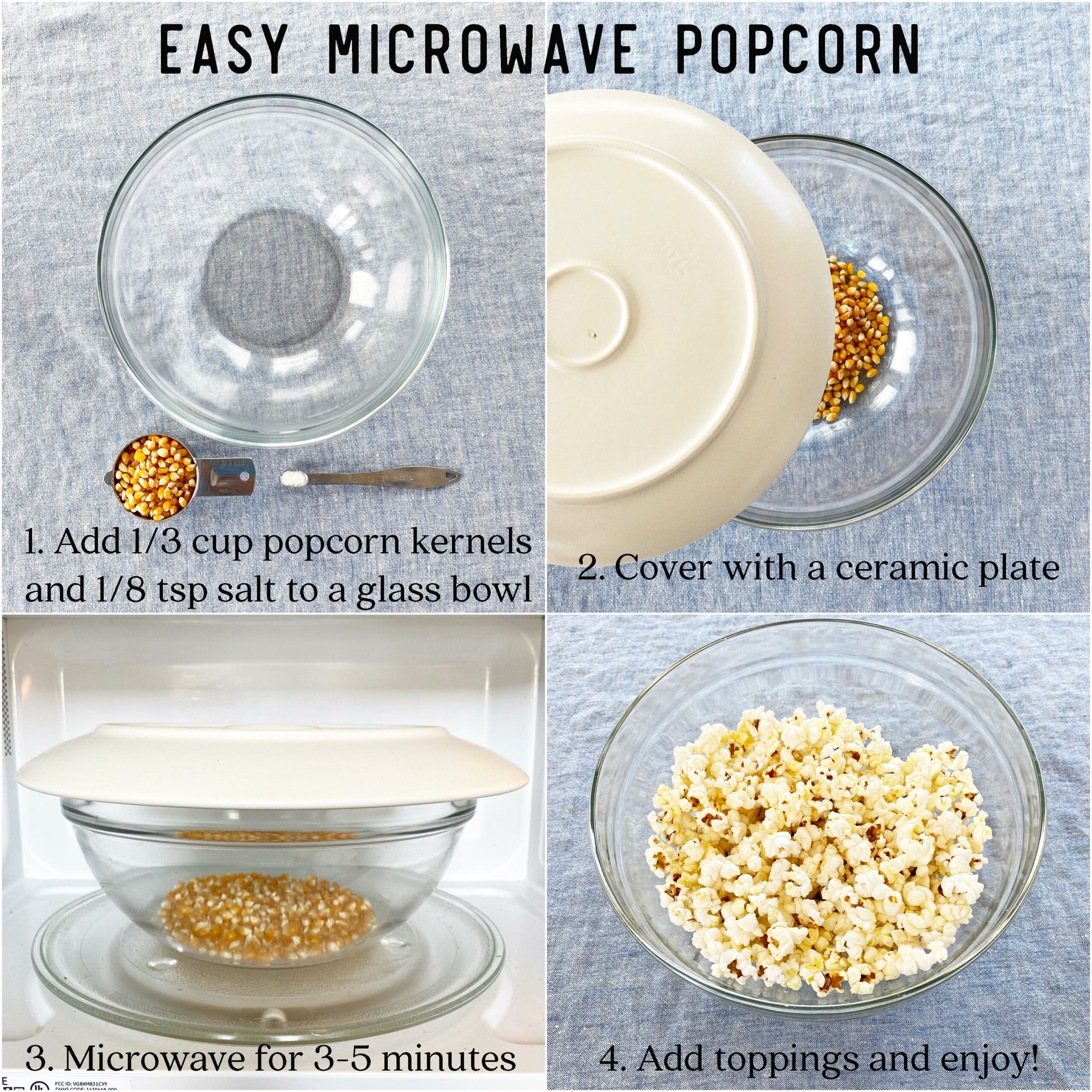
Microwave popcorn does not require a special packet. You can make it with plain kernels and a microwave-safe bowl.
Place ¼ cup of kernels in a large microwave-safe glass or ceramic bowl. Cover the bowl with a microwave-safe plate or vented lid. Do not seal the bowl tightly, because steam must escape.
Microwave on high for about two to four minutes. Stop the microwave when the popping slows to one pop every two seconds. Cooking times vary by microwave power, bowl shape, and kernel freshness.
Avoid using a fully sealed plastic container. Steam can build pressure and cause burns or damage. Also, stay nearby while the popcorn cooks. Popcorn can burn quickly near the end.
This method is useful when you want to make popcorn from kernels without oil. The texture may be slightly lighter than stovetop popcorn, but it works well for a quick snack.

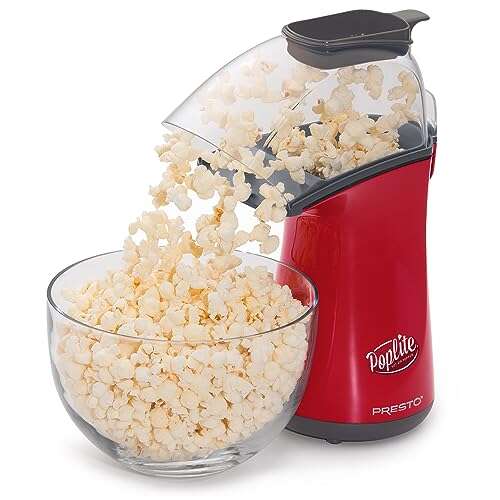
How to Make Popcorn From Kernels With an Air Popper
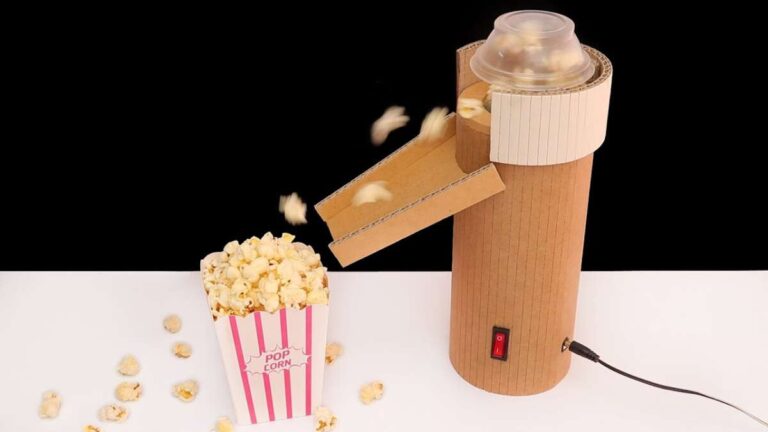
An air popper uses hot air instead of oil. It is a good choice if you want plain popcorn with less added fat.
Add the recommended amount of kernels to the popper. Most home models use between ¼ and ½ cup at a time. Place a large bowl under the chute, then turn on the machine.
Never add oil, butter, or seasonings inside an air popper unless the instruction manual says it is safe. These ingredients can damage the machine or create smoke.
Once the popcorn is ready, drizzle it with melted butter or cooking spray. Add salt while the surface is warm. The light moisture helps seasonings stick.
Air-popped popcorn is not automatically low in calories if you add large amounts of butter, sugar, cheese, or oil. The plain popcorn itself is a whole grain and can fit into many balanced eating plans.
How Much Popcorn Do Kernels Make?
Popcorn expands because steam inflates the starch inside each kernel. As a general guide, ¼ cup of kernels makes about 6 to 8 cups of popped popcorn. A ½ cup usually makes about 12 to 16 cups.
The exact amount depends on:
• Kernel freshness
• Kernel type
• Heating method
• Pan size
• Amount of moisture inside the kernels
• Whether some kernels remain unpopped
A large pot is important because popped corn takes up much more space than the original kernels. Fill the pot no more than one-quarter full with kernels. Overfilling can trap steam and cause uneven popping.
If you are serving a group, plan on about 2 to 3 cups of popped popcorn per person for a snack. For movie night, you may want more.

The Best Popcorn Kernels to Use
Most grocery stores sell yellow or white popcorn kernels. Both can make good popcorn, but they have slightly different textures.
Yellow kernels often produce large, firm pieces. White kernels tend to be smaller and more tender. Some specialty varieties create mushroom-shaped pieces, which are useful for caramel popcorn because they have a broad surface.
Look for kernels that are:
• Dry and clean
• Free from cracks or mold
• Stored in a sealed package
• Not far past their best-by date
Do not confuse popcorn kernels with dried corn meant for grinding or cooking. Regular dried corn may not have the right shell structure or moisture level to pop.
If your kernels pop poorly, the issue may be storage rather than cooking skill. A sealed jar helps protect them from dry air and humidity.

How to Season Homemade Popcorn
Season popcorn soon after it pops. Warm popcorn helps salt and other flavors stick.
Classic options include:
• Fine table salt
• Melted butter
• Garlic powder
• Smoked paprika
• Nutritional yeast
• Grated Parmesan
• Cinnamon and sugar
• Chili powder and lime zest
• Black pepper and rosemary
For even coverage, place the popcorn in a large bowl. Drizzle a small amount of butter or oil over it, toss, then add seasoning. Repeat in layers instead of pouring everything on top at once.
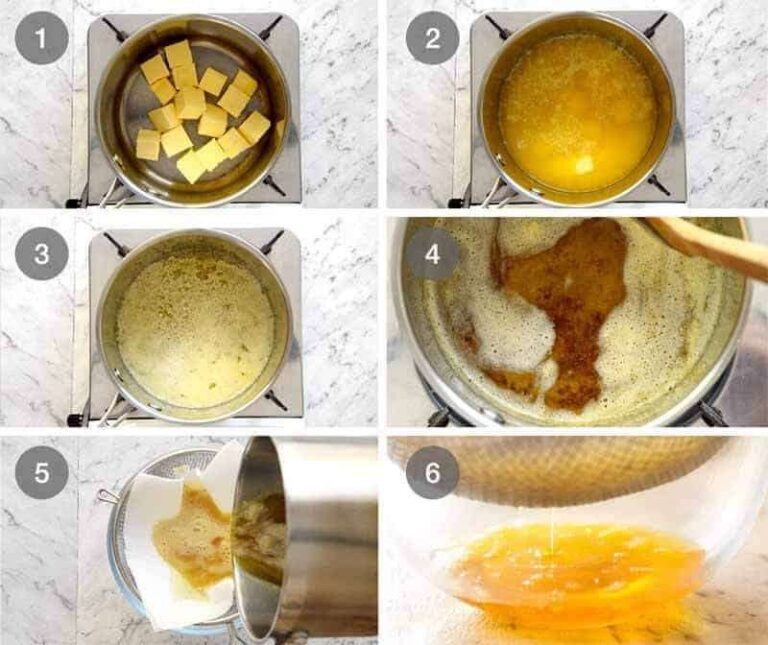
A common mistake is adding too much liquid butter. Heavy butter can make popcorn soggy. Clarified butter or a light drizzle often gives better flavor without weighing down the pieces.
For sweet popcorn, try a light coating of maple syrup, cinnamon sugar, or melted chocolate. Let coated popcorn cool on parchment paper before serving.
:max_bytes(150000):strip_icc()/20240924-SEA-KettleCorn-MorganHuntGlaze-Step2Collage-58-45e015980aa2493e8e93e30f50652883.jpg)
Common Mistakes When Making Popcorn From Kernels
Even a simple method can fail when heat, moisture, or timing is off.
Using too much heat
High heat may pop the kernels quickly, but it can also burn the oil and popcorn. Medium heat gives the kernels time to warm through.
Using a small pot
A crowded pot prevents the kernels from moving freely. Use a large pot and keep the kernels in one layer when possible.
Forgetting to shake the pot
Kernels sitting in one place can burn before they pop. Gentle shaking spreads heat and reduces hot spots.
Sealing in all the steam
Steam can soften the finished popcorn. A slightly vented lid lets moisture escape while keeping kernels from flying out.
Adding salt too early
Salt will not always distribute well before popping. It can also complicate cleaning if it mixes with oil at the bottom of the pot.
Leaving the pot unattended
Popping can change from slow to fast in seconds. Stay near the stove and remove the pot when the popping slows.
When I test a new popcorn method, I focus on three things: the sound of the pops, the smell of the oil, and the color of the popped corn. A nutty smell is normal, but a sharp burnt smell means the heat is too high.

How to Get Fewer Unpopped Kernels
You cannot eliminate every unpopped kernel, but you can reduce the number.
Use fresh kernels and heat them evenly. Keep the pot covered, but allow a little steam to escape. Shake the pot often enough to move the kernels without lifting the lid completely.
If many kernels remain unpopped, try these changes:
• Use a slightly lower heat
• Warm the oil before adding all the kernels
• Avoid overcrowding the pot
• Store kernels in an airtight container
• Try a fresh package of kernels
Do not soak popcorn kernels in water before cooking. Extra surface water can cause dangerous oil splatter and does not reliably improve popping.
:max_bytes(150000):strip_icc()/__opt__aboutcom__coeus__resources__content_migration__serious_eats__seriouseats.com__images__2013__02__20130307-242517-diycornmeal-featured-4aaeebb1e663429099efbc743d882e9d.jpg)
Is Homemade Popcorn Healthy?
Plain popcorn is a whole grain and provides fiber. It can be a satisfying snack because its volume is high compared with the amount of dry kernels used.
The main nutritional difference comes from the toppings. Large amounts of butter, oil, caramel, cheese, or salt can greatly increase calories, saturated fat, sugar, or sodium.
For a lighter bowl, use air-popped popcorn or a small amount of oil. Add strong flavors such as smoked paprika, nutritional yeast, black pepper, or cinnamon so you need less salt.
People with corn allergies should avoid popcorn. Anyone following a specific diet should check seasonings and packaged toppings for hidden ingredients. Popcorn is naturally gluten-free, but cross-contact can occur during processing or preparation.
How to Store Popped Popcorn
Fresh popcorn tastes best right away, but you can store leftovers. Let the popcorn cool fully first. Then place it in an airtight container or resealable bag.
Keep it at room temperature for up to a few days. Avoid storing it in the refrigerator because moisture can make it chewy.
If popcorn becomes soft, spread it on a baking sheet and warm it in a low oven for a few minutes. Watch it closely, especially if it already contains butter or sugar.
Store plain kernels separately from popped popcorn. Kernels need protection from dry air, while popped popcorn needs protection from humidity.
Frequently Asked Questions About How to Make Popcorn From Kernels
Can you make popcorn from kernels without oil?
Yes. Use an air popper or a microwave-safe bowl with a vented cover. Cook until the popping slows, then add butter, oil, or seasoning if desired.
How much oil should you use to make popcorn from kernels?
Use about 2 to 3 tablespoons of oil for ½ cup of kernels. The oil should lightly coat the bottom of the pot without drowning the kernels.
Why are my popcorn kernels not popping?
Kernels may be too old, too dry, or heated unevenly. Overcrowding the pot and using low heat can also leave many kernels unpopped.
Should you soak popcorn kernels before cooking?
No. Soaking can cause hot oil to splatter and does not offer a dependable benefit. Use properly stored kernels instead.
What temperature is best for making popcorn?
Medium heat works well on most stovetops. The oil should be hot enough to pop a test kernel but not so hot that it smokes.
Can you make popcorn from kernels in a paper bag?
Some people microwave kernels in a plain paper bag, but bags can scorch or catch fire if used incorrectly. A microwave-safe bowl with a vented cover is a safer choice.
How do you keep homemade popcorn crisp?
Let steam escape during cooking, avoid excess liquid toppings, and store leftovers in an airtight container. Add butter or sauces just before serving when possible.
Conclusion
Making popcorn from kernels is easy once you control three things: heat, moisture, and timing. Use fresh kernels, a large pot, medium heat, and gentle shaking for reliable stovetop results. You can also use a microwave-safe bowl or an air popper when you want a faster or oil-free method.
Start with a small batch and experiment with seasonings you enjoy. Once you find your preferred method, make a bowl for your next movie night and share your favorite popcorn flavor in the comments.
Liora Pennings is a seasoned chef and kitchen enthusiast with a passion for turning everyday cooking into an effortless experience. With years of hands-on culinary expertise, she specializes in practical techniques, ingredient know-how, and smart kitchen solutions that help home cooks elevate their meals. At KitchFlair.com, Liora shares her best tips, time-saving tricks, and honest product reviews to guide readers toward a more efficient, enjoyable, and inspired cooking routine. Whether you’re a beginner or a seasoned home chef, Liora’s friendly, knowledge-packed insights make every visit to the kitchen a little easier—and a lot more delicious.