How To Make Popcorn In A Pot: Easy Stovetop Method
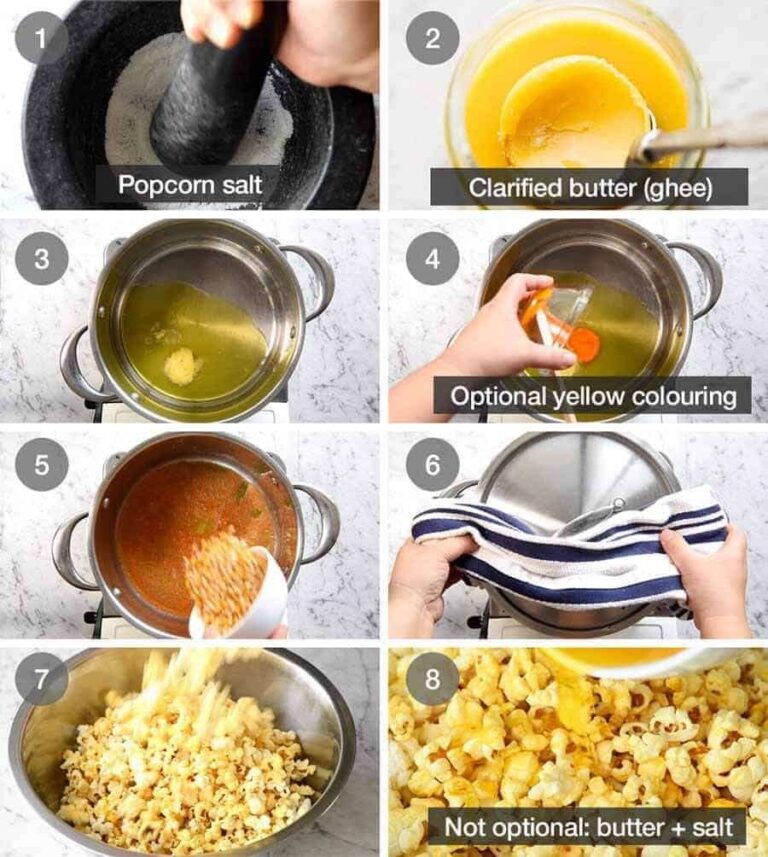
To make popcorn in a pot, heat oil, add kernels, cover, and shake until popping slows.
Learning how to make popcorn in a pot gives you crisp, fresh popcorn without a microwave. With the right heat, a good lid, and a little patience, you can turn basic popcorn kernels into a tasty snack in minutes. This guide explains the method I use, common mistakes to avoid, and easy ways to improve each batch.
Why Make Popcorn in a Pot?
Making popcorn in a pot is simple, affordable, and easy to control. You choose the oil, salt, and toppings, so you can avoid the extra butter, sodium, and additives found in some packaged popcorn.
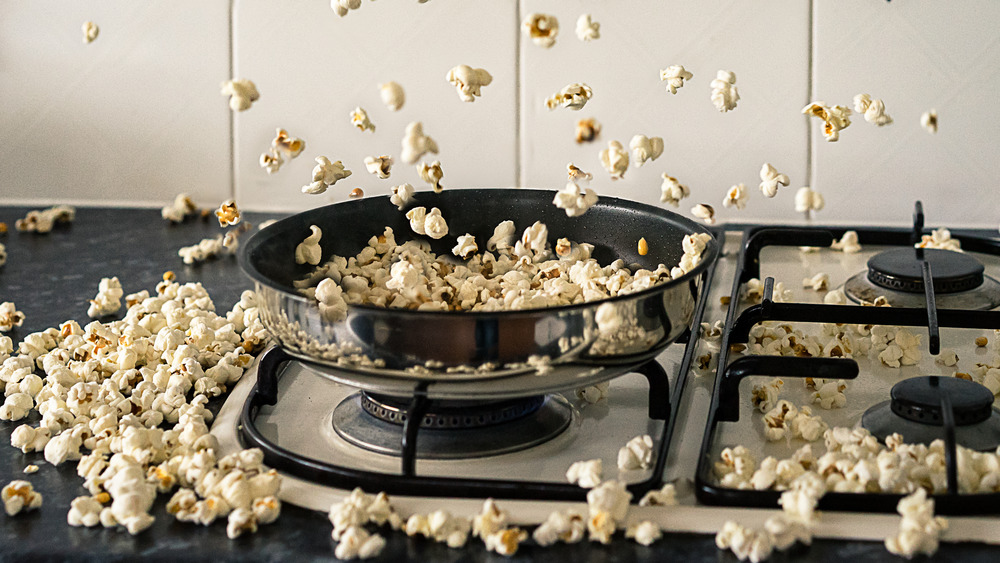
A pot also gives the kernels room to heat evenly. When the oil reaches the right temperature, water inside each kernel turns to steam. Pressure builds until the hull bursts and the soft inside turns into fluffy popcorn.
I like this method because it feels more hands-on than using a microwave. You can hear the popping slow down, smell the toasted corn, and stop the heat before the popcorn burns.
Ingredients and Tools You Need
You need only a few basic items to make popcorn in a pot.
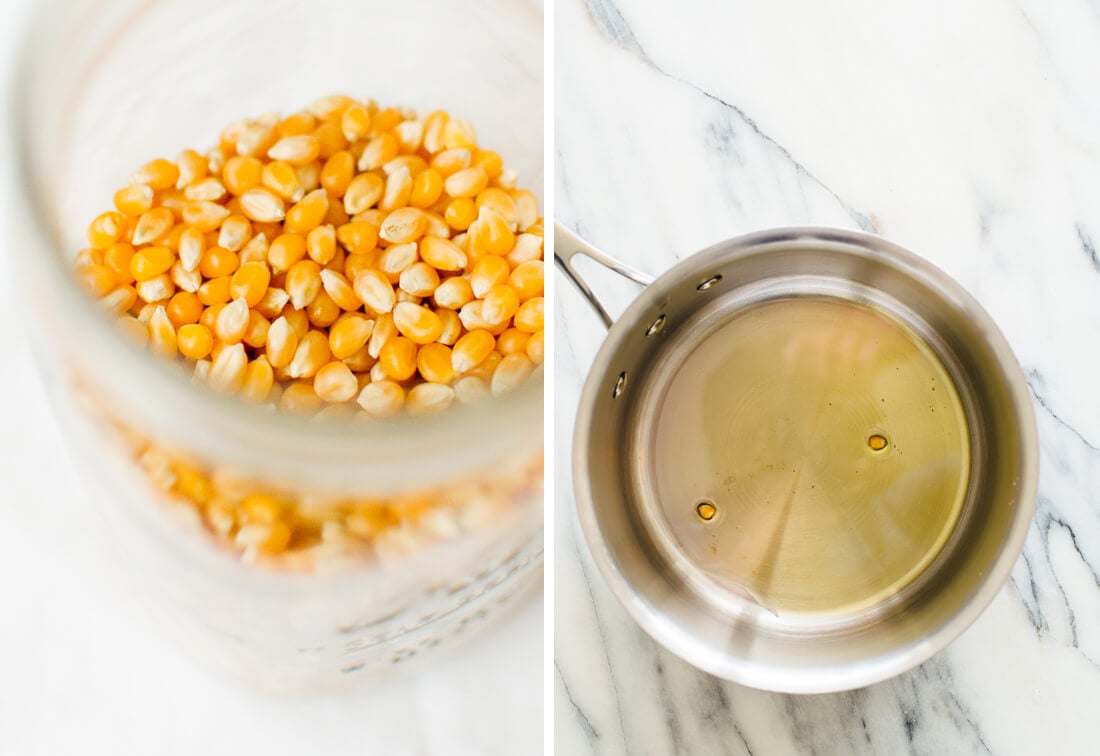
• ½ cup popcorn kernels
• 2 tablespoons neutral cooking oil, such as canola, avocado, vegetable, or grapeseed oil
• Salt, to taste
• A heavy-bottomed pot with a lid
• A large bowl
A heavy pot works best because it spreads heat more evenly. A thin pot can create hot spots, which may burn some kernels while leaving others unopened.
Use fresh popcorn kernels when possible. Old kernels may lose moisture and fail to pop well. Popcorn needs a small amount of water inside each kernel to create the steam that makes it burst.
For the best texture, choose an oil with a high smoke point. Avocado, canola, vegetable, and refined coconut oil are useful choices. Extra-virgin olive oil can work over moderate heat, but it may smoke if the pot becomes too hot.
How to Make Popcorn in a Pot Step by Step
Follow these steps for fluffy popcorn with fewer burnt pieces.
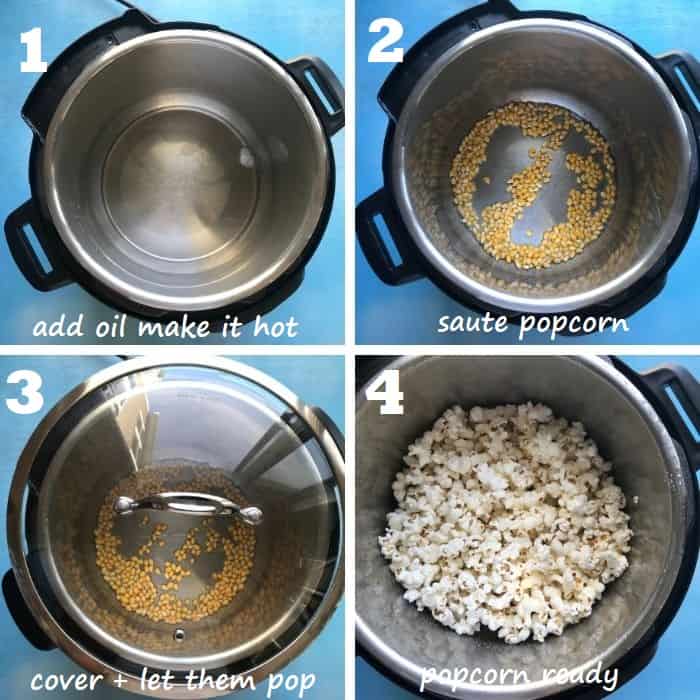
1. Add the oil and test kernels
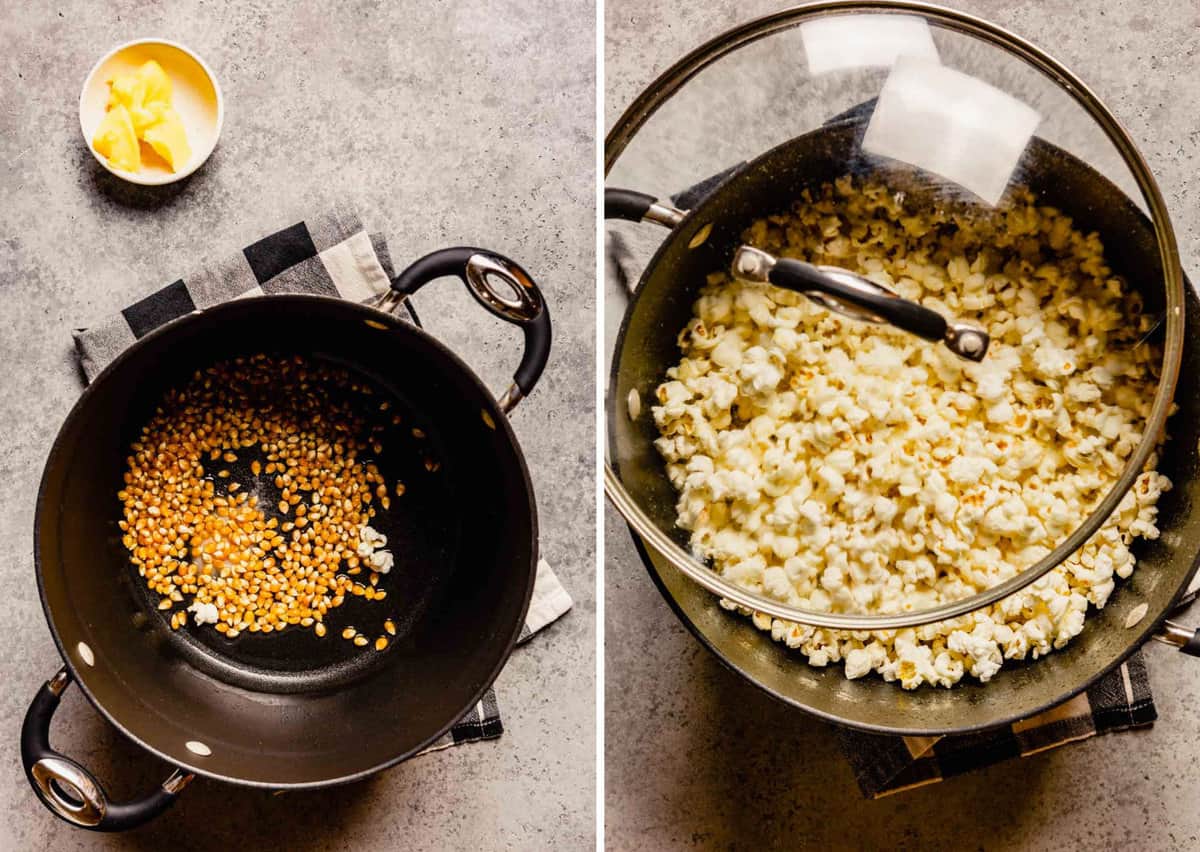
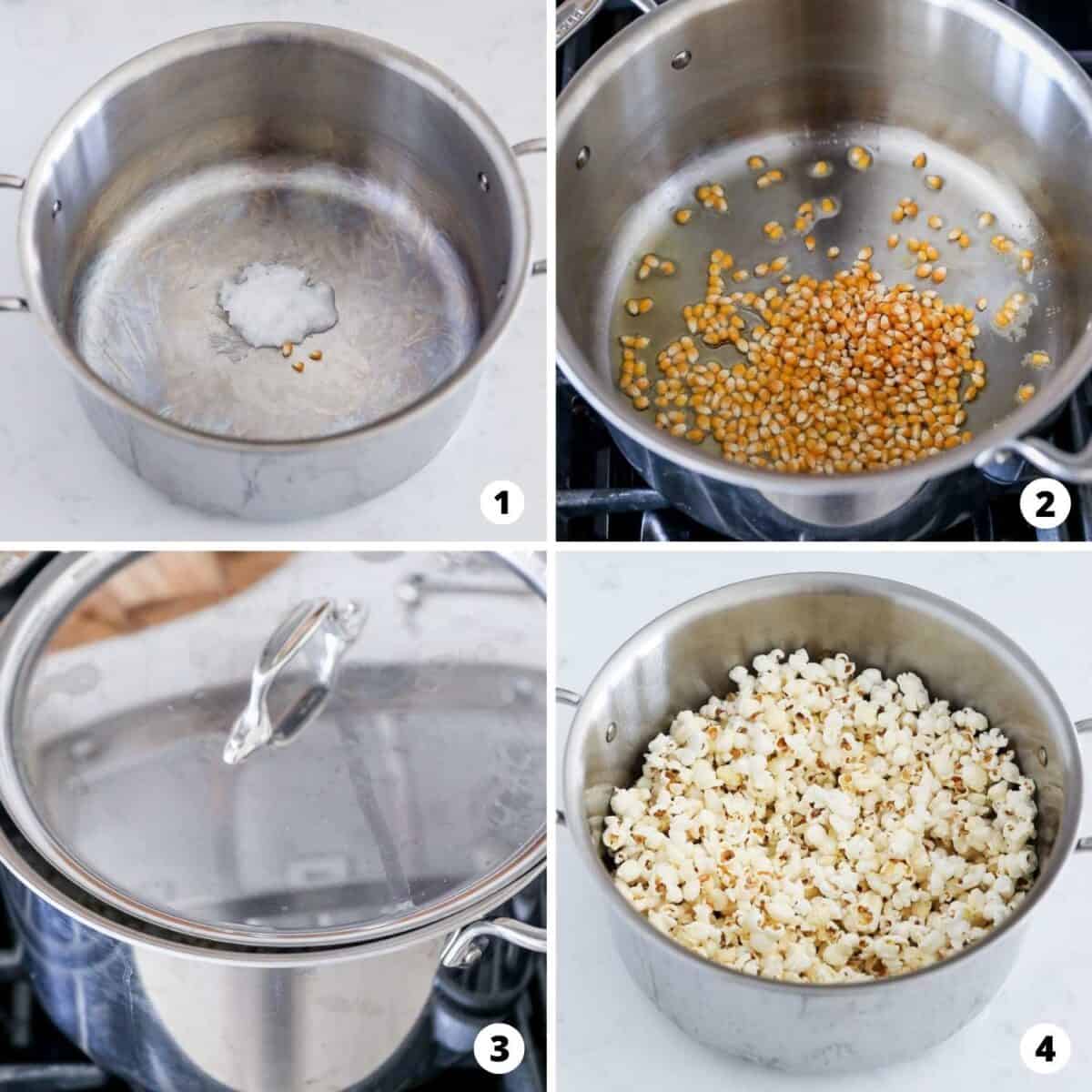
Pour the oil into a large, heavy pot. Add two or three popcorn kernels, then cover the pot with the lid.
Place the pot over medium heat. Wait until the test kernels pop. This shows that the oil is hot enough for the rest of the kernels.
Do not start with high heat. High heat may burn the oil and the popcorn before the kernels have time to pop evenly.
2. Add the remaining kernels
Remove the pot from the heat for about 30 seconds. Add the rest of the kernels and gently shake the pot so they become coated with oil.
This short pause helps the kernels warm at a similar rate. It is one of the most useful steps when learning how to make popcorn in a pot because it can reduce the number of unpopped kernels.
Return the covered pot to the burner over medium heat.
3. Keep the pot moving
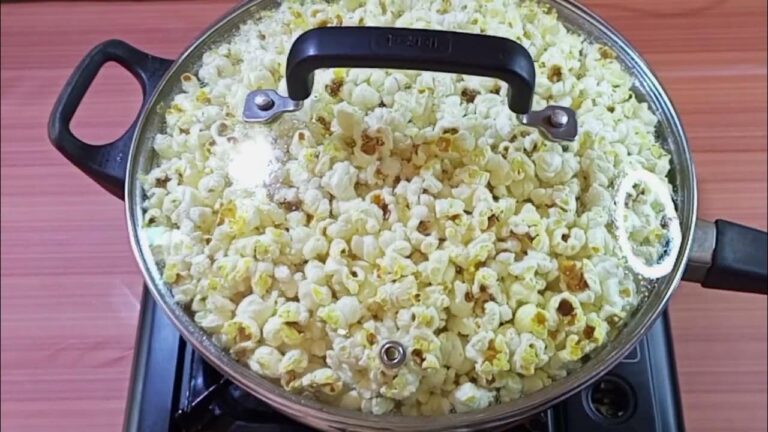
Hold the lid firmly, leaving a small gap for steam to escape if the lid design allows it. Gently shake the pot back and forth every few seconds.
Use a kitchen towel or oven mitt if the handle becomes hot. Keep the bottom of the pot close to the burner, but do not lift and toss it high over the stove.
Moving the pot helps prevent kernels from sitting on one hot spot. It also keeps popped pieces from touching the bottom for too long.
4. Listen for the right moment
The popcorn will begin with slow, separate pops. Soon, the popping will become fast and steady.
When the sound slows to about one pop every two or three seconds, remove the pot from the heat. Keep the lid on for another 30 seconds so late kernels can finish popping.
Do not wait until every kernel pops. A few unpopped kernels are normal. If you wait for complete silence, the popped corn may burn.
5. Season and serve
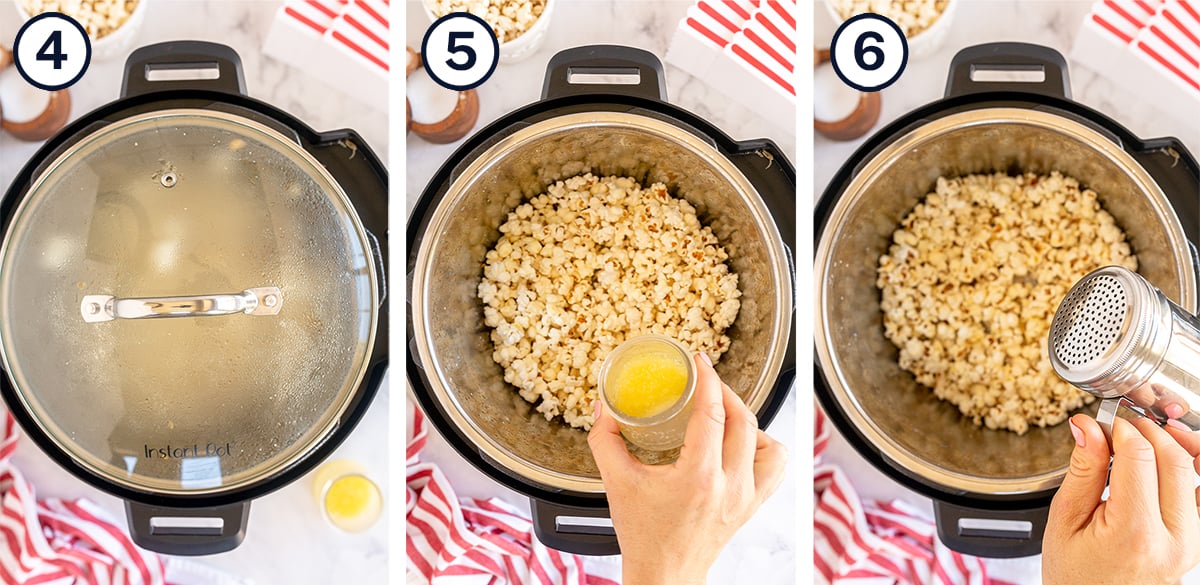
Pour the popcorn into a large bowl right away. Add salt while the popcorn is still warm, then toss it gently.
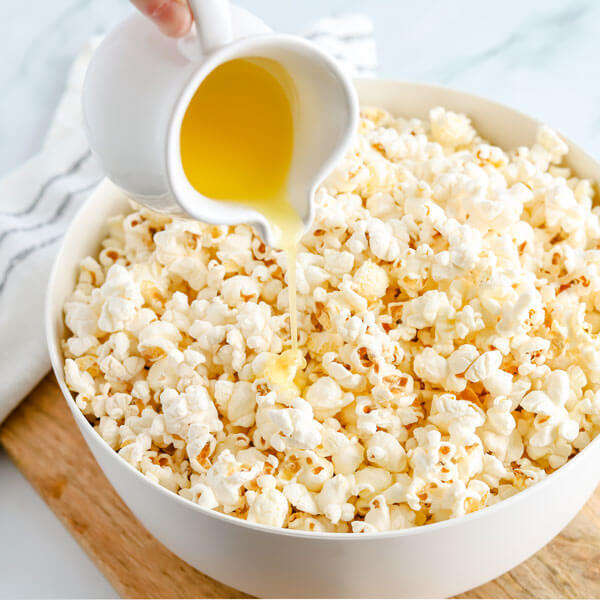
For buttered popcorn, melt butter in a small pan or microwave-safe dish. Drizzle it slowly while tossing the popcorn. Adding butter in small amounts helps spread the flavor without making the snack soggy.
This basic process is the most reliable way to make popcorn in a pot at home.
How Much Oil and Popcorn Should You Use?
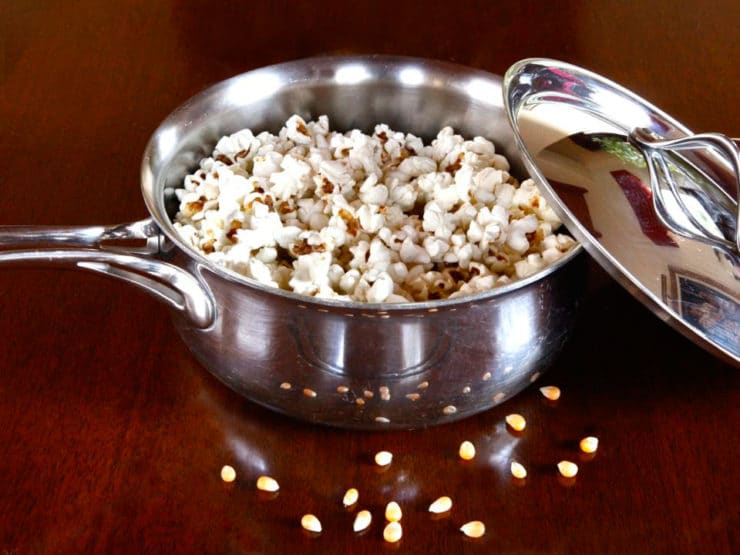
A simple starting ratio is ½ cup of kernels to 2 tablespoons of oil. This amount usually makes about 12 to 15 cups of popped popcorn, depending on the kernel type and how many kernels open.
The pot should have enough room for the popcorn to expand. A 3-quart pot can handle about ¼ cup of kernels. For ½ cup of kernels, use a 5-quart or larger pot.
Avoid filling the pot too deeply with kernels. If the layer is too thick, heat cannot reach every kernel evenly. The popcorn may overflow, cook slowly, or burn on the bottom.
For a smaller batch, use:
• ¼ cup kernels
• 1 tablespoon oil
• A 3-quart pot
For a larger batch, use:
• ¾ cup kernels
• 3 tablespoons oil
• A 6-quart pot or larger
These amounts are guides, not strict rules. The shape of your pot and the power of your stove can change the result.
Tips for Better Stovetop Popcorn
Small changes can make a major difference in taste and texture.
• Use medium heat instead of high heat. This gives the kernels time to warm and lowers the risk of burning.
• Leave a small vent for steam. Too much trapped steam can make popcorn chewy.
• Shake the pot often but gently. Strong shaking is not needed and can make the lid slip.
• Season after popping. Salt added to the oil may settle at the bottom instead of coating the popcorn.
• Use fine popcorn salt for better coverage. Larger salt crystals may fall through the popcorn.
• Warm the serving bowl before use. A warm bowl helps the popcorn stay crisp longer.
• Serve popcorn soon after cooking. Fresh popcorn has the best crunch and aroma.
When I make popcorn in a pot, I pay more attention to the sound than the clock. Every stove is different. The popping rhythm tells you more than a fixed cooking time.
Most batches take about three to five minutes from heating the oil to serving the popcorn. Your first batch may need a little trial and error.
:max_bytes(150000):strip_icc()/__opt__aboutcom__coeus__resources__content_migration__simply_recipes__uploads__2015__01__perfect-popcorn-method-5-b767d07b08e94281bab5672b914bc0db.jpg)
Common Mistakes to Avoid
Even an easy recipe can go wrong. These are the mistakes I see most often when people learn how to make popcorn in a pot.
Using too much heat
High heat may seem faster, but it often burns the oil and the first kernels. Medium heat gives the corn a steady cooking environment.
Using too many kernels
Overloading the pot creates uneven cooking. Some popcorn may stay hard while the first popped pieces scorch.
Sealing the lid tightly
A fully sealed lid traps steam. Moisture can soften the popcorn. A small vent helps steam escape while keeping the kernels inside.
Removing the lid too soon
Opening the lid during active popping can send hot popcorn flying. It also lets heat escape and may slow the process.
Walking away from the stove
Popcorn can change from pale and crisp to burnt in less than a minute. Stay nearby and listen closely.
Pouring on too much butter
Heavy butter can make the popcorn greasy and soft. Drizzle slowly and toss between additions.
Ignoring hot oil
Hot oil can cause serious burns. Keep the pot handle turned inward, use a stable lid, and never add water to hot oil.
Easy Popcorn Flavor Ideas
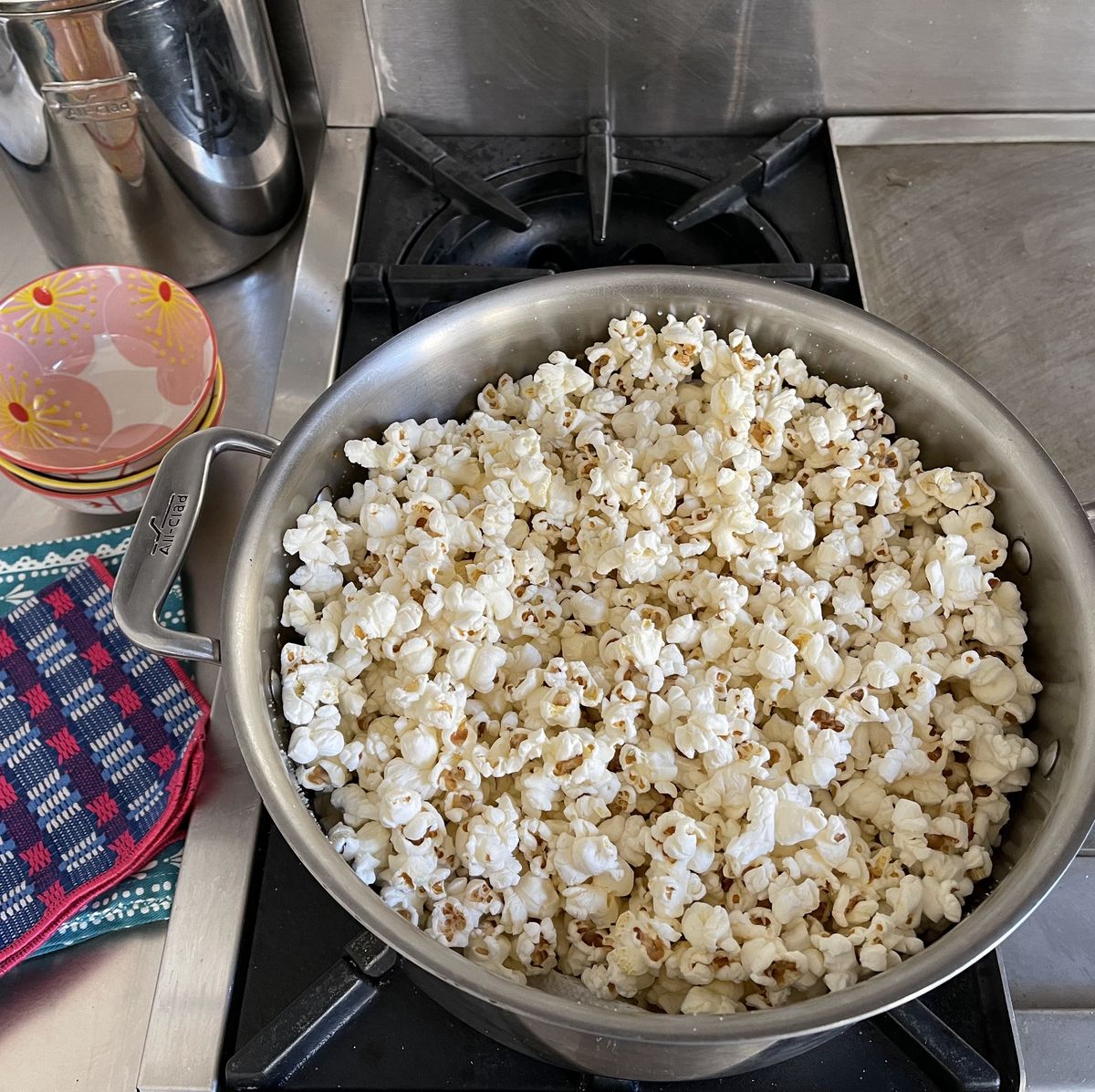
Once you know how to make popcorn in a pot, you can create many flavors with simple pantry items.
Classic butter and salt
Melt 2 tablespoons of butter and add it gradually to the warm popcorn. Finish with a small amount of fine salt.
Garlic herb popcorn
Toss the popcorn with melted butter, a pinch of garlic powder, dried parsley, and black pepper. Use garlic powder instead of fresh garlic to avoid adding moisture.
Parmesan popcorn
Add finely grated Parmesan cheese while the popcorn is warm. A little black pepper gives it a savory, rich taste.
Cinnamon sugar popcorn
Mix sugar with ground cinnamon and sprinkle it over lightly buttered popcorn. This works well as a quick sweet snack.
Spicy popcorn
Add chili powder, smoked paprika, or cayenne. Start with a small amount because spice becomes stronger as you eat.
Nutritional yeast popcorn
Nutritional yeast gives popcorn a nutty, savory flavor. It is a useful choice if you want a dairy-free topping.
Add dry seasonings after popping. Wet sauces should be used sparingly because they can make the popcorn lose its crisp texture.
Is Popcorn a Healthy Snack?
Plain air-popped popcorn is a whole-grain food and can fit into a balanced diet. Popcorn itself is not usually the issue. Large amounts of butter, sugar, cheese, or salt can quickly increase calories and sodium.
A typical serving is about 3 cups of popped popcorn. The exact nutrition depends on the oil and toppings you use.
For a lighter batch:
• Use a measured amount of oil.
• Choose unsalted or lightly salted popcorn.
• Add herbs, spices, or nutritional yeast for flavor.
• Use butter as a finishing ingredient rather than the main ingredient.
• Serve a reasonable portion in a bowl instead of eating from the pot.
People with high blood pressure or specific dietary needs should watch sodium and saturated fat. Individual nutrition needs vary, so a registered dietitian can offer advice for medical concerns.
How to Store Leftover Popcorn
Popcorn is best right after cooking, but you can store leftovers. Let the popcorn cool fully before placing it in an airtight container.
Keep it at room temperature for up to two days for the best texture. Avoid storing it in the refrigerator because cold moisture can make it chewy.
If the popcorn becomes soft, spread it on a baking sheet and warm it in a low oven for a few minutes. Watch it closely so the butter or seasoning does not burn.
Store kernels in a cool, dry place with the container tightly closed. Do not freeze popcorn kernels unless you have a specific reason, since poor storage can affect their moisture balance.
Safety Tips for Making Popcorn in a Pot
Hot oil, steam, and metal cookware can cause burns, so use care.
• Keep children away from the stove during cooking.
• Use a lid that fits the pot well.
• Hold the lid with an oven mitt if it becomes hot.
• Open the lid away from your face to avoid steam.
• Turn the pot handle toward the back of the stove.
• Never pour water into a pot of hot oil.
• If oil catches fire, turn off the burner if it is safe to do so and cover the pot with a lid. Never use water on a grease fire.
If smoke appears before the kernels pop, remove the pot from the burner and let it cool. The oil may be too hot or unsuitable for the cooking temperature.
Frequently Asked Questions About How to Make Popcorn in a Pot
What is the best oil for making popcorn in a pot?
Canola, vegetable, avocado, grapeseed, and refined coconut oil are good choices because they handle medium to high heat well. Choose an oil with a neutral flavor if you want the taste of the popcorn to stand out.
Why is my pot popcorn chewy?
Chewy popcorn often has too much trapped steam or was left uncovered after cooking. Vent the lid slightly while popping and serve the popcorn soon after it finishes.
Why are so many popcorn kernels left unpopped?
Old kernels may have lost the moisture needed to create steam. Uneven heat, too few shakes, or an overloaded pot can also leave more kernels unopened.
Can I make popcorn in a pot without oil?
Yes, but it is easier to burn the kernels because oil helps transfer heat evenly. Use a heavy pot, medium heat, and constant gentle movement, or use an air popper for oil-free popcorn.
Should I soak popcorn kernels before cooking?
No. Soaking kernels can add excess moisture and may create steam around the kernels instead of inside them. Dry kernels stored in a sealed container usually work best.
How do I keep popcorn from burning?
Use medium heat, shake the pot regularly, and remove it from the burner when popping slows. Do not wait for every kernel to pop because the first pieces may burn.
How much popcorn does ½ cup of kernels make?
Half a cup of kernels usually makes about 12 to 15 cups of popped popcorn. The final amount depends on the kernel variety, age, and cooking conditions.
Conclusion
Learning how to make popcorn in a pot is a fast way to enjoy fresh, crisp popcorn with full control over the ingredients. Use a heavy pot, medium heat, enough room for expansion, and a lid that allows a little steam to escape.
The most important lesson is to watch and listen. Shake the pot gently, remove it when popping slows, and season the popcorn while it is warm. Try a classic butter topping first, then explore herbs, spices, cheese, or sweet flavors.
Make a batch tonight and adjust the heat, oil, and seasoning to suit your taste. If you discover a favorite popcorn combination, share it in the comments or explore more simple homemade snack recipes.
Liora Pennings is a seasoned chef and kitchen enthusiast with a passion for turning everyday cooking into an effortless experience. With years of hands-on culinary expertise, she specializes in practical techniques, ingredient know-how, and smart kitchen solutions that help home cooks elevate their meals. At KitchFlair.com, Liora shares her best tips, time-saving tricks, and honest product reviews to guide readers toward a more efficient, enjoyable, and inspired cooking routine. Whether you’re a beginner or a seasoned home chef, Liora’s friendly, knowledge-packed insights make every visit to the kitchen a little easier—and a lot more delicious.