Does Coffee Make You Urinate More: What To Know
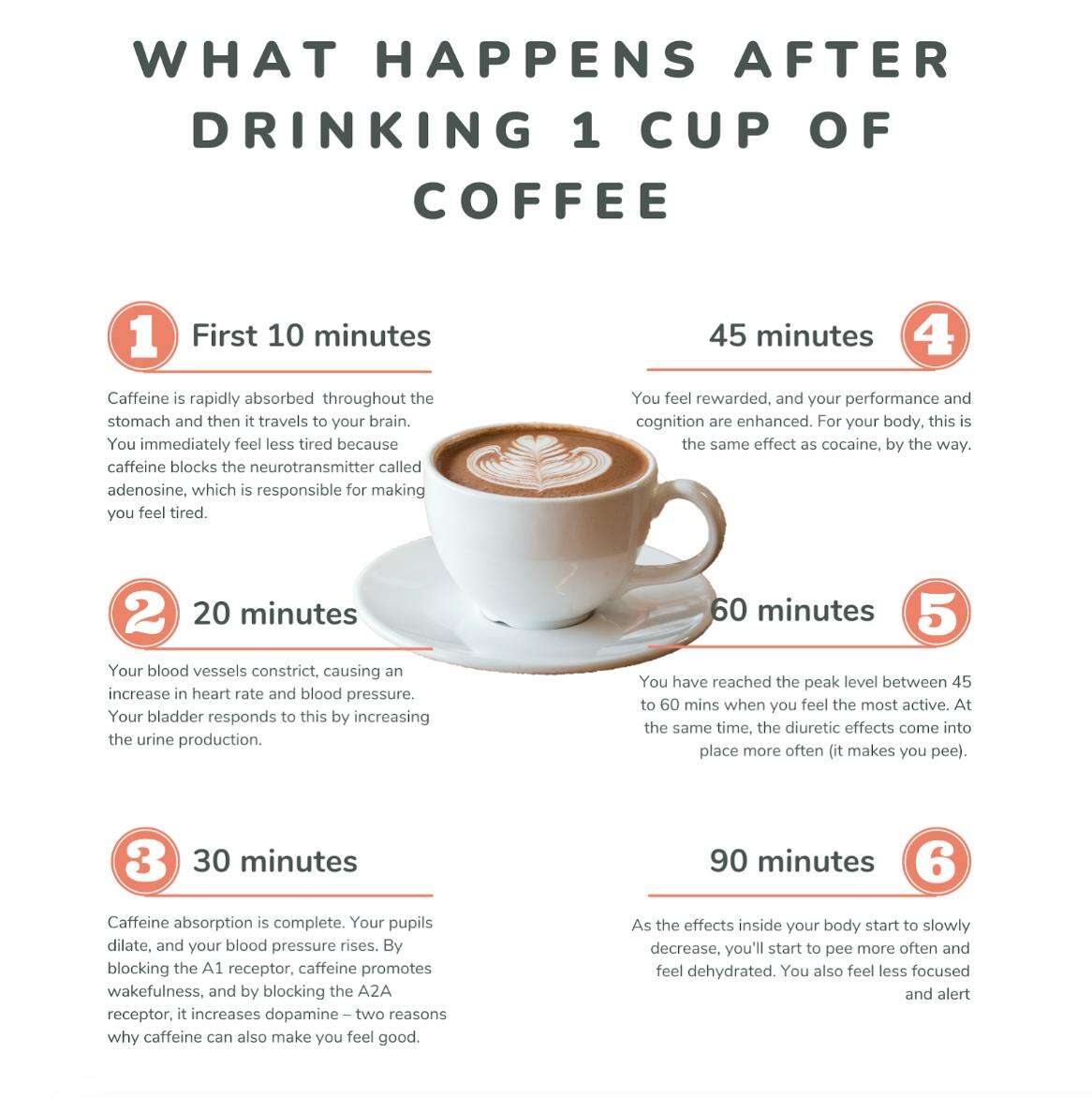
Yes, coffee can make you urinate more, mainly because caffeine has a mild diuretic effect.
For many people, coffee increases urine output for a short time, especially after several cups or when caffeine intake is new. Still, the effect is usually mild, and coffee’s water content can help with daily hydration. Understanding how caffeine affects your kidneys, bladder, and fluid balance can help you enjoy coffee without constant bathroom trips.
Does coffee make you urinate more?
Yes, coffee may make you urinate more. The main reason is caffeine, a natural stimulant found in coffee, tea, energy drinks, soda, and some medicines.
Caffeine can encourage your kidneys to remove a little more sodium and water from your blood. This process is called diuresis. As a result, you may produce more urine or feel the need to urinate sooner after drinking coffee.
However, the effect is not the same for everyone. It depends on your caffeine tolerance, the amount you drink, your hydration level, and how sensitive your bladder is.
A small cup of coffee may cause little change. A large coffee with extra espresso shots may lead to a much stronger urge.
:max_bytes(150000):strip_icc()/GettyImages-1203997167-2000-038027e84196412cbd413a3435989edc.jpg)
How caffeine affects your kidneys and bladder
To understand why coffee can increase urination, it helps to look at what caffeine does inside the body.
Caffeine blocks a chemical called adenosine. Adenosine normally helps the body feel relaxed and may affect blood flow in the kidneys. When caffeine blocks adenosine, kidney activity can change, and the body may release more urine.
Caffeine may also cause a short-term rise in blood pressure. This can increase blood flow through the kidneys in some people. The kidneys then filter more fluid, although the change is usually modest.
Coffee can affect the bladder in another way, too. Caffeine may irritate the bladder and increase urgency. This means you may feel that you need to urinate even if your bladder is not very full.
Think of it like turning up the sensitivity on a doorbell. The bladder may send an “empty me” signal sooner than usual.
Caffeine affects people differently
Some people notice an urge to urinate within 30 to 60 minutes of drinking coffee. Others can drink coffee without noticing any clear change.
Your reaction may be stronger if you:
• Rarely consume caffeine
• Drink a large serving
• Drink coffee quickly
• Have an overactive bladder
• Are already well hydrated
• Combine coffee with other caffeinated drinks
• Drink coffee late in the day
People who drink coffee often may develop some tolerance to its diuretic effect. This means regular coffee drinkers may not lose as much extra fluid as people who rarely consume caffeine.

Is coffee a strong diuretic?
Coffee has a mild diuretic effect, but it is not usually a powerful one. The amount of caffeine matters more than the drink’s name.
A standard 8-ounce cup of brewed coffee may contain about 80 to 100 milligrams of caffeine. Some large café drinks contain much more, depending on the coffee type, serving size, and number of espresso shots.
Research suggests that moderate caffeine intake does not usually cause major dehydration in healthy adults. The fluid in coffee often offsets much of the extra urine caused by caffeine.
This is why coffee can still count toward your daily fluid intake. It may make you urinate more, but it does not automatically cancel out all the water you drink.
When coffee may cause more fluid loss
The diuretic effect may be more noticeable when caffeine intake is high. It can also be stronger when someone is not used to caffeine.
You may notice more urination after coffee when:
• You drink more than 400 milligrams of caffeine in one day
• You consume several cups within a short period
• You drink coffee after exercise
• You are in a hot environment
• You have diarrhea, vomiting, or another cause of fluid loss
• You drink coffee with alcohol
The general caffeine limit for most healthy adults is about 400 milligrams per day. Pregnant people, people with heart problems, and those who are sensitive to caffeine may need less. Personal medical advice should come from a qualified health professional.
Does coffee dehydrate you?
For most healthy adults, moderate coffee intake does not cause meaningful dehydration. Coffee contains water, and that water contributes to your overall fluid intake.
Still, coffee can increase urination. The key point is that increased urination does not always equal dehydration. Dehydration occurs when your body loses more fluid than it takes in.
For example, an 8-ounce cup of coffee may cause you to pass some extra urine. But you also consumed about 8 ounces of fluid from the drink. In many cases, the body keeps enough of that water to support normal hydration.
Heavy caffeine use is different. Several large coffees may lead to frequent urination, poor sleep, sweating, and other effects that make fluid balance harder to maintain.
Signs you may need more fluids
Pay attention to your body rather than relying on coffee alone. Common signs of dehydration include:
• Dark yellow urine
• Dry mouth
• Headache
• Dizziness
• Unusual tiredness
• Strong thirst
• Less frequent urination
Clear urine all day is not always better. It may simply mean you are drinking more fluid than you need. Pale yellow urine is often a practical sign of normal hydration, although medications and some foods can change urine color.

Does decaf coffee make you urinate more?
Decaf coffee can still make you urinate more, but the effect is usually smaller. Decaffeinated coffee is not completely caffeine-free. A cup may contain a small amount of caffeine, depending on the brand and brewing method.
Decaf coffee also contains water and other compounds that may affect digestion or bladder comfort. Some people notice an urge to urinate after decaf because of the warm liquid, the routine of drinking coffee, or the drink’s acidity.
If regular coffee causes frequent bathroom trips, switching to decaf may help. Try the change for several days and watch whether urgency, sleep, and urine frequency improve.
Coffee type and caffeine content
Caffeine levels vary widely. A small brewed coffee may contain less caffeine than a large cold brew or a café drink with several espresso shots.
Other common caffeine sources include:
• Black tea
• Green tea
• Energy drinks
• Cola
• Pre-workout products
• Chocolate
• Caffeine-containing pain relievers
If you want to understand why coffee makes you urinate more, track total caffeine instead of counting cups alone.

Why do I pee more after coffee?
Coffee can increase urination through several effects that may happen at the same time.
First, caffeine can cause mild diuresis. Second, caffeine may stimulate the bladder and increase urgency. Third, coffee is often consumed as a large drink, so the volume itself can fill the bladder.
Coffee can also stimulate the digestive system. Some people have a bowel movement soon after drinking it. This gut response may be part of the body’s natural morning routine, rather than a sign of a problem.
Your morning habits matter, too. Many people drink coffee after waking, when the kidneys have already processed fluid collected overnight. The coffee may simply make an existing urge happen sooner.
A simple real-life example
Imagine drinking a 16-ounce iced coffee with two espresso shots in 15 minutes. You have taken in a large amount of fluid, caffeine, and sometimes sugar. It would be normal to urinate more than you would after sipping a small decaf coffee over an hour.
The same drink may affect two people differently. One person may visit the bathroom once. Another may feel urgency several times because of a smaller bladder, caffeine sensitivity, or an overactive bladder.

How to reduce frequent urination after coffee
You do not always need to stop drinking coffee. Small changes can reduce the bathroom effect while allowing you to keep the habit you enjoy.
Try these practical steps:
-
Reduce your serving size. Move from a large coffee to a small or medium one.
-
Drink it slowly. Sipping over 30 to 60 minutes may feel easier on your bladder than drinking it quickly.
-
Choose half-caf. A mix of regular and decaf coffee can lower your caffeine intake.
-
Try decaf. This may help if caffeine is the main trigger.
-
Avoid extra espresso shots. They can raise caffeine levels quickly.
-
Track other caffeine sources. Tea, soda, energy drinks, and medications may add more caffeine than you expect.
-
Limit coffee before travel. Give your body time to process it before a long drive or flight.
-
Avoid late-day coffee. This can reduce both nighttime urination and sleep problems.
-
Drink water normally. Do not severely restrict water to avoid bathroom visits.
-
Notice food triggers. Spicy foods, alcohol, citrus drinks, and artificial sweeteners can also bother some bladders.
A useful approach is to change one habit at a time. If you remove coffee, alcohol, and spicy foods together, you may not know which change helped.
When frequent urination may signal a health problem
Coffee may be the cause, but it should not always receive the blame. Frequent urination can also happen with urinary tract infections, diabetes, pregnancy, prostate problems, certain medicines, and bladder conditions.
Speak with a health professional if you have frequent urination that continues after reducing caffeine. You should also seek medical advice if urination interferes with sleep, work, exercise, or daily activities.
Get prompt care if frequent urination occurs with:
• Burning or pain
• Blood in the urine
• Fever or chills
• Back or side pain
• Vomiting
• New severe thirst
• Unexplained weight loss
• Trouble starting or stopping urine
• Loss of bladder control
Nighttime urination can have many causes. Drinking coffee in the evening is one possibility, but sleep apnea, fluid retention, medications, and prostate issues may also play a role.
A note about caffeine sensitivity
Some people are more sensitive to caffeine because of genetics, age, medication use, anxiety, or medical conditions. A dose that feels mild to one person may cause urgency, shaking, heart palpitations, or poor sleep in another.
Do not use coffee to replace medical care. If symptoms feel new, severe, or unusual, a clinician can check your urine, blood sugar, kidney function, and other possible causes.

Practical tips for enjoying coffee comfortably
Coffee can remain part of a healthy routine for many adults. The goal is not to fear every bathroom visit. The goal is to understand your own response.
Keep a short three-day log. Write down the time, size, and type of coffee you drink. Note bathroom trips, urgency, water intake, sleep, and other caffeine sources.
This simple record often reveals a pattern. You may find that one morning cup causes no trouble, while a large afternoon cold brew leads to repeated urination at night.
A few habits can make a big difference:
• Drink coffee with breakfast if it upsets your stomach
• Keep water available without forcing excessive amounts
• Avoid using caffeine to cover up poor sleep
• Check labels on energy drinks and supplements
• Choose lower-caffeine options when needed
• Give changes several days before judging the result
One common mistake is cutting water too much after noticing frequent urination. That can make urine more concentrated and may worsen bladder irritation. A better plan is to reduce caffeine gradually and keep normal hydration.

Frequently Asked Questions About Does Coffee Make You Urinate More
Does coffee make you urinate more than water?
Coffee may make you urinate more than plain water because caffeine can have a mild diuretic effect. However, the difference is often small, especially in people who consume caffeine regularly.
How soon after coffee do you need to pee?
Many people feel the urge to urinate within 30 to 60 minutes after drinking coffee. Timing varies based on serving size, caffeine tolerance, hydration, and bladder sensitivity.
Does coffee make you urinate more at night?
Yes, coffee can increase nighttime urination when consumed later in the day. Caffeine may increase urine production, stimulate the bladder, and reduce sleep quality, which can make you notice the need to urinate.
Does decaf coffee make you urinate more?
Decaf coffee may still lead to urination because it contains water and a small amount of caffeine. Its effect is usually less noticeable than regular coffee.
How much coffee is too much for frequent urination?
There is no single amount that affects everyone. If frequent urination begins after large servings or several cups, reduce caffeine gradually and see whether symptoms improve.
Can coffee cause urinary urgency without producing much urine?
Yes, caffeine can irritate or stimulate the bladder and create urgency even when the bladder contains only a small amount of urine. Persistent urgency should be discussed with a health professional.
Should I stop drinking coffee if it makes me pee more?
Not necessarily. Try smaller servings, slower sipping, half-caf, or decaf first. Stop or seek medical advice if coffee causes severe symptoms or if frequent urination continues without it.
Conclusion
So, does coffee make you urinate more? It can, mainly because caffeine mildly increases urine production and may stimulate the bladder. The effect is usually temporary and modest, and moderate coffee intake does not typically dehydrate healthy adults.
Your best guide is your own pattern. Try reducing serving size, drinking coffee more slowly, choosing half-caf or decaf, and tracking symptoms for a few days. If frequent urination comes with pain, blood, fever, unusual thirst, or weight loss, contact a health professional. Share your experience or explore more evidence-based guides to make your daily coffee routine work better for you.

Liora Pennings is a seasoned chef and kitchen enthusiast with a passion for turning everyday cooking into an effortless experience. With years of hands-on culinary expertise, she specializes in practical techniques, ingredient know-how, and smart kitchen solutions that help home cooks elevate their meals. At KitchFlair.com, Liora shares her best tips, time-saving tricks, and honest product reviews to guide readers toward a more efficient, enjoyable, and inspired cooking routine. Whether you’re a beginner or a seasoned home chef, Liora’s friendly, knowledge-packed insights make every visit to the kitchen a little easier—and a lot more delicious.