How To Make Coffee Concentrate: Easy DIY Guide
Coffee concentrate is strong brewed coffee made to dilute with water, milk, or ice whenever you need it.
Learning how to make coffee concentrate is simple, but small choices affect strength, flavor, and shelf life. This guide covers cold brew and hot methods, tested ratios, storage advice, common mistakes, and easy ways to use your homemade concentrate.
What Is Coffee Concentrate?
Coffee concentrate is brewed coffee with a much higher coffee-to-water ratio than regular coffee. You later dilute it to make iced coffee, hot coffee, lattes, mochas, or other drinks.
Unlike instant coffee, coffee concentrate is made from ground coffee and retains more of the bean’s natural flavor. It can taste smooth, rich, and bold when brewed well. It can also taste bitter or harsh if the grind, water, or brew time is off.
The two main methods are:
• Cold brew concentrate uses cool water and a long steep time.
• Hot coffee concentrate uses hot water and brews in minutes.
Cold brew usually tastes smoother and less sharp. Hot concentrate is faster and often gives you a deeper aroma.
What You Need to Make Coffee Concentrate
You only need a few basic items. Good ingredients matter more than expensive equipment.
• Fresh coffee beans or ground coffee
• Filtered water
• A kitchen scale or measuring cup
• A jar, pitcher, French press, or drip brewer
• A paper, cloth, or fine-mesh coffee filter
• An airtight glass bottle or container
Fresh coffee gives the best result. Look for beans with a roast date, and use them within a few weeks of opening. Medium or medium-dark roasts work well for most coffee concentrate recipes.
Filtered water can improve the taste because strong chlorine or mineral flavors may distract from the coffee. Water should taste clean on its own.
A scale makes the process more accurate. Coffee grounds vary in volume, so measuring by weight gives more consistent results each time.

How to Make Cold Brew Coffee Concentrate
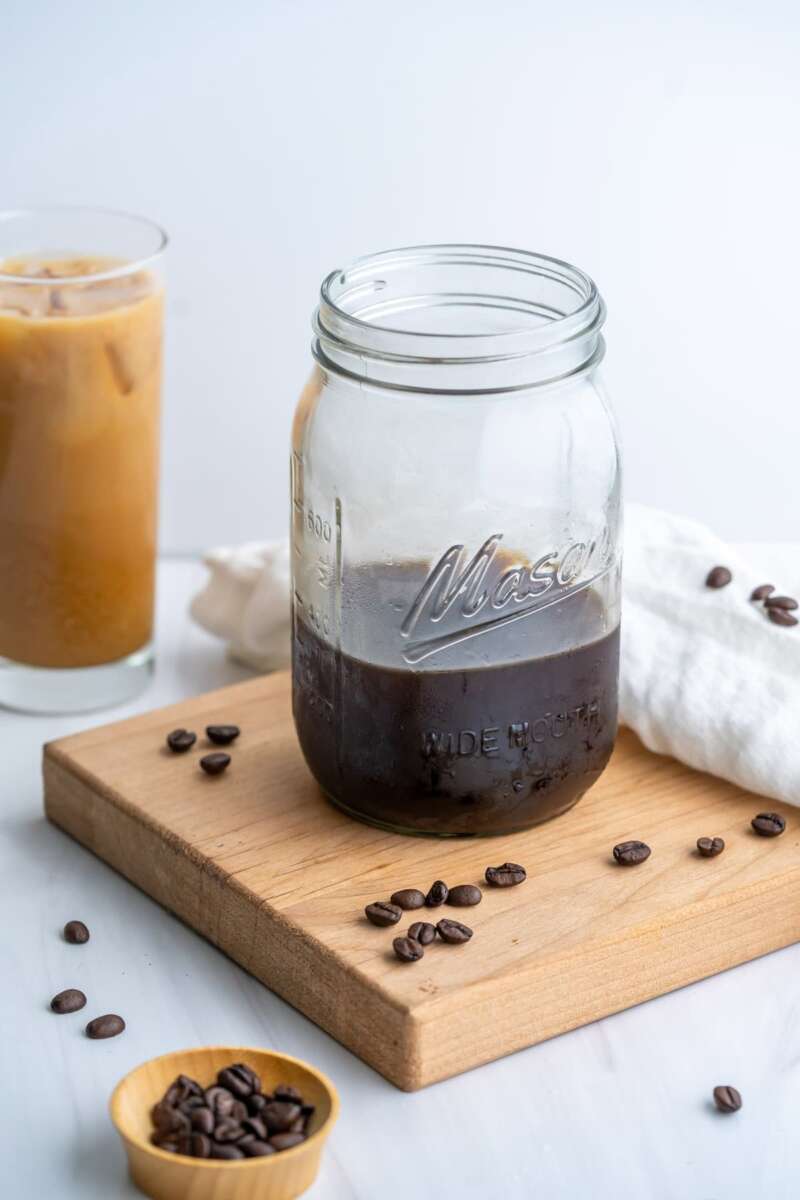
Cold brew is one of the easiest ways to make coffee concentrate at home. The coffee grounds steep in cool water for many hours, which creates a smooth drink with low sharpness.
Ingredients and ratio
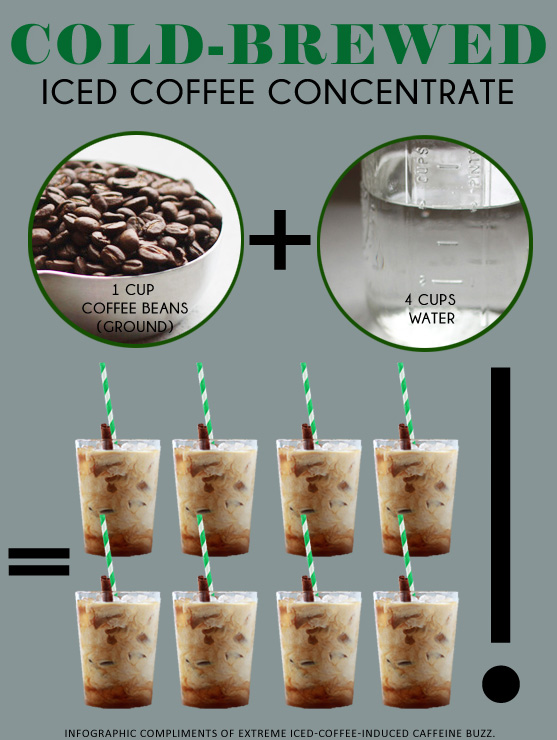
Use this starting ratio:
• 1 cup coarsely ground coffee
• 4 cups filtered water
This is close to a 1:4 coffee-to-water ratio by weight or volume, though weight is more precise. For a stronger batch, use 1 part coffee to 3 parts water.
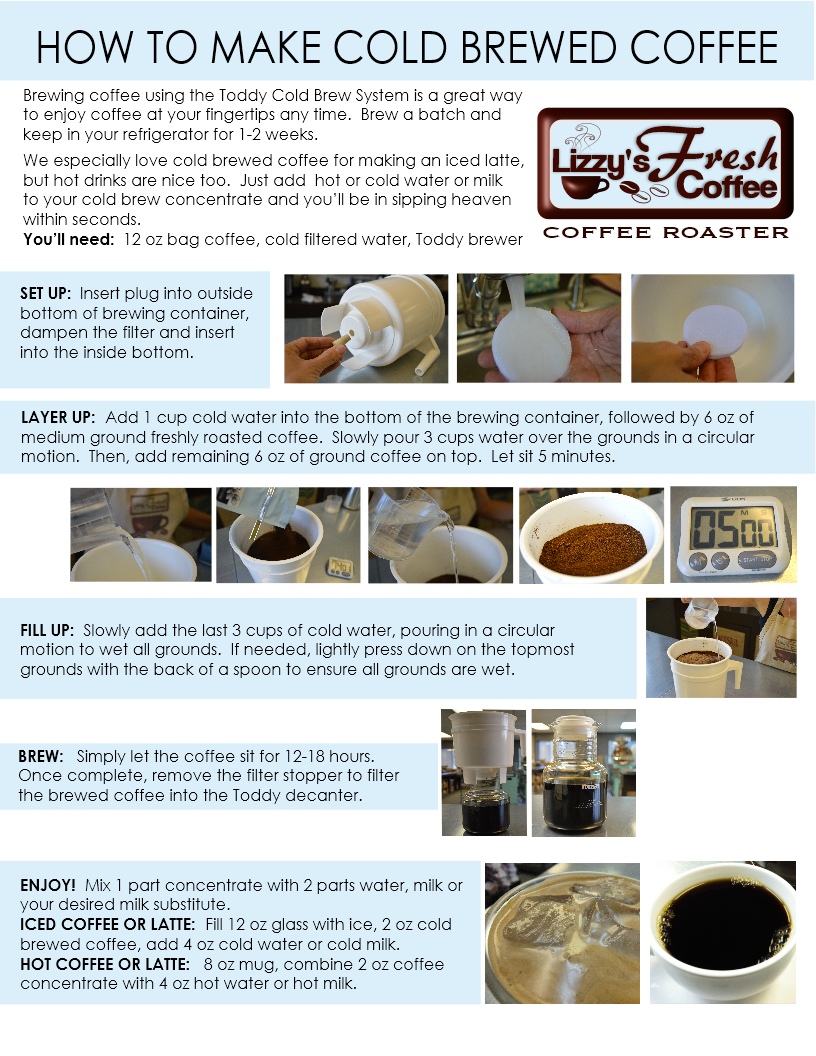
Step-by-step method
-
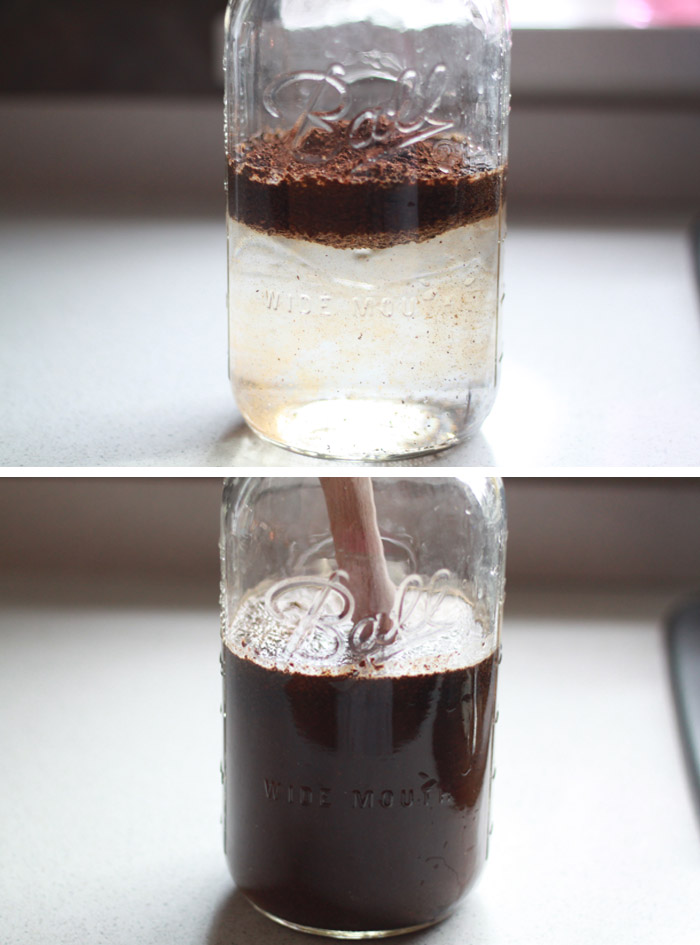
Add the coffee grounds to a large jar or pitcher.
-
Pour in the filtered water.
-
Stir slowly until all the grounds are wet.
-
Cover the container and place it in the refrigerator or on the counter.
-
Steep for 12 to 18 hours.
-
Strain the mixture through a fine-mesh filter lined with a paper coffee filter.
-
Pour the strained coffee concentrate into a clean, airtight bottle.
-
Chill it before serving.
A 12-hour steep often gives a lighter flavor. An 18-hour steep creates a bolder batch, but longer is not always better. Excessive steeping can add woody or bitter notes.
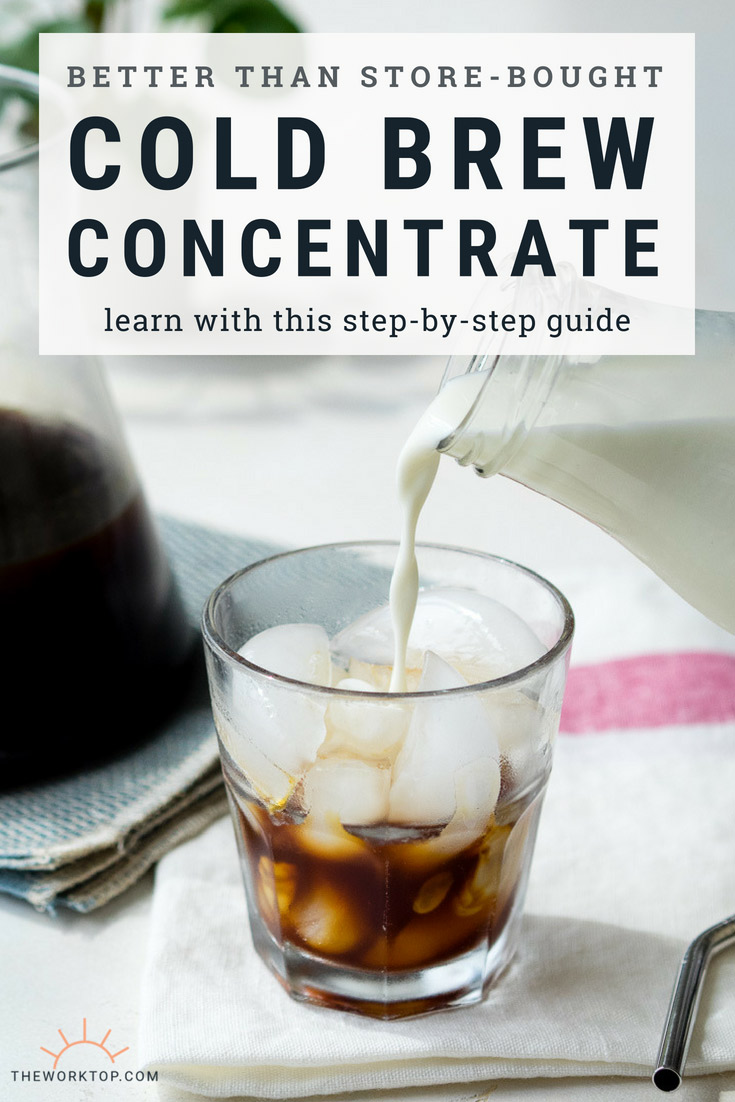
For serving, mix 1 part cold brew concentrate with 1 to 2 parts water or milk. Add ice, sweetener, or syrup if you like.

How to Make Hot Coffee Concentrate
Hot brewing is useful when you want coffee concentrate right away. It extracts flavor quickly and works well for hot drinks, iced coffee, and baking.
Basic hot concentrate recipe
Use:
• 1 ounce of medium-fine ground coffee by weight
• 4 ounces of hot water
This creates a very strong coffee concentrate. You can make a larger batch by keeping the same ratio.
Step-by-step method
-
Heat filtered water to about 195°F to 205°F.
-
Add the coffee grounds to a French press, pour-over brewer, or heat-safe jar.
-
Pour in the hot water.
-
Stir gently to wet every ground.
-
Brew for 3 to 5 minutes.
-
Press or filter the coffee slowly.
-
Cool the concentrate if you plan to use it over ice.
A French press makes a full-bodied concentrate because some coffee oils pass through the metal filter. A paper filter produces a cleaner cup. A pour-over gives you more control but requires slower pouring.
Do not use boiling water directly on the grounds. Water at 212°F can pull out too many bitter compounds, especially with dark-roasted coffee.
The Best Coffee-to-Water Ratio
The right ratio depends on how strong you want the concentrate and how you plan to use it.
Here are useful starting points:
• Mild concentrate: 1 part coffee to 5 parts water
• Standard concentrate: 1 part coffee to 4 parts water
• Strong concentrate: 1 part coffee to 3 parts water
For example, use 100 grams of coffee with 400 grams of water for a standard batch. After filtering, dilute a small amount and taste it before changing the whole recipe.
Coffee grounds absorb water. A batch made with 100 grams of coffee and 400 grams of water will not produce 500 grams of liquid. Some water remains trapped in the grounds.
Taste is the best guide. If the drink tastes weak after dilution, use less water when serving. If it tastes harsh, dilute it more or shorten the brew time next time.
How to Choose Coffee for Concentrate
The coffee roast and grind both affect your final drink.
Roast level
Medium roast coffee is a safe choice because it offers balance. It can show fruit, chocolate, caramel, or nut flavors without becoming too smoky.
Dark roast coffee makes a bold concentrate with notes of cocoa, toast, and spice. It may taste bitter if you steep it too long.
Light roast coffee can create a bright, complex concentrate. It often needs careful brewing because under-extraction may make it taste sour.
Grind size
Use a coarse grind for cold brew. It helps reduce sediment and makes filtering easier.
Use a medium-fine grind for most hot brewing methods. Very fine grounds can clog filters and make the coffee taste muddy or bitter.
One lesson from recipe testing is that grind size often matters more than people expect. Changing from fine to coarse grounds can improve a recipe without changing the beans or equipment.
How to Use Coffee Concentrate
Coffee concentrate is useful because you can prepare drinks quickly throughout the week.
Try these serving ideas:
• Iced coffee: Mix 1 part concentrate with 1 to 2 parts cold water over ice.
• Iced latte: Mix 1 part concentrate with 2 parts cold milk.
• Hot coffee: Add hot water until the flavor feels balanced.
• Mocha: Combine concentrate with milk, cocoa powder, and a little sweetener.
• Affogato: Pour a small amount over vanilla ice cream.
• Coffee smoothie: Blend concentrate with milk, banana, ice, and nut butter.
• Tiramisu: Use cooled concentrate to soak ladyfingers.
• Coffee syrup: Simmer concentrate with sugar to make a topping for desserts.
A helpful trick is to freeze coffee concentrate in ice cube trays. Add the cubes to iced coffee so the drink does not become watery as the ice melts.
How to Store Coffee Concentrate Safely
Store coffee concentrate in a clean, sealed container in the refrigerator. Cold brew concentrate generally keeps its best flavor for about 7 to 10 days, although quality can change sooner.
Hot-brewed concentrate is best used within 3 to 5 days when refrigerated. The exact shelf life depends on cleanliness, storage temperature, and whether milk or sugar has been added.
Follow these safety habits:
• Refrigerate the concentrate within two hours of brewing.
• Use a clean glass bottle or jar.
• Keep the container sealed.
• Do not store concentrate at room temperature for long periods.
• Pour only what you need instead of drinking from the bottle.
• Discard it if it smells sour, shows mold, develops gas, or tastes unusual.
Coffee concentrate is not a shelf-stable product unless it has been commercially processed and packaged. Homemade concentrate should always be treated as a refrigerated food.

Common Mistakes to Avoid
Making coffee concentrate is forgiving, but a few mistakes can ruin the flavor.
• Using stale coffee: Old coffee may taste flat or papery.
• Choosing the wrong grind: Fine grounds can make cold brew muddy and bitter.
• Steeping too long: Extra time can create harsh flavors.
• Using boiling water: Very hot water may over-extract dark roasts.
• Skipping the second filter: Fine sediment can make the drink gritty.
• Guessing the ratio: Small changes can create a large difference in strength.
• Leaving it uncovered: Coffee can absorb smells from the refrigerator.
• Adding milk before storage: Dairy shortens the storage life and can spoil faster.
If your coffee concentrate tastes sour, try a slightly finer grind, warmer water, or a longer brew time. If it tastes bitter, use a coarser grind, cooler water, or a shorter steep.
Cold Brew vs. Hot Coffee Concentrate
Both methods work well, but they suit different needs.
| Feature | Cold brew concentrate | Hot coffee concentrate |
|---|---|---|
| Brew time | 12 to 18 hours | 3 to 5 minutes |
| Flavor | Smooth and mellow | Rich and aromatic |
| Best use | Iced coffee and lattes | Hot drinks and quick recipes |
| Grind | Coarse | Medium-fine |
| Equipment | Jar and filter | French press or brewer |
| Storage | About 7 to 10 days for best quality | About 3 to 5 days for best quality |
Choose cold brew when you want a smooth drink ready for several mornings. Choose hot brewing when you need coffee concentrate now or want more fresh-brewed aroma.
Neither method is automatically stronger in caffeine. The caffeine level depends on the amount of coffee used, the serving size, and how much you dilute the concentrate.
How to Adjust Flavor and Strength
Taste the concentrate after it has cooled slightly. Very hot coffee can hide some flavors and make judging strength harder.
Use these adjustments:
• Too strong: Add water or milk.
• Too weak: Use less dilution next time.
• Too bitter: Shorten the brew time or use a coarser grind.
• Too sour: Brew longer or use slightly hotter water.
• Too thin: Increase the coffee amount.
• Too muddy: Improve the filter or use coarser grounds.
Sweeteners can cover bitterness, but they do not fix an over-extracted brew. It is better to correct the brewing process first.
For a smooth daily routine, write down your coffee weight, water weight, grind, and brew time. This simple record helps you repeat a good batch instead of relying on memory.
Frequently Asked Questions About How to Make Coffee Concentrate
What is the easiest way to make coffee concentrate?
The easiest method is cold brewing coffee grounds with water in a jar for 12 to 18 hours. Strain the mixture, refrigerate it, and dilute it before drinking.
Can you make coffee concentrate with regular ground coffee?
Yes, regular ground coffee works well. Use coarse grounds for cold brew and medium-fine grounds for hot coffee concentrate.
How much water do you add to coffee concentrate?
Start with 1 part concentrate and 1 to 2 parts water or milk. Adjust the amount based on the coffee’s strength and your taste.
How long does homemade coffee concentrate last?
Refrigerated cold brew concentrate usually keeps its best quality for about 7 to 10 days. Hot-brewed concentrate is best used within about 3 to 5 days.
Is coffee concentrate the same as espresso?
No. Espresso is brewed under pressure with a very fine grind and produces a small, highly concentrated shot. Coffee concentrate uses more water and can be made with several brewing methods.
Can you make coffee concentrate without a coffee maker?
Yes. Use a jar, ground coffee, water, and a fine filter. A French press is convenient, but it is not required.
Does coffee concentrate have more caffeine?
It can contain more caffeine per ounce because it uses more coffee grounds. Once diluted, the caffeine in a serving depends on how much concentrate you use.
Conclusion
Making coffee concentrate at home takes little equipment and gives you control over strength, flavor, and cost. Use a 1:4 coffee-to-water ratio as a starting point, choose the right grind, filter carefully, and keep the finished concentrate cold.
Cold brew is ideal for smooth iced drinks, while hot brewing delivers fast, rich flavor. Start with a small batch, taste as you go, and adjust one detail at a time. Try your own recipe this week, then share your favorite ratio or serving idea in the comments.

Liora Pennings is a seasoned chef and kitchen enthusiast with a passion for turning everyday cooking into an effortless experience. With years of hands-on culinary expertise, she specializes in practical techniques, ingredient know-how, and smart kitchen solutions that help home cooks elevate their meals. At KitchFlair.com, Liora shares her best tips, time-saving tricks, and honest product reviews to guide readers toward a more efficient, enjoyable, and inspired cooking routine. Whether you’re a beginner or a seasoned home chef, Liora’s friendly, knowledge-packed insights make every visit to the kitchen a little easier—and a lot more delicious.