How Many Watts Does A Coffee Maker Use: Energy Guide
Most coffee makers use 600 to 1,500 watts, while small models may use less and commercial brewers much more.
Knowing how many watts does a coffee maker use can help you choose the right appliance, estimate energy costs, and avoid overloading a power strip or generator. After comparing common drip machines, single-serve brewers, espresso makers, and commercial units, the main lesson is simple: the heating element uses most of the power, not the coffee pump or display. This guide explains coffee maker wattage in plain terms and shows how to calculate the cost for your home.
How many watts does a coffee maker use?
Most standard home coffee makers use between 600 and 1,500 watts while brewing. A basic 5-cup coffee maker may use about 550 to 900 watts, while a larger 10- or 12-cup drip machine often uses 900 to 1,200 watts.
Single-serve coffee makers commonly draw 1,000 to 1,500 watts. Espresso machines can use 1,000 to 1,800 watts because they must heat water quickly and maintain pressure. Large commercial coffee machines may need 2,000 watts or more.
The exact number depends on the machine’s design, size, heating system, and brewing speed. The most accurate figure is printed on the rating label, power cord tag, user manual, or product box.
Typical wattage ranges include:
• Small drip coffee maker: 550 to 900 watts
• Standard 10- to 12-cup coffee maker: 900 to 1,200 watts
• Single-serve pod brewer: 1,000 to 1,500 watts
• Espresso machine: 1,000 to 1,800 watts
• Coffee grinder: 100 to 300 watts
• Commercial coffee brewer: 1,500 to 3,000 watts or more
• Portable coffee maker: 100 to 800 watts
So, how many watts does a coffee maker use during a normal brew? In most kitchens, the answer is close to 1,000 watts for a short period.

Coffee maker wattage by type
Different coffee makers use different amounts of electricity. A small machine that heats one or two cups may use less power than a large brewer, but some compact models still have high wattage because they heat water very fast.
Drip coffee makers
Drip coffee makers are among the most common household models. They usually use 700 to 1,200 watts during the brewing cycle.
A 12-cup coffee maker does not always use more electricity than a 5-cup model. Its wattage may be similar, but it often runs longer because it heats more water. The total energy used depends on both power and time.
Single-serve coffee makers
Single-serve machines often use 1,000 to 1,500 watts. They need strong heating power to bring a small amount of water to brewing temperature within a minute or two.
Even with a higher wattage rating, a pod machine may use less total energy per cup than a large drip brewer. It runs for a shorter time and heats less water.
Espresso machines
Espresso machines usually use 1,000 to 1,800 watts. Some advanced machines have dual boilers, built-in grinders, and steam systems that can raise power use.
The heating system may cycle on and off while the machine is idle. This means an espresso machine can use energy even when it is not actively making espresso, especially when left warm all day.
French presses and pour-over brewers
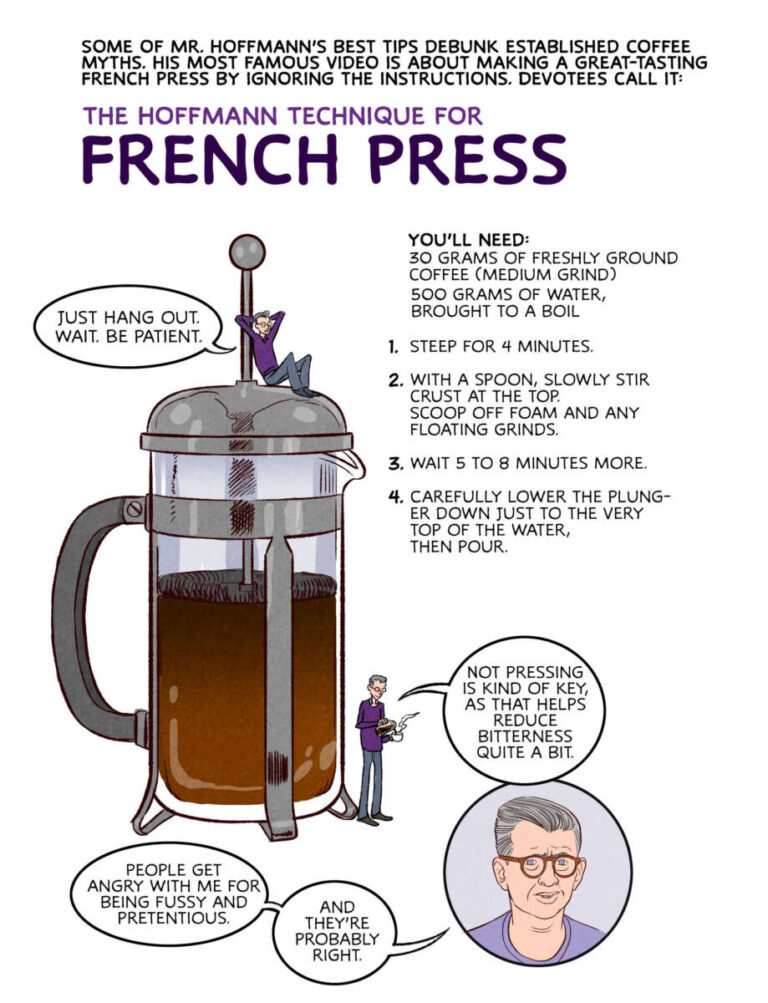
A French press uses no electricity by itself. A pour-over cone also uses no electricity, although an electric kettle may use 1,000 to 1,500 watts while heating water.
This does not mean the kettle always costs more to use. A kettle often heats only the water needed, which can make it efficient for one or two cups.
Commercial coffee makers
Commercial brewers may use 1,500 to 3,000 watts or more. They often keep a water tank hot and may brew several pots each hour.
These machines are designed for offices, restaurants, cafés, and busy kitchens. They may need a dedicated circuit, so always check the manufacturer’s electrical instructions.
What affects coffee maker power consumption?
Wattage tells you the rate of electricity use. It does not tell you the total amount of energy used over a day or month. To understand how many watts does a coffee maker use in real life, you must also consider time, temperature, volume, and standby behavior.
Important factors include:
• Brewing time: A machine that runs for 10 minutes uses more energy than one that runs for 4 minutes at the same wattage.
• Water volume: Heating more water usually requires more energy.
• Heating temperature: Hotter water requires more power or more heating time.
• Keep-warm plate: The warming plate may continue drawing power after brewing ends.
• Standby mode: Displays, clocks, and sensors may use a small amount of electricity.
• Brew frequency: Making four pots a day uses much more energy than making one.
• Machine condition: Mineral buildup can slow heating and increase operating time.
• Room temperature: Cold water and cold surroundings may slightly increase heating needs.
The warming plate is easy to overlook. A coffee maker may use most of its power during brewing, but the plate can keep using electricity for hours. Turning off the machine after pouring your coffee is often the simplest energy-saving step.
In my experience, people often focus on the large number printed on the label and ignore run time. That is a common mistake. A 1,200-watt coffee maker used for six minutes may use less energy than a 900-watt machine left on with a warming plate for two hours.

How to calculate coffee maker energy use
You can calculate energy use with a simple formula:
Energy used in kilowatt-hours = watts × hours of use ÷ 1,000
For example, imagine a 1,000-watt coffee maker that runs for 10 minutes:
- Convert 10 minutes to hours: 10 ÷ 60 = 0.167 hours.
- Multiply watts by hours: 1,000 × 0.167 = 167 watt-hours.
- Convert watt-hours to kilowatt-hours: 167 ÷ 1,000 = 0.167 kilowatt-hours.
If you brew one pot every day, the monthly energy use would be:
0.167 kilowatt-hours × 30 days = about 5 kilowatt-hours per month.
Your actual result may be higher if the warming plate stays on. It may also be lower if the coffee maker cycles its heater or switches off automatically.
A plug-in electricity meter can provide a more accurate reading. These meters show the watts used during brewing and the total kilowatt-hours used over time. They are useful for comparing appliances because the label shows rated power, while the meter shows real-world use.

How much does it cost to run a coffee maker?
The cost depends on your electricity rate. In the United States, household electricity prices vary widely by state and utility plan. You can use the rate shown on your electric bill for the most accurate estimate.
Use this formula:
Cost = kilowatt-hours used × electricity price per kilowatt-hour
For example, assume:
• Coffee maker power: 1,000 watts
• Brewing time: 10 minutes
• Daily use: One brew
• Electricity rate: $0.18 per kilowatt-hour
The machine uses about 0.167 kilowatt-hours per brew.
Daily cost:
0.167 × $0.18 = about $0.03
Monthly cost:
$0.03 × 30 = about $0.90
That estimate covers the brewing cycle only. If the warming plate runs for several hours each day, the cost can rise. A machine used many times daily may also consume several times more energy than this example.
The cost is usually modest, but small savings add up. If you use a coffee maker every day for years, switching it off promptly and brewing only the amount you need can reduce waste without changing your coffee routine.

Does a higher-watt coffee maker brew better coffee?
A higher-watt coffee maker does not automatically make better coffee. Wattage mainly indicates how quickly the machine can heat water and maintain brewing temperature.
Coffee quality depends on several other factors:
• Water temperature
• Brewing time
• Water-to-coffee ratio
• Grind size
• Even water distribution
• Freshness of the beans
• Filter quality
• Machine cleanliness
Many coffee experts consider a brewing temperature near 195°F to 205°F suitable for good extraction. A machine with enough power can reach and maintain that range, but extra wattage alone does not guarantee it.
A 1,500-watt machine may heat water quickly, yet produce weak or bitter coffee if the grind, dose, or brew time is wrong. Think of wattage as the engine size. It helps the machine work, but it does not decide how well the whole system performs.
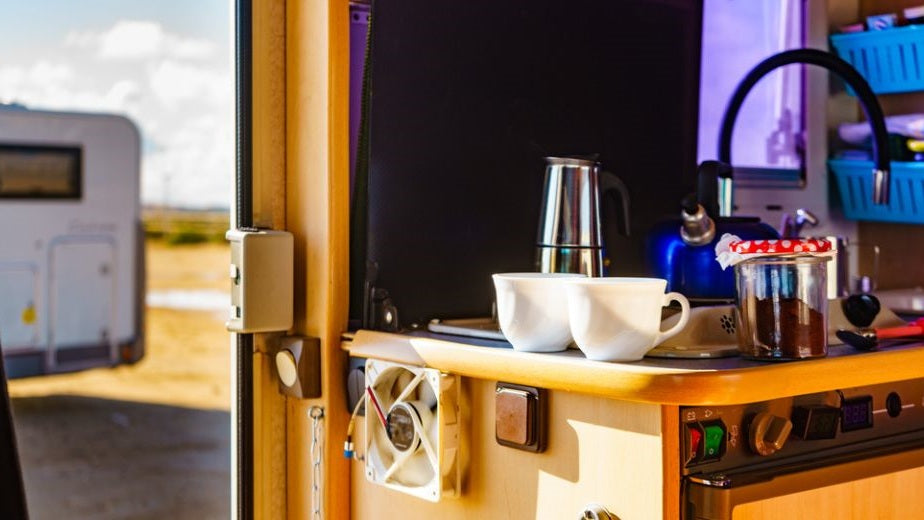
Can a coffee maker run on a generator or inverter?
Yes, but the generator or inverter must provide enough continuous power. A coffee maker rated at 1,200 watts may need a power source that can supply at least 1,200 watts continuously. A safety margin of 20% to 25% is helpful.
For example, a 1,200-watt coffee maker should ideally use a generator rated for at least 1,500 watts if no other major appliance is connected.
Before using a coffee maker with backup power, check these points:
• Read the coffee maker’s wattage label.
• Check the generator’s continuous, not only peak, output.
• Add the wattage of other connected devices.
• Use a proper grounded outlet.
• Keep the generator outdoors and far from doors and windows.
• Do not use a damaged extension cord.
• Follow the instructions for the inverter or battery station.
Pure sine wave inverters are often preferred for sensitive electronic controls. Many simple heating appliances work with other inverter types, but the manufacturer’s guidance should come first.
A battery power station may run a coffee maker, but heating appliances drain batteries quickly. A 1,000-watt coffee maker can use a large share of a small portable battery in only a few brewing cycles.

Can a coffee maker overload an outlet?
A normal coffee maker usually does not overload a household outlet when used alone. The risk increases when you connect it to a crowded power strip or share the circuit with a toaster, microwave, air fryer, or electric kettle.
A 1,200-watt appliance on a 120-volt circuit draws about 10 amps. The calculation is:
Amps = watts ÷ volts
So:
1,200 ÷ 120 = 10 amps
Many kitchen circuits are rated at 15 or 20 amps, but you should not treat the full rating as unlimited capacity. Continuous loads and other appliances reduce the available margin.
For safe use:
• Plug high-wattage heating appliances directly into a wall outlet when possible.
• Avoid cheap, overloaded power strips.
• Do not connect several heat-producing appliances to one outlet.
• Stop using the cord if it becomes hot, cracked, or damaged.
• Ask a licensed electrician about repeated breaker trips or warm outlets.
If a breaker trips when the coffee maker runs, do not repeatedly reset it without finding the cause. The problem may be an overloaded circuit, a faulty appliance, or a wiring issue.
Ways to reduce coffee maker electricity use
You do not need to buy a new machine to lower energy use. Small changes can make a noticeable difference, especially if you brew coffee every day.
Try these practical steps:
• Brew only the amount you plan to drink.
• Turn off the warming plate as soon as possible.
• Use an insulated carafe instead of keeping coffee hot on a plate.
• Descale the machine when mineral deposits build up.
• Clean the filter basket and spray head often.
• Use an automatic shutoff feature.
• Avoid turning the machine on long before brewing.
• Heat only the water needed for manual brewing.
• Unplug the machine if it has a clock or standby display you do not use.
• Replace an inefficient or damaged machine when repair costs become high.
The insulated-carafe tip is especially useful. It keeps coffee warm without continuously heating a metal plate. The coffee may also taste better because prolonged heat can create a burnt flavor.
In practical kitchen testing, the biggest avoidable waste usually comes from leaving the machine on after brewing. People pour one cup, get busy, and forget the coffee maker for the rest of the morning. An automatic shutoff is a simple safeguard.
How to find your coffee maker’s exact wattage
The number on a general chart is only an estimate. To find the exact answer to how many watts does a coffee maker use, inspect the appliance itself.
Look in these places:
- Check the rating label on the bottom or back of the machine.
- Look for a number followed by “W,” such as 900W or 1,200W.
- Review the owner’s manual.
- Search the model number on the manufacturer’s product page.
- Measure the appliance with a plug-in watt meter.
The label may list volts, amps, and watts. If it lists volts and amps but not watts, multiply them:
Watts = volts × amps
For example, a machine rated at 120 volts and 8 amps uses about:
120 × 8 = 960 watts
This is the rated maximum or typical operating load. Real use can change as the heater cycles. A watt meter is the best option when you need a real measurement rather than a label estimate.
Wattage comparison with other kitchen appliances
Comparing coffee maker wattage with other kitchen appliances helps put the numbers in context. A coffee maker is often less demanding than a microwave or toaster oven, but it still uses a strong heating load while operating.
Typical household ranges include:
• Coffee maker: 600 to 1,500 watts
• Electric kettle: 1,000 to 1,500 watts
• Toaster: 800 to 1,500 watts
• Microwave: 900 to 1,500 watts of cooking output, with higher electrical input on some models
• Toaster oven: 1,200 to 1,800 watts
• Air fryer: 1,200 to 2,000 watts
• Refrigerator: lower average use, but it cycles on and off
• Coffee grinder: 100 to 300 watts
This comparison shows why a coffee maker and toaster should not always share a small power strip. Both appliances create heat and can draw close to 1,000 watts or more at the same time.