How To Make Coffee With Coffee Beans: Easy Brewing Guide
To make coffee with coffee beans, grind fresh beans, add hot water, brew, and strain or filter.
Learning how to make coffee with coffee beans is simple, but small details shape the final cup. Bean freshness, grind size, water temperature, and brew time work together like parts of a recipe. This guide explains each step so you can make smooth, flavorful coffee at home, whether you use a French press, drip machine, pour-over, or espresso maker.
What You Need to Make Coffee With Coffee Beans
Before you learn how to make coffee with coffee beans, gather a few basic tools. You do not need expensive gear, but better control often leads to better flavor.
You will need:
• Whole coffee beans
• A burr grinder or blade grinder
• Fresh, clean water
• A brewing device
• A coffee scale or measuring spoon
• A kettle
• A mug or serving carafe
A burr grinder is the best choice because it creates more even grounds. A blade grinder chops beans into mixed sizes. This can produce both dusty powder and large pieces, which extract at different speeds.
Use filtered water when possible. Coffee is mostly water, so water quality matters. Water with a strong chlorine taste or heavy mineral content can hide the bean’s natural flavor.
A simple starting ratio is 1 gram of coffee for every 16 grams of water. For a regular 10-ounce cup, use about 18 to 20 grams of beans and 290 to 320 grams of water.
Choose Fresh Coffee Beans
The first rule for how to make coffee with coffee beans is to start with beans that still have good flavor. Coffee tastes best when the beans are fresh, properly stored, and suited to your preferred brew method.
Check the roast date if the bag provides one. Beans often taste best between about one and six weeks after roasting, though the ideal window varies by roast level and storage. A “best by” date is less useful because it may not show when the beans were roasted.
Consider these bean choices:
• Light roast: Bright, floral, fruity, and often more acidic
• Medium roast: Balanced, sweet, and versatile
• Dark roast: Bold, smoky, bitter, and less acidic
• Arabica beans: Often sweet and complex
• Robusta beans: Strong, earthy, and higher in caffeine
Store coffee beans in an airtight, opaque container away from heat, light, moisture, and strong odors. Do not store them in the refrigerator. Coffee can absorb nearby smells, and repeated temperature changes may create moisture inside the container.
In my own home brewing tests, stale beans were the most common cause of flat coffee. Changing the machine did little. Using a fresh bag made a much greater difference.

Grind Coffee Beans Correctly
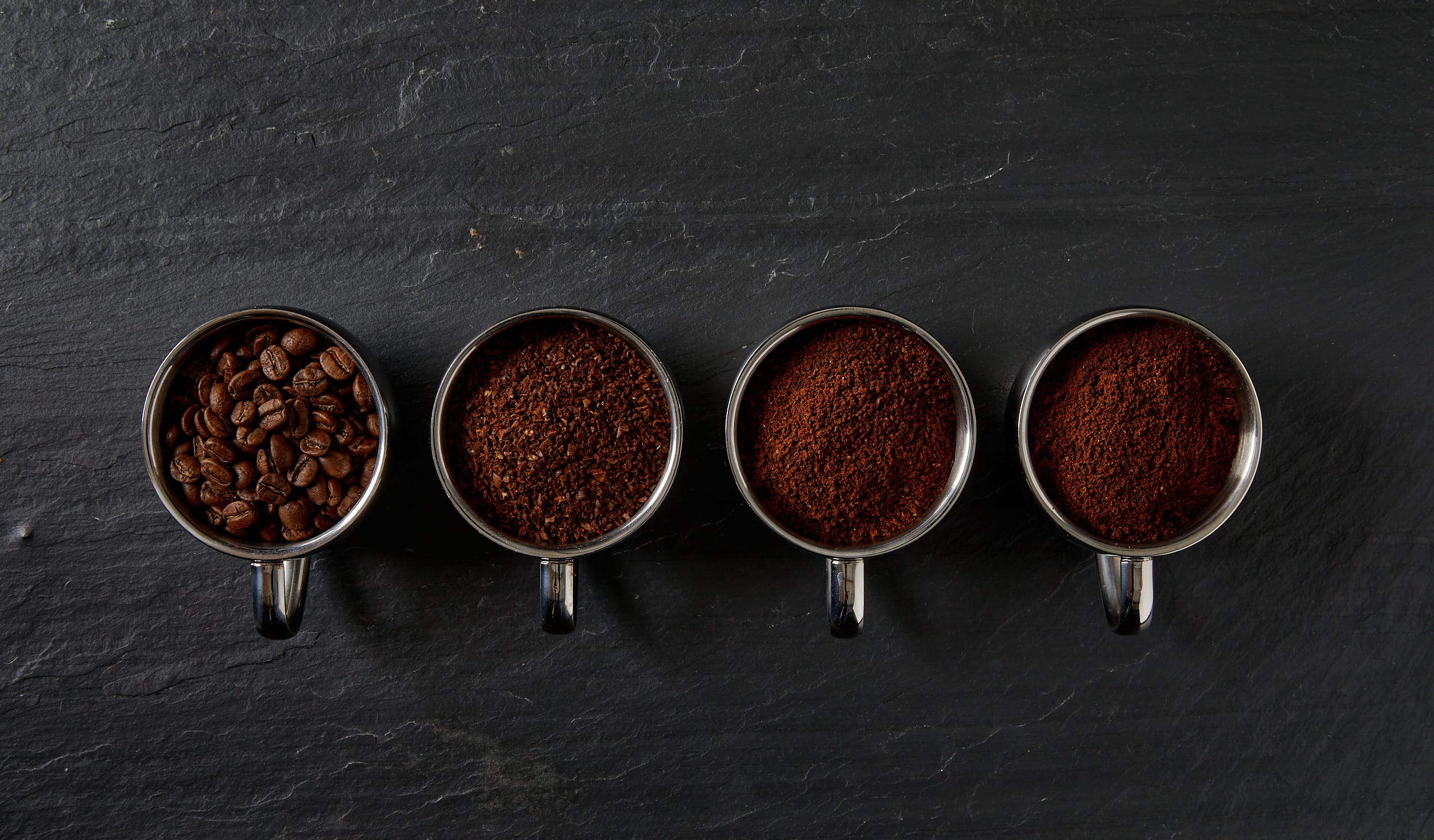
Grinding is one of the most important steps in how to make coffee with coffee beans. The grind controls how quickly water moves through the coffee and how much flavor it removes.
Use the grind size that matches your brewing method:
• Coarse: French press and cold brew
• Medium: Drip coffee makers and flat-bottom brewers
• Medium-fine: Cone pour-over brewers
• Fine: Espresso machines
• Extra-fine: Turkish coffee
Grind the beans just before brewing. Ground coffee loses aroma quickly because more surface area touches the air. Fresh grinding helps preserve the oils and gases that give coffee its smell and taste.
A burr grinder with adjustable settings gives the most control. If you use a blade grinder, pulse it in short bursts and shake it gently between pulses. This will not create a perfect grind, but it can reduce uneven pieces.
Avoid grinding too fine for a French press. The small particles may pass through the filter and create muddy coffee. Avoid using a coarse grind for espresso, because the water may pass through too quickly and produce a thin, sour shot.
How to Make Coffee With Coffee Beans Using a Drip Coffee Maker
A drip coffee maker is one of the easiest ways to make coffee with coffee beans. It provides steady water flow and works well for several cups.
Follow these steps:
- Fill the water reservoir with fresh water.
- Grind 18 to 20 grams of beans for about 10 ounces of brewed coffee.
- Place a paper filter in the basket.
- Add the ground coffee to the filter.
- Start the machine.
- Let the coffee finish dripping before serving.
- Stir the brewed coffee gently before drinking.
Use medium-ground coffee for most drip machines. If the coffee tastes sour or weak, use a slightly finer grind or add a little more coffee. If it tastes bitter or dry, try a slightly coarser grind or reduce the brew time.
Do not leave coffee on a hot plate for a long time. Heat can make the flavor harsh and bitter. Transfer extra coffee to a thermal carafe instead.
A good drip brewer should bring water to roughly 195°F to 205°F during brewing. This range is widely used in professional coffee standards because it supports balanced extraction.
How to Make Coffee With Coffee Beans Using a French Press
A French press makes rich coffee with a full body. It allows natural coffee oils to remain in the cup because the metal filter does not remove them as completely as a paper filter.
To make coffee with coffee beans in a French press:
- Use a coarse grind.
- Add 30 grams of coffee to an 8-cup press.
- Heat about 480 grams of water to 195°F to 205°F.
- Pour the water over the grounds.
- Stir once to wet all the coffee.
- Place the lid on the press without pushing the plunger.
- Steep for about four minutes.
- Press the plunger down slowly.
- Pour the coffee into a cup right away.
If the coffee tastes bitter, steep it for less time or use a coarser grind. If it tastes weak, steep it slightly longer or use more coffee.
One mistake I often see is pressing the plunger with force. This can disturb the grounds and push fine particles into the cup. A slow, steady press creates a cleaner result.
Clean the French press after every use. Old coffee oils can become rancid and add a stale taste to new batches.

How to Make Coffee With Coffee Beans Using a Pour-Over
Pour-over brewing gives you strong control over water flow, timing, and extraction. It can produce a clean and bright cup, but it takes more attention than a drip machine.
Start with these measurements:
• 20 grams of medium-fine coffee
• 320 grams of water
• Water temperature between 195°F and 205°F
• Total brew time of about three to four minutes
Follow this process:
- Place the paper filter in the brewer.
- Rinse the filter with hot water.
- Add the ground coffee.
- Pour about 40 grams of water over the grounds.
- Wait 30 to 45 seconds for the coffee to bloom.
- Pour the rest of the water in slow circles.
- Let the water pass through the grounds.
- Remove the brewer and enjoy the coffee.
The bloom releases carbon dioxide from freshly roasted coffee. This step helps water contact the grounds more evenly. Very fresh beans may need a longer bloom.
Keep the water stream gentle. Pouring too fast can disturb the coffee bed and cause uneven extraction. Think of the process as watering a small garden, not spraying a hose.
How to Make Coffee With Coffee Beans Using an Espresso Machine
Espresso requires finely ground coffee, pressure, and careful timing. It is more demanding than other methods, but the result is concentrated and rich.
A common starting recipe uses:
• 18 grams of finely ground coffee
• About 36 grams of espresso
• A brew time of 25 to 30 seconds
• Water near 200°F
To make espresso:
- Grind the beans finely.
- Add the grounds to the portafilter.
- Distribute the coffee evenly.
- Tamp with firm, level pressure.
- Lock the portafilter into the machine.
- Start the shot.
- Stop the shot when you reach the target amount.
- Taste and adjust the grind for the next shot.
If the espresso runs too fast, make the grind finer. If it runs too slowly, make the grind slightly coarser. Change only one factor at a time so you know what improved the cup.
Espresso beans do not have to be a special type of bean. Any coffee bean can work if it is roasted and ground for espresso. The label usually describes the intended style, not a strict bean category.

Coffee-to-Water Ratios That Work
The right ratio is central to how to make coffee with coffee beans. Too little coffee creates a weak drink. Too much coffee can make it heavy or overly intense.
Use this table as a starting point:
| Brew method | Coffee | Water |
|---|---|---|
| Drip coffee | 18 to 20 grams | 290 to 320 grams |
| French press | 30 grams | 480 grams |
| Pour-over | 20 grams | 320 grams |
| Espresso | 18 grams | 36 grams |
| Cold brew concentrate | 100 grams | 700 to 800 grams |
A scale is more accurate than a scoop because coffee beans vary in size and density. If you do not have a scale, one level tablespoon of ground coffee holds about 5 grams, but this is only an estimate.
Taste is the final judge. If a ratio produces a cup you enjoy, it is a valid starting point. Coffee recipes offer guidance, not rigid rules.
How to Fix Weak, Bitter, or Sour Coffee
Even when you know how to make coffee with coffee beans, the first cup may not taste right. Coffee flavor can help you find the cause.
Weak or watery coffee may result from:
• Too little coffee
• A grind that is too coarse
• Water that is too cool
• A brew time that is too short
• Stale beans
Bitter or dry coffee may result from:
• A grind that is too fine
• A brew time that is too long
• Water that is too hot
• Too much coffee
• Coffee left on a hot plate
Sour coffee often indicates under-extraction. Try a finer grind, a longer brew time, or hotter water. Bitter coffee often indicates over-extraction, so try a coarser grind or shorter brew time.
Make one adjustment at a time. Changing the grind, ratio, temperature, and brew time together makes it hard to learn what happened.
How to Store Coffee Beans and Keep Them Fresh
Proper storage protects the flavor you worked to create. Keep whole beans in an airtight container with little empty space.
Follow these storage tips:
• Keep the container in a cool, dark cabinet.
• Buy only enough coffee for two to four weeks.
• Close the container after each use.
• Grind only the amount you plan to brew.
• Keep beans away from sunlight, steam, and heat.
Do not leave beans in an open bag beside the coffee maker. Heat and moisture can damage them faster. A sealed bag with a one-way valve can work well if you press out excess air before closing it.
Coffee does not usually become unsafe as soon as it gets old. The main issue is quality. Old beans lose aroma and may taste flat, papery, or dull.
Common Mistakes to Avoid
The best way to improve how to make coffee with coffee beans is to avoid a few common errors.
• Using pre-ground coffee for too long: It loses aroma faster than whole beans.
• Ignoring water quality: Strong odors or flavors in water can affect the cup.
• Using the wrong grind: Grind size must match the brewing method.
• Guessing every measurement: A scale creates more repeatable results.
• Brewing with boiling water: Very hot water can increase harsh flavors.
• Letting coffee sit on heat: The flavor often becomes bitter.
• Failing to clean equipment: Old oils can spoil the taste.
• Changing many variables at once: Small, controlled changes teach you more.
When I first adjusted home brewing recipes, I focused too much on expensive beans. The bigger lesson was simpler: fresh grinding, correct water temperature, and a consistent ratio matter more than a costly label.
Frequently Asked Questions About How to Make Coffee With Coffee Beans
How many coffee beans do I need for one cup?
Use about 18 to 20 grams of whole beans for a 10-ounce cup. This equals roughly two to four tablespoons, depending on bean size and density.
Can I make coffee with whole beans without a grinder?
You need to grind the beans before most brewing methods. A local coffee shop may grind them for you, but the flavor will stay fresher if you grind the beans just before brewing.
What is the best grind size for regular coffee?
Use a medium grind for most automatic drip coffee makers. A medium-fine grind works well for many pour-over brewers, while a coarse grind suits a French press.
Is it better to use hot or boiling water?
Use hot water between 195°F and 205°F. Water that is fully boiling may create harsh flavors, especially when the coffee is finely ground.
How long do coffee beans stay fresh?
Coffee beans often provide their best flavor within one to six weeks after roasting when stored well. They may remain usable longer, but their aroma and complexity will slowly decline.
Why does my coffee taste bitter?
Bitter coffee often comes from over-extraction. Try a coarser grind, a shorter brew time, slightly cooler water, or a smaller coffee dose.
Can I use any coffee beans for espresso?
Yes. Any coffee bean can be used for espresso if it is ground finely and brewed with the right settings. Medium and dark roasts are common, but lighter roasts can also produce bright, complex espresso.
Conclusion
Making great coffee with coffee beans comes down to a few repeatable habits: choose fresh beans, grind them just before brewing, use the right grind size, measure the coffee and water, and control the temperature and brew time. Start with a 1:16 coffee-to-water ratio, then adjust based on taste.
Do not worry about making a perfect cup on your first attempt. Treat each brew as a small experiment, record what you change, and let your palate guide you. Try one of these methods tomorrow, then share your favorite beans, grinder, or brewing tip with another coffee lover.
Liora Pennings is a seasoned chef and kitchen enthusiast with a passion for turning everyday cooking into an effortless experience. With years of hands-on culinary expertise, she specializes in practical techniques, ingredient know-how, and smart kitchen solutions that help home cooks elevate their meals. At KitchFlair.com, Liora shares her best tips, time-saving tricks, and honest product reviews to guide readers toward a more efficient, enjoyable, and inspired cooking routine. Whether you’re a beginner or a seasoned home chef, Liora’s friendly, knowledge-packed insights make every visit to the kitchen a little easier—and a lot more delicious.