How To Clean Black And Decker Coffee Maker: Easy Guide
Run a vinegar cycle, rinse thoroughly, and scrub removable parts for a spotless machine.
I’ve cleaned dozens of Black & Decker machines in my home and for friends, so I know what works fast and what wastes time. This guide shows exactly how to clean Black and Decker coffee maker models step by step, why each step matters, and how to keep your brewer tasting great and running longer. Read on for simple, safe methods, troubleshooting tips, and a clear maintenance schedule you can follow every week and month.

Why regular cleaning matters
A clean coffee maker makes better coffee, lasts longer, and keeps bacteria and mold out of your brew. Mineral scale from hard water clogs heating elements and slows brewing. Old coffee oils leave stale, bitter flavors in the carafe and basket.
Regular cleaning reduces repairs and prevents uneven heating. If you want reliable performance from your Black & Decker coffee maker, cleaning is the cheapest and easiest fix. Follow the steps below to restore flavor and flow quickly.

What you'll need
Gather simple items you likely already have. These tools help you clean safely and avoid damage.
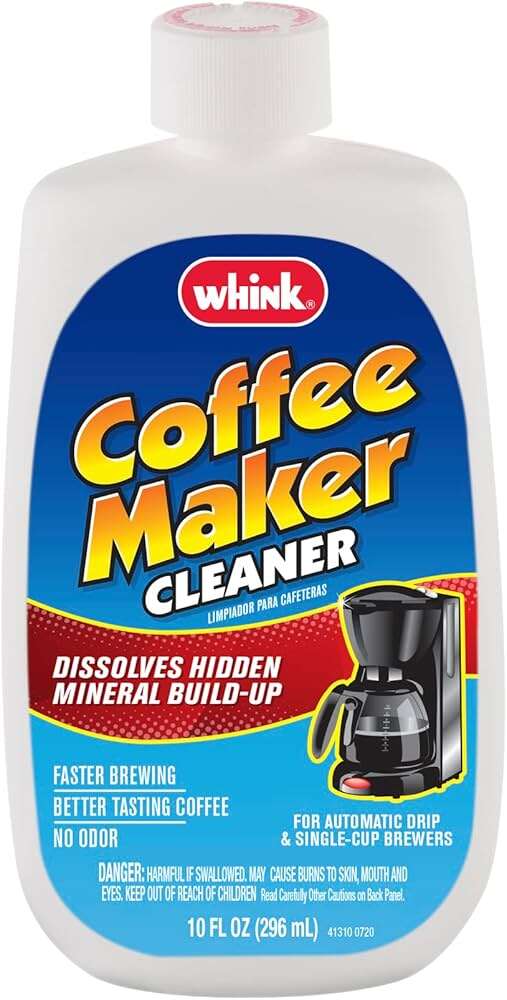
- White distilled vinegar or citric acid powder for descaling
- Mild dish soap for parts and carafe
- Soft sponge or nonabrasive scrub brush
- Clean cloth or paper towels
- Measuring cup and funnel (optional)
- Toothbrush or small brush for crevices
- Replacement water filter if your model uses one
Using the right supplies makes how to clean Black and Decker coffee maker tasks quick. Vinegar is effective. Citric acid works faster and leaves less odor if you prefer it.

Step-by-step cleaning guide
This simple routine covers basic cleaning and a full descale. Repeat the basic clean weekly and descale monthly if you use hard water.
- Empty and cool
- Turn off and unplug the coffee maker. Remove the carafe, filter basket, and any removable components. Discard old coffee grounds.
- Wash removable parts
- Wash the carafe, lid, and filter basket with warm, soapy water. Use a soft sponge to remove oils. Rinse well and dry.
- Wipe exterior and warming plate
- Use a damp cloth and mild soap to wipe the machine exterior. Clean the warming plate with a nonabrasive sponge. Avoid soaking the machine.
- Descale (vinegar method)
- Mix equal parts white vinegar and cold water to fill the reservoir. Run half a brew cycle, pause for 30 minutes, then finish the cycle. Discard the solution.
- Rinse cycles
- Run 2–3 full cycles with fresh water to remove vinegar taste or odor. Always use clean water for the final rinse.
- Reassemble and test
- Replace all parts and run a short brew with water to confirm normal flow and no off-odors.
I once skipped the rinse step and my kitchen smelled like vinegar for a day. Rinse well and taste test a plain cup before brewing coffee again.
Repeat these steps whenever you notice slow drip, odd tastes, or visible scale. This routine is the core of how to clean Black and Decker coffee maker machines safely and effectively.

Deep descaling for mineral buildup
If scale is heavy, use a stronger approach. Citric acid can remove scale faster with less smell.
- Citric acid method
- Dissolve 1–2 tablespoons citric acid powder in a full reservoir of water.
- Run one full brew cycle and let it sit for 15–30 minutes before finishing.
- Rinse with 2–3 cycles of clean water.
For stubborn buildup, repeat the citric acid cycle once more. Do not use bleach inside the machine. Bleach can damage internal parts and leave harmful residues. Deep descaling restores heating efficiency and improves brew speed.
When descaling, check seals and the drip area for trapped mineral flakes. Remove loose scale with a soft brush before running cycles. Proper descaling is a key part of how to clean Black and Decker coffee maker units and keep them efficient.

Cleaning removable parts and filters
Most Black & Decker models have a removable filter basket and carafe. Clean these well to stop stale flavors.
- Carafe
- Wash with soap and warm water after each use. Use a long-handled brush for narrow necks.
- Removable filter basket
- Empty grounds and wash with warm, soapy water. Dry before reusing.
- Charcoal or water filters
- Replace carbon filters per the manual, usually every two months. Rinse or replace permanent filters as needed.
- Showerhead and spout
- Use a toothbrush to scrub the small holes. Clear blockages by running a vinegar rinse.
If your model has a permanent mesh filter, soak it in warm soapy water and scrub gently. Avoid metal scouring pads that scratch parts. These steps complete the practical side of how to clean Black and Decker coffee maker parts without risking damage.

Maintenance tips and schedule
A clear schedule keeps your machine fresh with minimal effort.
- After every use
- Discard grounds, rinse the carafe, and wipe the basket.
- Weekly
- Wash removable parts, wipe exterior, and run a quick water-only brew.
- Monthly
- Descale with vinegar or citric acid if you have soft water; more often for hard water.
- Every 2–3 months
- Replace charcoal water filters and check the power cord and seals.
Small habits prevent big problems. I set a recurring calendar reminder for monthly descaling. It saved me from a clogged heating element and kept coffee taste bright. Follow this schedule to master how to clean Black and Decker coffee maker care.

Troubleshooting common issues
Here are quick fixes for problems that often follow neglect or wear.
- Slow brewing or weak coffee
- Run a descaling cycle. Check for clogged showerhead holes and clean with a small brush.
- Bitter or off tastes
- Wash the carafe and basket thoroughly. Replace old filters and run multiple rinse cycles.
- Leaks near the base
- Inspect the water reservoir and seals. Tighten or replace worn gaskets.
- Machine won’t start
- Ensure it’s plugged in and the carafe is correctly seated. Reset by unplugging for a minute.
How to clean Black and Decker coffee maker properly usually solves most problems. If issues persist, the heating element or pump may need professional service.

Can I use lemon instead of vinegar for descaling?
Yes. Lemon juice or citric acid are mild descalers. They work well but may need a bit more time than straight vinegar.
How long should I let vinegar sit in the brewer?
Pause the cycle for about 30 minutes during descaling. That dwell time softens and dissolves scale for an effective clean.

Frequently Asked Questions of how to clean black and decker coffee maker
How often should I descale my Black & Decker coffee maker?
Descale monthly if you have hard water, or every 2–3 months with softer water. If coffee tastes off or brewing slows, descale sooner.
Is using vinegar safe for my Black & Decker coffee maker?
Yes. White distilled vinegar is safe when diluted and fully rinsed out with multiple water cycles. Avoid bleach or harsh chemicals.
Can I put the carafe in the dishwasher?
Most glass carafes are dishwasher-safe, but check your model manual. Plastic parts may warp on high heat, so hand wash if unsure.
What if coffee still tastes bad after cleaning?
Run additional rinse cycles and clean the filter basket and showerhead. Replace any charcoal water filter and check for old oils in the carafe.
Will descaling void my warranty?
Cleaning and descaling according to the manual does not void the warranty. Always follow manufacturer guidelines and keep receipts for any repairs.
Conclusion
Cleaning your Black & Decker coffee maker is simple, fast, and worth the small effort. Use vinegar or citric acid for descaling, wash removable parts routinely, and follow a regular maintenance schedule to keep flavor bright and equipment reliable. Start with a quick weekly rinse, add a monthly descaling, and you’ll avoid most common problems.
Try these steps this week: run a vinegar rinse, scrub the removable parts, and set a reminder for monthly care. If this guide helped, leave a comment or subscribe for more hands-on appliance tips.

Liora Pennings is a seasoned chef and kitchen enthusiast with a passion for turning everyday cooking into an effortless experience. With years of hands-on culinary expertise, she specializes in practical techniques, ingredient know-how, and smart kitchen solutions that help home cooks elevate their meals. At KitchFlair.com, Liora shares her best tips, time-saving tricks, and honest product reviews to guide readers toward a more efficient, enjoyable, and inspired cooking routine. Whether you’re a beginner or a seasoned home chef, Liora’s friendly, knowledge-packed insights make every visit to the kitchen a little easier—and a lot more delicious.