How To Clean Vacuum Cleaner To Remove Bad Odor Completely:A
Clean your vacuum by emptying, washing parts, replacing filters, and deodorizing with baking soda.
I’ve cleaned hundreds of vacuums during my years in home care and appliance repair. This guide explains exactly how to clean vacuum cleaner to remove bad odor completely. You’ll get clear steps, tools to use, and tips that work for bagged and bagless models. Read on to make your vacuum smell fresh and work better.

Why vacuum cleaners develop bad odor
Vacuum cleaners trap dust, hair, food crumbs, and moisture. Over time organic matter starts to break down. This causes sour, musty, or rotten smells. Bacteria, mold, and trapped pet hair make odors worse. Clogged filters and full bags hide smells and reduce suction. Knowing the cause helps you clean for real results.

Tools and supplies you'll need
- Soft microfiber cloths for wiping surfaces.
- Warm water and mild dish soap for washing parts.
- White vinegar or hydrogen peroxide for killing germs.
- Baking soda for neutralizing odors.
- Replacement filters or bags if old or damaged.
- Small brush or toothbrush for crevices.
- Compressed air or a long flexible brush for hoses.
- Gloves and a mask if you are sensitive to dust.
These items cover most jobs. Having them ready makes cleaning faster and safer.

Step-by-step: How to clean vacuum cleaner to remove bad odor completely
- Unplug the vacuum first. Safety matters.
- Empty the dust cup or replace the bag. Do this outside to avoid spreading dust. For bagless models, remove debris by hand and tap out the cup into a trash bag.
- Remove and wash washable parts. Rinse the dust cup, pre-motor filters, and brush assembly in warm soapy water. Let parts air dry fully before reassembly.
- Clean or replace HEPA and post-motor filters. Old filters trap smells and bacteria. Replace disposable filters per the manufacturer. Washable filters must dry completely.
- Clean the hose and wand. Use a long brush or run water through the hose if the design allows. Let it dry fully.
- Wipe the exterior and seals. Dirt on seals can trap moisture and lead to mildew.
- Reassemble and run vacuum on a bare floor to test suction and check for lingering smell.
Follow this order for the best results. Repeat steps if odor persists.

Cleaning attachments, brushrolls, and hoses
- Remove hair and fibers from the brushroll. Scissors work well to cut tangled strands.
- Wash felt or rubber components gently in soap and water.
- Check belt condition. A burnt or slipping belt can smell like burning and needs replacement.
- For hoses, feed a damp cloth through or use a hose-cleaning brush to dislodge trapped debris.
I once removed a foul smell from a vacuum by pulling a long-chewed dog toy from deep inside the hose. Small hidden items are often the culprit. Check every attachment carefully.
Deep-clean filters, bags, and canisters
- For bagless canisters: soak in warm soapy water. Rinse and dry upside down for 24 hours.
- For washable filters: rinse gently until water runs clear. Air dry fully on a rack.
- For disposable filters and bags: replace them. Old filters smell and reduce air quality.
- For HEPA filters: follow manufacturer instructions. Some HEPA filters can be lightly brushed but not washed.
Replacing filters every 6–12 months is a good rule for heavy use. Clean filters keep the vacuum smelling fresh and protect the motor.

Deodorizing methods that actually work
- Baking soda: Sprinkle a small amount on carpets, vacuum, then repeat inside the empty dust cup. Baking soda neutralizes odors without strong scent.
- White vinegar: Wipe surfaces with a 1:1 vinegar-water mix. Vinegar kills bacteria and neutralizes smells. Do not mix vinegar with bleach.
- Activated charcoal: Place a small sachet inside storage spaces to absorb odors between uses.
- Essential oils: Use sparingly. Add a drop to a cloth and place near the intake, but avoid oils that can damage plastic or clog filters.
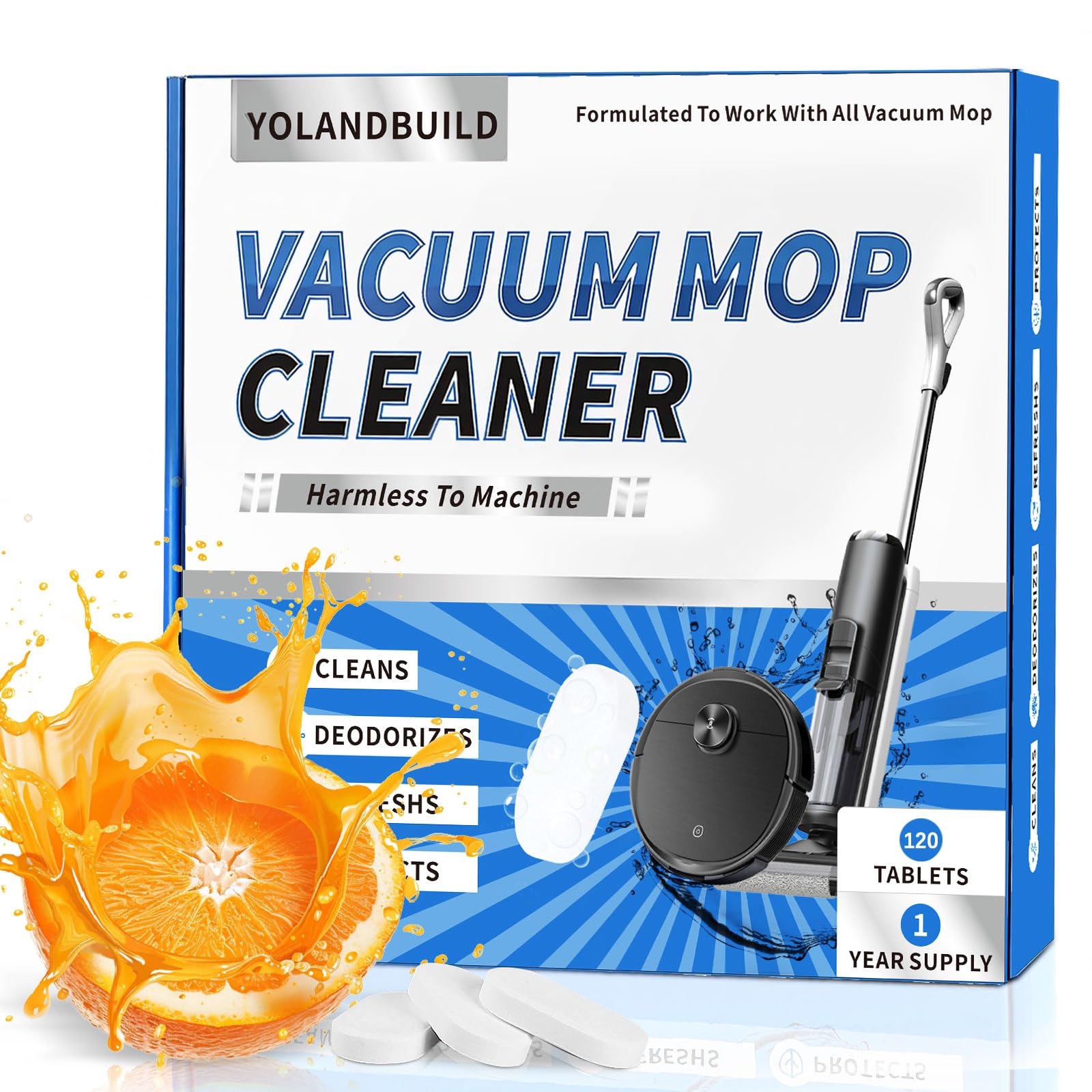
Avoid air fresheners inside the canister. They mask smells but do not remove the cause. For lasting results, follow the full cleaning routine.
Preventing bad odor in the future
- Empty the vacuum after every heavy use. Do it outside.
- Let washable parts dry fully before reassembly.
- Use bags or filters per the manufacturer’s schedule.
- Avoid vacuuming wet spills unless the model is designed for liquids.
- Run the vacuum over baking soda on carpets once a month.
- Store the vacuum in a dry, well-ventilated area.
Small habits prevent big smells. Consistent care means fewer deep-clean sessions.

When to call a professional or replace parts
- Strange burning smells, smoke, or sparks: stop using the vacuum and seek service.
- Persistent mold smell after full cleaning: consider professional disassembly and sterilization.
- Weak suction despite clean filters: a motor or airflow problem may need repair.
- Damaged hoses, motors, or electronic parts: replace rather than repeatedly patch.
A pro can diagnose hidden issues. Replacing worn parts often saves money long term.

People also ask
How long should I let washable filters and canisters dry?
Let washable filters and canisters air dry at least 24 hours. Ensure they are completely dry to prevent mold growth.
Can I use bleach to disinfect vacuum parts?
Bleach can damage plastic and seals. Use diluted vinegar or hydrogen peroxide for safe disinfection instead.
Is it OK to vacuum pet hair every day?
Yes, daily vacuuming is fine. Empty the canister often and check filters to prevent smell build-up.
Will baking soda harm my vacuum?
Baking soda is safe in small amounts. Avoid overusing it, as too much powder can clog filters and reduce suction.
How often should I replace HEPA filters?
Replace HEPA filters every 6 to 12 months or per manufacturer instructions. Replace sooner if you have pets or allergies.
Frequently Asked Questions of how to clean vacuum cleaner to remove bad odor completely
How often should I deep clean my vacuum to remove odor?
Deep clean your vacuum every 1–3 months depending on use. Heavy pet or high-traffic homes need more frequent cleaning.
Can I put vacuum parts in the dishwasher?
Avoid dishwashers. High heat and harsh detergents can warp plastic. Hand wash with mild soap and air dry instead.
What is the fastest way to remove a musty smell?
Empty the canister, wash washable parts in warm soapy water, and sprinkle baking soda on carpets before vacuuming. Repeat if needed.
Why does my vacuum smell like mildew after cleaning?
Parts may not have fully dried. Rewash and allow 24–48 hours of air drying before using the vacuum again.
Are scented vacuum beads or sprays safe to use?
They mask odors and can leave residues that harm filters. Use them sparingly and only compatible products from the manufacturer.
Will disinfectant sprays work in the vacuum bag or canister?
Sprays can help but may leave residues and fumes. Better to clean parts and use vinegar or hydrogen peroxide for safe disinfection.
Is it OK to vacuum wet spills to remove odor?
Only wet-dry vacuums are made for liquids. Regular vacuums can be damaged and will develop odors if used on wet messes.
Conclusion
Regular cleaning removes trapped debris, bacteria, and moisture that cause bad smells. Follow the steps above to clean vacuum cleaner to remove bad odor completely and keep your machine working well. Start with emptying, washing, drying, and replacing filters. Use baking soda and vinegar for safe deodorizing. Take action now: set a cleaning schedule, check filters monthly, and replace parts when needed. If you found this helpful, subscribe for more practical cleaning guides or leave a comment with your toughest vacuum odor problem.

Liora Pennings is a seasoned chef and kitchen enthusiast with a passion for turning everyday cooking into an effortless experience. With years of hands-on culinary expertise, she specializes in practical techniques, ingredient know-how, and smart kitchen solutions that help home cooks elevate their meals. At KitchFlair.com, Liora shares her best tips, time-saving tricks, and honest product reviews to guide readers toward a more efficient, enjoyable, and inspired cooking routine. Whether you’re a beginner or a seasoned home chef, Liora’s friendly, knowledge-packed insights make every visit to the kitchen a little easier—and a lot more delicious.