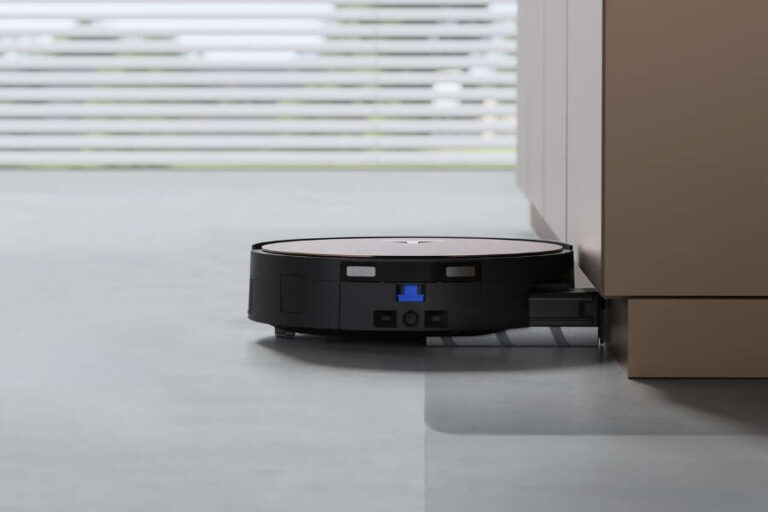
How To Fix Vacuum Cleaner Grinding Noise Problem: Tips
Clean or replace the brush roll, belt, and bearings—most grinding noises are from worn or jammed parts.
I’ve spent years fixing household vacuums and writing guides for homeowners. If your vacuum cleaner making grinding noise problem is driving you nuts, this article walks you through clear diagnostics, step-by-step fixes, and safe maintenance tips. I’ll show practical checks, real-world fixes I’ve used, costs to expect, and when to call a pro. Read on and you’ll know how to stop that grinding fast and cheaply.
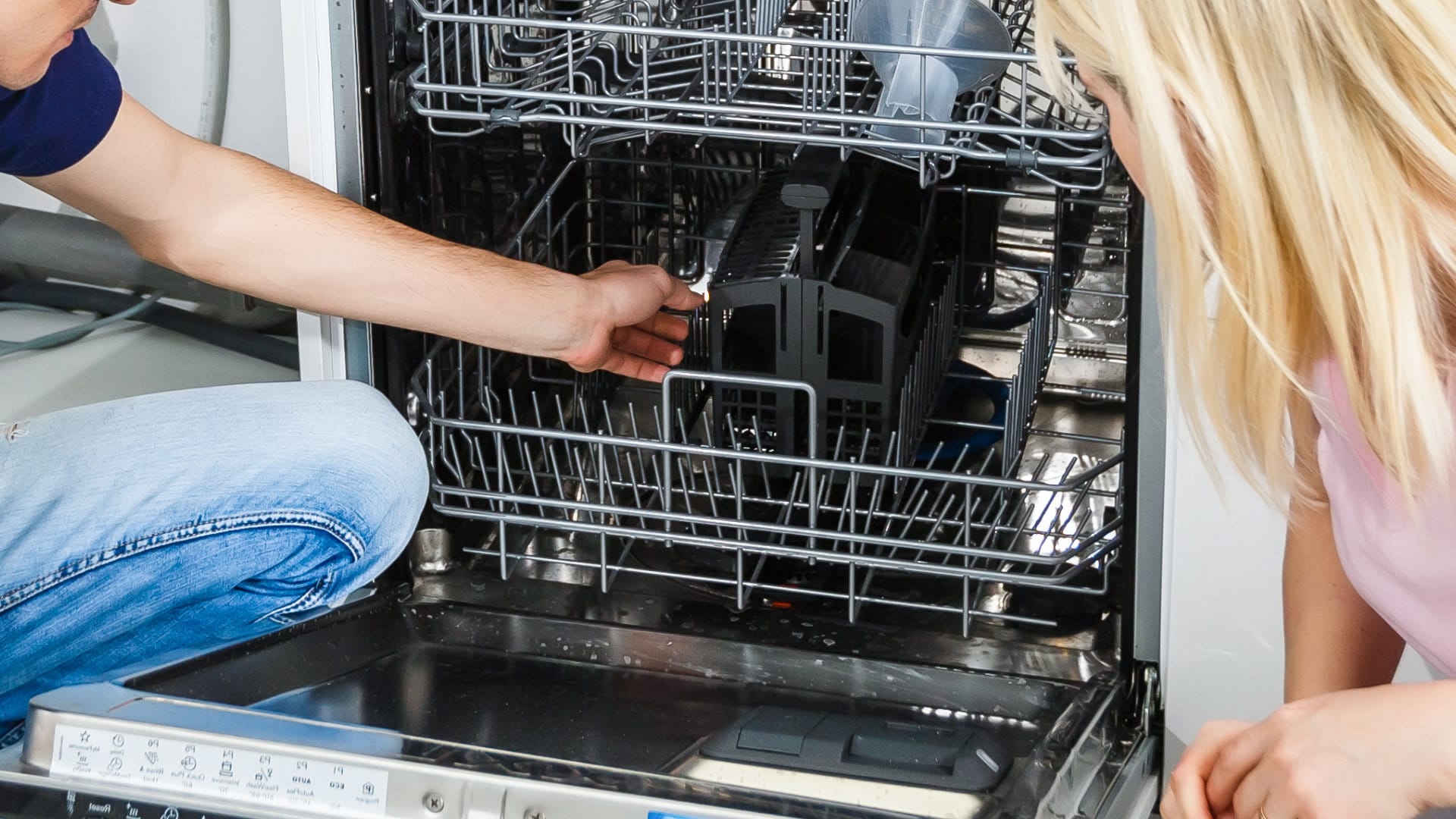
Why a vacuum makes a grinding noise
A vacuum cleaner making grinding noise problem usually comes from mechanical parts rubbing, failing, or trapping debris. Common trouble spots are the brush roll, belt, motor bearings, and the suction fan or impeller. Airflow blockages can also change sound; trapped debris can force parts to work harder and produce a grinding or scraping tone. Knowing where the sound comes from helps you fix it faster and avoid bigger repairs.

Safety first and tools you need
Safety matters. Always unplug the vacuum and remove the battery if it’s cordless. Let the motor cool before working on it.
Tools to have on hand
- A set of screwdrivers for panels and covers.
- Needle-nose pliers and scissors to cut tangled hair and fibers.
- Replacement belt and brush roll (model-specific).
- Soft cloth, compressed air, and a small brush.
- Lubricant rated for small electric motors or light machine oil.
- Multimeter for basic electrical checks if you suspect motor issues.

Step-by-step fixes: diagnose and repair
Follow these steps in order. They isolate the cause and avoid unnecessary part swaps.
- Listen and isolate
- Run the vacuum briefly without attachments to hear where the noise is louder.
- Move your ear near the brush housing, motor housing, hose, and attachments to localize the sound.
- Check for blockages
- Remove the hose, wand, and brush head. Look through each section for clogs or large debris.
- Clean with a long brush or flexible clog remover. Blockages can change motor load and create grinding.
- Inspect and clean the brush roll
- Release the brush roll cover. Cut away hair and fibers wrapped around the brush.
- Spin the brush by hand. If it binds or feels rough, the bearings or brush ends may need replacement.
- Examine the belt
- Check the belt for cracks, glazing, or stretch. A slipping belt can chatter or produce grinding noises.
- Replace the belt if it looks worn. Belts are inexpensive and often solve the problem.
- Test motor and bearings
- Run the vacuum briefly with the brush roll removed. If grinding continues, the motor or bearings may be failing.
- If the motor makes noise but nothing spins, motor bearings or the fan/impeller could be damaged.
- Inspect the impeller/fan
- Remove covers to access the fan if your model allows it. Look for broken blades or debris stuck near the fan.
- A damaged impeller can cause a harsh grinding sound and reduced suction.
- Lubricate and reassemble
- Lubricate bearings only if the manufacturer permits it. Use a drop of light oil on accessible bearings.
- Reassemble carefully, ensuring belts are aligned and covers are secure.
- Final test
- Run the vacuum on hard floor for a minute to confirm the noise is gone and suction is normal.
If the vacuum cleaner making grinding noise problem persists after these steps, deeper motor repair or replacement may be needed.

Common parts to replace and approximate costs
Replacing the right part saves money. Here are typical parts tied to grinding noises and their price ranges.
- Belt: $5–$20. Easy to replace and often fixes noise from slipping.
- Brush roll: $15–$60 depending on brand and model.
- Brush bearings/end caps: $5–$30. Small, inexpensive parts that prevent binding.
- Impeller/fan: $15–$80. More complex to access on some models.
- Motor or motor bearings: $80–$300 for motor parts; $150–$500 for a full motor replacement or professional rebuild.
- Professional service: $60–$150 labor plus parts. If the motor is shot, replacement may be more cost-effective.
Prices vary by brand and model. Always check model-specific parts to ensure fit.
When to call a professional
Call a professional if any of these apply:
- You smell burning or see smoke. That signals electrical failure and risk of fire.
- The motor hums but nothing turns. This can mean internal motor failure.
- You don’t have tools or confidence to disassemble motor housings.
- Your vacuum is under warranty — opening it may void coverage.
Professionals can test motor windings, replace sealed bearings, and handle complex electrical repairs safely.

Preventive maintenance to avoid grinding noise
Routine care prevents most grinding problems and extends vacuum life.
- Empty the dust bin or replace bags regularly to reduce motor strain.
- Clean the brush roll weekly. Long hair is the top cause of grinding from jammed rollers.
- Inspect belts every three to six months and replace if worn.
- Avoid vacuuming large, sharp objects that can damage the impeller or jam the brush.
- Store the vacuum upright and avoid squeezing hoses to prevent cracks that trap debris.

Personal experience and lessons learned
I once fixed a noisy upright by cleaning the brush roll and replacing the belt. The grinding stopped instantly and suction returned. My mistake early on was buying the wrong belt size, which made the vacuum louder. Lesson: double-check model numbers and part compatibility. Small, cheap parts often solve big-sounding problems.

Quick troubleshooting guide (symptom → likely cause → action)
- Grinding only when brush spins → Likely brush roll bearings or debris → Clean brush, replace bearings or brush roll.
- Grinding with brush removed → Likely motor bearings or impeller → Run briefly to confirm; if yes, call pro.
- Rattling plus grinding → Loose screws or housing → Tighten screws and mounts.
- Sudden loud scrape → Foreign object in hose or fan → Inspect hose and impeller, remove object.
People also ask (quick answers)
What causes a vacuum to make a grinding noise?
Grinding often comes from worn bearings, a jammed brush roll, or a damaged impeller causing metal-to-metal contact. Debris and a worn belt can also change sound and strain the motor.
Can I keep using a vacuum that grinds?
Using it risks worse damage and fire if the motor overheats. Stop and diagnose; simple fixes often prevent costly repairs.
How long does a vacuum belt usually last?
A belt can last 1–3 years depending on use and debris. Frequent hair and carpet use may shorten lifespan.
Frequently Asked Questions of how to fix vacuum cleaner making grinding noise problem
Why does my vacuum make a grinding noise when it’s turned on?
A grinding noise on startup usually means a failing bearing, a belt slipping, or debris stuck in the brush or impeller. Inspect the brush roll and belt first, then check the motor area.
How do I tell if the motor or brush roll is the problem?
Run the vacuum with the brush roll removed. If the noise continues, the motor or impeller is likely at fault. If the noise stops, the brush roll or belt caused it.
Is it safe to lubricate vacuum motor bearings?
Only lubricate if the manufacturer allows access to bearings. Many motors have sealed bearings that should not be oiled. Check the manual before applying oil.
Can tangled hair cause grinding noises?
Yes. Hair wrapped around the brush roll can bind bearings and drag on the belt, creating a grinding or scraping sound. Regular cleaning prevents this.
How much does it cost to repair a motor that’s making grinding noises?
Motor repairs vary widely. Simple bearing replacements can be under $100, while motor replacements or professional rebuilds can cost several hundred dollars. Compare repair cost to the price of a new unit.
Conclusion
You can fix most vacuum cleaner making grinding noise problem at home by isolating the sound, cleaning the brush roll, checking and replacing the belt, and inspecting bearings and the impeller. Start with the simple checks I outlined, and only escalate to a pro for motor or electrical faults. Take action now: clean the brush, swap a worn belt, and schedule regular maintenance to avoid future grinding. If this guide helped, try the fixes and share your result or questions in the comments.

Liora Pennings is a seasoned chef and kitchen enthusiast with a passion for turning everyday cooking into an effortless experience. With years of hands-on culinary expertise, she specializes in practical techniques, ingredient know-how, and smart kitchen solutions that help home cooks elevate their meals. At KitchFlair.com, Liora shares her best tips, time-saving tricks, and honest product reviews to guide readers toward a more efficient, enjoyable, and inspired cooking routine. Whether you’re a beginner or a seasoned home chef, Liora’s friendly, knowledge-packed insights make every visit to the kitchen a little easier—and a lot more delicious.