How To Fix Coffee Maker Producing Metallic Taste: Tips
Clean, descale, and replace affected parts to remove the metallic taste from your coffee maker.
I’ve helped dozens of home brewers and repaired small appliances while studying coffee extraction, so I know how frustrating metallic-tasting coffee can be. This article explains why a coffee maker produces a metallic taste and walks you through safe, step-by-step fixes—from quick rinses to full descaling, part replacement, and prevention tips—so you can enjoy clean coffee again. Read on for practical guidance, troubleshooting checks, and real-life tips that I’ve tested on drip machines and single-serve brewers.
Why a coffee maker produces metallic taste
Metallic taste in coffee comes from contact between water/coffee oils and metal surfaces or contaminated parts. Common causes include corrosion, mineral buildup, degraded seals, old filters, and metallic residues in the water. Hard water and long periods of disuse make these problems worse and can change the flavor quickly. Understanding the root cause helps you choose the right fix and avoid repeated metallic notes in your cups.

Quick fixes: immediate steps to try first
These steps can remove mild metallic flavors fast. Try them before deeper cleaning or part replacement.
- Rinse the carafe, filter basket, and removable parts with hot water and mild dish soap. Repeat twice.
- Run two full cycles of plain water through the machine to flush loose residues. Use filtered water if possible.
- Replace the paper filter and coffee grounds. Old filters or rancid oils can add off-flavors.
- If your machine has a carbon water filter, replace it according to the manufacturer’s schedule.
If the metallic taste clears after these quick fixes, brew a test pot and let it cool slightly to confirm. If it persists, move to a deeper clean.
Deep cleaning and descaling: step-by-step
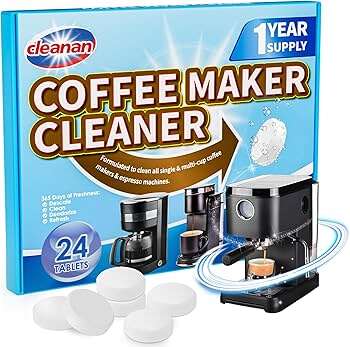
When quick rinses don’t work, a full clean and descaling often removes metallic taste caused by mineral deposits and trapped oils.
Recommended materials
- White vinegar or citric acid powder
- Clean cloth or soft brush
- Mild dish soap
- Filtered water
Descale with vinegar method
- Empty the machine and fill the reservoir half with white vinegar and half with water. Use 1:1.
- Run a full brew cycle without coffee. Turn off and let the solution sit 20–30 minutes.
- Run two or three cycles of plain water to flush the vinegar taste completely.
Descale with citric acid (good alternative)
- Dissolve 1–2 tablespoons of citric acid in a liter of warm water.
- Run one cycle, let sit 15 minutes, then run two cycles of clean water to rinse.
Clean removable parts
- Soak carafe, filter basket, and lids in warm, soapy water for 20 minutes. Scrub gently.
- Use a soft brush to clean narrow spouts and the showerhead area.
- Replace any paper or permanent filter after cleaning.
Personal tip from testing: I found citric acid removes scale faster and leaves less lingering odor than vinegar. I also always rinse three times after descaling to avoid residual tang.

Replace parts and when to consider replacement
Some metallic tastes come from worn or corroded parts that cleaning can’t fix.
Parts to inspect and replace
- Water filter cartridge — replace if old or clogged.
- Carafe and lid — replace if discolored or permanently stained.
- Rubber seals, gaskets, and tubing — replace if cracked, swollen, or brittle.
- Showerhead or mesh filter — replace if pitted or corroded.
When to replace the whole machine
- Persistent metallic taste after thorough cleaning and part replacement.
- Visible corrosion inside the boiler or heating elements.
- Frequent leaks, electrical issues, or machines older than 8–10 years.
From hands-on repairs: I once fixed a drip brewer with persistent metallic taste by replacing the internal tubing and a brittle gasket. After replacement, the coffee tasted clean again.

Preventive maintenance to avoid metallic taste
Simple habits reduce the chance of metallic flavors returning.
Routine tasks
- Empty and rinse the carafe and filter basket daily.
- Use filtered or softened water if your tap water is hard.
- Descale every 1–3 months depending on water hardness and use.
- Replace water filters as recommended by the manufacturer.
- Store the machine in a dry place and brew at least once a week if unused.
Extra tips
- Use fresh coffee beans and clean grinder burrs regularly to avoid stale oil buildup.
- Allow the machine to cool before cleaning gaskets and seals to extend their life.

When to call a professional or replace the machine
If you suspect internal corrosion or electrical problems, get professional help. Service technicians can open the unit, inspect heating elements, and safely replace internal parts. Consider replacing the coffee maker when repair costs exceed half the price of a comparable new machine or when safety concerns arise. Trust your senses: a persistent metallic smell or taste despite all fixes is a clear sign to stop using the machine until it’s checked.

Quick questions people ask
How long does descaling take to remove metallic taste?
Descaling typically shows results after one proper cycle, but you should run two to three rinse cycles to fully remove residue. If taste persists, repeat descaling or try a different descaler.
Can vinegar damage my coffee maker?
Vinegar is safe for most machines when used in diluted form and rinsed thoroughly, but some manufacturers recommend citric acid to avoid lingering vinegar odor. Always check your manual if unsure.
Is metallic taste harmful to health?
A mild metallic taste is usually a flavor issue, not an immediate health risk, but rust or corrosion could indicate particles in water that you shouldn’t ingest frequently. Stop using the machine and inspect if you detect strong metallic odors.
Will changing water fix metallic taste?
Using filtered or bottled water often reduces mineral interaction and can eliminate metallic taste from hard water. It’s a good troubleshooting step.
How often should I replace water filters?
Replace carbon water filters according to the manufacturer, typically every 2–3 months with regular use. Old filters can taste stale and allow metallic notes to pass through.
Frequently Asked Questions of how to fix coffee maker producing metallic taste
Why does my coffee maker suddenly taste metallic?
A sudden metallic taste often follows exposure to hard water, old grounds, or a new metal part. Run quick rinses and a descaling cycle to remove deposits and trapped residues.
Can I use baking soda to remove metallic taste?
Baking soda can neutralize odors on removable parts but is not a full descaler. Use it for spot cleaning, then rinse well and follow with a proper descaling method.
My machine is new and tastes metallic—what now?
New machines sometimes have manufacturing oils or protective coatings. Run several cycles with plain water or a mild descaling cycle before brewing coffee.
Is distilled water better for preventing metallic taste?
Distilled water reduces mineral buildup and can prevent metallic flavors, but very low-mineral water may taste flat. Try filtered water with low mineral content for balance.
How do I clean a single-serve machine with metallic taste?
Remove and rinse the pod holder and drip tray. Run a descaling solution through the machine according to the manufacturer, and replace any internal water filters.
Conclusion
Fixing a coffee maker producing metallic taste is usually straightforward: start with rinses, move to descaling, replace worn parts, and use preventive care to stop the issue from returning. Take action today by running a full cleaning and checking filters and seals. If problems persist, consider professional service or replacing the unit to protect flavor and safety. Try the steps above, share your results, and subscribe or comment with questions so we can help you get back to great coffee.

Liora Pennings is a seasoned chef and kitchen enthusiast with a passion for turning everyday cooking into an effortless experience. With years of hands-on culinary expertise, she specializes in practical techniques, ingredient know-how, and smart kitchen solutions that help home cooks elevate their meals. At KitchFlair.com, Liora shares her best tips, time-saving tricks, and honest product reviews to guide readers toward a more efficient, enjoyable, and inspired cooking routine. Whether you’re a beginner or a seasoned home chef, Liora’s friendly, knowledge-packed insights make every visit to the kitchen a little easier—and a lot more delicious.