How To Avoid Coffee Stains On Cups And Mugs: Easy Tips
Rinse and wipe immediately, use the right mug and gentle cleaners to prevent stains.
I’ve spent years testing cups, glazes, and home cleaning tricks as a coffee lover and writer. I know what works and what fails. This guide on how to avoid coffee stains on cups and mugs covers causes, smart habits, the best materials, quick fixes, and safe deep-clean methods. Read on for clear steps you can use today to keep your mugs bright and stain-free.

Why coffee stains form and what to know
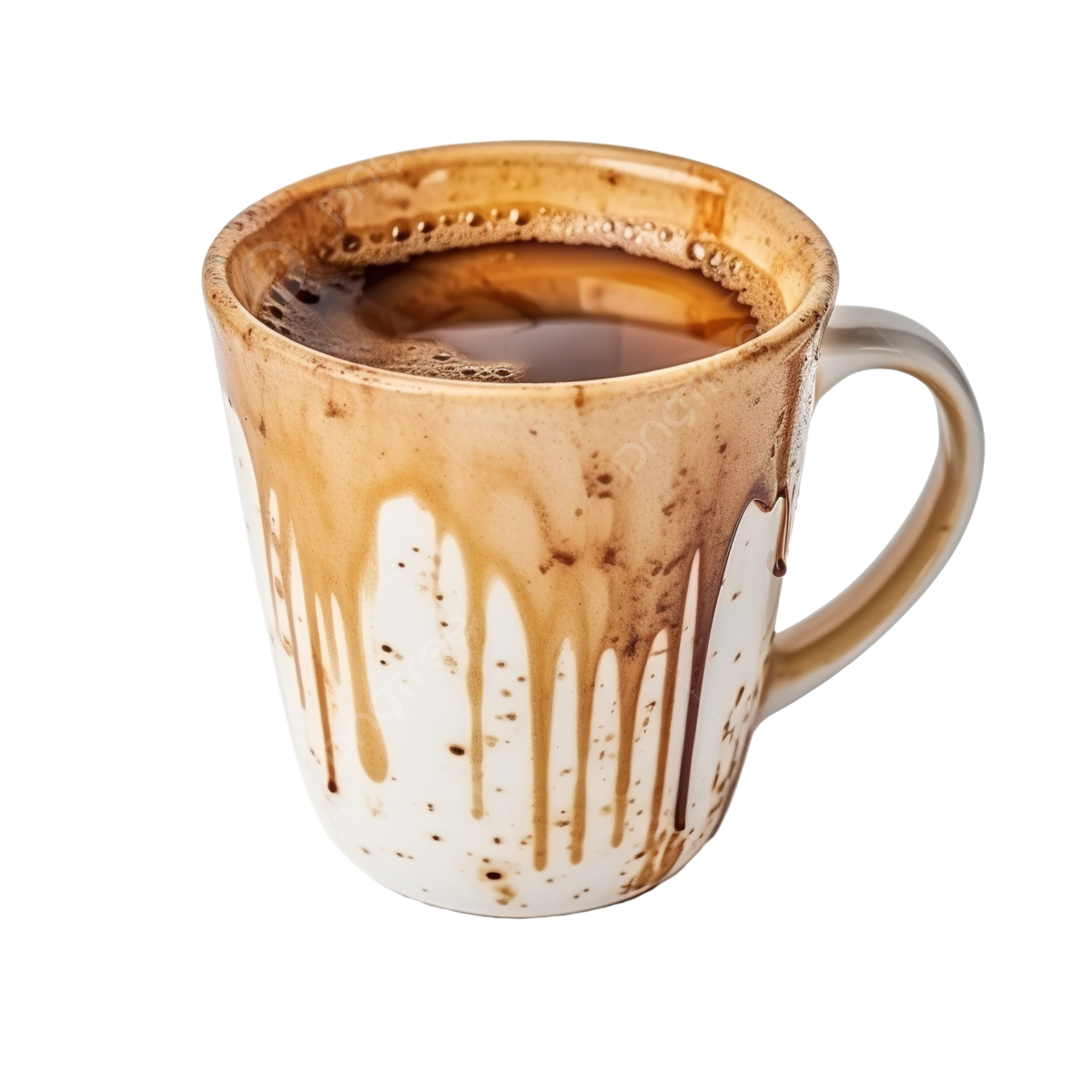
Coffee leaves stains because of tannins and oils. Tannins are plant compounds that bind to ceramic and metal surfaces. Oils in coffee add a film that keeps color on cups.
Stains set faster when cups sit wet or when coffee cools slowly. Porous glazes and rough finishes trap particles. Hard water can make stains stick more.
Understanding these basics helps you prevent and treat stains. This is the first step in learning how to avoid coffee stains on cups and mugs.

Simple daily habits to prevent stains
Small routines stop stains before they start. Try these habits every day.
- Rinse cups right away after use. A quick rinse stops tannins from drying.
- Wipe rims and handles with a damp cloth. This prevents rings and drips.
- Use lids or sip covers when drinking on the move. Less splatter equals fewer stains.
- Switch to filtered water if your tap is hard. Hard water increases residue.
- Avoid leaving coffee for hours. The longer it sits, the harder the stain.
These simple moves form the backbone of how to avoid coffee stains on cups and mugs.

Choose the right cups and materials
Material and finish matter a lot. Pick the right mug to reduce stains.
- Porcelain with a smooth glaze. Smooth glazes resist tannin bonding.
- Borosilicate glass for clarity. Glass is non-porous and easy to clean.
- Stainless steel for travel. Stainless resists staining but can show rings; choose high-quality finishes.
- Avoid unglazed ceramic or porous clay for daily coffee. They trap coffee particles.
- Opt for light interiors. Dark stains show less on dark mugs, but light interiors make it easier to spot and treat early.
Choosing the best mug is one clear tactic to learn how to avoid coffee stains on cups and mugs.

Quick in-the-moment fixes
When you spot a fresh mark, act fast. These quick fixes work well when you’re at home or at work.
- Rinse and scrub with warm water. Use a soft sponge to lift wet stains.
- Use a drop of dish soap and warm water for greasy films.
- Try a baking soda rub on damp mugs. Sprinkle, scrub gently, then rinse.
- Use denture-cleaning tablets in warm water for travel mugs. Soak for 15–30 minutes.
- For stainless steel, use a soft cloth and a few drops of white vinegar to break down film.
These fast steps are part of a practical routine for how to avoid coffee stains on cups and mugs.

Deep cleaning for stubborn stains
Some stains need a stronger approach. Use gentle chemicals and safe scrubbing to avoid damage.
- Baking soda paste: Mix baking soda with a little water to form a paste. Apply, let sit 10–15 minutes, scrub with a soft brush, and rinse.
- White vinegar soak: Fill the mug with equal parts warm water and vinegar. Soak 20–30 minutes, scrub, and rinse well.
- Oxygen-based cleaners: Dissolve a scoop in warm water and soak for 30–60 minutes for tough tannin stains.
- Avoid bleach on decorated or metallic mugs. Bleach can fade designs and harm finishes.
- Test cleaners on a hidden spot first. This prevents surprises on prized cups.
These methods explain how to avoid coffee stains on cups and mugs long term by dealing with set-in marks safely.

Maintenance schedule and storage tips
A short cleaning plan keeps mugs fresh. Follow a simple schedule.
- Daily: Rinse after each use and hand-wash or put in the dishwasher if safe.
- Weekly: Deep clean favorites with baking soda or an oxygen cleaner.
- Monthly: Inspect for scratches and glaze wear. Replace mugs that trap stains.
- Store mugs dry and upside down to keep dust out and allow air flow.
- Rotate your mug collection. Regular use and cleaning prevents long-term buildup.
This steady care helps you avoid stains and extends the life of your cups. It’s a key part of how to avoid coffee stains on cups and mugs.

My real-life tips and mistakes to avoid
I once let a favorite mug sit with cold coffee overnight. The stain set and I had to scrub for weeks. Lesson learned: rinse right away. Another time I used abrasive pads on a delicate mug. The finish dulled and stains became harder to remove.
What worked best for me:
- Keep a sink-safe scrub brush by the coffee station.
- Use baking soda for regular touch-ups.
- Reserve strong cleaners for rare deep cleans.
These are simple, real steps based on daily use. They make how to avoid coffee stains on cups and mugs easy and practical.

Frequently Asked Questions of how to avoid coffee stains on cups and mugs
What causes coffee stains on mugs?
Tannins and oils in coffee bind to porous and rough surfaces. Leftover coffee that dries makes the stain set faster.
Can I use bleach to remove coffee stains?
Bleach can remove stains but may damage decorations and metal finishes. Use it only on plain, bleach-safe items and rinse thoroughly.
Is baking soda safe for all mugs?
Baking soda is safe for most materials and is mildly abrasive. Avoid heavy scrubbing on delicate glazes to prevent scratches.
Do dishwashers prevent coffee stains?
Dishwashers help if the mug is dishwasher-safe and cleaned soon after use. Some stained mugs may need a pre-wash or hand-clean.
How often should I deep clean my mugs?
Deep clean weekly for daily-use mugs or monthly for less-used cups. Adjust frequency if stains appear sooner.
Will hard water make stains worse?
Yes. Hard water leaves mineral deposits that mix with coffee residue and form tougher stains. Using filtered water helps.
Conclusion
Keeping mugs stain-free is about routine, the right mug, and a few trusted cleaning tricks. Rinse immediately, pick non-porous cups, use gentle cleaners like baking soda and vinegar, and deep clean as needed. Start with one habit today—rinse each cup after use—and you’ll notice a big difference in how to avoid coffee stains on cups and mugs. Try these tips, share what works for you, and leave a comment below to join the conversation.

Liora Pennings is a seasoned chef and kitchen enthusiast with a passion for turning everyday cooking into an effortless experience. With years of hands-on culinary expertise, she specializes in practical techniques, ingredient know-how, and smart kitchen solutions that help home cooks elevate their meals. At KitchFlair.com, Liora shares her best tips, time-saving tricks, and honest product reviews to guide readers toward a more efficient, enjoyable, and inspired cooking routine. Whether you’re a beginner or a seasoned home chef, Liora’s friendly, knowledge-packed insights make every visit to the kitchen a little easier—and a lot more delicious.