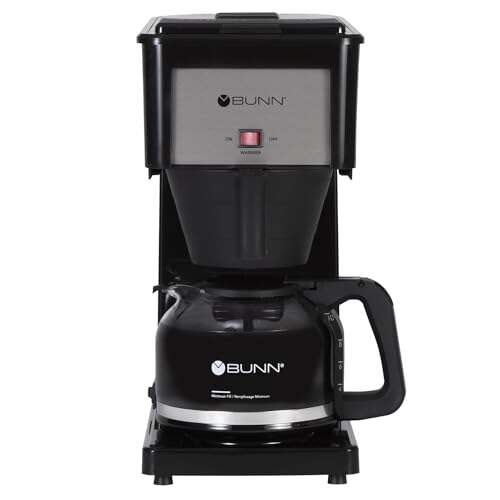
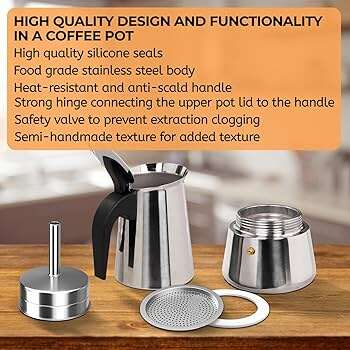
How To Prevent Coffee Maker From Clogging Frequently: Tips
Clean filters, descale monthly, use filtered water, and rinse the brew path after each use.
I’ve spent years fixing and tuning coffee makers for friends, family, and my own kitchen. I know exactly how to prevent coffee maker from clogging frequently by combining simple daily habits, proper equipment choices, and scheduled deep cleaning. Read on for practical steps, easy checks, and a simple routine that keeps your coffee flowing and your machine healthy.
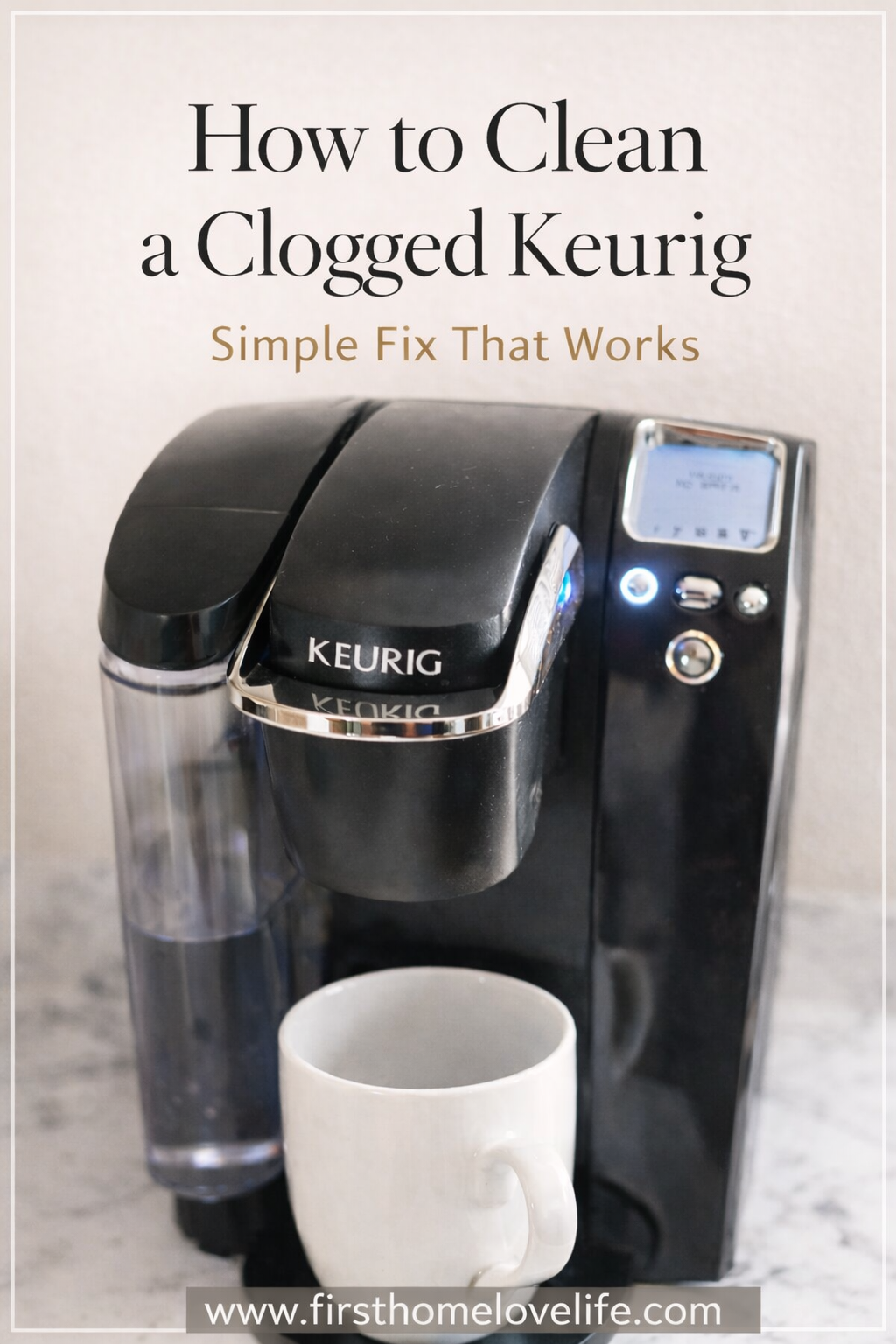
Why coffee makers clog and what that means for your machine
Clogs form when coffee oils, fine grounds, and mineral scale build up in tiny paths. These block water flow and change brew time and taste. Understanding the causes helps you act early and avoid costly repairs or replacements.
Common clog contributors
- Hard water that leaves mineral scale inside tubing and heaters.
- Fine or stale grounds that compact in filters or shower screens.
- Old coffee oils and residue that collect in valves and lines.
- Lack of regular cleaning and rinsing after use.
Signs your machine is clogging
- Slow drips or no flow at all.
- Coffee tastes flat or bitter.
- Strange gurgling noises during brewing.
- Water pools in the basket or carafe.

Daily habits that stop clogs before they start
Small daily steps prevent most clogs. They take little time and keep coffee tasting fresh.
Rinse right after each brew
- Dump used grounds and rinse the basket and carafe.
- Run a fresh water-only brew cycle weekly to flush lines.
Wipe visible parts
- Clean the shower screen and gasket with a damp cloth.
- Remove loose grounds from the brew basket after each use.
Use filtered water
- Filtered water reduces mineral scale.
- Softer water keeps heating elements and tubes cleaner.
Keep a spare paper filter
- Paper filters trap oils and fines that stick to mesh.
- Use paper filters when you can, then switch to metal when needed.
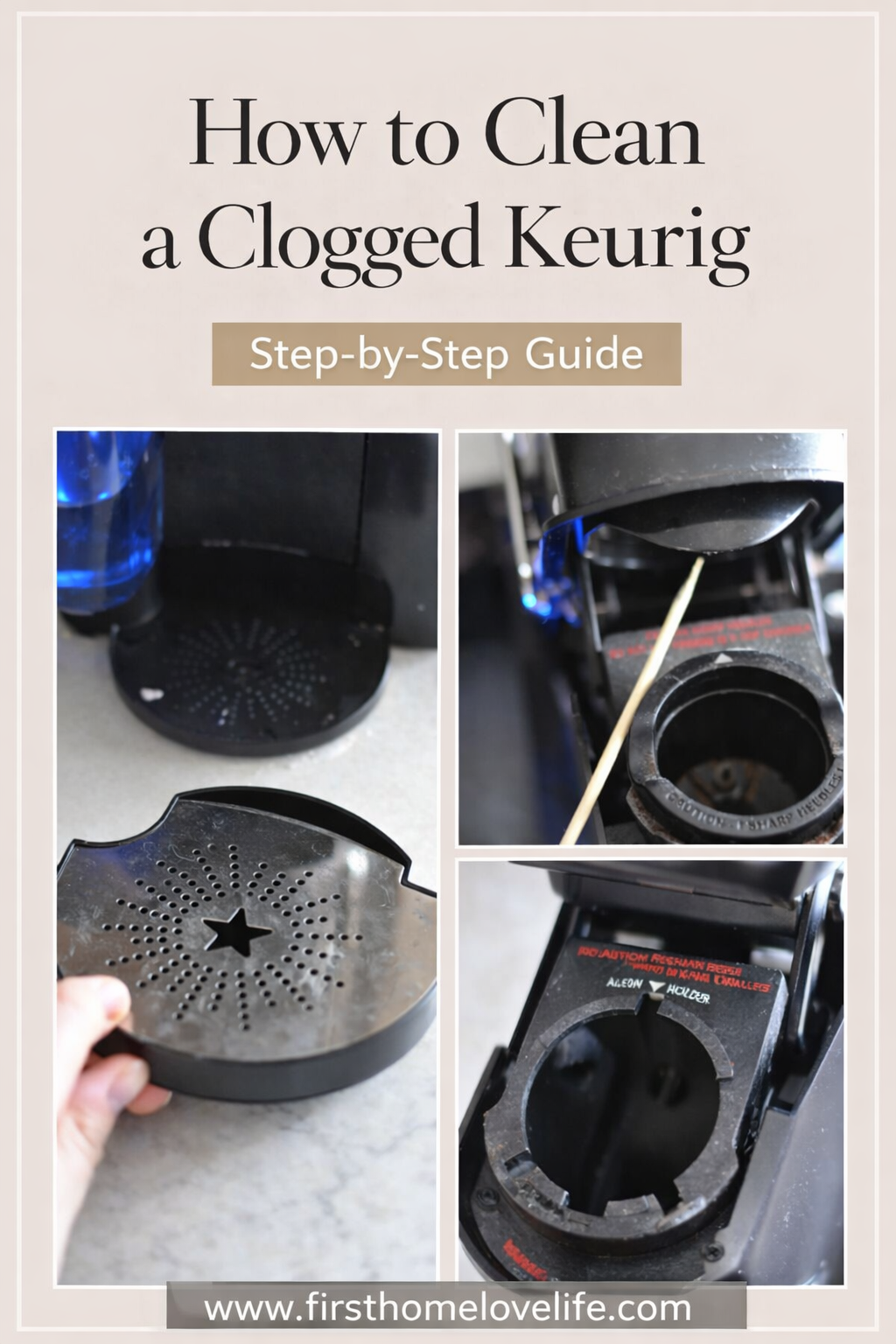
Deep cleaning and descaling schedule
Deep cleaning removes mineral scale and oil buildup that daily habits miss. Follow a set schedule for best results.
Weekly deep rinse
- Run a hot water cycle with no coffee to clear loose sediment.
- Use a soft brush on the shower screen and brew basket.
Monthly descaling
- Descale every 1 to 3 months, depending on water hardness.
- Use a citric-acid or manufacturer-recommended descaler for safety.
- Run a descaling solution through a full cycle, then rinse with two clean water cycles.
Quarterly parts check
- Inspect hoses, valves, and seals every three months.
- Replace any cracked gaskets or brittle tubing to prevent leaks and clogs.

Water, grind, and coffee choices that reduce clogging
What you brew and the water you use matter as much as cleaning. Small choices extend machine life.
Grind size and type
- Use the right grind for your brewer. Too fine grounds clog filters quickly.
- Buy fresh beans and grind just before brewing to avoid fines.
Choose water wisely
- Use water with low mineral content if possible.
- Test your water hardness to set the right descaling schedule.
Filter decisions
- Paper filters capture oils and micro-fines better than metal mesh.
- Metal filters are eco-friendly but need more frequent cleaning to avoid clogging.
:max_bytes(150000):strip_icc()/6-coffee-maker-components-washed-separately-045ca3f7a9b14ec29aa07f32b3c9555f.jpg)
Filters, shower screens, and parts care
Tiny parts cause most clogs. Treat them like high-value tools and clean them well.
Clean or replace filters
– Replace disposable paper filters every brew.
- Clean metal filters with a brush and soak in warm soapy water weekly.
Maintain the shower screen
- Remove and soak the shower head if your model allows.
- Brush holes clean with a soft toothbrush to restore flow.
Care for valves and tubing
- Inspect the brew valve and inlet tubes for residue.
- If removable, soak small parts in a mild descaling solution.

Preventive maintenance checklist you can follow
A short checklist makes maintenance easy. Follow it for reliable results.
Daily checklist
- Discard grounds and rinse the basket.
- Rinse the carafe and lid.
Weekly checklist
- Run a water-only brew cycle.
- Clean the shower screen and check the filter.
Monthly checklist
- Descale the machine.
- Inspect and replace worn gaskets.
Quarterly checklist
- Deep clean removable parts.
- Test water hardness and adjust descaling frequency.

Troubleshooting common clog issues and quick fixes
Even with care, clogs happen. Here are quick checks and fixes you can try.
Slow flow or no flow
- Run a water-only cycle to flush loose debris.
- Check for a clogged shower screen or packed grounds in the basket.
Weird gurgles or sputtering
- Air trapped in tubing can cause noise. Run a few hot water cycles to clear air.
- Check the pump and valves for mineral scale.
Bad taste but normal flow
- Oils and rancid residue in lines can cause off-flavors. Do a deep clean and descaling.
Persistent clog that won’t clear
- Disassemble removable parts and soak overnight in descaling solution.
- If the clog remains inside fixed tubing, consult a technician.

My real-life tips and lessons learned
I once ignored slow drips for weeks and the coffee maker’s pump burned out. I learned to act on small changes. Now I keep a small toolkit: soft brushes, citric acid, spare gaskets, and a water hardness strip. These simple items save time and money.
A few practical rules I follow
- If brew time increases, clean immediately.
- Always keep a paper filter backup.
- Note your water hardness and set a descaling calendar.

Frequently Asked Questions of how to prevent coffee maker from clogging frequently
How often should I descale my coffee maker?
Descale every 1 to 3 months, depending on water hardness. If you use hard water, descale more often.
Can I use vinegar to descale my coffee maker?
Vinegar works for some models, but it can leave a strong odor and may void warranties. Use citric acid or the manufacturer’s recommended descaler when possible.
Do paper filters really help prevent clogs?
Yes. Paper filters trap oils and fine particles that otherwise pass into tubes and valves. They reduce residue on mesh filters and shower screens.
What grind size is best to avoid clogging?
Use a medium grind for drip brewers and a coarser grind for machines prone to clogging. Very fine grounds compact and cause blockages.
My coffee maker is still clogged after cleaning. What now?
Try disassembling and soaking removable parts in descaling solution overnight. If the clog is inside fixed tubing, contact a repair service or the manufacturer.
Conclusion
Stopping clogs is simple with routine care, the right water and grind, and a scheduled descaling plan. Start small: rinse daily, use filtered water, and descale on schedule. These steps will keep your coffee maker reliable and your coffee tasting great. Try the checklist for a month and you’ll see the difference—then subscribe to stay on track and share your experiences below.

Liora Pennings is a seasoned chef and kitchen enthusiast with a passion for turning everyday cooking into an effortless experience. With years of hands-on culinary expertise, she specializes in practical techniques, ingredient know-how, and smart kitchen solutions that help home cooks elevate their meals. At KitchFlair.com, Liora shares her best tips, time-saving tricks, and honest product reviews to guide readers toward a more efficient, enjoyable, and inspired cooking routine. Whether you’re a beginner or a seasoned home chef, Liora’s friendly, knowledge-packed insights make every visit to the kitchen a little easier—and a lot more delicious.