How To Clean Vacuum Cleaner After Vacuuming Fine Powder:Fix
Empty the canister, remove and clean filters, wipe all parts, and let everything dry fully.
I’ve worked with vacuums in homes and workshops for years, and I’ll walk you through exactly how to clean vacuum cleaner after vacuuming fine powder so your machine keeps strong suction and avoids damage. This guide covers safety, tools, step-by-step cleaning for bagless and bagged models, filter care, hose and brush cleaning, drying, troubleshooting, and real-life tips from my experience. Read on and you’ll know precisely what to do next time fine dust or powder turns your routine clean into a cleanup job.

Why cleaning matters after vacuuming fine powder
Fine powder can behave like a liquid in small parts of your vacuum. It clogs filters, reduces airflow, and causes the motor to run hot. Knowing how to clean vacuum cleaner after vacuuming fine powder protects performance and lengthens lifespan. Ignoring powder build-up can void warranties and cause costly repairs.
Safety first: protect yourself and the machine
Fine powder can be irritating or harmful to breathe. Always unplug the vacuum before you open it. Wear a dust mask and goggles when shaking or tapping filters outside. For combustible powders, like flour or certain metal dusts, do not use the vacuum; use a broom and avoid sparks. Check your vacuum’s manual before washing any part to avoid voiding warranties.

Tools and supplies you’ll need
- A soft brush or paintbrush for gentle tapping
- Microfiber cloths and paper towels
- Warm water and mild dish soap
- A bucket and a spray bottle with water
- Rubber gloves and a dust mask
- Replacement filters or bags if heavily contaminated
- A compressed-air can or low-pressure air source (use cautiously)
- Small picks or pipe cleaners for narrow ports
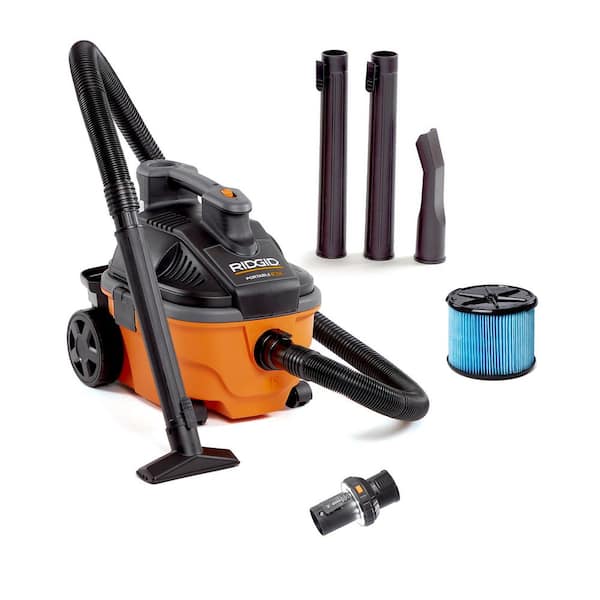
Step-by-step: cleaning a bagless canister vacuum
- Unplug the vacuum and move it to a well-ventilated area or outdoors.
- Empty the canister over a trash bag. Tap gently to release stubborn powder.
- Detach the canister and wash it with warm soapy water if the manual allows. Rinse well.
- Remove pre-filters and HEPA filters. Follow manufacturer instructions for cleaning or replacement.
- Use a soft brush to clear powder from crevices, inlet ports, and cyclone fins.
- Use low-pressure compressed air to blow powder out of tight spots. Hold the nozzle at a distance to avoid driving dust deeper.
- Let all parts dry completely before reassembly to prevent mold and electrical damage.
- Reassemble and test suction on a scrap surface.
These steps show how to clean vacuum cleaner after vacuuming fine powder without risking damage. Regular, careful cleaning prevents long-term harm.

Step-by-step: cleaning a bagged vacuum cleaner
- Unplug the vacuum and remove the bag carefully. Seal the bag in an extra plastic bag to trap dust.
- If you have a secondary dirt cup or chamber, empty and wipe it down.
- Inspect and remove any loose powder from the bag area with a soft brush.
- Check the upstream filters and HEPA filters. Replace non-washable filters if they’re clogged with powder.
- Wipe the bag housing and gasket with a damp microfiber cloth.
- Reinstall a fresh bag and run the vacuum briefly to ensure airflow is restored.
Knowing how to clean vacuum cleaner after vacuuming fine powder for bagged models helps avoid bag rupture and clogging.
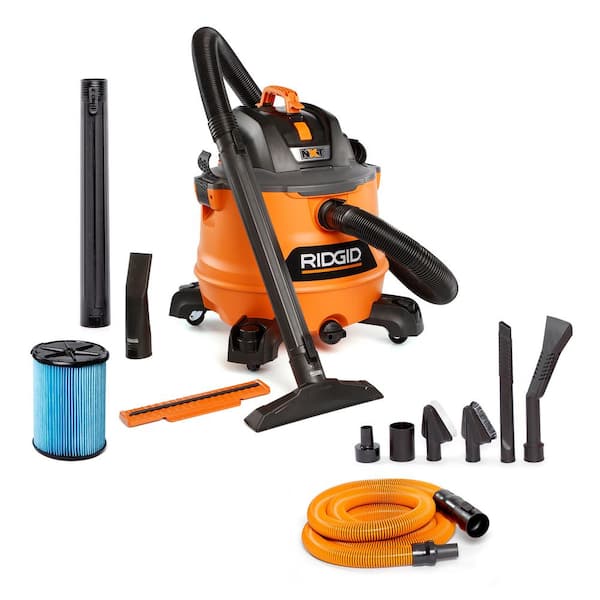
Cleaning filters and HEPA elements
Most filter problems cause loss of suction. Identify which filters are washable and which are not. Washable filters: rinse under cool water until clear and then air dry completely for 24 hours. Non-washable filters: tap gently and replace if heavily coated. Replace HEPA filters every 6–12 months or sooner after heavy powder exposure. Record filter changes so you can track performance.

Hose, brush roll, and attachments
Detach the hose and look through it toward light. Shake and tap to dislodge powder, then run water through the hose if your model allows. Remove the brush roll and clear wrapped debris. Wipe attachments with a damp cloth and let them dry. Small tools and crevice tools often hold the most powder; open and rinse them carefully.
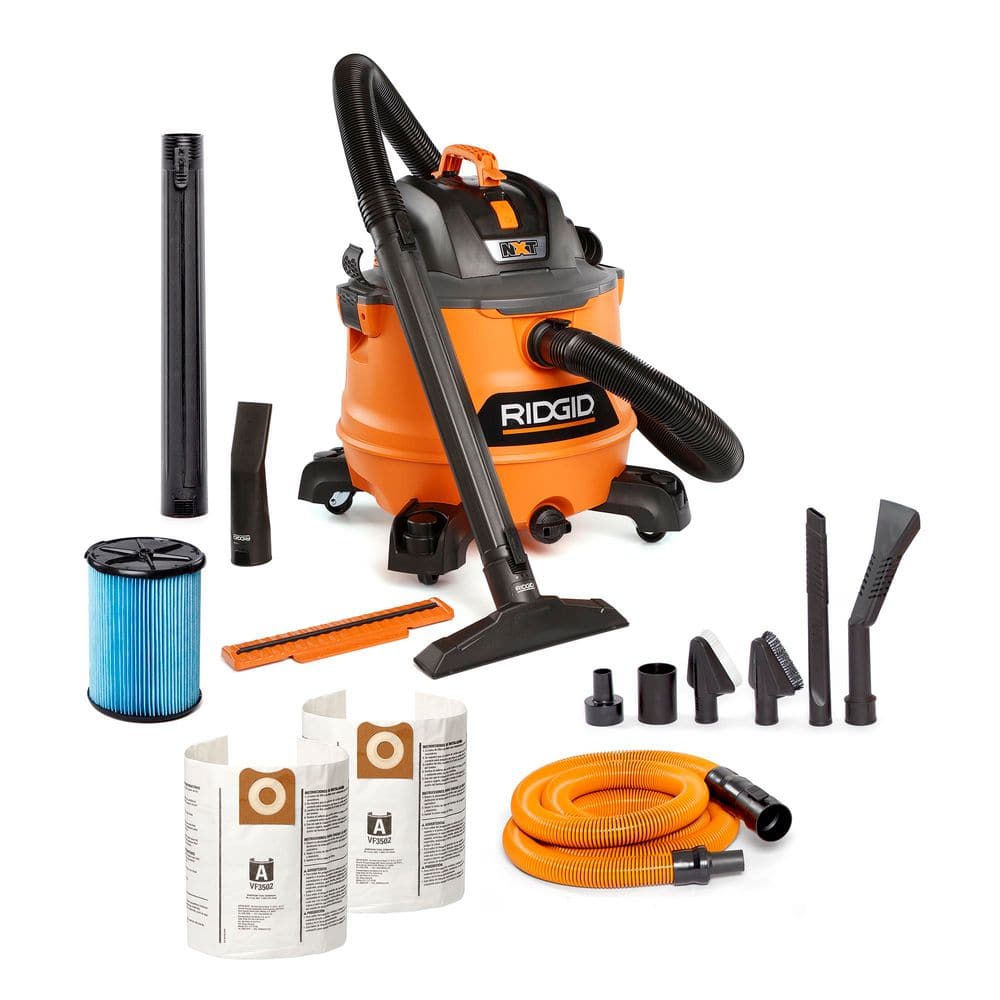
When powder reaches the motor or sensors
If you suspect powder has passed the filter and entered motor housing, stop using the machine. Continued use can damage bearings and windings. Contact a certified repair center for inspection. Avoid opening motor housings yourself unless you’re trained. This is a key part of knowing when to escalate after learning how to clean vacuum cleaner after vacuuming fine powder.

Drying, reassembly, and final testing
Drying is crucial. Reassemble only when every part is bone dry. Reinstall filters and bags per the manual. Run the vacuum on low power first and check for odd noises, smells, or reduced suction. Test on a small, non-sensitive area to confirm normal performance.
Maintenance tips to prevent future fine powder problems
- Use a pre-filter or mesh screen over inlets when vacuuming powder.
- Consider a wet-dry vacuum for construction dust and heavy powder.
- Vacuum slowly to avoid stirring powder into filters.
- Replace disposable bags and filters promptly after heavy use.
- Clean the canister regularly even if it looks empty.
These habits reduce the need to deep-clean and lower the chance you’ll need to relearn how to clean vacuum cleaner after vacuuming fine powder the hard way.
Troubleshooting common problems
- Loss of suction after cleaning: Check filters and make sure everything is dry and seated correctly.
- Persistent dust smells: Filters may be saturated. Replace and run the vacuum outside to clear residual odor.
- Noisy motor after dust exposure: Powder may have reached motor parts; stop use and seek professional help.
- Clogs that don’t clear: Remove hose and use a long flexible tool to dislodge the blockage.
- Visible powder escaping from exhaust: HEPA filter may be compromised; replace immediately.
Personal experience and lessons learned
I once vacuumed powdered sugar with a standard home vacuum without pre-filtering. The machine lost power within a week. After a full teardown and filter replacement, it worked again, but the lesson stuck: use the right tool and clean promptly. Another time, using compressed air blindly pushed dust deeper into crevices. Now I use gentle brushing first, then controlled airflow. These small habits saved me repair bills and kept machines working longer.
Frequently Asked Questions of how to clean vacuum cleaner after vacuuming fine powder
How soon should I clean my vacuum after vacuuming fine powder?
Clean it immediately if possible. The longer powder sits, the more it compacts into filters and crevices, making removal harder.
Can I use compressed air to clear powder from my vacuum?
You can, but use low pressure and keep distance. High-pressure air can push dust deeper into electronics and motor parts.
Is it safe to wash HEPA filters?
Only wash HEPA filters if the manufacturer says they are washable. Many HEPA filters are disposable and must be replaced when clogged.
What if powder gets into the motor housing?
Stop using the vacuum and have a professional inspect it. Motor contamination can cause overheating and permanent damage.
Which vacuum type is best for fine powder?
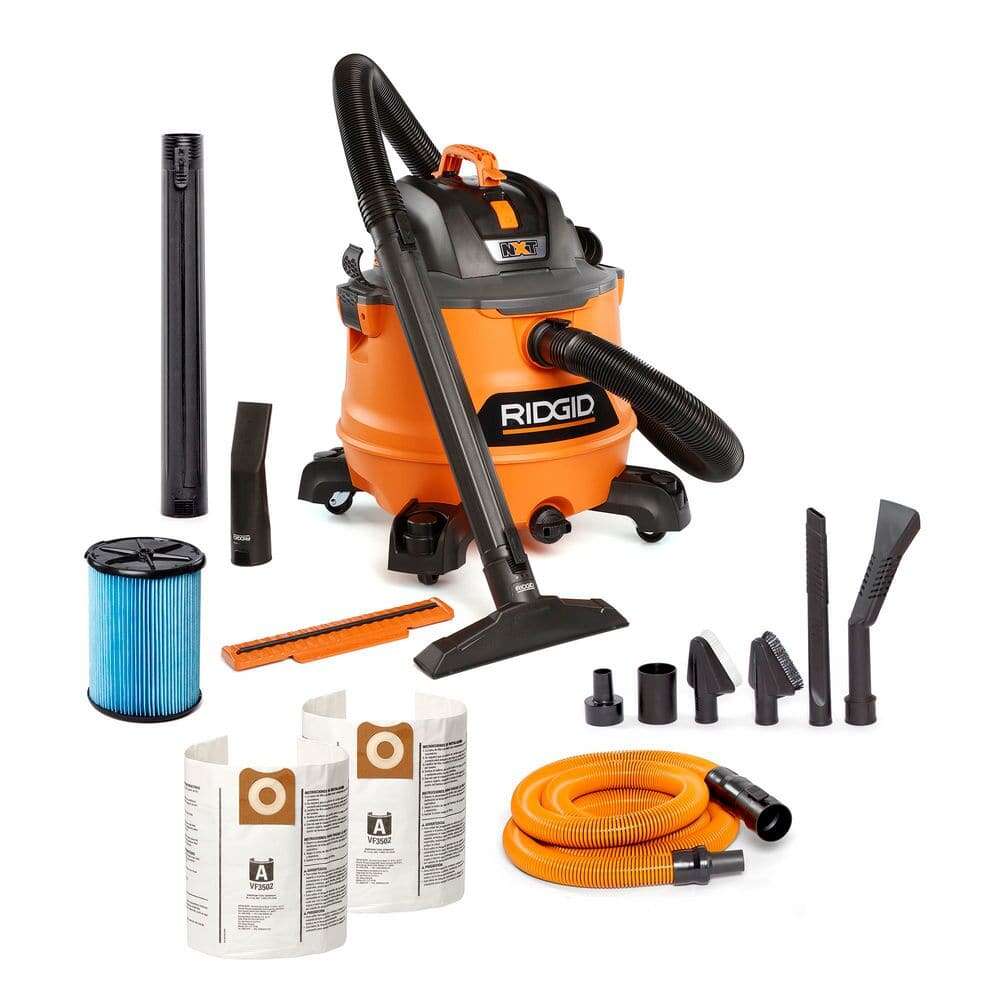
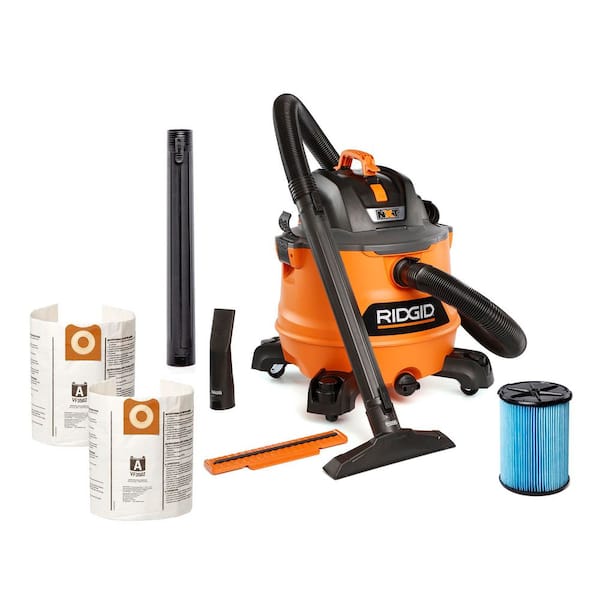
A dedicated wet-dry vacuum or a shop vac with HEPA-rated bags is best. Home upright vacuums are not designed for heavy powder without protection.
How long should washable parts dry before I reassemble the vacuum?
Allow 24 hours or until completely dry to the touch. Moisture can cause mold and electrical shorts if reassembled too soon.
Conclusion
Cleaning a vacuum after fine powder takes care and the right steps: unplug, empty, clean filters, clear hoses, dry completely, and test. Follow the routines here to protect your machine and breathing. Start by inspecting your vacuum now, replace any saturated filters, and consider a pre-filter or wet-dry unit for future jobs. If this guide helped, leave a comment with your experience or subscribe for more practical cleaning tips.

Liora Pennings is a seasoned chef and kitchen enthusiast with a passion for turning everyday cooking into an effortless experience. With years of hands-on culinary expertise, she specializes in practical techniques, ingredient know-how, and smart kitchen solutions that help home cooks elevate their meals. At KitchFlair.com, Liora shares her best tips, time-saving tricks, and honest product reviews to guide readers toward a more efficient, enjoyable, and inspired cooking routine. Whether you’re a beginner or a seasoned home chef, Liora’s friendly, knowledge-packed insights make every visit to the kitchen a little easier—and a lot more delicious.