How To Make Protein Coffee: Easy High-Protein Recipe
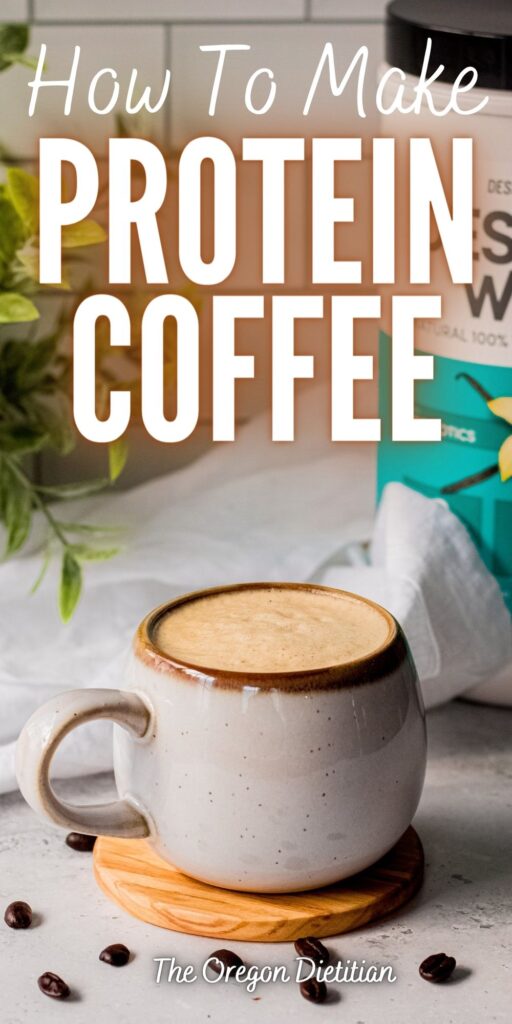
Mix brewed coffee, protein powder, milk or water, and blend until smooth.
I have made and tested dozens of protein coffee blends. This guide shows how to make protein coffee that tastes great, mixes well, and fits your nutrition goals. I will walk you through ingredients, step-by-step methods, recipes, timing, and common mistakes so you can make café-quality protein coffee at home.
Why try protein coffee?
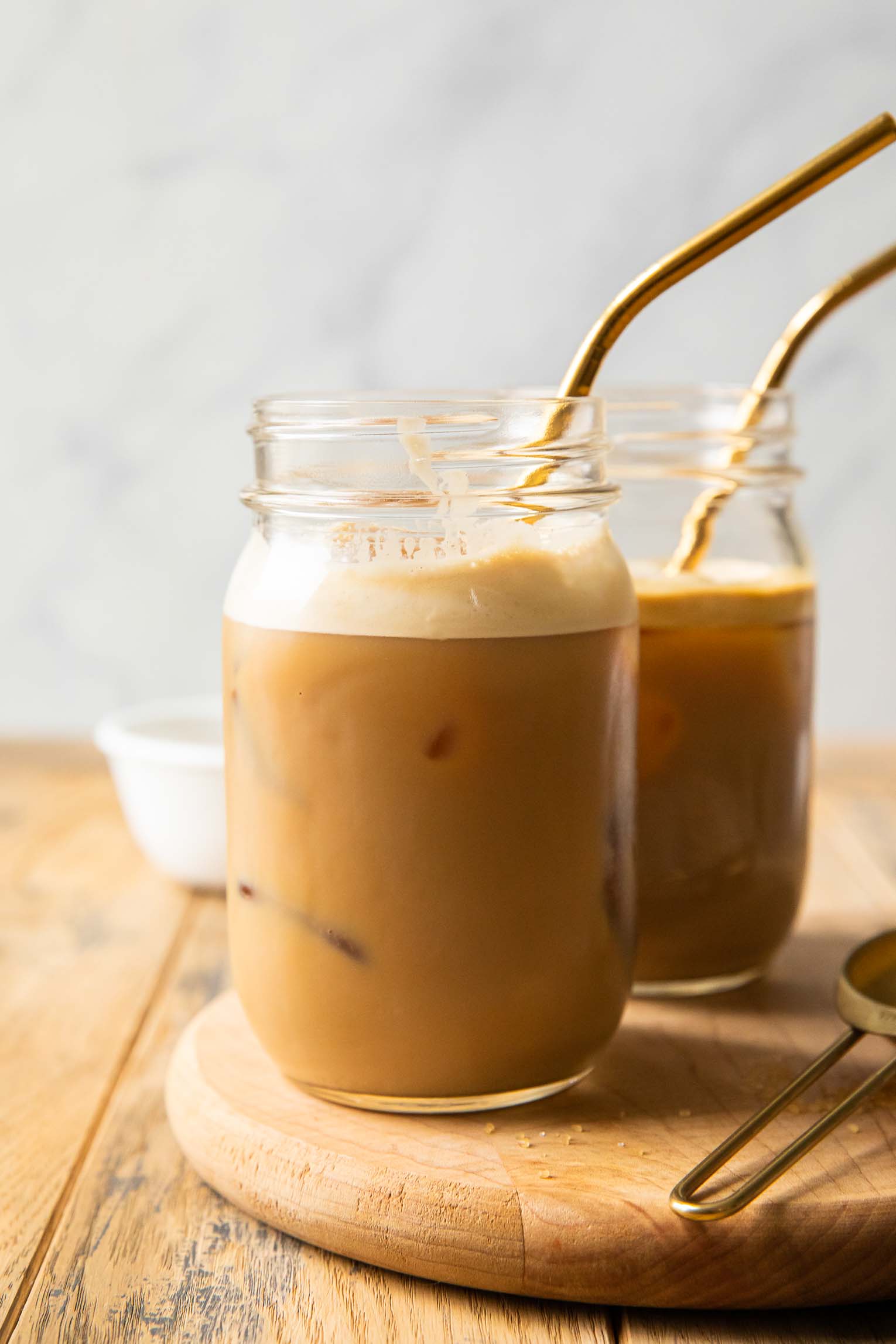
Protein coffee combines caffeine and protein to support focus and muscle recovery. Many people use protein coffee to replace a snack or to boost morning protein without extra meal prep. Research-backed benefits include improved morning appetite control and better post-workout recovery when timed well. I have used protein coffee after early runs to stop mid-morning hunger while keeping my energy steady.
Essential ingredients and equipment
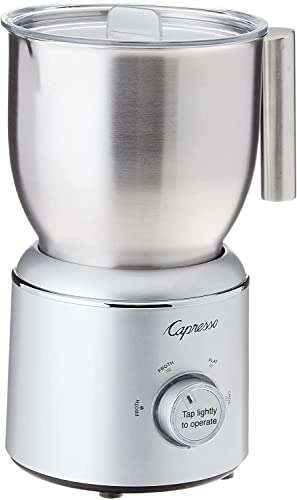
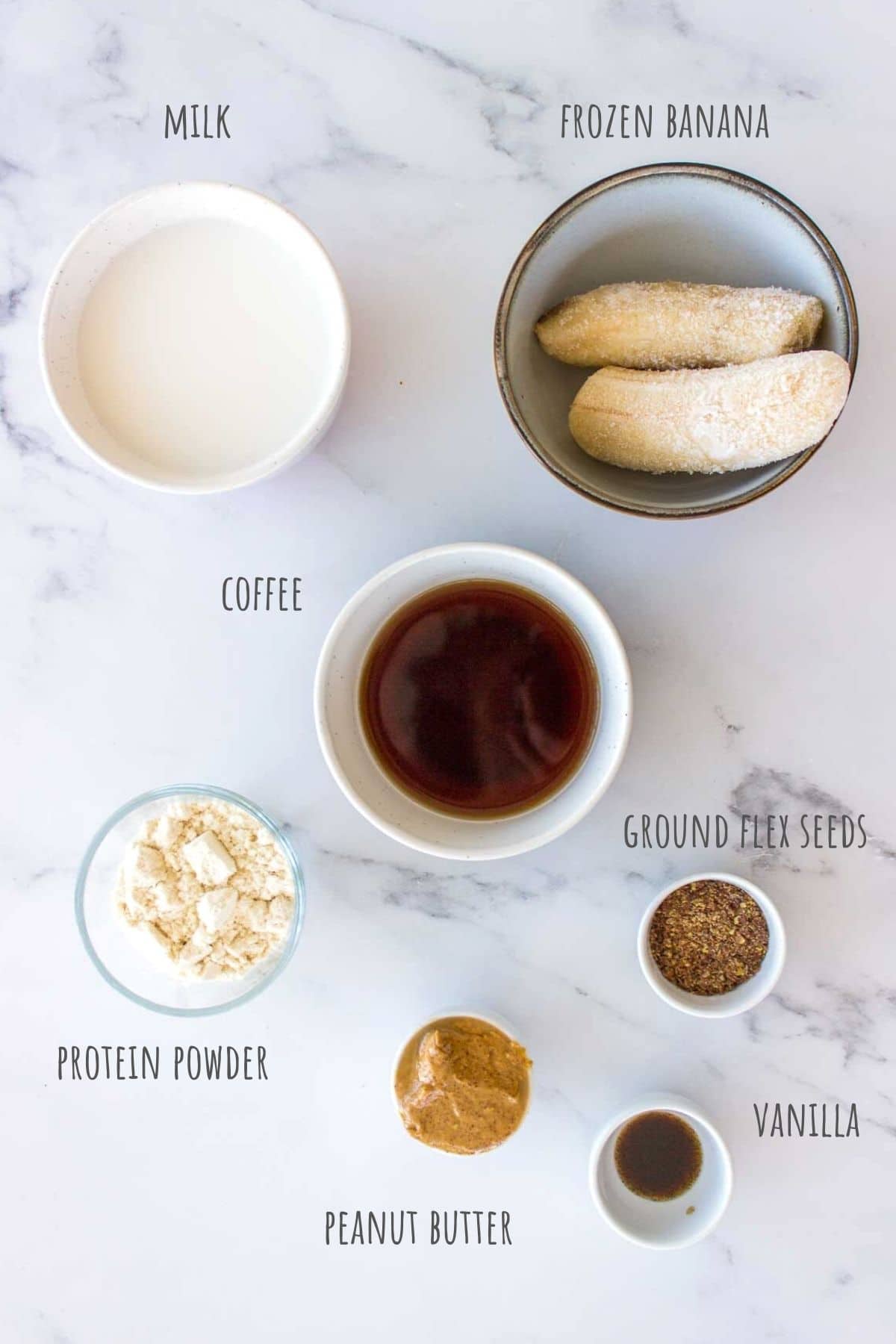
Good protein coffee starts with simple gear and clean ingredients. You need brewed coffee, protein powder, and a liquid such as milk, plant milk, or water. A blender or milk frother helps avoid clumps, and a shaker bottle works for quick on-the-go mixes. Optional add-ins include cinnamon, vanilla, cocoa, collagen, or a touch of sweetener.
How to make protein coffee: basic method
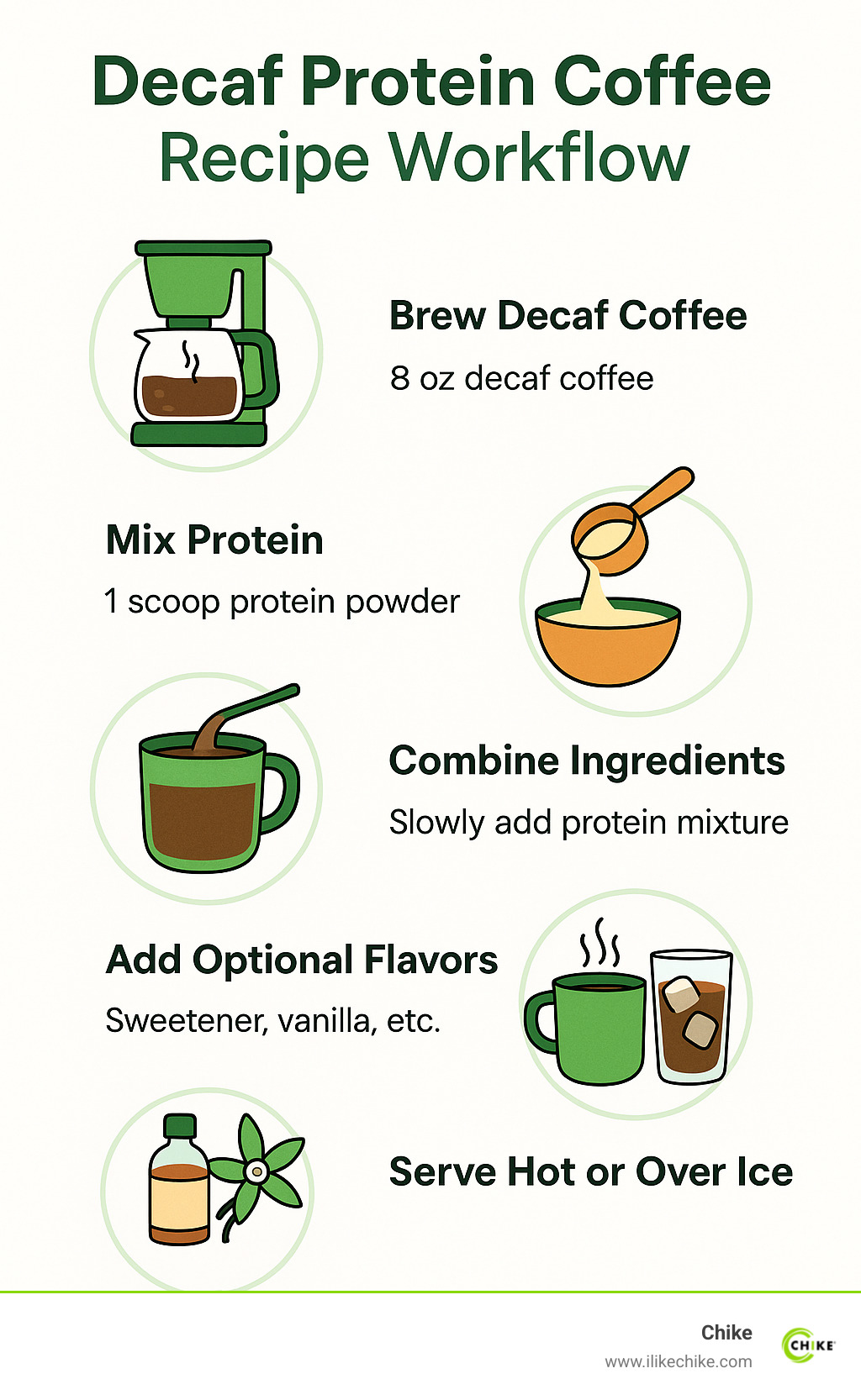
Follow this basic method to learn how to make protein coffee fast and reliably.
- Brew a cup of strong coffee. Use about 6 to 8 ounces.
- Let it cool briefly for hot blends or chill for iced versions.
- Add 1 scoop of protein powder and 4 to 8 ounces of milk or water. Adjust liquid for desired thickness.
- Blend for 10 to 20 seconds or shake vigorously for 30 seconds.
- Taste and tweak with sweetener, spice, or extra milk.
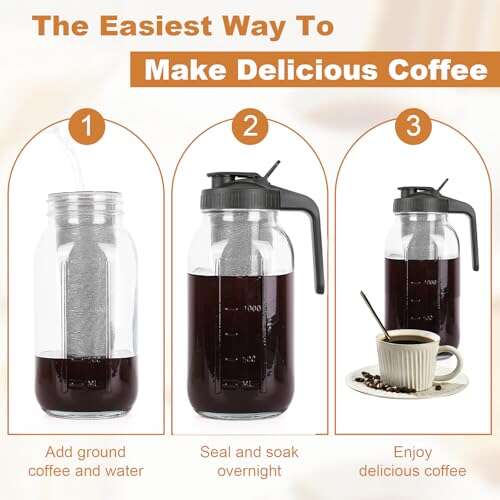
This basic routine teaches how to make protein coffee that mixes smoothly and tastes balanced. Try using cold brew for a milder flavor and less acidity.
Five easy protein coffee recipes
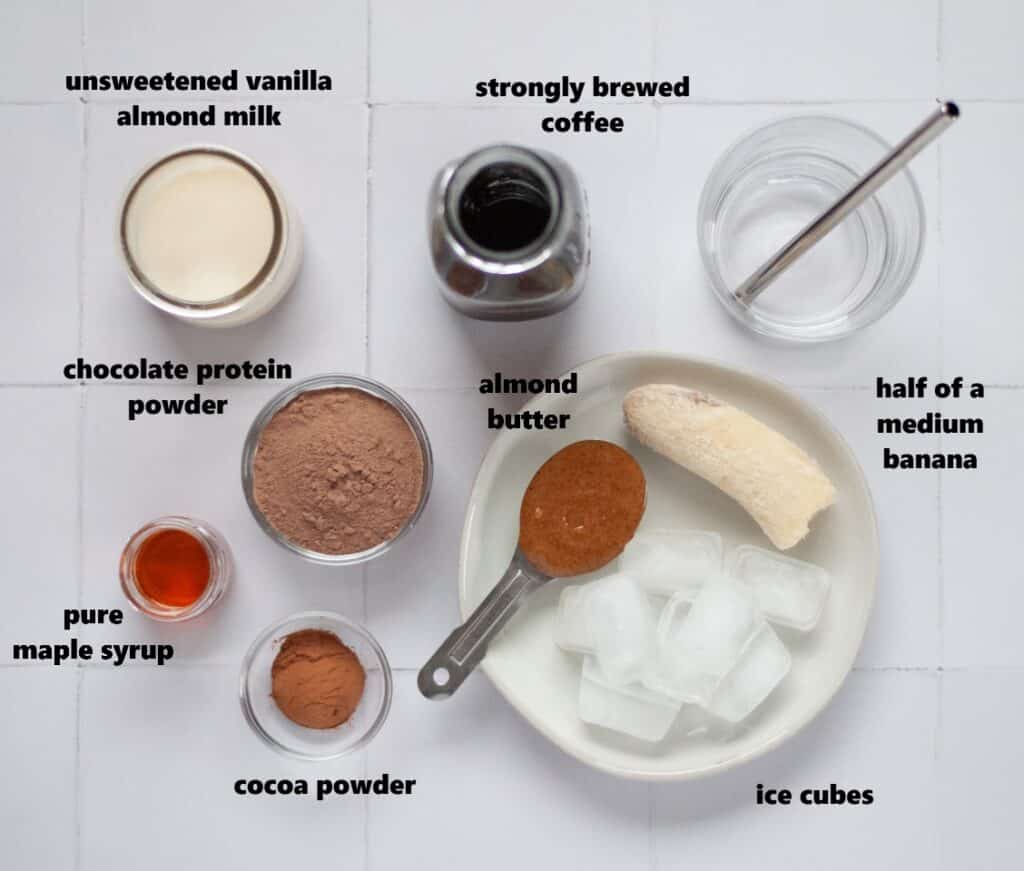
Try these simple recipes to explore flavors and textures.
1. Classic vanilla protein coffee
Mix 8 ounces brewed coffee, 1 scoop vanilla protein, and 4 ounces milk. Blend until smooth and enjoy warm or over ice.
2. Iced mocha protein coffee
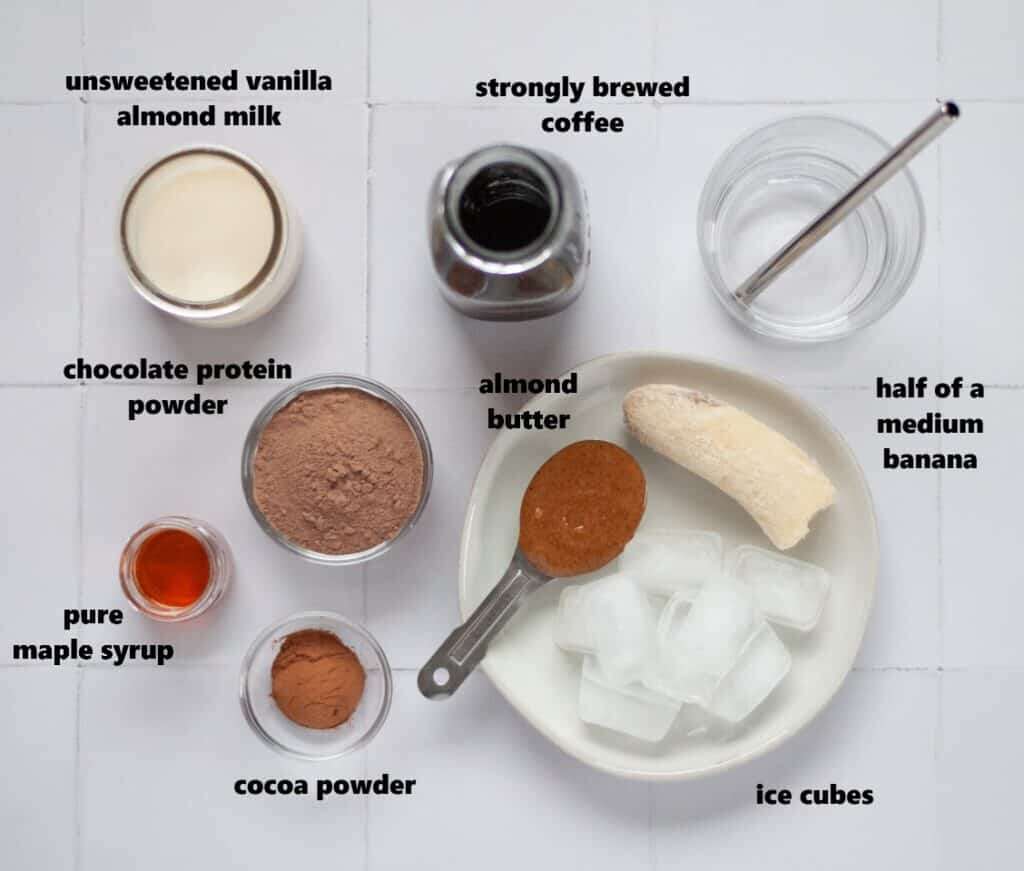
Combine 6 ounces cold brew, 1 scoop chocolate protein, 2 ounces milk, and 1 teaspoon cocoa. Shake with ice and sip.
3. Bulletproof-style protein coffee
Blend 6 ounces hot coffee, 1 scoop unflavored protein, 1 tablespoon MCT oil or butter, and 4 ounces milk. It makes a creamy, filling drink.
4. Collagen boost coffee
Add 1 scoop collagen protein, 1 shot espresso, and 6 ounces hot milk. Stir or froth; collagen dissolves well and is flavor neutral.
5. Low-carb protein frappe
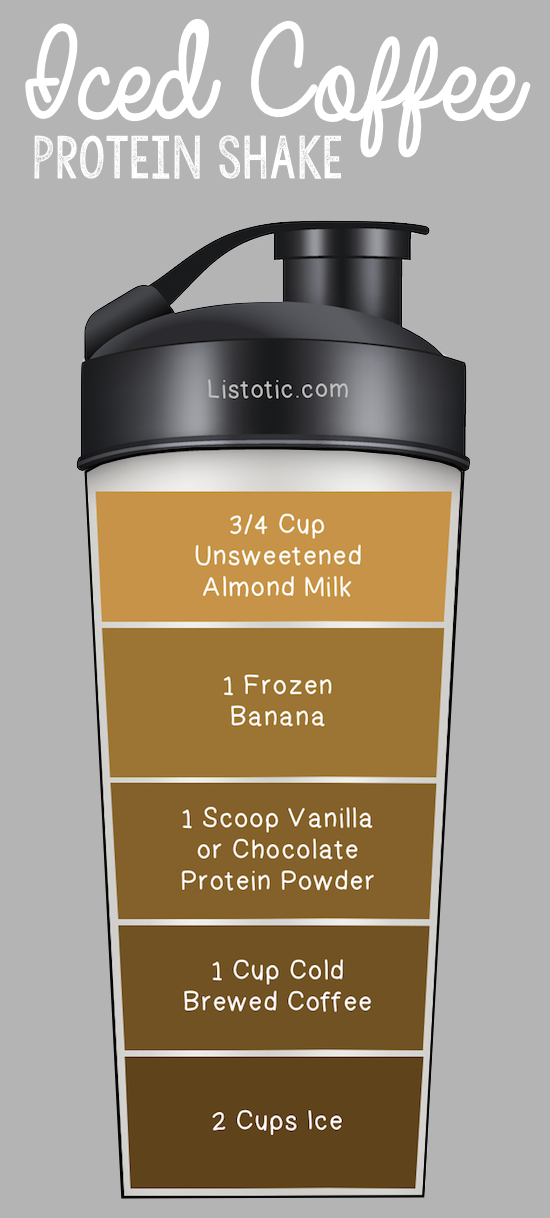
Blend 6 ounces cold coffee, 1 scoop low-carb protein powder, 4 ounces unsweetened almond milk, and ice. Top with cinnamon.
Each recipe helps you learn how to make protein coffee for different goals. Swap protein types and liquids to match taste and macros.

Nutrition, timing, and who should use protein coffee
Protein coffee can fit many goals. A typical serving provides 15 to 30 grams of protein, depending on the powder. Drink it as a post-workout pick-me-up or a mid-morning protein boost to curb cravings. People with caffeine sensitivity, dairy intolerance, or certain medical conditions should check with a provider before making protein coffee a habit.
Common mistakes and troubleshooting
Avoid these common pitfalls when you make protein coffee.
- Using the wrong powder. Some powders clump or taste artificial. Choose a mix that specifies "good mixability" or try whey isolate, plant blends, or collagen.
- Mixing hot coffee directly with some powders. Heat can cause clumping. Let very hot coffee cool a bit or dissolve protein into a small amount of milk first.
- Adding too much liquid. Too thin a drink loses body. Reduce water or add a thickener like yogurt or a second scoop for creaminess.
- Overrelying on sweeteners. Sugar can add empty calories. Try spices, vanilla extract, or a small amount of natural sweetener.
These fixes helped me turn many failed cups into consistent wins. Small tweaks make a big difference.
My personal tips and lessons learned
I tested a range of powders and brewing methods over months. Here are practical tips that saved time and taste.
- Use a high-quality instant or powdered protein that lists mixability. It cuts clumps.
- Pre-measure protein and flavorings the night before for fast mornings.
- For hot drinks, dissolve protein in cold milk first, then add warm coffee to prevent curdling.
- If you want more cream without dairy, use canned coconut milk sparingly.
These tricks came from trial and tweak. They make how to make protein coffee feel simple and repeatable.
2–3 quick, common questions answered (short)
Will protein coffee break a fast?
Short answer: It can, since protein triggers insulin and can end fasting benefits. If you are following strict time-restricted fasting, skip protein in the fasting window.
Is protein coffee better than a protein shake?
Short answer: It depends on goals. Protein coffee gives caffeine and convenience but a plain shake can provide more calories and nutrients for recovery.
Can I use any protein powder?
Short answer: Most can work, but taste and mixability vary. Start with whey isolate or a tested plant blend for best results.

Frequently Asked Questions of how to make protein coffee
What protein powder mixes best with coffee?
Whey isolate and collagen usually mix well and have mild flavors. Pea and plant blends can work but may need extra blending to avoid grit.
Can I use hot coffee with protein powder?
Yes, but let piping hot coffee cool for a minute or dissolve protein in a small amount of cold liquid first to reduce clumping. Blending also helps create a smooth texture.
How much protein powder should I add?
A standard serving is 1 scoop or 15 to 30 grams of protein. Match the amount to your daily protein needs and taste preferences.
Will protein coffee affect my workout?
Drinking protein coffee post-workout can help recovery by supplying both caffeine and protein. Time it within 30 to 60 minutes after exercise for best benefit.
Is protein coffee good for weight loss?
Protein coffee can help control appetite and reduce snacking when used as part of a calorie-aware plan. Do not rely on it as the only strategy for weight loss.
Conclusion
You now know how to make protein coffee that tastes good and supports your goals. Start with the basic method, try a recipe, and tweak ingredients to match flavor and macros. Make one small change today—try a chilled vanilla protein coffee or swap your powder—and see how it fits your routine. Share your favorite blend or ask a question below to keep learning and improving your morning cup.

Liora Pennings is a seasoned chef and kitchen enthusiast with a passion for turning everyday cooking into an effortless experience. With years of hands-on culinary expertise, she specializes in practical techniques, ingredient know-how, and smart kitchen solutions that help home cooks elevate their meals. At KitchFlair.com, Liora shares her best tips, time-saving tricks, and honest product reviews to guide readers toward a more efficient, enjoyable, and inspired cooking routine. Whether you’re a beginner or a seasoned home chef, Liora’s friendly, knowledge-packed insights make every visit to the kitchen a little easier—and a lot more delicious.