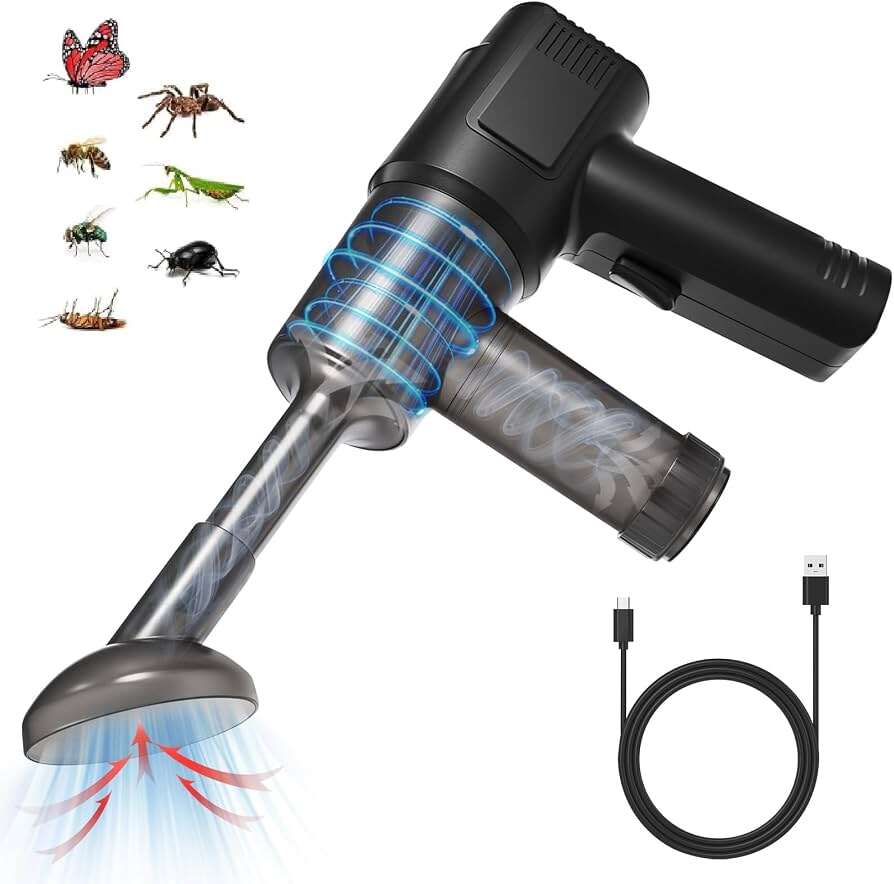
How Long Can A Wasp Live In A Vacuum Cleaner: The Answer
A wasp can live in a vacuum cleaner for several minutes to a few hours, depending on conditions.
Wondering how long can a wasp live in a vacuum cleaner is common after vacuuming near a window, attic, or nest. The answer depends on the vacuum type, airflow, heat, dust, impact, and the wasp’s condition. This guide explains what happens inside the machine, how long the insect may survive, and the safest way to remove it.
How Long Can a Wasp Live in a Vacuum Cleaner?
A wasp may survive anywhere from a few minutes to several hours in a vacuum cleaner. In some cases, it may remain alive longer if it lands in a cool, open canister with plenty of air and little dust.
The vacuum does not create a perfect vacuum inside the hose or dust chamber. Air continues to move through the system, so the wasp may still have oxygen. The main dangers are physical impact, dehydration, heat, dust, and being trapped without food or water.
The exact survival time is hard to predict. A wasp pulled through a narrow hose may be injured at once. Another may reach the canister with only minor damage and remain active for a while.
A realistic guide looks like this:
• A wasp in the hose may be stunned or killed within seconds or minutes.
• A wasp in a bagged vacuum may survive for several minutes to a few hours.
• A wasp in a cool, bagless canister may live for hours in rare cases.
• A wasp that is badly injured may die soon after being vacuumed.
• A wasp that appears still may be resting, stunned, or dead.
So, how long can a wasp live in a vacuum cleaner? For safety, assume it may still be alive whenever the vacuum has recently captured one.

What Happens to a Wasp Inside a Vacuum?
A vacuum cleaner creates strong airflow, but it does not always kill insects right away. The wasp is pulled through the hose and may hit the tube, filter, fan area, or dust container.
This trip can cause serious injury. The wings may tear, the legs may break, or the body may suffer internal damage. However, wasps are small and tough insects, and some can survive a short trip through the hose.
Once inside the dust chamber, the wasp faces a different set of problems:
• Dust can block its breathing openings.
• Fine debris can stick to its wings and legs.
• Heat from the motor can raise the air temperature.
• The insect may become weak from stress and lack of water.
• Continued airflow may toss it against the walls of the chamber.
A bagless vacuum often gives the wasp more space and air. A vacuum bag may hold dust tightly around the insect, which can reduce movement and airflow. Still, neither type guarantees that the wasp will die quickly.
This is why the question “how long can a wasp live in a vacuum cleaner?” has no single answer. The machine model and the wasp’s location matter greatly.

Factors That Affect Wasp Survival
Several conditions affect how long a wasp can live in a vacuum cleaner. These factors explain why one wasp may die quickly while another remains active hours later.
Vacuum type
bagged vacuums collect insects in a paper or cloth bag. The bag may limit movement, but it can also protect the wasp from direct contact with the fan after the insect enters the dust path.
Bagless vacuums collect debris in a plastic container. The wasp may have more room to move, but it can be thrown against the container walls or covered in dust.
Handheld vacuums often have smaller chambers and stronger local airflow. These machines may injure an insect more severely, but survival is still possible.
Motor Heat
Vacuum motors produce heat during use. A long cleaning session can make the hose, body, and air inside the machine warm.
Heat can weaken or kill a wasp. Yet the motor does not always heat the dust chamber enough to do this quickly. If the vacuum is turned off soon after capture, the wasp may avoid the highest temperatures.
Physical Injury
The biggest threat is often the journey through the machine. A wasp can strike the hose wall, filter, impeller, or dust container.
If the insect loses the ability to fly, it may still move its legs or sting when disturbed. A wasp that seems quiet is not always harmless. It may recover after resting.
Air and Moisture
Wasps need oxygen, but they do not need a large amount of air while resting. A sealed bag or packed dust chamber may become a poor environment over time.
Dry dust can also remove moisture from the insect’s body. Water loss becomes more important as the hours pass, especially in a hot room.
Species and Life Stage
Many household stinging insects are paper wasps, yellowjackets, or hornets. Their size and strength differ. A large adult may handle stress differently from a small or aging worker.
A queen wasp is not automatically more likely to survive vacuuming. Injury, heat, and dust still play the main roles.

Can a Wasp Survive Overnight in a Vacuum Cleaner?
Yes, a wasp can possibly survive overnight, but this is not the most common outcome. Survival is more likely if the vacuum was used for a short time, the insect reached a cool canister, and the machine has good airflow.
A wasp trapped in a warm, dusty bag is less likely to remain alive overnight. Even so, you should not open the bag indoors to check.
If you must wait before handling the vacuum, place it in a garage or another enclosed area away from people and pets. Do not leave it near a bedroom, doorway, or busy walkway.
The answer to how long can a wasp live in a vacuum cleaner is therefore best treated as a safety question, not just a biology question. You do not need to know the exact survival time before taking sensible precautions.
How to Tell Whether the Wasp Is Alive
It is difficult to confirm whether a wasp is alive without opening the vacuum. Small movements may be hidden by dust, and a stunned wasp may remain still for many minutes.
Signs that it may still be alive include:
• Movement of the legs or abdomen.
• Wing movement when the vacuum is shaken.
• A faint buzzing sound.
• Sudden activity after the machine warms or moves.
• A wasp crawling near the canister wall or filter.
Do not tap the vacuum, shake it, or place your hand near the opening. These actions can disturb a living insect.
It is also wise to treat the wasp as alive if you are unsure. This simple rule prevents many avoidable stings.
What to Do After Vacuuming a Wasp
The safest method depends on the vacuum design. Work slowly, wear closed shoes, and keep children and pets away from the area.
For a Bagless Vacuum
-
Turn off and unplug the vacuum.
-
Carry it outside if you can do so safely.
-
Put on long sleeves, long pants, gloves, and eye protection.
-
Hold the dust container over a sealed trash bag or lidded outdoor container.
-
Open the container carefully and step away.
-
Leave the container outside for several hours before cleaning it.
-
Replace or wash the filter according to the manufacturer’s instructions.
Do not use bare hands to remove debris. A living wasp can sting through a small gap before you react.
For a Bagged Vacuum
-
Turn off and unplug the machine.
-
Avoid opening the vacuum indoors.
-
Take the vacuum outside or into a closed garage.
-
Remove the bag only if the design allows safe removal.
-
Seal the bag inside a second heavy-duty bag.
-
Place it in an outdoor trash container with a secure lid.
-
Fit a new bag before using the vacuum again.
Do not spray insecticide into the motor, hose, or electrical parts. This may damage the machine and release irritating chemicals into the air.
If You Have a Wasp Allergy
Ask another adult to handle the vacuum if possible. If a sting causes trouble breathing, swelling of the throat, dizziness, or widespread hives, call 911 immediately and use prescribed emergency medicine as directed.

Does Vacuuming Kill Wasps?
Vacuuming may kill a wasp, but it is not guaranteed. The insect may die from impact, heat, dehydration, or dust. It may also survive and remain trapped inside the machine.
Vacuuming is not a reliable pest control method for a nest. It may remove one or two visible wasps, but it does not solve the source of the problem. More wasps may continue to enter through a wall gap, roof space, vent, or damaged screen.
Do not vacuum a large number of wasps from an active nest. The machine can fill with live insects, and opening it later could create a serious sting risk.
If you find repeated wasps indoors, look for these possible entry points:
• Gaps around windows and doors.
• Open attic vents.
• Cracks near roof edges.
• Holes around pipes and cables.
• Damaged screens.
• Wall voids and unused chimneys.
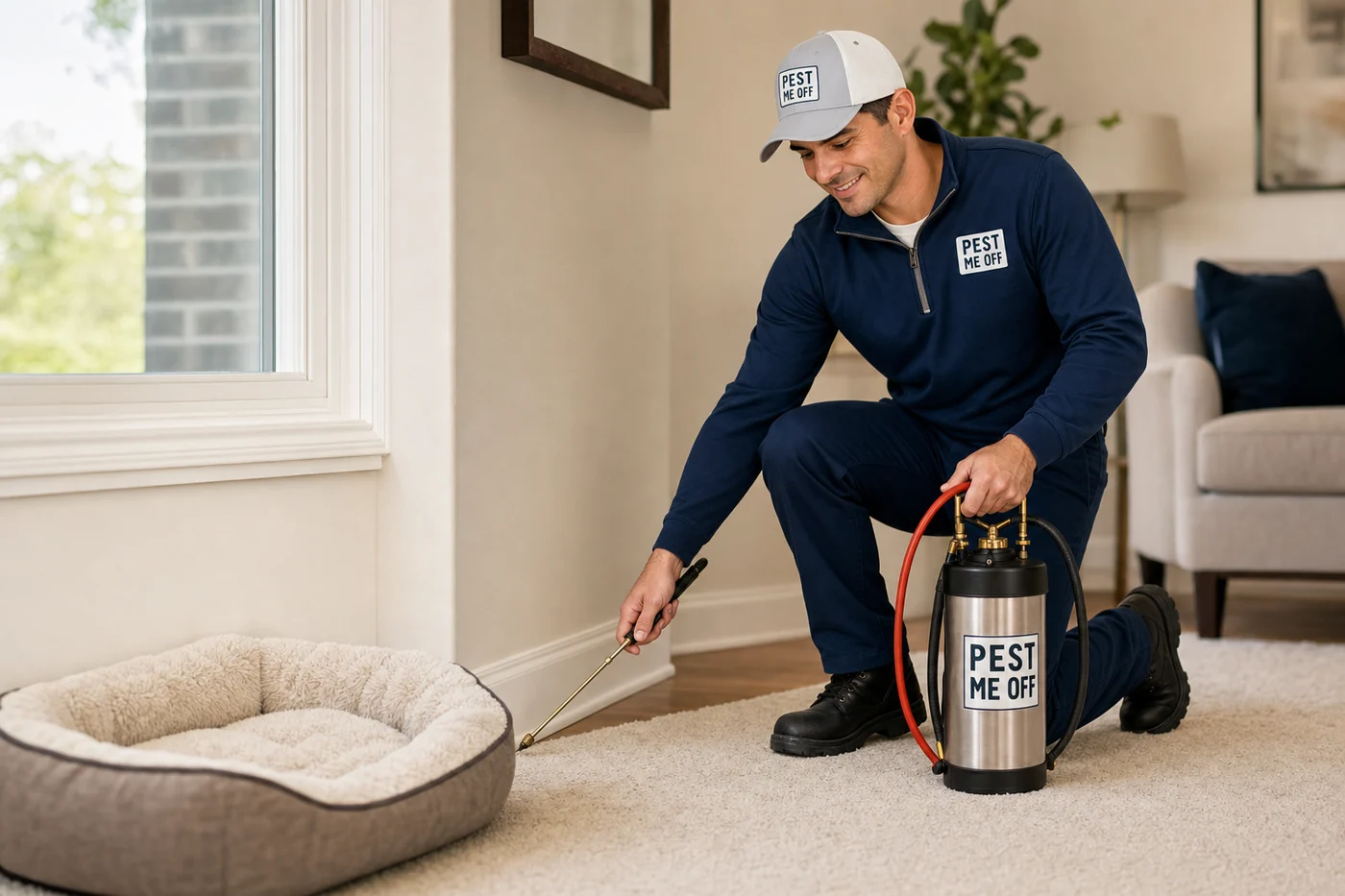
For a nest inside a wall, attic, or roof, contact a licensed pest professional. Nest removal can be dangerous, especially in late summer when colonies are active.

A Practical Lesson From Real-World Vacuum Use
A common mistake is assuming that silence means the insect is dead. In household pest work, a quiet vacuum is often treated as safe too soon. Small insects can remain still, then move when the container is opened or carried.
Another mistake is leaving the vacuum indoors for days. Even if the wasp has died, the machine may still contain a nest fragment, dead insects, or dust that attracts other pests.
A safer habit is simple: unplug the vacuum, move it outside, seal the contents, and clean the machine later. This approach does not depend on guessing how long can a wasp live in a vacuum cleaner.
The key lesson is to treat the vacuum like a closed box that may contain a live stinging insect. Calm handling is safer than poking, shaking, or rushing.
How to Prevent Wasps From Entering Your Home
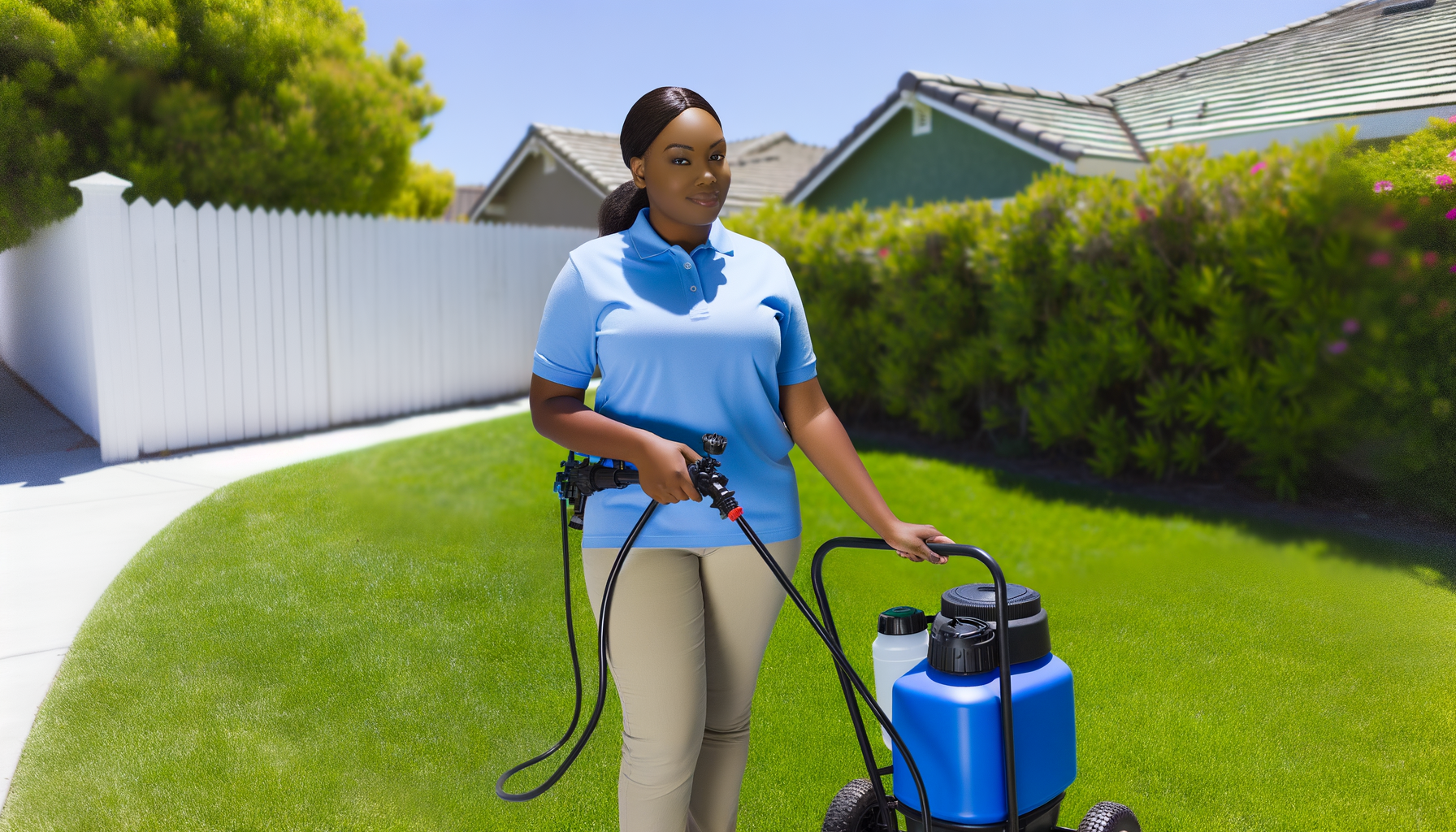
Prevention is easier than dealing with a wasp in a vacuum cleaner. Start by checking the places where wasps can enter or build nests.
Use these practical steps:
• Repair torn window and door screens.
• Add weather stripping around doors.
• Seal small cracks with suitable caulk.
• Keep food and sweet drinks covered.
• Rinse cans and bottles before placing them in recycling.
• Keep outdoor trash bins closed.
• Inspect roof edges, sheds, porches, and attic vents.
• Remove abandoned paper nests only when no insects are present.
• Keep fallen fruit away from patios and doors.
Do not block an active nest entrance with foam or sealant. Trapped wasps may search for another route, including a path into the living space.
If you see regular wasp traffic at one location, watch from a safe distance. A pest professional can identify the species and choose a treatment that fits the nest site.

Is It Safe to Use the Vacuum Again?
You can usually use the vacuum again after removing the contents and checking the hose, filter, and dust chamber. Unplug the machine before inspecting any part of it.
Use a flashlight to look for movement. Do not reach into narrow openings with your fingers. Clean washable parts only as the manufacturer permits, and let them dry fully before reinstalling them.
Replace a disposable bag or heavily contaminated filter. A damaged filter can allow dust and insect particles to circulate back into the room.
If the vacuum smells hot, makes a new noise, or shows signs of damage, stop using it. A repair technician can inspect the machine safely.

Frequently Asked Questions About How Long Can a Wasp Live in a Vacuum Cleaner
How long can a wasp live in a vacuum cleaner if the machine is turned off?
A wasp may survive for minutes or hours after the vacuum is turned off. A cool, spacious canister gives it a better chance than a hot, dusty bag.
Can a wasp get out of a vacuum cleaner?
A wasp may escape through an open hose, loose filter, or poorly sealed container. Keep the machine unplugged and sealed until you can move it outside safely.
Will a wasp die from lack of oxygen in a vacuum?
Not right away. Most vacuum cleaners still contain moving air and are not airtight, so oxygen loss may take longer than the injury caused by the airflow and debris.
Should I spray bug killer into the vacuum?
No. Insecticide can damage the motor, create harmful fumes, and spread through the exhaust. Remove and seal the vacuum contents instead.
Can a dead-looking wasp still sting?
A recently injured wasp may still sting through reflex movement or sudden activity. Avoid touching it, even if it appears dead.
Is vacuuming a wasp nest safe?
No. Vacuuming an active nest can release many angry wasps and create a severe sting risk. Use a licensed pest professional for nests in walls, attics, roofs, or other hard-to-reach areas.
Conclusion
A wasp can live in a vacuum cleaner for several minutes to a few hours, and rare cases may last longer. The insect may be injured by the hose, fan, heat, dust, or lack of moisture, but you should never assume it is dead.
Unplug the vacuum, keep it away from people and pets, and handle the bag or canister outdoors. If wasps keep appearing, search for an entry point or active nest instead of relying on the vacuum.
Use these steps to stay calm and safe, and consider contacting a licensed pest expert when a nest is involved.

Liora Pennings is a seasoned chef and kitchen enthusiast with a passion for turning everyday cooking into an effortless experience. With years of hands-on culinary expertise, she specializes in practical techniques, ingredient know-how, and smart kitchen solutions that help home cooks elevate their meals. At KitchFlair.com, Liora shares her best tips, time-saving tricks, and honest product reviews to guide readers toward a more efficient, enjoyable, and inspired cooking routine. Whether you’re a beginner or a seasoned home chef, Liora’s friendly, knowledge-packed insights make every visit to the kitchen a little easier—and a lot more delicious.