What Makes Vietnamese Coffee Different: Key Facts
Vietnamese coffee stands apart through robusta beans, slow phin brewing, and sweet condensed milk.
What makes Vietnamese coffee different becomes clear in every step, from the bean and roast to the slow drip and bold serving style. After comparing brewing methods, tasting regional beans, and testing phin recipes at home, I have found that Vietnamese coffee is not simply stronger coffee. It is a complete coffee tradition shaped by climate, history, local taste, and practical creativity.
What Makes Vietnamese Coffee Different?
What makes Vietnamese coffee different is the way several elements work together. Vietnamese coffee often uses strong Robusta beans, a dark roast, a metal phin filter, and sweetened condensed milk. Each part affects the final taste.
Many coffee cultures focus on Arabica beans, light roasts, and fast brewing. Vietnamese coffee often takes another path. The result is a deep, intense cup with notes of dark chocolate, toasted grain, spice, and caramel.
The main features include:
• Robusta beans with high caffeine and a strong body
• Dark roasting that creates smoky, bitter, and chocolate-like flavors
• Slow brewing through a small metal phin filter
• Sweetened condensed milk that balances bitterness
• Ice, which turns the drink into a refreshing cà phê sữa đá
• Regional styles that reflect Vietnam’s diverse coffee-growing areas
The key lesson is simple: what makes Vietnamese coffee different is not one ingredient. It is the full combination of bean, roast, tool, serving method, and culture.

The Role of Robusta Beans
One of the clearest answers to what makes Vietnamese coffee different is the widespread use of Robusta beans. Vietnam is one of the world’s leading coffee producers and is especially known for Robusta production.
Robusta comes from the Coffea canephora plant. It grows well in warm conditions and can resist some pests and diseases better than Arabica. Robusta beans also contain more caffeine than Arabica on average, which helps create Vietnamese coffee’s powerful kick.
In the cup, Robusta often tastes:
• Bold and earthy
• Bitter and intense
• Nutty or woody
• Full-bodied and heavy
• Slightly smoky after dark roasting
Arabica usually offers more delicate notes, such as berries, citrus, flowers, or stone fruit. Robusta has fewer bright flavors, but it provides strength and texture. This makes it a good match for condensed milk and ice.
Vietnamese coffee is not always 100% Robusta. Some specialty producers use Arabica, Liberica, or blends. Still, traditional Vietnamese iced coffee often depends on Robusta’s bold character.
A common mistake is to judge Robusta by the standards of a light-roasted Arabica. That misses the point. Vietnamese Robusta is designed to deliver body and intensity, much like a rich dark chocolate bar rather than a delicate fruit tea.

Dark Roasting Creates a Bold Flavor
Roasting is another major part of what makes Vietnamese coffee different. Traditional Vietnamese coffee is often roasted dark. The beans may develop flavors of cocoa, caramel, toast, smoke, and spice.
Dark roasting reduces some of the bean’s bright acidity. It also brings the roast flavor to the front. This can create a cup that feels strong, thick, and lasting.
Some Vietnamese roasters add ingredients such as butter, salt, or flavoring during or after roasting. These practices vary by producer and region. They are not part of every Vietnamese coffee recipe, so it is wise to check the label before buying.
The dark roast has a practical benefit. It stands up to sweetened condensed milk, ice, and slow extraction. A light roast may taste thin or sour when prepared in the same way.
However, dark does not always mean better. Over-roasting can hide the bean’s natural qualities and create a burnt taste. Fresh beans and careful roasting still matter, even in a traditional dark profile.
When buying coffee, look for:
• A clear roast date
• Whole beans when possible
• Information about the growing region
• A roast level described as medium-dark or dark
• A blend that explains the Robusta-to-Arabica ratio

The Phin Filter Changes the Brewing Process
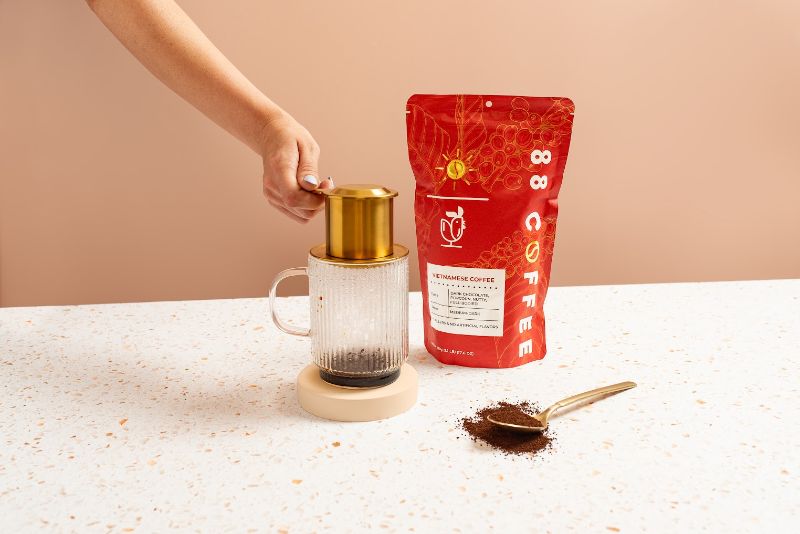
The phin filter is a small metal brewer that sits on top of a cup. It looks simple, but it plays a central role in what makes Vietnamese coffee different.
To brew with a phin, you place ground coffee in the chamber, set the small press on top, and add hot water. The coffee slowly drips into the cup. This can take several minutes.
The phin is different from a paper filter in important ways:
• It has no disposable paper
• It allows more oils into the cup
• It brews slowly
• It produces a dense and full texture
• It needs no electricity
The metal filter lets coffee oils pass through. These oils give the drink more weight and a richer mouthfeel. The slow drip also makes the brewing process feel calm and deliberate.
The phin requires a little practice. If the coffee drips too fast, the grind may be too coarse or the press may be too loose. If it barely drips, the grind may be too fine or the coffee may be packed too tightly.
A reliable starting method is:
-
Use about 20 grams of medium-fine coffee.
-
Place the grounds in a six-ounce phin.
-
Add a small amount of hot water to wet the grounds.
-
Wait about 30 seconds.
-
Add the remaining water.
-
Let the coffee drip for four to five minutes.
-
Stir before drinking.
The exact amount depends on the phin, coffee, and personal taste. The goal is a steady drip, not a fast pour or a complete blockage.
Sweetened Condensed Milk Is More Than a Sweetener
Sweetened condensed milk is one of the most recognizable parts of Vietnamese coffee. It also explains what makes Vietnamese coffee different from many other strong coffee traditions.
Fresh milk was not always easy to store in Vietnam, especially before modern refrigeration became common. Sweetened condensed milk offered a shelf-stable option. It also added sweetness, creaminess, and energy to a strong cup.
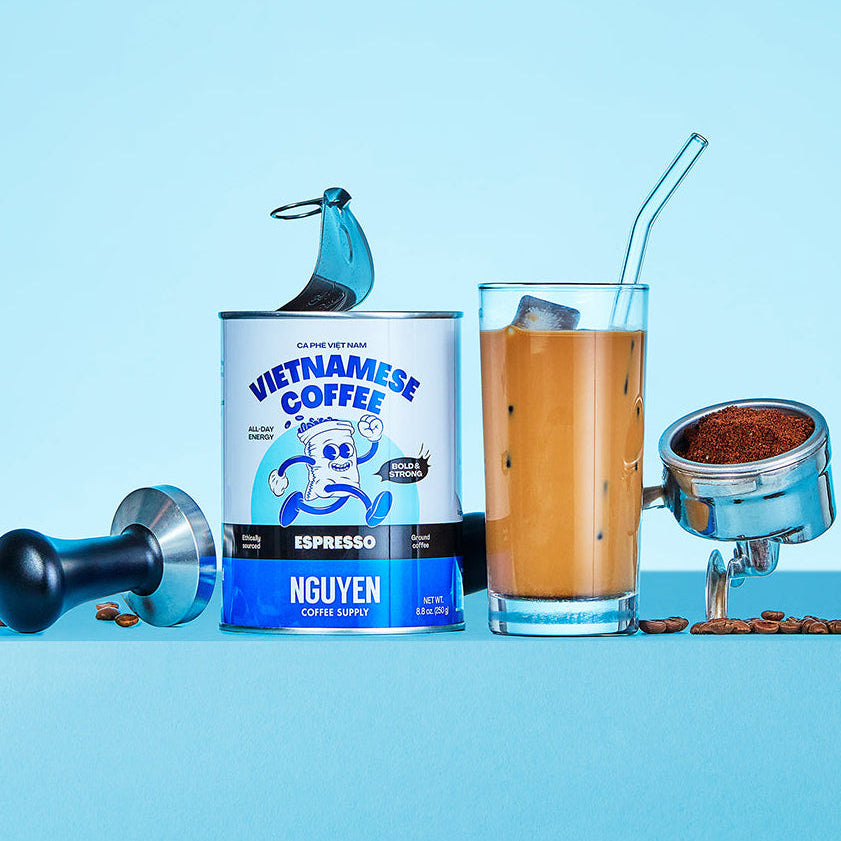
Traditional cà phê sữa is hot coffee mixed with condensed milk. Cà phê sữa đá is the iced version. The coffee is brewed over the milk, then stirred and poured over ice.
Condensed milk changes the drink in three ways:
• It softens bitter flavors.
• It adds a thick, creamy texture.
• It creates a dessert-like balance without needing extra sugar.
The best ratio depends on your taste. Start with one to two tablespoons of condensed milk per cup. Add the coffee slowly, stir well, and adjust from there.
A frequent mistake is adding too much milk before tasting the coffee. This can hide the bean’s flavor. Another mistake is using very cold condensed milk, which may make the coffee cool too quickly. Letting it sit at room temperature for a few minutes can help it blend more smoothly.
You can also use less condensed milk or try unsweetened evaporated milk. These choices change the traditional profile, but they may suit people who want less sugar.
Vietnamese Iced Coffee Has a Distinct Texture and Ritual
Cà phê sữa đá is not just cold coffee with milk. Its texture and preparation make it unique.
The coffee first drips slowly over condensed milk. The liquid is often dark, thick, and fragrant. After stirring, the mixture is poured over a glass filled with ice. The ice cools the coffee while slightly diluting its strength.
This creates a drink with several layers:
• Strong roasted aroma
• Bitter coffee at the start
• Sweet, creamy middle notes
• A cool and clean finish