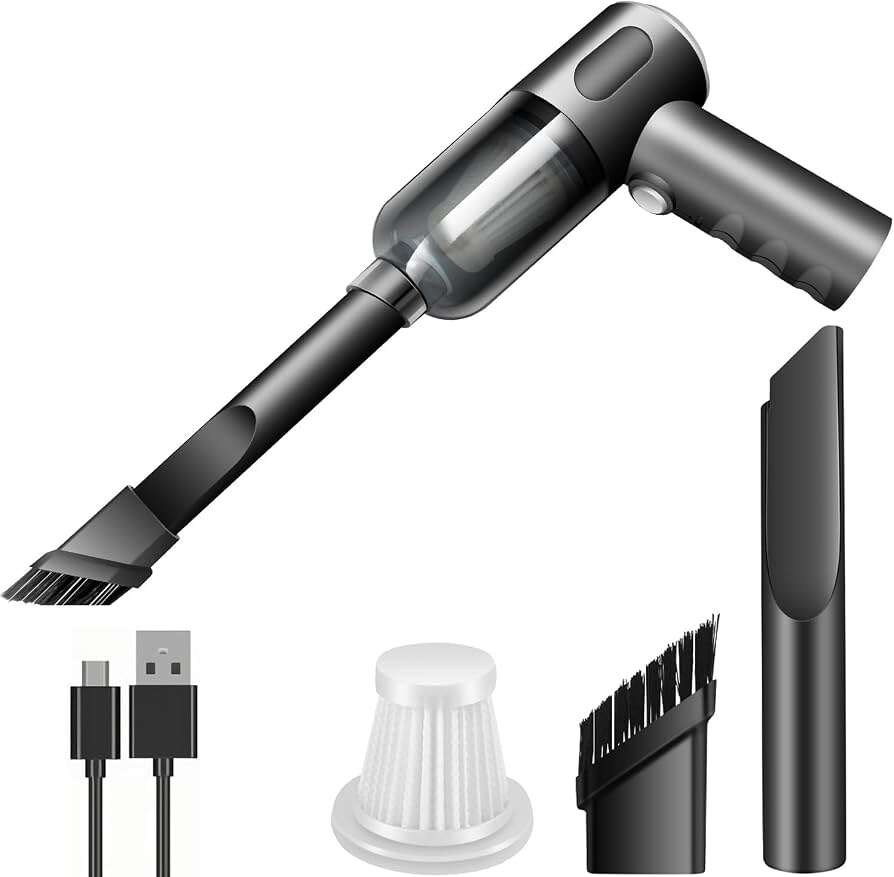
Can I Use Home Vacuum Cleaner For Car: Smart Cleaning Tips
Yes, you can use a home vacuum cleaner for your car, but use the right settings and attachments.
If you are asking, “can I use home vacuum cleaner for car cleaning?” the answer is usually yes. A household vacuum can remove dust, crumbs, pet hair, and light dirt from seats, carpets, and floor mats. However, car interiors have tight gaps, delicate trim, and occasional moisture, so safe technique matters as much as suction power.
Can I Use a Home Vacuum Cleaner for Car Cleaning?
Yes, most home vacuum cleaners work well for basic car cleaning. An upright vacuum, canister vacuum, or cordless stick vacuum can clean the main cabin areas. The best results come from using a crevice tool, soft brush, and upholstery attachment.
A home vacuum cleaner is often stronger than a small car vacuum. It can pull dirt from carpets and fabric seats more quickly. It may also have a larger dust bin, which means you can clean the entire car without stopping to empty it.
Still, a home vacuum is not designed for every car-cleaning task. Avoid using a regular dry vacuum on wet spills, muddy water, or soaked carpets. Water can damage the motor and create a serious electrical risk.
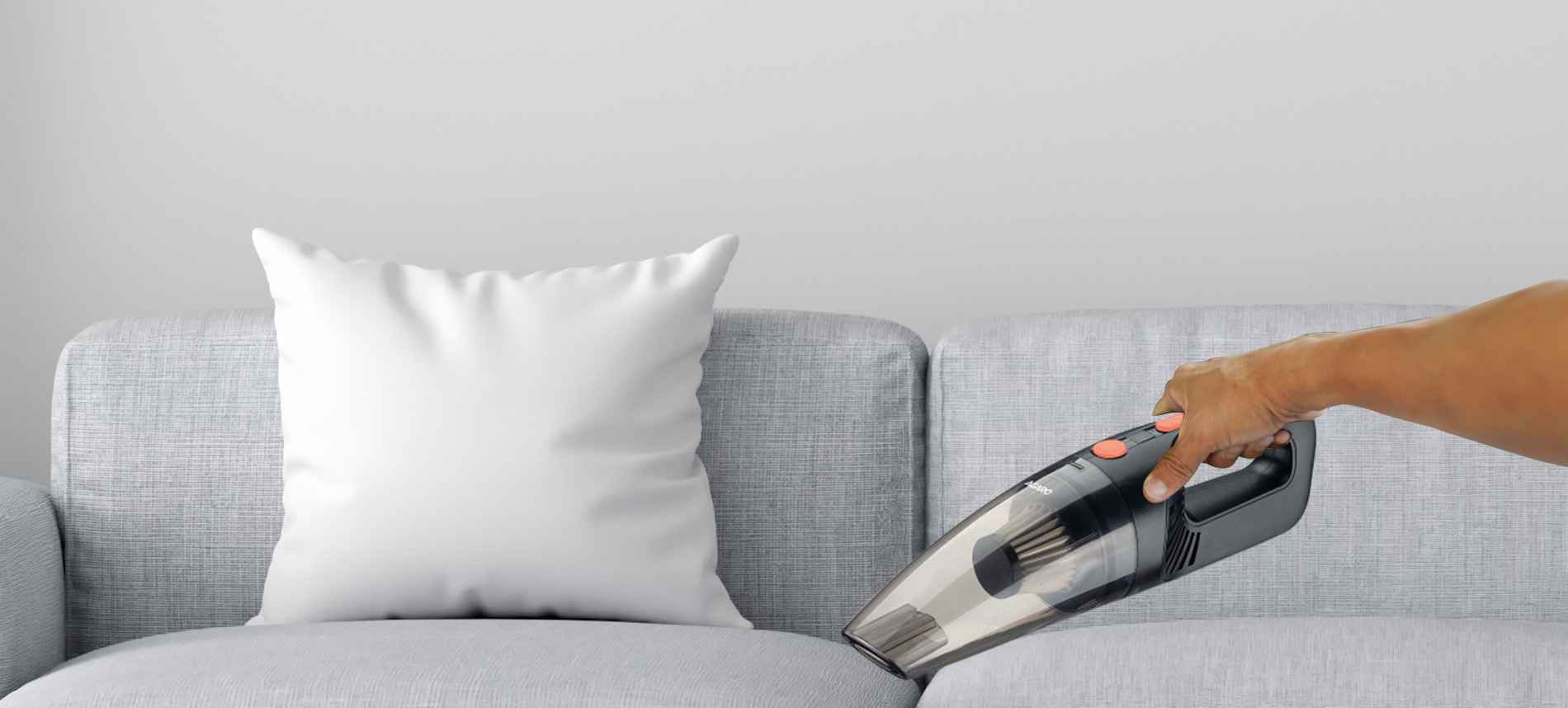
Benefits of Using a Home Vacuum Cleaner in Your Car
Using a household vacuum has several practical benefits. It can be a smart option if you already own one and only clean your car from time to time.
Stronger suction
Many home vacuums provide more suction than budget car vacuums. This helps remove:
• Sand and gravel from floor carpets
• Food crumbs from seat gaps
• Dust trapped in floor mats
• Pet hair from fabric upholstery
• Loose dirt around the pedals
Strong suction is especially helpful after a beach trip, road trip, or family outing. Car carpets can hold more dirt than they seem to show.
Larger dust capacity
A household vacuum usually has a larger dust bag or collection bin. This is useful when cleaning several vehicles or a car that has not been vacuumed for months.
A small handheld car vacuum may fill quickly. When the filter becomes blocked, suction drops. A home vacuum can often run longer before you need to empty or clean it.
More useful attachments
Most home vacuums come with tools that suit different parts of a car. A crevice tool can reach between seats, while a soft brush can clean vents and dashboards.
A short hose also lets you work around the cabin with better control. If your vacuum has a long power cord, you may be able to clean the trunk without moving the machine often.
Lower cost
If you already own a home vacuum cleaner, using it for your car costs nothing extra. This makes it more practical than buying a separate car vacuum for occasional cleaning.
In my experience, the biggest mistake is buying a weak car vacuum for convenience when a household vacuum is already available. The household model often cleans faster and reaches deeper dirt.
Which Home Vacuum Cleaners Work Best for Cars?
Not every home vacuum is equally suitable. The design of the vacuum matters more than the brand.
Canister vacuum
A canister vacuum is often the best home vacuum cleaner for car interiors. Its flexible hose and separate body make it easy to carry around the vehicle.
It can reach under seats, into the trunk, and along door pockets. The hose also gives you better control in small spaces.
Cordless stick vacuum
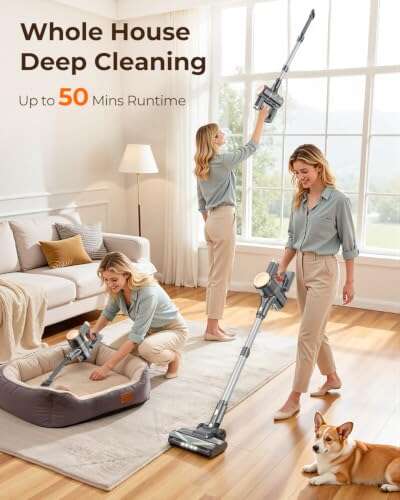
A cordless stick vacuum is convenient and easy to move. It works well for quick cleaning, especially when you do not have an outdoor electrical outlet nearby.
Its main limits are battery life and dust capacity. Use a fully charged battery and empty the bin before starting.
Upright vacuum
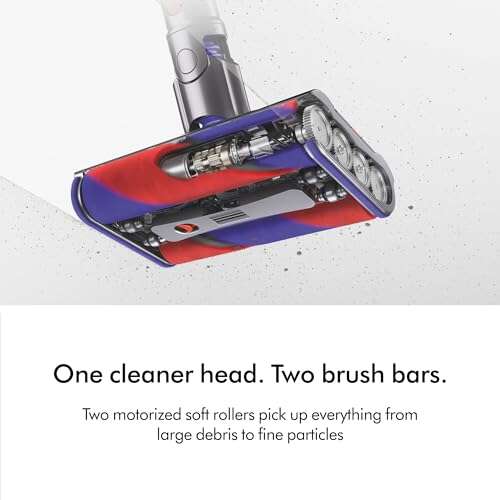
An upright vacuum can clean car floor mats and large carpet areas well. However, it may be bulky inside a small vehicle.
Use the hose and attachments rather than pushing the full upright body into the cabin. This helps prevent scratches on door panels and center consoles.
Shop vacuum
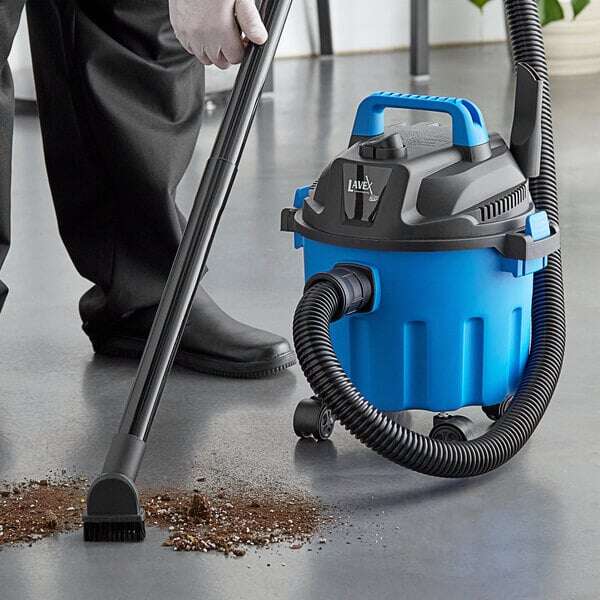
A wet/dry shop vacuum is useful for cars because many models can handle both dry debris and small amounts of liquid. However, you must follow the manual and use the correct filter setting.
A shop vacuum is often noisy and large. It is best for garages, work vehicles, trucks, and cars with heavily soiled floors.
Robot vacuum
A robot vacuum is not a good choice for car cleaning. It may not fit between seats, and its navigation system is not made for steep floor edges or narrow footwells.
How to Use a Home Vacuum Cleaner for Car Cleaning
Knowing how to use a home vacuum cleaner for car cleaning will help you avoid damage and get better results. Follow this simple process.
1. Park in a suitable place
Park the car in a dry, shaded area if possible. Direct sun can heat plastic trim and make the cabin uncomfortable.
Make sure you have enough room to open all doors. Good lighting helps you find dust under seats and around the center console.
2. Remove loose items
Take out bottles, toys, papers, floor mats, and personal items. Check the seat pockets and door bins too.
Cleaning goes faster when the cabin is empty. It also prevents small objects from being pulled into the vacuum.
3. Remove and shake the floor mats
Take the mats outside and shake them firmly. For rubber mats, rinse them separately if needed, then let them dry fully.
Do not vacuum wet fabric mats with a standard dry household vacuum. Damp dirt can clog the filter and may harm the motor.
4. Start from the top
Vacuum the dashboard, vents, seat backs, and door panels before cleaning the floor. Dust that falls downward will be removed later.
Use a soft brush attachment on plastic and leather-like surfaces. Avoid dragging a hard plastic nozzle over glossy trim.
5. Clean seats and seams
Run the upholstery tool across fabric seats. Use slow passes rather than quick movements.
For cracks and seams, use the crevice tool carefully. Keep the nozzle slightly away from delicate stitching to prevent pulling threads.
6. Vacuum the floor
Move the front seats forward and backward to expose hidden areas. Pay close attention to the space beneath the pedals and the edges of the center console.
Use short, slow strokes on carpet. Dirt often sits deep in the fibers, so one fast pass may not remove it.
7. Finish with the trunk
The trunk collects leaves, dust, and shopping debris. Remove the cargo floor if possible and vacuum beneath it.
This step is often missed, but the trunk can hold a surprising amount of dirt and fine grit.

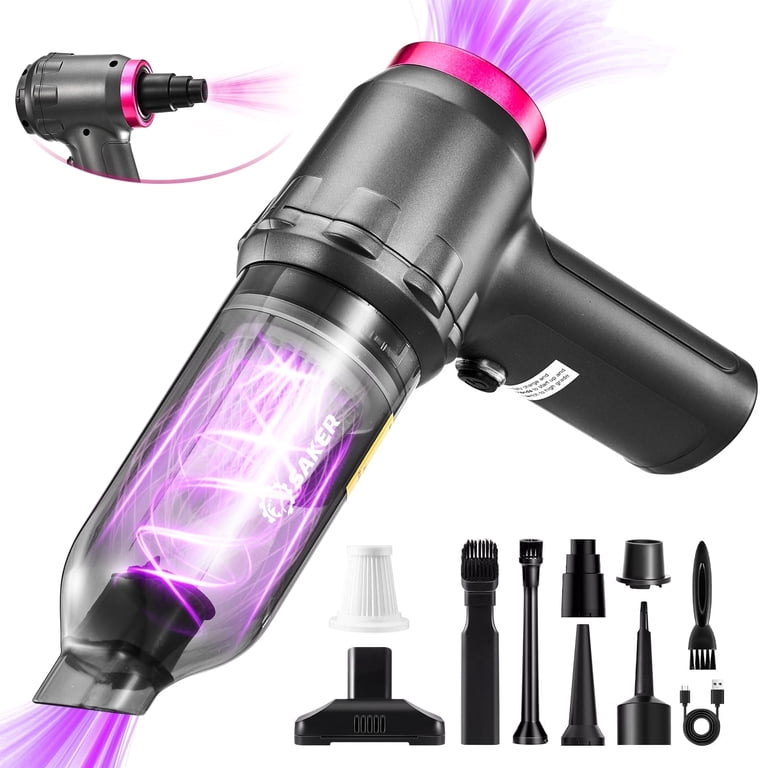
Attachments You Should Use
The right attachment makes a major difference when you use a home vacuum cleaner for a car.
• Crevice tool: Reaches between seats, along rails, and inside narrow gaps.
• Upholstery tool: Cleans fabric seats and larger carpet areas.
• Soft dusting brush: Safely cleans vents, dashboards, screens, and trim.
• Flexible extension hose: Makes it easier to reach the trunk and rear footwells.
• Pet hair tool: Helps lift hair from fabric seats and carpets.
• Rubber nozzle: Can gather stubborn pet hair when used gently.
Do not use a bare metal tube or sharp nozzle on leather, vinyl, screens, or soft trim. One careless pass can leave marks that are harder to fix than the original dirt.
A useful detailer’s trick is to brush fabric in one direction before vacuuming. This lifts hair and dust so the vacuum can collect it more easily.

What You Should Not Vacuum With a Home Vacuum
The question “can I use home vacuum cleaner for car interiors?” also requires knowing the limits. A regular household vacuum is usually made for dry debris only.
Avoid vacuuming these materials unless your machine is specifically designed for them:
• Water or wet spills
• Mud mixed with liquid
• Large amounts of sand or gravel
• Hot ash or cigarette remains
• Broken glass without care
• Sharp metal pieces
• Fine construction dust
Wet debris can reach the motor. Hot ash can damage filters or create a fire risk. Sharp objects can tear the hose or puncture the dust bag.
For broken glass, pick up larger pieces by hand while wearing thick gloves. Then use a nozzle carefully and check the area with a flashlight. Never put your fingers into the vacuum hose or dust bin to remove trapped glass.
If your vehicle has flooding, soaked carpet, or a major liquid spill, use a wet/dry vacuum or contact a professional detailer.

Can a Home Vacuum Damage Your Car?
A home vacuum usually will not damage your car when used correctly. The main risks come from the attachment, the vacuum’s weight, and careless handling.
A large vacuum body can scratch painted door sills or plastic trim if you place it directly on the vehicle. Keep the machine on the ground, and use the hose to reach inside.
High suction can also pull loose fabric, weak stitching, or small trim pieces. Use lower suction around headliners, speaker covers, and delicate seat seams.
Be careful around electronic controls. Do not press a hard nozzle against touchscreens, instrument panels, or exposed buttons. A soft brush is safer for these areas.
Modern vehicle manuals often warn against moisture near electrical parts and airbag zones. Avoid forcing tools into seat-mounted airbag seams, dashboard vents, or wiring gaps.

Home Vacuum Cleaner vs. Car Vacuum
Both types can clean a car, but each has strengths.
| Feature | Home vacuum | Car vacuum |
|---|---|---|
| Suction | Usually stronger | Often moderate |
| Dust capacity | Usually larger | Usually smaller |
| Portability | Less convenient | Very convenient |
| Attachments | More options | Often limited |
| Power source | Wall outlet or battery | Battery or 12-volt outlet |
| Wet cleaning | Only with suitable model | Usually not available |
| Best use | Deep cleaning | Quick cleanups |
A home vacuum is better for a deep clean at home. A car vacuum is better for quick crumbs, light dust, and emergencies while traveling.
If you clean your car once every few months, a home vacuum may be enough. If you clean daily, carry pets, or work in dusty areas, a dedicated car vacuum may save time.

Tips for Better Car Vacuuming
These simple tips make home vacuum cleaner use safer and more effective.
• Empty the dust bin first: A full bin reduces airflow and suction.
• Clean the filter: A blocked filter makes the vacuum work harder.
• Use slow passes: Slow movement gives the vacuum more time to lift dirt.
• Work in sections: Clean one seat or footwell at a time.
• Use a flashlight: Small lights reveal dust under seats and in seams.
• Brush pet hair first: Loosen hair before vacuuming.
• Keep the hose off the paint: This helps prevent scratches.
• Check the vacuum cord: Keep it away from doors, tires, and wet ground.
• Ventilate the car: Open doors to reduce dust and stale odors.
Do not rush the job. A careful 20-minute clean often looks better than a fast five-minute pass.
One lesson I often share is to clean the vacuum filter after a very dirty car. Fine sand and pet hair can block airflow quickly. If the vacuum sounds strained or becomes hot, stop and inspect it.

How Often Should You Vacuum Your Car?
Most drivers should vacuum their car every two to four weeks. This schedule helps stop grit from working deep into the carpet.
Vacuum more often if you:
• Have children who eat in the car
• Transport dogs or cats
• Live near sand, dust, or dirt roads
• Wear muddy work shoes
• Drive frequently for work
• Have allergies or asthma
A quick weekly pass can prevent large dirt buildup. It is easier to remove a few crumbs today than months of compacted debris later.
Vacuuming does not replace full interior detailing. You may still need to wash rubber mats, clean fabric stains, condition leather, and sanitize high-touch surfaces.
Frequently Asked Questions About Can I Use Home Vacuum Cleaner for Car
Can I use a home vacuum cleaner to clean car seats?
Yes, a home vacuum cleaner can clean fabric, vinyl, and many leather car seats. Use an upholstery tool or soft brush, and avoid pressing the nozzle hard against stitching or airbag seams.
Can I use a home vacuum cleaner on wet car carpet?
Use a regular home vacuum only on dry carpet. For wet car carpet, use a wet/dry vacuum that is rated for liquid pickup, or have the area professionally dried.
Is a shop vacuum better for car cleaning?
A shop vacuum is often better for heavy dirt, large debris, and some liquid spills. It is less portable and louder than a regular household vacuum, so it may not be ideal for quick cleaning.
Can vacuuming damage car electronics?
Vacuuming normally will not damage electronics if you use a soft brush and avoid force. Keep moisture away from screens, buttons, vents, wiring, and airbag areas.
Can I use a home vacuum cleaner for pet hair in my car?
Yes, but pet hair may need to be loosened first with a rubber brush, pet hair tool, or slightly damp cleaning glove. Make sure the hair is dry before vacuuming with a standard household machine.
Should I use the strongest suction setting in my car?
Not always. Strong suction works well on carpets and floor mats, but lower suction is safer for headliners, loose fabric, delicate trim, and seat seams.
Conclusion
You can use a home vacuum cleaner for your car, and it can provide excellent results when used with care. Canister and cordless models are especially useful because they offer strong suction, flexible reach, and helpful attachments.
Keep the vacuum on the ground, clean only dry debris unless it is a wet/dry model, and work slowly around delicate surfaces. Empty the bin and clean the filter after heavy use.
Now gather your crevice tool, soft brush, and upholstery attachment, then give your car a careful top-to-bottom clean. Share your favorite car-cleaning tip or explore more interior detailing guides for your next cleanup.

Liora Pennings is a seasoned chef and kitchen enthusiast with a passion for turning everyday cooking into an effortless experience. With years of hands-on culinary expertise, she specializes in practical techniques, ingredient know-how, and smart kitchen solutions that help home cooks elevate their meals. At KitchFlair.com, Liora shares her best tips, time-saving tricks, and honest product reviews to guide readers toward a more efficient, enjoyable, and inspired cooking routine. Whether you’re a beginner or a seasoned home chef, Liora’s friendly, knowledge-packed insights make every visit to the kitchen a little easier—and a lot more delicious.