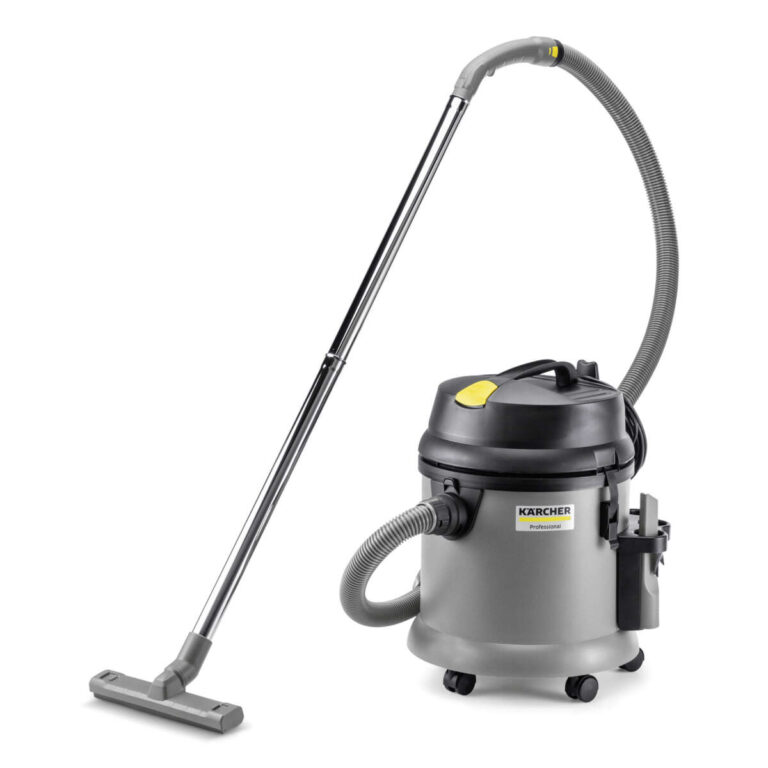
Can I Put Vacuum Cleaner In Recycle Bin: Disposal Guide
Usually, you should not put a vacuum cleaner in your regular recycling bin.
If you are asking, “can I put vacuum cleaner in recycle bin,” the safest answer is no. Most household vacuum cleaners contain mixed materials, electrical parts, cords, motors, and filters that curbside recycling programs cannot process. This guide explains how to reuse, donate, recycle, or dispose of a vacuum cleaner safely in the United States.

Can I Put a Vacuum Cleaner in Recycle Bin?
In most cities, you cannot put a vacuum cleaner in a curbside recycling bin. A vacuum is an electrical appliance, not a simple container made from one recyclable material.
Vacuum cleaners often contain:
• Plastic housings
• Metal screws and parts
• Copper wires
• Electric motors
• Rubber belts
• Foam filters
• Circuit boards
• Rechargeable batteries in cordless models
• Dust, hair, and other debris
These parts must be separated before recycling. A recycling sorting facility is designed mainly for items such as cardboard, paper, metal cans, glass bottles, and approved plastic containers. A vacuum cleaner can damage sorting equipment or create a safety risk.
So, can I put vacuum cleaner in recycle bin? In nearly all cases, no. Check your local waste rules before choosing another disposal option.
Why Vacuum Cleaners Do Not Belong in Curbside Recycling
A vacuum cleaner may look like plastic waste, but its inner parts make it more complex. Recycling facilities use conveyor belts, screens, magnets, and other machines to sort materials. Large appliances can jam these systems.
A vacuum can also contain hidden hazards. Its motor may have sharp metal pieces, and its cord can wrap around moving machinery. If the vacuum still contains dirt or pet hair, it may also contaminate clean recyclable materials.
There is another issue: most recycling programs accept only certain types of plastic. The plastic used in a vacuum may be durable but not accepted by local facilities. A recycling symbol on one part does not mean the entire appliance belongs in the recycling bin.
This is why the answer to can I put vacuum cleaner in recycle bin remains no for standard curbside collection.
What Should I Do With an Old Vacuum Cleaner?
The best option depends on the vacuum’s condition. A working vacuum should usually be reused before it is discarded.
1. Donate a Working Vacuum
If the vacuum works well, consider donating it to:
• A local thrift store
• A community center
• A shelter
• A school or theater group
• A neighbor or family member
• A charity that accepts small appliances
Clean the dust cup, wash reusable filters, remove hair from the brush roll, and wrap the cord neatly. Include attachments if you have them. A clean vacuum is far more likely to be accepted.
2. Sell or Give It Away
Online community groups and local reuse platforms may help you find someone who needs a low-cost appliance. Be honest about its age, suction power, battery life, and known problems.
For safety, do not give away a vacuum with a damaged power cord, burning smell, exposed wires, or a cracked plug. A small repair may be useful, but an electrical hazard should not be passed to another person.
3. Repair It
Many vacuum problems are simple to fix. Common causes of poor performance include:
• A full dust bag
• A blocked hose
• A dirty filter
• Hair wrapped around the brush roll
• A worn belt
• A loose connection
• A clogged floor head
Replacing a belt or filter can extend the life of a vacuum for years. This reduces waste and often costs less than buying a new machine.
4. Use an Appliance Recycling Program
Some communities accept vacuum cleaners at special recycling centers or electronic waste events. These programs may dismantle the appliance and recover metals, plastics, and electronic parts.
Search your city or county website for terms such as:
• Small appliance recycling
• Electronic waste drop-off
• E-waste collection
• Household hazardous waste
• Appliance recycling center
Rules differ by location, so call before visiting. One facility may accept vacuums, while another may accept only computers, televisions, or large appliances.

How to Recycle a Vacuum Cleaner Properly
If your vacuum is broken and cannot be donated, follow these steps.
Step 1: Unplug the Vacuum
Disconnect the vacuum from power before cleaning or preparing it. If the cord is damaged, avoid plugging it in again.
For a cordless vacuum, remove the battery if the design allows it. Lithium-ion batteries should not go into household trash or curbside recycling. Take them to a battery collection point or a retailer that accepts rechargeable batteries.
Step 2: Empty and Clean It
Remove dirt from the dust cup or bag. Clean visible hair and debris from the brush roll and hose.
Do not wash electrical parts. Let washable filters dry fully before reuse. Dust and debris can make recycling unpleasant and may cause a facility to reject the appliance.
Step 3: Separate Removable Items
Remove parts that your local program handles differently, such as:
• Batteries
• Paper dust bags
• Cardboard packaging
• Reusable plastic containers
• Metal attachments
Do not take the vacuum apart unless the recycling center instructs you to do so. Disassembly can expose sharp edges and electrical components.
Step 4: Confirm the Drop-Off Rules
Ask the facility these questions:
• Do you accept upright, canister, stick, or robot vacuums?
• Do you accept cordless models with batteries?
• Is there a fee?
• Do you need an appointment?
• Can residents from my area use the service?
• Should the vacuum be intact?
These questions can save you an unnecessary trip.
Step 5: Transport It Safely
Place the vacuum in a box or secure it in your vehicle. Keep loose batteries in a small plastic bag, with the terminals covered with nonmetallic tape if the battery program recommends it.
Do not leave an appliance beside a recycling bin. In many areas, this is considered illegal dumping, even if the item is placed neatly.

Can I Put Parts of a Vacuum Cleaner in the Recycling Bin?
Some individual parts may be recyclable, but the answer depends on local rules. Do not assume that every removable piece belongs in curbside recycling.
A metal wand or aluminum tube may be accepted by a scrap metal facility. However, a curbside program may reject it because of its shape or size. Plastic attachments may also be made from a type of plastic that the local program does not accept.
Paper vacuum bags and cardboard boxes may be recyclable when they are clean and dry. A bag filled with dust, pet hair, or fine debris should usually go into the trash.
A vacuum filter is rarely accepted in curbside recycling. Used filters collect dirt and often contain foam, fabric, or mixed materials.
The safest approach is to check each material separately. If you are still wondering, can I put vacuum cleaner in recycle bin, remember that removing a few parts does not make the whole machine curbside recyclable.

What About Robot Vacuums and Cordless Vacuums?
Robot vacuums and cordless vacuums need extra care because they contain batteries and electronic controls. Many use lithium-ion battery packs, which can start fires if crushed or damaged.
Do not place a cordless vacuum or loose rechargeable battery in a recycling or trash bin unless your local program clearly allows it. A battery can be damaged by collection trucks and sorting equipment.
Contact:
• A household battery recycling location
• An electronics recycling center
• The vacuum manufacturer
• A local retailer with a take-back program
• Your city or county waste department
Some manufacturers offer mail-in or store-based recycling for certain models. Keep the battery away from heat, water, and metal objects while you arrange disposal.
Robot vacuums may also contain sensors, circuit boards, charging stations, and small motors. These parts are better handled through an electronics recycling program than a standard recycling bin.
What Happens If You Put a Vacuum Cleaner in the Recycling Bin?
The vacuum may be removed during sorting and sent to a landfill. In some cases, it can damage equipment or cause workers to handle an unexpected electrical item.
A tangled cord is a particular concern. Cords can wrap around conveyor machinery and force workers to stop the line. This creates delays and may increase repair costs for the facility.
If the vacuum contains a battery, the risk is greater. A damaged lithium battery can overheat and cause a fire. Waste and recycling facilities in the United States have reported repeated fires linked to batteries placed in the wrong bins.
Putting a vacuum in the recycling bin also lowers the quality of other recyclable materials. Dust, hair, and broken plastic can spread across paper, cans, and containers.
The better choice is reuse, repair, a special drop-off site, or regular trash only when local rules say no recycling option is available.

Trash or Recycling: Which Option Is Better?
Recycling is generally better than disposal when a proper program accepts the appliance. However, sending a vacuum to a specialized facility is not the same as placing it in a curbside recycling bin.
Use this guide:
• Working vacuum: Donate, sell, or give it away.
• Easily repairable vacuum: Replace the worn part and keep using it.
• Broken vacuum with a battery: Use an electronics or battery recycling program.
• Broken vacuum without a battery: Ask a local appliance or e-waste center.
• Vacuum rejected by all local programs: Follow your city’s instructions for bulky waste or general trash.
Do not place a vacuum beside a full trash container without permission. Some cities require a bulky-item appointment, a disposal sticker, or delivery to a transfer station.
The phrase can I put vacuum cleaner in recycle bin often leads people to the wrong bin. The real goal is not simply to remove the appliance from your home. It is to send it to the correct waste stream.

Common Mistakes to Avoid
Small mistakes can create safety problems or prevent reuse. Keep these points in mind:
• Do not put the complete vacuum in curbside recycling.
• Do not place lithium batteries in trash or recycling bins.
• Do not donate a vacuum with exposed wires or a strong burning smell.
• Do not leave the appliance next to a recycling container.
• Do not assume a recycling symbol applies to the whole machine.
• Do not pour dust or debris into a sink or storm drain.
• Do not take apart a motor unless you have the right tools and experience.
• Do not drive to a recycling center without checking its rules first.
A useful lesson from everyday appliance cleanouts is that preparation matters. Cleaning the vacuum, removing its battery, and calling ahead can turn a difficult disposal job into a quick drop-off.
If a vacuum has a minor fault, test the simple causes first. A blocked hose or dirty filter may look like a dead motor. Replacing a low-cost part is often the most environmentally responsible choice.
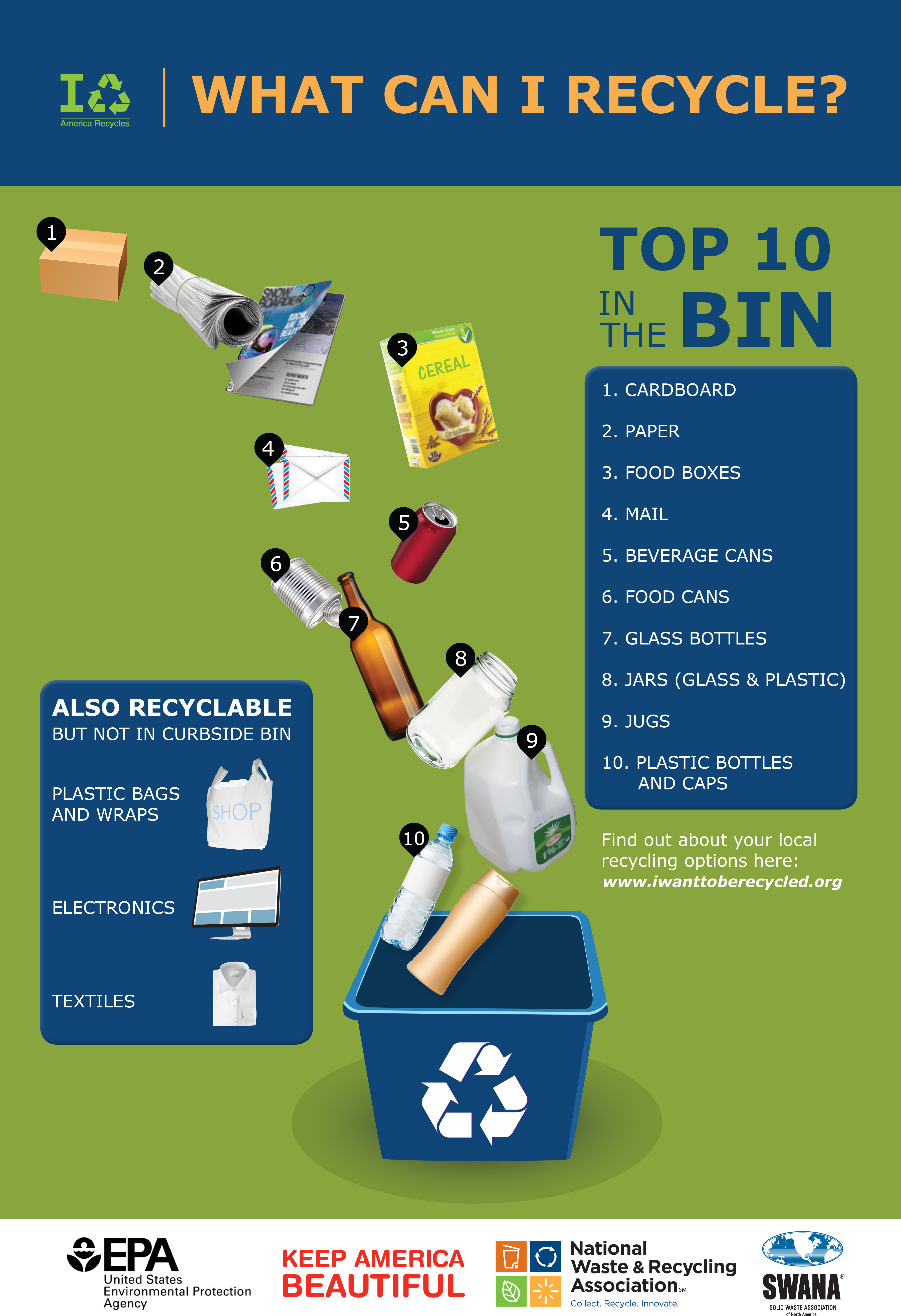
How to Find Local Vacuum Recycling Options
Waste rules are local, so your city’s guidance should be your final authority. Start with the website of your municipal sanitation department or county solid waste office.
Search online for “vacuum cleaner recycling near me” or “small appliance disposal near me.” Then verify the information directly with the facility.
You can also contact:
• Your electric utility
• A household hazardous waste program
• An e-waste recycler
• A scrap metal business
• A vacuum repair shop
• The vacuum manufacturer
• A retailer that offers appliance take-back
Ask about fees and accepted brands. Some centers accept only commercial quantities, while others serve households at no cost.
If your area has a scheduled electronic waste event, store the vacuum in a dry place until the event. Keep it away from children and pets, especially if it has a damaged cord or exposed battery.
Frequently Asked Questions
Can I put a vacuum cleaner in a recycling bin?
No, most curbside recycling programs do not accept complete vacuum cleaners. Use a repair, donation, e-waste, appliance recycling, or approved disposal service instead.
Can I put a vacuum cleaner in the trash?
Possibly, but local rules vary. Some cities classify vacuums as bulky waste or small appliances and require a special collection service.
Are vacuum cleaner filters recyclable?
Most used vacuum filters are not accepted in curbside recycling. They contain dust and mixed materials, so place them in the trash unless a specialized program says otherwise.
What should I do with a cordless vacuum battery?
Remove the battery if possible and take it to an approved battery or electronics recycling location. Never place a lithium-ion battery in a household recycling or trash bin.
Can I donate an old vacuum cleaner?
Yes, if it works safely and is reasonably clean. Call the charity first because donation policies differ, and many organizations reject appliances with damaged cords or major defects.
Can I recycle a vacuum cleaner at a hardware store?
Some stores accept batteries or specific electronic products, but many do not accept complete vacuums. Contact the store before bringing the appliance.
Is it better to repair or replace a vacuum?
Repair is often better when the problem is a belt, filter, hose, or brush roll. Replacement may make more sense when the motor, battery, or main electrical system has failed and repair costs are high.
Conclusion
You generally cannot put a vacuum cleaner in a curbside recycling bin because it contains mixed materials, electrical parts, cords, and sometimes hazardous batteries. Clean and working vacuums are best donated, sold, or repaired. Broken models should go to a local appliance, electronics, battery, or bulky-waste program.
Before disposal, unplug the machine, remove any rechargeable battery, clean out the dirt, and confirm the rules with your local waste provider. Take a few minutes to check the right option, and you can keep unsafe items out of recycling machinery while giving useful materials a better chance of recovery.

Liora Pennings is a seasoned chef and kitchen enthusiast with a passion for turning everyday cooking into an effortless experience. With years of hands-on culinary expertise, she specializes in practical techniques, ingredient know-how, and smart kitchen solutions that help home cooks elevate their meals. At KitchFlair.com, Liora shares her best tips, time-saving tricks, and honest product reviews to guide readers toward a more efficient, enjoyable, and inspired cooking routine. Whether you’re a beginner or a seasoned home chef, Liora’s friendly, knowledge-packed insights make every visit to the kitchen a little easier—and a lot more delicious.