Can Bed Bugs Escape From Vacuum Cleaner: What To Know
Yes, bed bugs can escape a vacuum cleaner if it is emptied carelessly or has poor seals.
Knowing can bed bugs escape from vacuum cleaner is vital because vacuuming removes bugs but may not kill every insect or egg. This guide explains how escape happens, how to vacuum safely, and what steps help stop an infestation from returning.
Can bed bugs escape from a vacuum cleaner?
Yes, bed bugs can escape from a vacuum cleaner. This risk is higher with bagless models, damaged filters, loose dust cups, or careless disposal. A vacuum is a useful control tool, but it is not a complete bed bug treatment.
Bed bugs may leave the vacuum in several ways:


• A live bug may crawl back through the hose after the machine is turned off.
• Bugs may survive inside the dust cup or vacuum bag.
• A cracked dust container may let insects escape.
• Poor filters may allow tiny particles and insects to pass through.
• Eggs may remain attached to fabric, dust, or debris inside the machine.
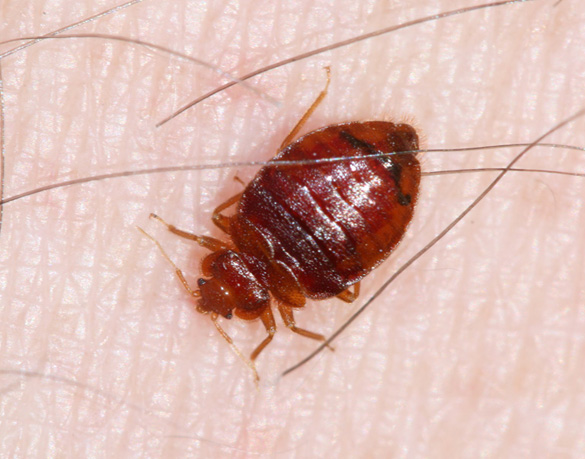
Bed bugs are small, flat insects. They can hide in narrow spaces around filters, seams, hose connections, and dust containers. Think of a vacuum as a temporary holding box, not a sealed extermination chamber.

Why can bed bugs escape from vacuum cleaner?
The main reason is simple: most household vacuums remove bed bugs but do not reliably kill them. Suction can injure some insects, but others may survive the trip through the hose.
A vacuum also creates many hiding places. Bed bugs can settle in:
• The bend in the hose
• The brush head


• The dust cup rim
• The folds of a disposable bag
• Dust and lint trapped inside the machine
Bed bug eggs make the problem harder. They are glued to surfaces and may not be pulled away by light vacuuming. A strong vacuum can remove some eggs, but it should not be viewed as a guaranteed egg-killing method.
The answer to can bed bugs escape from vacuum cleaner is especially important for bagless models. When you open the dust cup indoors, live bugs can crawl out before you place the waste in a sealed bag.

Does vacuuming kill bed bugs?
Vacuuming may kill some bed bugs through impact, pressure, or damage. However, it does not reliably kill all adults, nymphs, or eggs.
Research and pest control guidance support vacuuming as part of an integrated pest management plan. This approach combines inspection, cleaning, heat, encasements, monitoring, and professional treatment when needed.
Vacuuming works best because it physically removes pests from:
• Mattress seams
• Bed frames
• Baseboards
• Carpet edges
• Cracks in furniture


• Upholstered chairs and sofas
• Areas near sleeping spaces
It is less effective when used alone. A few missed bugs can reproduce and restart the infestation. Female bed bugs can lay eggs over time, so one cleaning session may not solve the problem.
If you wonder can bed bugs escape from vacuum cleaner after cleaning, assume that they can survive inside the machine. Treat the vacuum as contaminated until you empty, seal, and clean it properly.
How to vacuum bed bugs safely
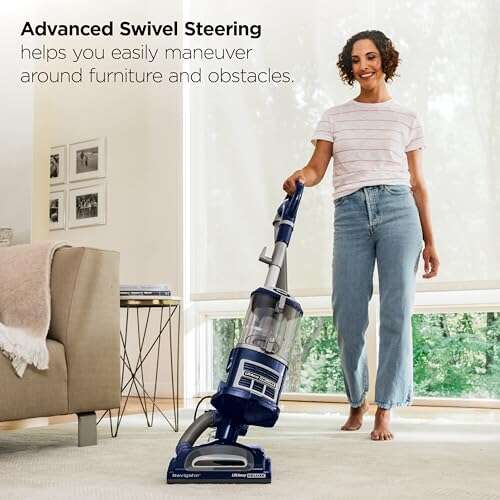
Use a vacuum with strong suction and a narrow crevice tool. A vacuum with a disposable bag is often easier to manage because you can remove and seal the bag without opening a dust cup inside your home.
Follow these steps:
-
Inspect the room first. Look for live bugs, dark fecal spots, shed skins, and pale eggs.
-
Put on disposable gloves. Wear clothing that can go into a hot dryer after cleaning.
-
Vacuum slowly. Move the crevice tool along mattress seams, bed joints, baseboards, and cracks.
-
Focus on hiding places. Spend more time on seams and gaps than on open floor areas.
-
Avoid brushing too hard. Aggressive brushing may spread bugs or push them deeper into furniture.
-
Keep the vacuum running while moving away from the treated area. This reduces the chance of a bug crawling back out.
-
Turn off the vacuum only after you reach a safe disposal area.
-
Seal the vacuum contents at once.


Vacuuming too quickly is a common mistake. Bed bugs cling tightly to fabric and wood. Slow passes give suction more time to remove them.
For anyone asking can bed bugs escape from vacuum cleaner during use, the risk is low when the machine has good seals and strong suction. The larger risk often comes after use, when the vacuum is opened or stored.

How to dispose of bed bugs after vacuuming
Disposal is one of the most important steps. It prevents removed bugs from returning to your bedroom.
For a vacuum with a disposable bag:
• Turn off the vacuum outside or near an exterior door.
• Remove the bag carefully.
• Place it inside a heavy plastic trash bag.
• Tie the bag tightly.
• Place it in a second bag if possible.
• Put it in an outdoor trash container.
For a bagless vacuum:
• Take the unit outside before opening it.
• Empty the dust cup into a plastic bag.
• Seal the bag immediately.


• Wash the dust cup with hot, soapy water if the manufacturer allows it.
• Clean the filter according to the product instructions.
• Leave the vacuum outside until you are sure it is clean and dry.
Do not empty a vacuum into an indoor trash can. Do not store a used vacuum beside the bed, closet, or sofa. These choices can turn a helpful cleaning tool into a place where bed bugs hide.
Can bed bugs escape from vacuum cleaner after disposal? Yes, if the bag is left open or the dust cup is emptied indoors. Sealing the waste quickly is more important than simply having strong suction.
How to clean a vacuum after bed bug removal
Cleaning depends on the vacuum design. Always follow the manufacturer’s safety instructions before washing or replacing parts.
For bagged vacuums, replace the bag outdoors. Check the hose opening, brush head, wheels, and outer seams. Use a flashlight to inspect these areas.
For bagless vacuums, empty the dust cup outdoors. Wash removable parts with hot, soapy water when approved. Do not soak electrical parts or use water near the motor.
Let wet parts dry fully before reassembly. A damp filter can damage the machine and reduce suction. Replace filters that cannot be cleaned or that show cracks and heavy debris.
You can also:
• Vacuum the outside of the machine with a second clean vacuum.
• Wipe hard surfaces with a disposable cloth.
• Inspect the crevice tool and brush roll.
• Store the vacuum away from sleeping areas.
• Keep disposable bags sealed until outdoor disposal.
The practical answer to can bed bugs escape from vacuum cleaner is that cleaning lowers the risk but does not prove the machine is pest-free. Continue checking the vacuum after each use during an active infestation.

What areas should you vacuum for bed bugs?
Bed bugs usually stay close to people because they feed on blood. Start where people sleep or rest, then expand outward.
Important areas include:
• Mattress seams and labels
• The underside of the box spring
• Bed frame joints
• Headboard cracks
• Baseboards near the bed
• Carpet edges
• Nightstand joints
• Upholstered furniture seams
• Curtain hems near sleeping areas
• Cracks in floors and walls
Do not focus only on the mattress. Bed bugs often move into the bed frame, wall trim, nearby furniture, or carpet edge. A clean mattress can still sit in a contaminated room.
Move furniture carefully. Dragging a bed or couch may spread bugs to new areas. Vacuum one section at a time and keep cleaned items separate from untreated items.
Can bed bugs escape from vacuum cleaner if you vacuum the whole room? They can if the machine is not handled correctly, but careful work and sealed disposal make the risk manageable.

Common vacuuming mistakes to avoid
Vacuuming can help, but several mistakes reduce its value.
• Emptying the vacuum indoors: This may release live bugs and eggs.
• Using a damaged vacuum: Cracks and loose seals create escape routes.
• Vacuuming too fast: Bugs can stay attached to seams and cracks.
• Ignoring the bed frame: The frame may hold more bugs than the mattress.
• Reusing an untreated vacuum bag: A sealed bag can still contain live insects.
• Storing the vacuum near the bed: Surviving bugs may return to the sleeping area.
• Relying on vacuuming alone: It rarely reaches every hiding place.
• Using a vacuum as a heat tool: Household vacuums do not provide controlled, reliable heat treatment.
One lesson pest technicians often repeat is to treat cleanup as part of the treatment, not as the entire treatment. Vacuuming removes visible pests. It does not replace monitoring, laundering, heat treatment, or expert control.
Does a HEPA vacuum prevent bed bugs from escaping?
A HEPA filter can help trap fine dust and particles. It may also reduce the release of debris through the exhaust. However, a HEPA filter does not guarantee that live bed bugs will die or remain inside the machine.
The vacuum still needs intact seals, a secure dust cup, and proper disposal. A filter can also become clogged or damaged. Check it often during heavy cleaning.
A HEPA vacuum is helpful, but the key safety steps are:
• Use a crevice tool.
• Vacuum slowly.
• Empty the machine outdoors.
• Seal waste immediately.
• Inspect and clean the vacuum.
This is why can bed bugs escape from vacuum cleaner remains a handling question, not just a filter question. Good equipment helps, but good procedure matters more.
When should you call a pest professional?
Call a licensed pest professional when you find bugs in more than one room, continue seeing live bugs after repeated cleaning, or find signs in a sofa, wall gap, or shared building area.
Professional treatment may include:
• Detailed inspection
• Targeted insecticide use
• Whole-room heat treatment
• Monitoring devices
• Follow-up visits
• Advice on preparation and prevention
Avoid using random pesticides or “bug bombs.” Foggers may scatter bed bugs and can create fire or health risks. They also may not reach insects hidden deep in furniture or walls.
A professional can confirm whether the insect is really a bed bug. Carpet beetles, fleas, and bat bugs can cause confusion. Correct identification saves time and prevents unnecessary treatment.
If you are still asking can bed bugs escape from vacuum cleaner after several attempts, the larger issue may be an untreated hiding place nearby. Repeated sightings often mean the infestation needs a broader plan.
How to prevent bed bugs from returning
Vacuuming is more effective when paired with simple prevention steps.
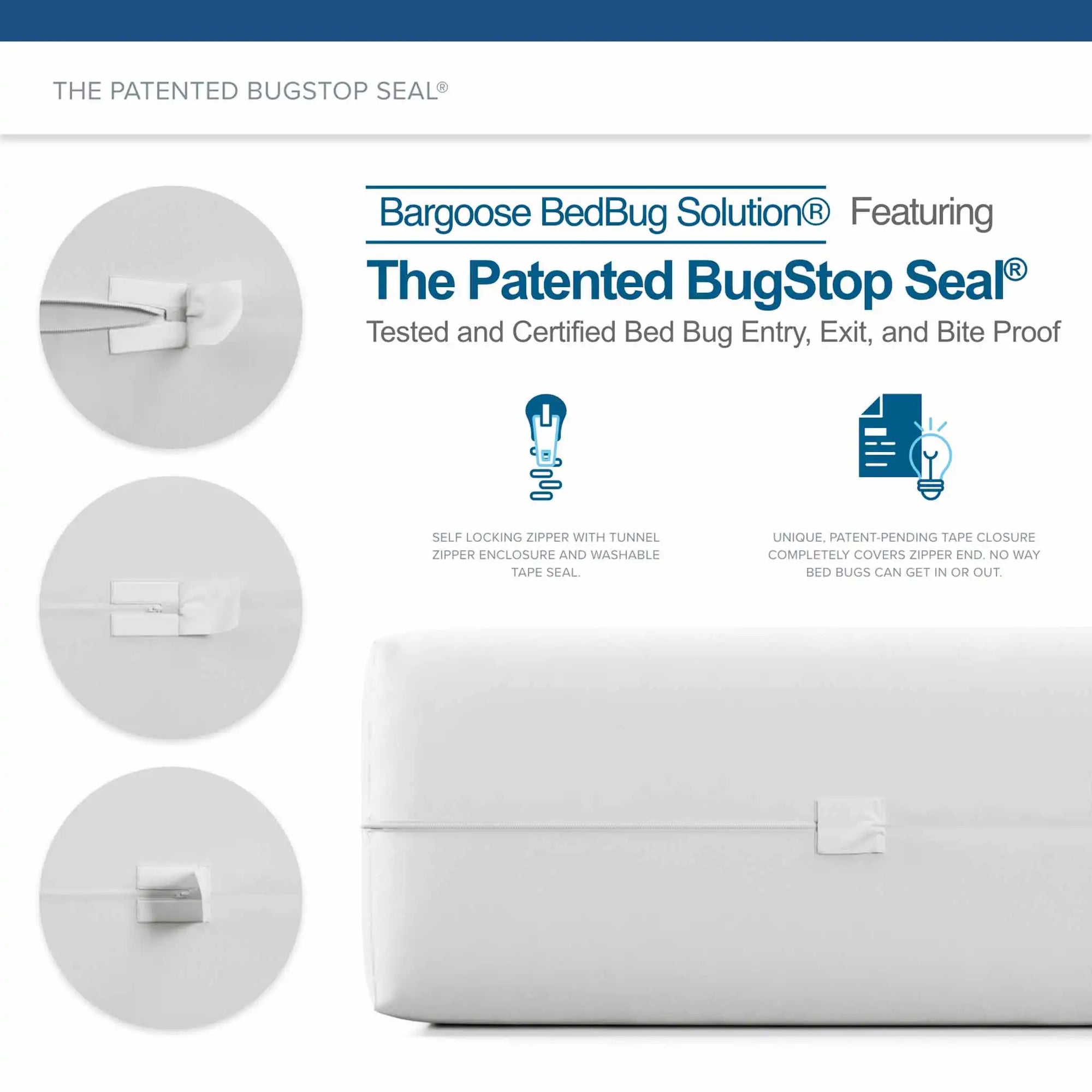
• Use mattress and box spring encasements made for bed bugs.
• Keep the bed slightly away from the wall.
• Place bed bug interceptors under bed legs.
• Remove clutter from around the bed.
• Wash and dry bedding using the hottest safe settings.
• Dry clothing on high heat when the fabric allows it.
• Inspect used furniture before bringing it home.
• Check luggage after travel.
• Avoid moving infested items to another room.
Heat from a household dryer can kill bed bugs when items reach the needed temperature for enough time. Washing alone may not be enough for every item, so drying is often the more important step.
Do not throw furniture away without checking local rules. Moving an infested mattress through the home can spread bugs. If disposal is needed, wrap and label the item clearly so another person cannot reuse it.
Personal lessons from bed bug cleanup
The biggest practical lesson is to plan the final minute before vacuuming begins. Keep plastic bags, gloves, and an outdoor trash container ready. Many cleanup problems happen because someone finishes vacuuming and then leaves the machine beside the bed.
Another lesson is to spend time on seams and joints. Open floor space looks clean quickly, but bed bugs often hide where fabric meets wood or where two parts of furniture connect.
I also recommend taking photos of suspicious marks before cleaning. Images can help a pest professional identify patterns and compare progress. Most importantly, do not blame yourself. Bed bugs can enter clean homes through luggage, furniture, visitors, and shared walls.
Frequently Asked Questions
Can bed bugs live inside a vacuum cleaner?
Yes, bed bugs may survive inside a vacuum cleaner, especially in the hose, dust cup, filter area, or bag. Empty and seal the contents outdoors, then inspect and clean the machine.
How long can bed bugs survive in a vacuum?
Survival time varies with airflow, injury, temperature, and access to shelter. Do not assume that a vacuum left unused for a few hours or days is safe.
Can bed bug eggs survive vacuuming?
Some eggs may remain attached to fabric or cracks after vacuuming. Vacuuming can remove some eggs, but heat, encasements, and professional treatment may be needed for reliable control.
Is a bagged vacuum safer than a bagless vacuum for bed bugs?
A bagged vacuum is often easier to manage because the bag can be removed and sealed. A bagless model can still work, but it must be emptied outdoors and cleaned with extra care.
Should I vacuum my mattress for bed bugs?
Yes, carefully vacuum mattress seams, edges, labels, and the underside. Do not rely on mattress vacuuming alone because bed bugs may also hide in the frame, box spring, baseboards, and nearby furniture.
Can bed bugs crawl back out of a vacuum hose?
They may crawl back if the hose or machine has gaps and the vacuum is stored without cleaning. Keep the vacuum running during removal, empty it outdoors, and seal the contents right away.
Conclusion
Can bed bugs escape from vacuum cleaner? Yes, especially when the machine is opened indoors, stored without cleaning, or has damaged seals. Vacuuming can remove live bugs and eggs, but it works best as one part of a wider bed bug control plan.
Use slow passes, target seams and cracks, empty the vacuum outdoors, seal the waste, and inspect the machine after use. If bugs keep appearing, contact a licensed pest professional for identification and follow-up treatment. Share your experience or explore trusted pest control resources to take the next step with confidence.

Liora Pennings is a seasoned chef and kitchen enthusiast with a passion for turning everyday cooking into an effortless experience. With years of hands-on culinary expertise, she specializes in practical techniques, ingredient know-how, and smart kitchen solutions that help home cooks elevate their meals. At KitchFlair.com, Liora shares her best tips, time-saving tricks, and honest product reviews to guide readers toward a more efficient, enjoyable, and inspired cooking routine. Whether you’re a beginner or a seasoned home chef, Liora’s friendly, knowledge-packed insights make every visit to the kitchen a little easier—and a lot more delicious.