Do Coffee Grounds Make Soil Acidic: The Facts Gardeners Need
No, used coffee grounds usually do not make garden soil meaningfully acidic over time.
The question “do coffee grounds make soil acidic” has a simple answer, but the full story depends on how you use them. Fresh grounds, brewed grounds, compost, soil type, and plant needs all affect the result. After testing coffee grounds in garden beds and containers, I have found that they work best as a modest organic amendment, not as a reliable soil acidifier.
Do coffee grounds make soil acidic?
Used coffee grounds are usually close to neutral on the pH scale. Most brewed grounds test somewhere between mildly acidic and nearly neutral, often around pH 6.5 to 6.8. This range is not acidic enough to create a major, lasting change in most garden soils.
Fresh coffee grounds can be more acidic. However, fresh grounds are not the same as used grounds. Brewing removes many water-soluble acids, which is why spent grounds usually have much less impact on soil pH.
So, do coffee grounds make soil acidic in a practical garden setting? Usually, no. They may cause a small, short-term change near the surface, but they rarely lower the pH of an entire garden bed.

Why coffee grounds are often called acidic
The confusion comes from coffee itself. A cup of coffee is acidic, with a typical pH near 5. Coffee beans contain acids that contribute to flavor, aroma, and brightness.
During brewing, much of the water-soluble acid moves into the drink. The leftover grounds still contain organic matter, but they do not contain the same level of soluble acid found in brewed coffee.
Think of it like a tea bag. The water pulls out much of the flavor and color. The wet bag still has useful material inside, but it is not as strong as the original tea.
Fresh coffee grounds versus used coffee grounds
Fresh grounds may have a pH from about 5.0 to 6.0, depending on the bean and brewing method. They also contain more caffeine and other compounds that can affect seed growth or young plants when used in thick layers.
Used grounds are usually less acidic. They are also safer for the garden when mixed into compost or soil in small amounts.
This difference explains why many gardeners get mixed results when asking, “do coffee grounds make soil acidic?” One person may use fresh grounds, while another uses grounds from a coffee maker. Their results will not be the same.
:max_bytes(150000):strip_icc()/Methods-for-Increasing-Soil-Acidity-11d2b05df5b6403fa2e983ec61faf672.png)
What coffee grounds do to garden soil
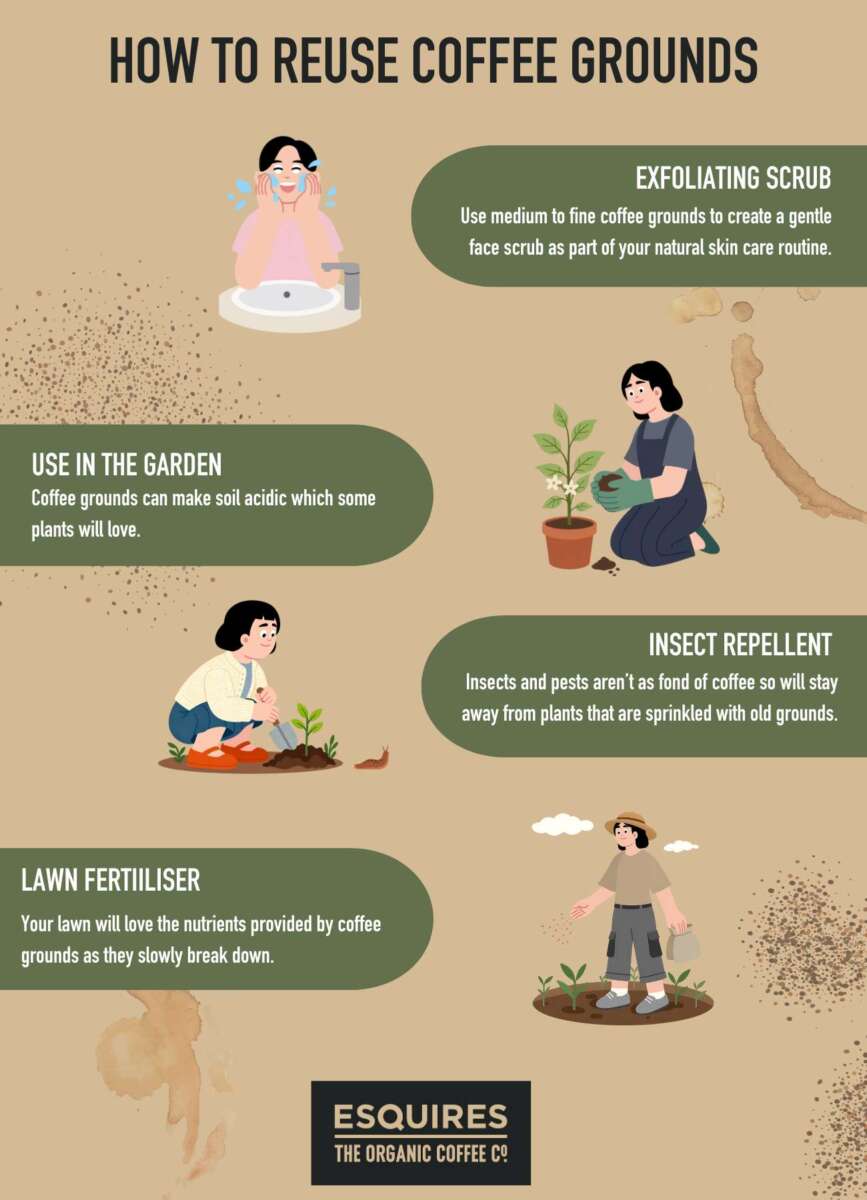
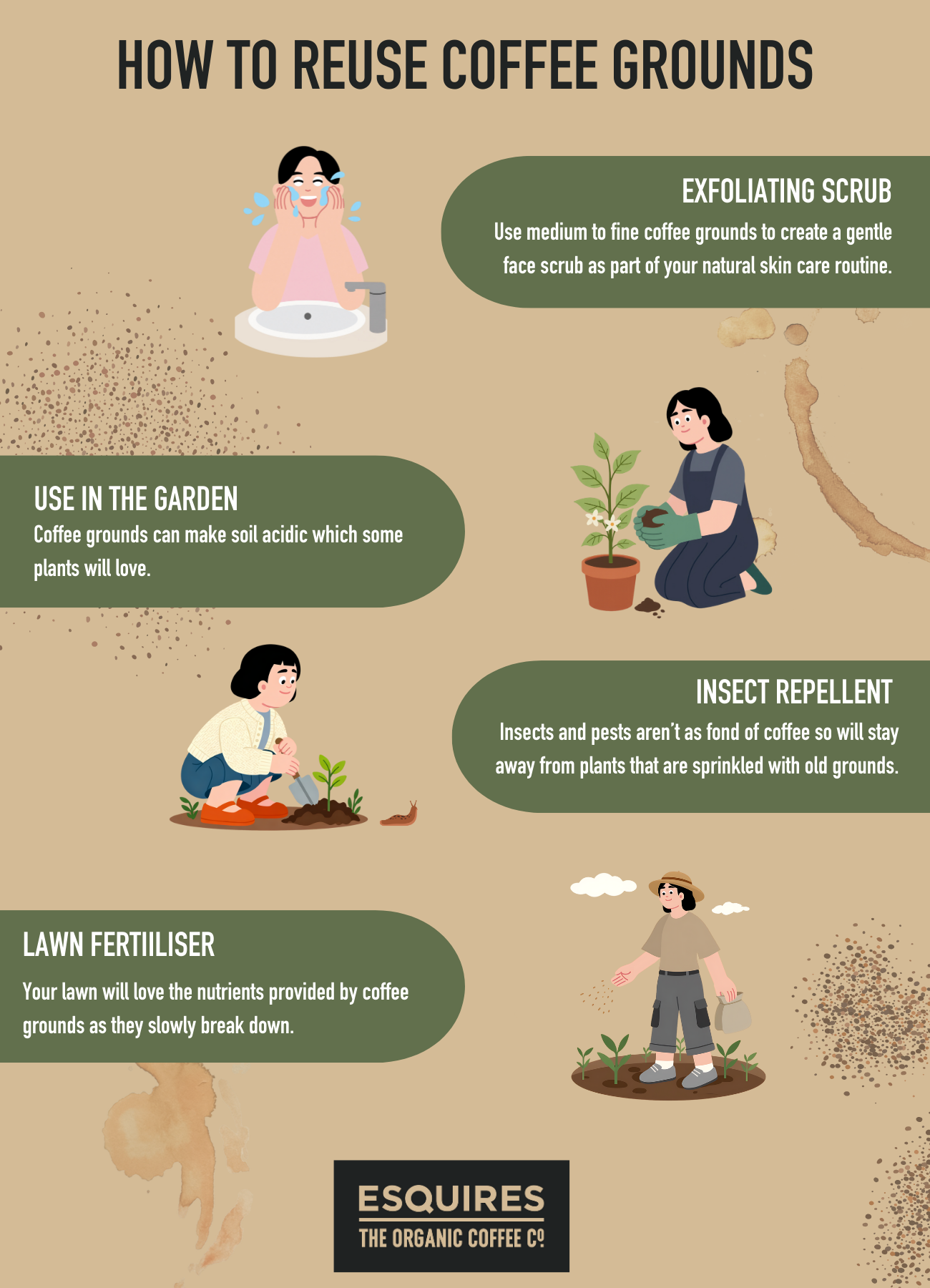
Coffee grounds can improve soil structure when used correctly. They add organic matter as they break down, which may help soil hold moisture and support soil organisms.
They also contain small amounts of nitrogen, potassium, phosphorus, magnesium, and other nutrients. These nutrients are useful, but coffee grounds are not a complete fertilizer. Their nutrient levels are too low and variable to replace a balanced plant food.
The main benefits include:
• Improved organic matter: Grounds add carbon-based material to soil.
• Better moisture retention: They can help sandy soil hold water.
• Improved texture: Mixed grounds may loosen compact soil over time.
• Support for compost: Grounds provide a green, nitrogen-rich material for a compost pile.
• Food for soil organisms: Bacteria, fungi, and other decomposers help break them down.
Coffee grounds should be viewed as one ingredient in healthy soil. They are not a magic cure for poor drainage, low fertility, or high soil pH.
Can coffee grounds lower soil pH?
Coffee grounds may lower soil pH slightly in a small area, especially when fresh grounds are applied in a thick layer. This effect is often temporary and may disappear as the grounds decompose.
Soil has a strong ability to resist pH change. This ability is called buffering capacity. Clay soil, soil rich in organic matter, and soil with free calcium carbonate can resist changes more strongly than sandy soil.
That is why the same amount of coffee grounds may produce different results in two gardens. A light, sandy soil may show a small pH change. A heavy clay soil may show almost none.
Do coffee grounds make soil acidic enough for blueberries, azaleas, or rhododendrons? Generally, no. These acid-loving plants need a consistently low soil pH, often between 4.5 and 6.0. Use a soil test and a product made for pH adjustment instead of relying on coffee grounds.
Why soil testing matters
A soil test is the best way to learn whether your garden needs a pH change. Home test kits can provide a useful estimate, while laboratory tests usually offer more reliable results and additional nutrient information.
Test before adding lime, sulfur, or large amounts of organic material. Changing soil pH without testing can create a new problem, especially for plants that prefer a narrow pH range.
:max_bytes(150000):strip_icc()/using-coffee-grounds-in-your-garden-2539864_FINAL-025580b008314747ad1a5d6411baf988.png)
The safest way to use coffee grounds in soil
The best method is to use used coffee grounds in thin layers or add them to compost. Avoid dumping a thick pile around plants.
For direct use in a garden bed:
-
Spread a thin layer over the soil.
-
Mix the grounds into the top few inches of soil.
-
Keep the amount modest, such as a small layer rather than a deep mound.
-
Add other organic materials, such as shredded leaves or finished compost.
-
Water the area after mixing.
A thick, wet layer can form a crust. This may reduce air and water movement. It can also slow seed germination and make the surface difficult for small seedlings to penetrate.
A practical rule is to treat coffee grounds like a soil seasoning, not the main meal. A little can help. A large amount can create problems.
How much coffee grounds should you use?
There is no perfect amount for every soil type. A cautious approach is to keep coffee grounds to about 10% to 20% of a compost blend or soil amendment mix by volume.
For a garden bed, a thin layer mixed well into the soil is safer than a thick surface layer. In containers, use even less because pots have limited drainage and less soil to dilute the material.
Watch the plants after application. If the soil becomes hard, water pools on the surface, or seedlings struggle, remove some grounds and add finished compost or fresh potting mix.
Using coffee grounds in compost
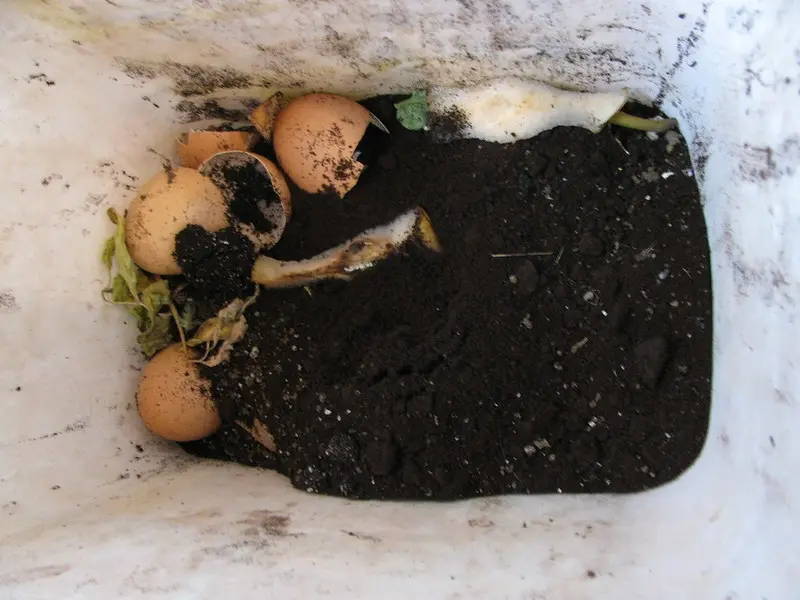
Composting is one of the best uses for coffee grounds. They add moisture and nitrogen, which helps balance dry, carbon-rich materials such as leaves, straw, shredded paper, and cardboard.
Used coffee filters can often go into the compost pile if they are made from plain paper. Avoid filters with plastic parts, heavy inks, or synthetic materials.
Build a balanced compost pile with:
• Coffee grounds and vegetable scraps for nitrogen
• Dry leaves and cardboard for carbon
• Water for moisture
• Air from turning or loose layering
• Time for decomposition
Coffee grounds should not make up most of the pile. A compost pile made almost entirely of coffee grounds may become dense, wet, and slow to break down.
Finished compost is usually more stable than fresh grounds. It can be mixed into garden soil without the same risk of crusting or temporary plant stress.
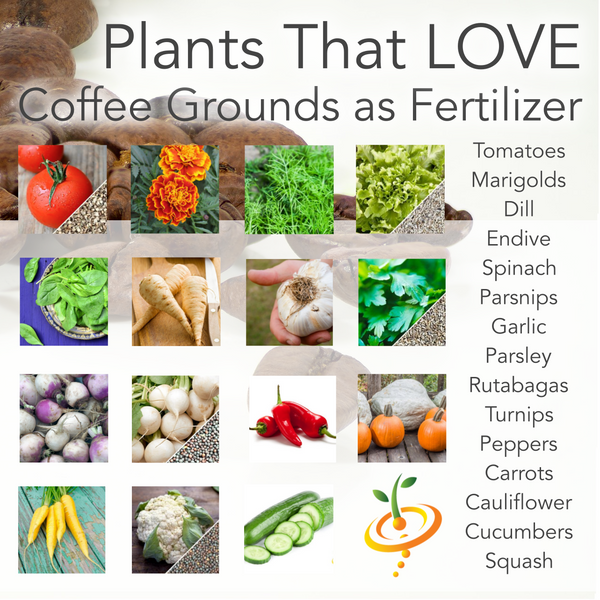
Are coffee grounds good for acid-loving plants?
Coffee grounds are not a dependable way to create acidic soil for acid-loving plants. Blueberries, azaleas, rhododendrons, camellias, and some hydrangeas often need a lower pH than coffee grounds can provide.
These plants may benefit from compost and improved soil structure, but that benefit is different from acidification. A plant can grow better because the soil holds moisture and nutrients, even when the pH stays nearly the same.
For acid-loving plants, begin with a soil test. If the pH is too high, use garden sulfur or another recommended amendment at the rate shown by the test. Pine bark fines, peat-free acidic planting mixes, and suitable compost can also support the root environment, but they should not replace proper pH management.
One lesson I have seen repeatedly in home gardens is that gardeners often add more coffee grounds when a plant struggles. The real issue is frequently poor drainage, root damage, drought, or a nutrient shortage. More grounds do not solve those problems.
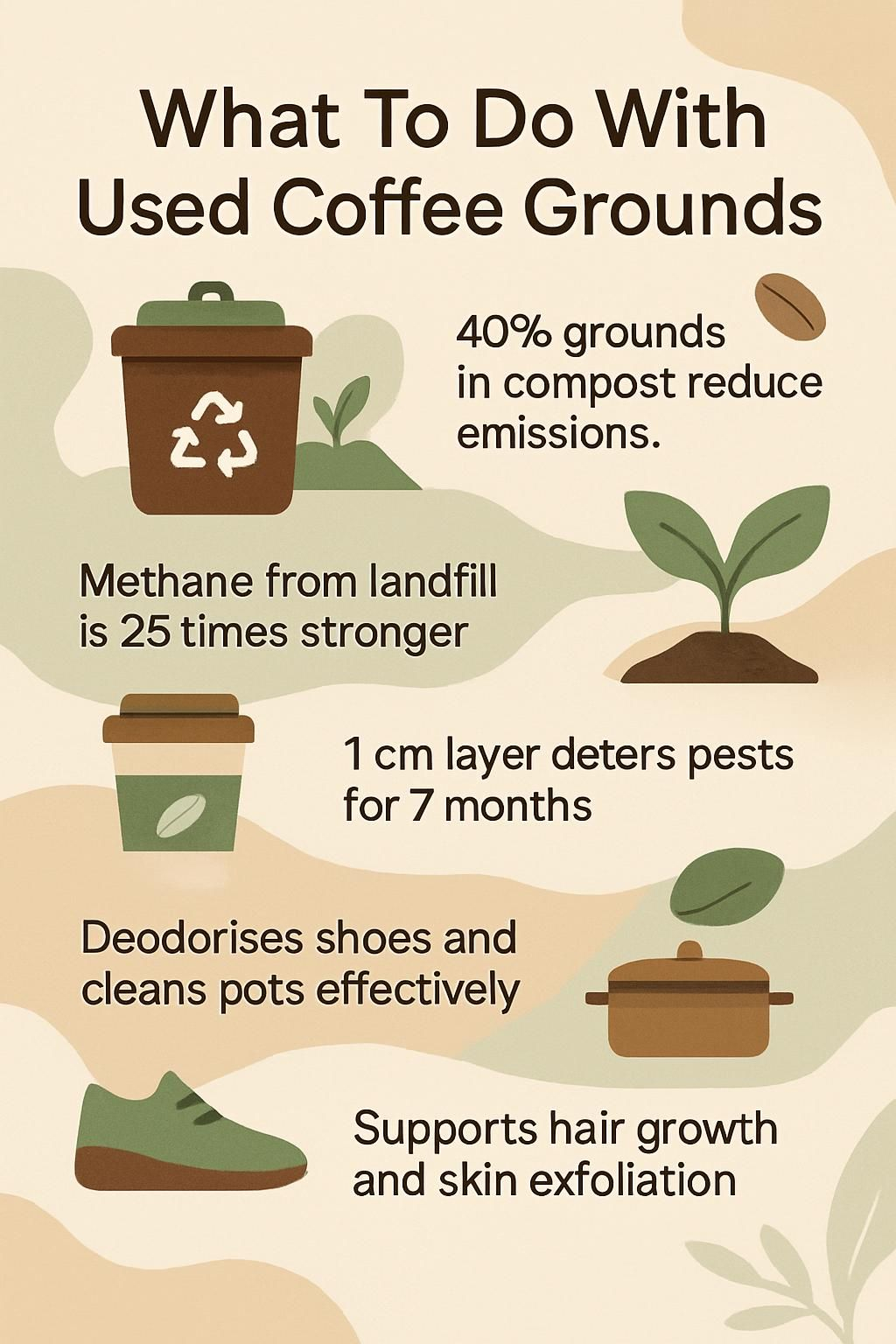
Common mistakes when using coffee grounds
Coffee grounds are easy to collect, so it is tempting to use them everywhere. A few simple mistakes can reduce their value.
Applying a thick layer
A deep layer can become compacted and restrict air and water. It may also encourage mold on the soil surface.
Using only coffee grounds
Coffee grounds do not contain enough nutrients to serve as complete fertilizer. Plants still need a balanced supply of nitrogen, phosphorus, potassium, and micronutrients.
Adding fresh grounds around seedlings
Fresh grounds may contain compounds that slow germination or affect young roots. Composting them first is safer for seeds and seedlings.
Assuming coffee grounds repel every pest
Some gardeners report fewer slugs or certain insects after using coffee grounds. Results are inconsistent, and coffee grounds should not replace proven pest control methods.
Ignoring soil pH
If a plant needs acidic soil, guessing can waste time. A simple soil test gives better guidance than the color, smell, or texture of the grounds.
Putting grounds in the wrong place
Avoid placing large amounts in lawns, plant crowns, or directly against stems. Keep organic amendments slightly away from the base of plants to reduce moisture and disease problems.

Coffee grounds and different types of soil
The effect of coffee grounds depends partly on your existing soil.
Sandy soil
Sandy soil drains quickly and often has low organic matter. Small amounts of composted coffee grounds may improve moisture retention and texture.
Clay soil
Clay soil holds water but can become dense. Coffee grounds alone will not fix compaction. Combine them with finished compost, leaf mold, and other organic matter, and avoid walking on wet beds.
Container soil
Potted plants have limited space and drainage. Use coffee grounds sparingly and mix them into a larger potting mix or compost blend. Do not cover the entire surface with grounds.
Raised beds
Raised beds benefit from regular additions of finished compost. Coffee grounds can be part of that compost, but they should not replace compost, aged manure, or other balanced amendments.
The key point is that do coffee grounds make soil acidic is only one part of the question. You also need to ask how the grounds affect drainage, nutrients, microbes, and plant roots.
What to use when you truly need acidic soil
If your soil pH is too high, coffee grounds are usually not strong or predictable enough. Soil sulfur is a more dependable amendment because soil bacteria convert it into acid-forming compounds.
The correct amount depends on:
• Current soil pH
• Target pH
• Soil texture
• Organic matter level
• Plant type
Follow the soil test recommendation and product label. Do not add large amounts of sulfur at once. It can take time to work, and excessive sulfur may harm roots or soil life.
For container plants, a potting mix designed for acid-loving plants is often the simplest choice. It gives you better control than trying to change the pH of ordinary potting soil with kitchen waste.
A practical coffee-ground routine for gardeners
If you drink coffee every day, you can reuse the grounds without overdoing it.
-
Let the used grounds cool.
-
Mix them with leaves, cardboard, or other compost materials.
-
Keep grounds to a moderate part of the compost pile.
-
Allow the compost to mature before using it around sensitive plants.
-
Apply finished compost in a thin layer around established plants.
-
Keep the material away from stems and crowns.
-
Test soil pH when growing plants with special pH needs.
This routine turns a common kitchen waste into a useful soil amendment. It also avoids the main risks linked with fresh, concentrated grounds.
Frequently Asked Questions About Do Coffee Grounds Make Soil Acidic
Do coffee grounds make soil acidic right away?
Fresh grounds may cause a small, short-term drop in pH near the soil surface. Used grounds usually have little lasting effect on overall soil acidity.
Are used coffee grounds acidic or alkaline?
Used coffee grounds are usually mildly acidic to nearly neutral. Their exact pH varies with the coffee, brewing method, and testing process.
Can coffee grounds make hydrangeas blue?
Coffee grounds alone cannot reliably turn hydrangeas blue. Blue flowers are linked mainly to soil pH and available aluminum, so test the soil and use a proper amendment if needed.
Do coffee grounds help plants that like acidic soil?
They may add organic matter and support soil health, but they do not reliably lower pH enough for acid-loving plants. Use a soil test and a suitable acidic soil amendment for better control.
Can I put coffee grounds directly on my garden?
Yes, but use a thin layer and mix it into the soil. Avoid thick piles because they may form a crust, hold too much water, or slow seed growth.
Do coffee grounds work as fertilizer?
Coffee grounds provide some nutrients, mainly nitrogen, but they are not a complete fertilizer. Use them with compost and a balanced fertilizer when plant nutrient needs are high.
Should coffee grounds go in compost?
Yes. Coffee grounds are useful compost material when balanced with dry leaves, cardboard, straw, or other carbon-rich ingredients. They should not make up most of the compost pile.
Conclusion
So, do coffee grounds make soil acidic? Used coffee grounds usually do not lower soil pH in a strong or lasting way. They are better used as a modest source of organic matter or as part of a balanced compost pile.
Use them sparingly, mix them well, and avoid thick layers around plants. If you need to change soil acidity, test the soil first and choose an amendment designed for that job. Try a small amount in your garden, watch how the soil responds, and share your results or questions with other gardeners.

Liora Pennings is a seasoned chef and kitchen enthusiast with a passion for turning everyday cooking into an effortless experience. With years of hands-on culinary expertise, she specializes in practical techniques, ingredient know-how, and smart kitchen solutions that help home cooks elevate their meals. At KitchFlair.com, Liora shares her best tips, time-saving tricks, and honest product reviews to guide readers toward a more efficient, enjoyable, and inspired cooking routine. Whether you’re a beginner or a seasoned home chef, Liora’s friendly, knowledge-packed insights make every visit to the kitchen a little easier—and a lot more delicious.