How Much For A Dyson Vacuum Cleaner: 2026 Price Guide
A Dyson vacuum cleaner costs about $300 to $1,200, depending on type, features, and sales.
The answer to “how much for a Dyson vacuum cleaner” depends on the model, cleaning style, battery size, and included tools. In this guide, I break down current US price ranges, ownership costs, discounts, and the features that make one Dyson worth more than another.
Dyson vacuum cleaner price ranges in the US
The price of a Dyson vacuum cleaner can vary widely. Entry-level cordless models may cost around $300, while advanced cordless, upright, canister, and robot models can reach $1,200 or more.
Here is a practical guide to typical Dyson prices:
| Dyson vacuum type | Typical new price | Best for |
|---|---|---|
| Basic cordless stick | $300 to $500 | Small homes and quick cleaning |
| Premium cordless stick | $600 to $1,000 | Whole-home cleaning and pets |
| Upright vacuum | $400 to $800 | Deep carpet cleaning |
| Canister vacuum | $500 to $750 | Hard floors and detailed cleaning |
| Robot vacuum | $1,000 to $1,300 | Automated daily cleaning |
| Refurbished Dyson vacuum | $200 to $700 | Lower-cost buying |
These are general US price ranges, not guaranteed prices. Dyson often changes prices during holiday events, model launches, and clearance sales. Retailers may also offer bundles with extra cleaner heads or tools.
When people ask how much for a Dyson vacuum cleaner, they often expect one simple number. A better answer is that most shoppers should plan to spend between $400 and $800 for a capable new Dyson.

How much is a Dyson cordless vacuum?
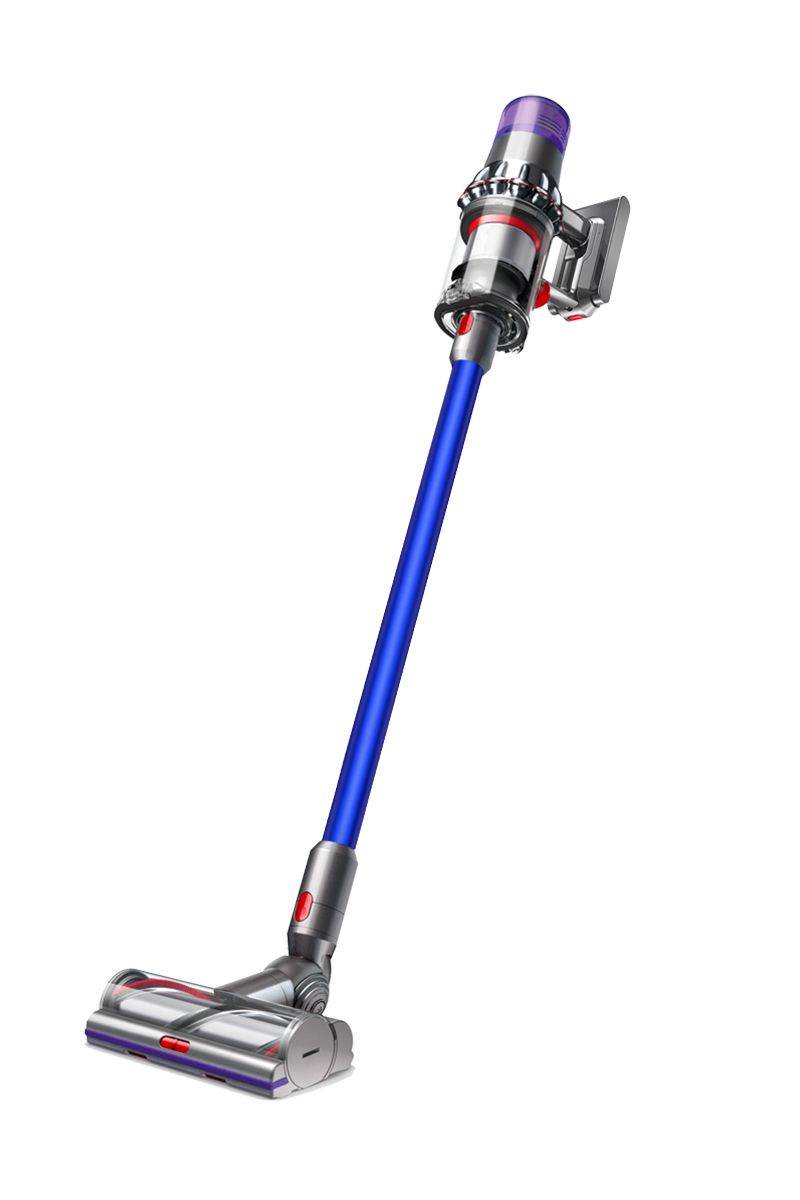
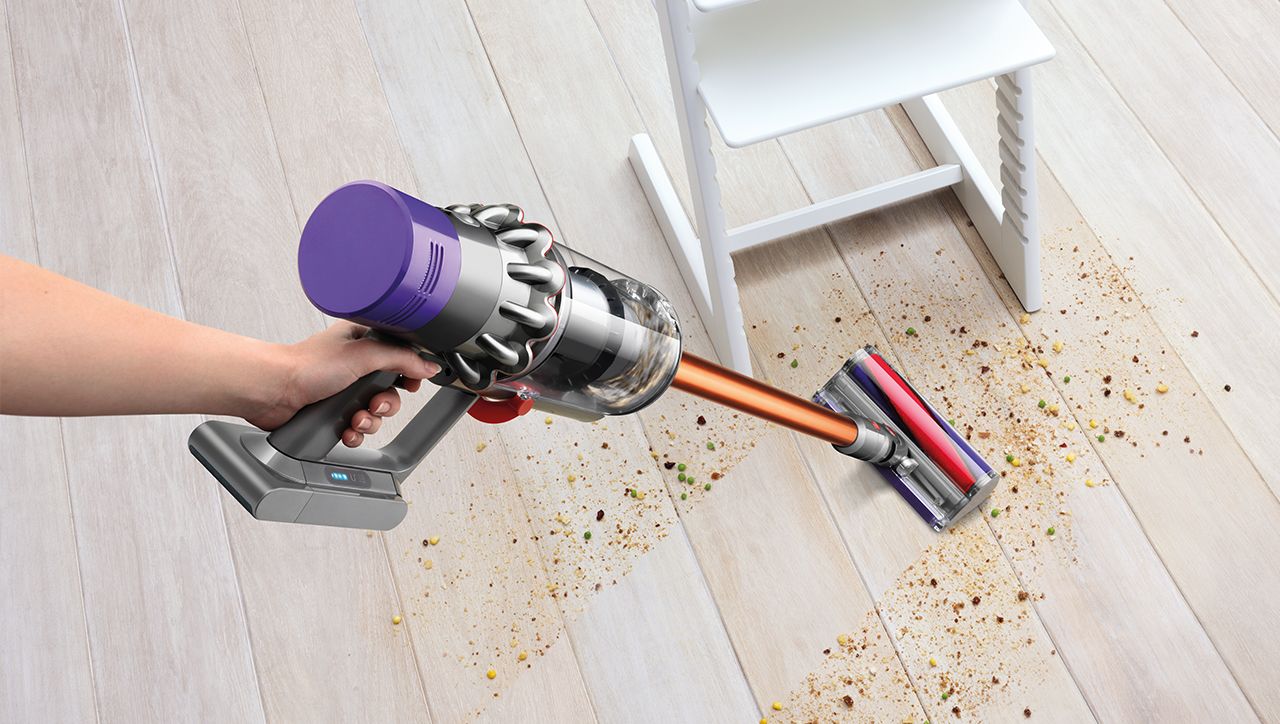
A Dyson cordless vacuum usually costs between $300 and $1,000. The lower-priced models focus on simple floor cleaning, while premium models add stronger suction, longer battery life, automatic power control, and better filtration.
Common cordless price groups include:
Budget Dyson cordless models
Budget cordless models often start near $300 to $450. They are useful for apartments, small homes, kitchens, stairs, and quick daily messes.
You may get:
• A compact motor
• A shorter run time
• Fewer cleaning tools
• A smaller dust bin
• Basic floor and carpet modes
These models can work well if you do not have thick carpet or several pets. They may feel less convenient in a large home because you may need to empty the bin or recharge the battery more often.
Mid-range Dyson cordless models
Mid-range models often cost $450 to $700. This is the price range many buyers should consider first because it balances power, battery life, and useful attachments.
These vacuums may include:
• A stronger motor
• A motorized cleaner head
• A removable battery
• Better dust detection
• A wall-mounted charging dock
• Improved filtration
For many homes, a mid-range Dyson offers enough power without paying for every premium feature.
Premium Dyson cordless models
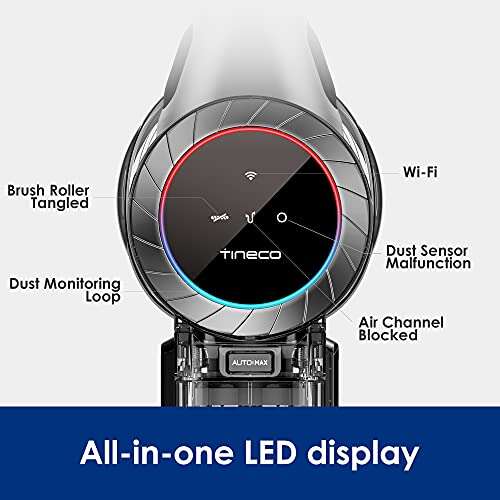
Premium cordless models commonly cost $700 to $1,000. These machines may include a larger battery, a brighter floor head, automatic suction adjustment, a particle sensor, and a screen that shows cleaning data.
The higher price can make sense for homes with:
• Multiple pets
• Thick rugs
• Large floor areas
• Allergy concerns
• Frequent cleaning needs
A premium model is not automatically the best choice. A buyer with a small apartment may gain more from a lighter vacuum than from extra sensors and power.
How much is a Dyson upright vacuum?
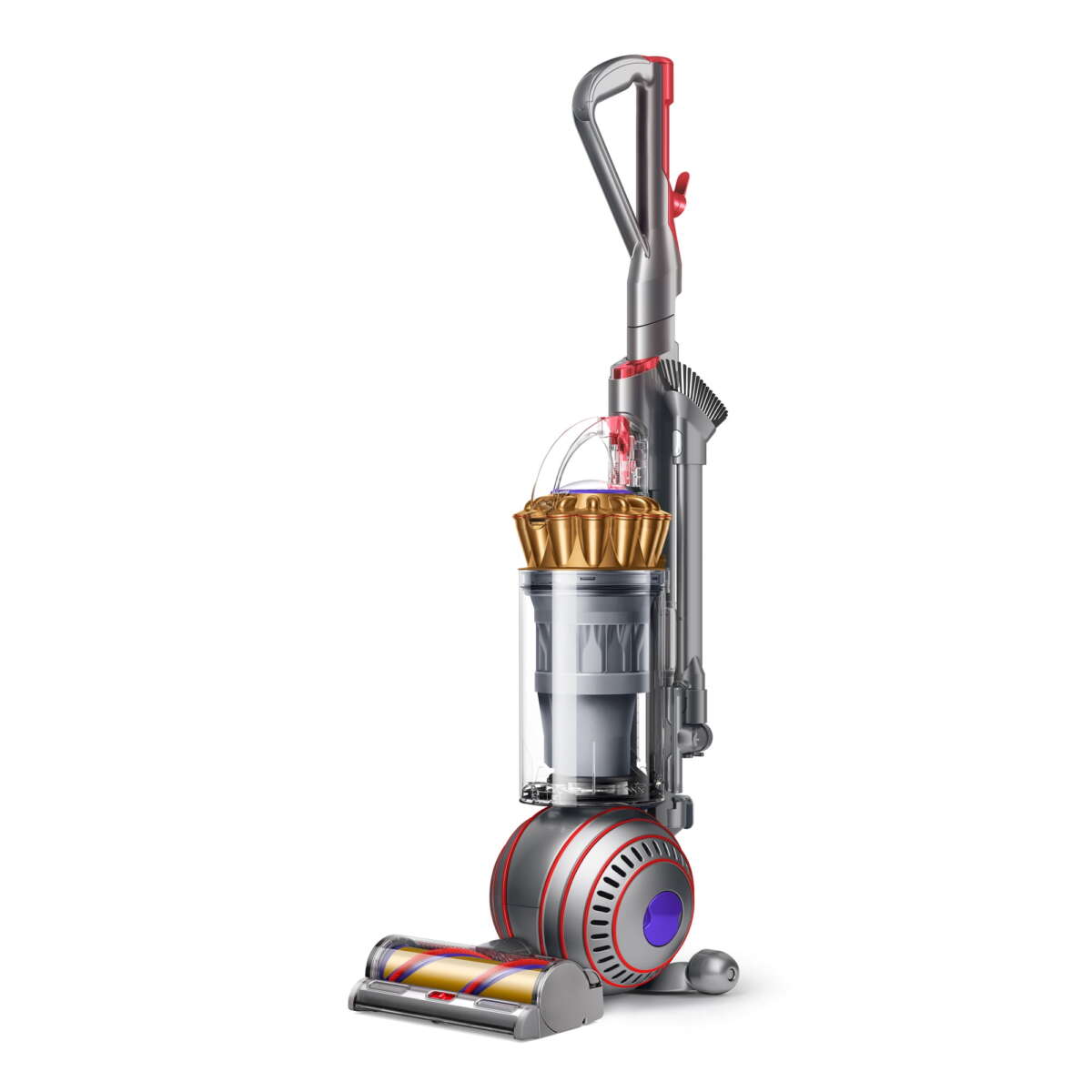
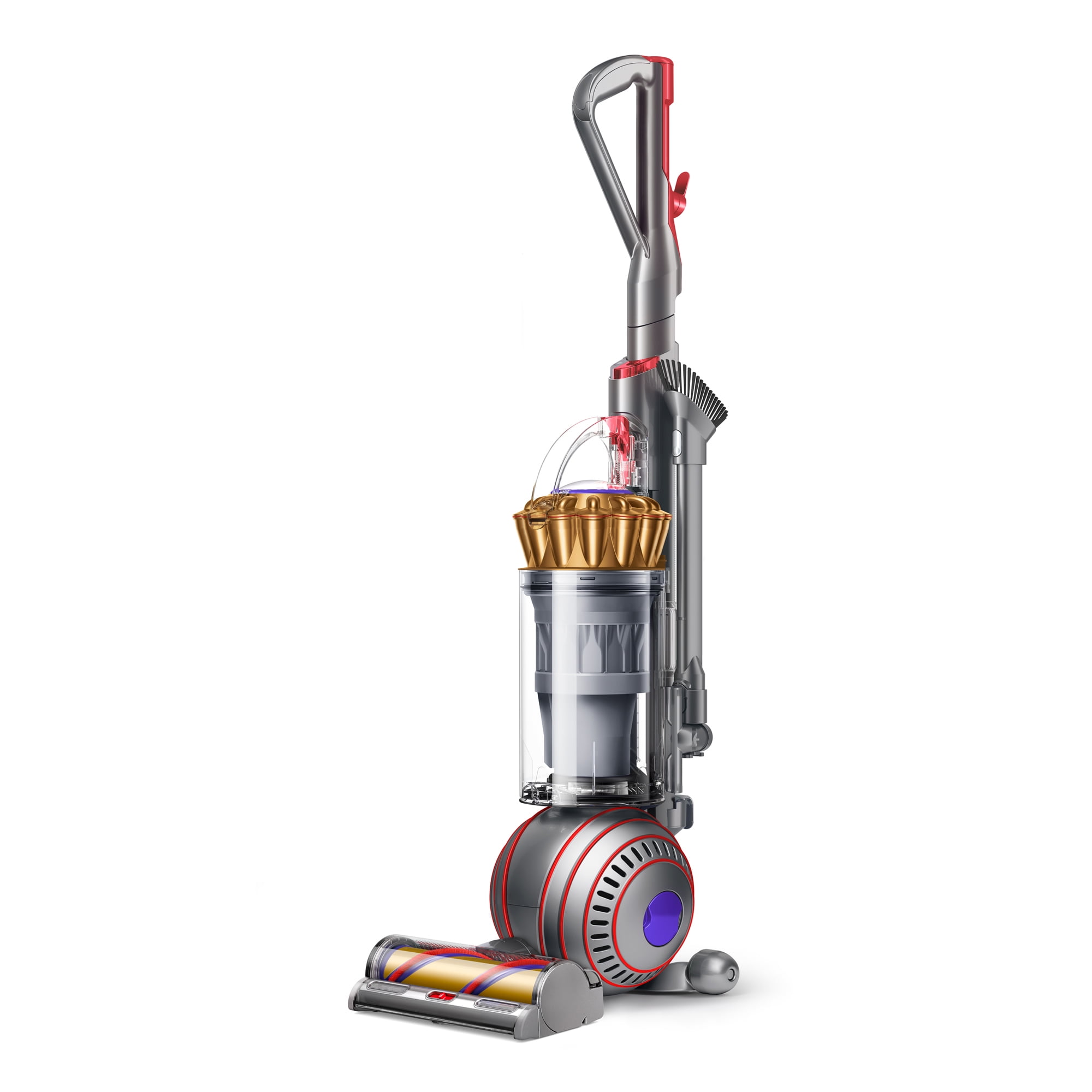
A Dyson upright vacuum generally costs about $400 to $800. Upright models are often heavier than cordless sticks, but they can be a strong choice for homes with wall-to-wall carpet.
An upright Dyson may offer:
• Strong continuous power
• A larger dust container
• A wide cleaning path
• A powered brush roll
• Good carpet performance
• No battery charging time
The key benefit is steady power. You can clean for as long as needed without stopping to recharge. This matters when you have a large home, deep carpet, or several rooms to clean.
The trade-off is weight and storage. An upright vacuum takes more space and may be harder to carry up stairs. If you mainly clean hardwood floors, a cordless model may feel easier to use.
When comparing how much for a Dyson vacuum cleaner, do not compare only the price. Compare the floor type, machine weight, cord design, dust-bin size, and included tools.
How much is a Dyson canister vacuum?
A Dyson canister vacuum often costs between $500 and $750. These models use a separate canister connected to the cleaning wand by a hose.
Canister vacuums can be helpful for:
• Hardwood floors
• Stairs
• Furniture
• Delicate surfaces
• Long cleaning sessions
• Homes that need flexible tools
The canister rolls behind you, so the cleaning head may feel lighter in your hand. This design can also make it easier to reach under furniture and around corners.
However, canister models are less popular than cordless vacuums because they take longer to set up. You also need to store the hose, wand, and body together. They are best for shoppers who value cleaning reach and continuous power over quick grab-and-go use.
How much is a Dyson robot vacuum?
A Dyson robot vacuum can cost around $1,000 to $1,300 before discounts. This makes it one of the most expensive choices in the Dyson range.
Robot models are designed to move around your home with limited help. Depending on the model, they may offer:
• App control
• Room mapping
• Automatic route planning
• Strong suction
• Floor sensors
• Scheduled cleaning
A robot vacuum can save time, but it does not remove every cleaning task. You may still need to clean stairs, furniture, corners, and areas blocked by cords or clutter.
The cost is easier to justify for busy households with mostly open floors. It may not be the best value for a small home, a home with many steps, or rooms that require frequent hand cleaning.
If you ask how much for a Dyson vacuum cleaner and mean a robot model, budget for both the machine and possible replacement parts. Brushes, filters, and batteries may need attention over time.
What affects the price of a Dyson vacuum?
Several features influence the price of a Dyson vacuum cleaner. Understanding them helps you avoid paying for tools you will never use.
Suction power
More suction can help lift dirt from carpet and remove pet hair. Yet suction alone does not decide cleaning quality. The brush design, airflow, seal, and floor head also matter.
A high-priced model may clean faster, but a lower-priced model can still work well on hard floors and low-pile rugs.
Battery life
Cordless Dyson models may advertise different run times based on the cleaning mode. The longest figure often applies to a low-power setting without a motorized tool.
Real-world use may be shorter, especially on carpet or high power. If you have a large home, look for a removable battery or a model with an optional spare.
Filtration
Many Dyson models use sealed filtration systems that capture fine particles. This may benefit homes with allergies, pets, or lots of dust.
Still, filters need regular washing or replacement. A filter that is clogged or poorly maintained can reduce airflow and performance.
Cleaning tools
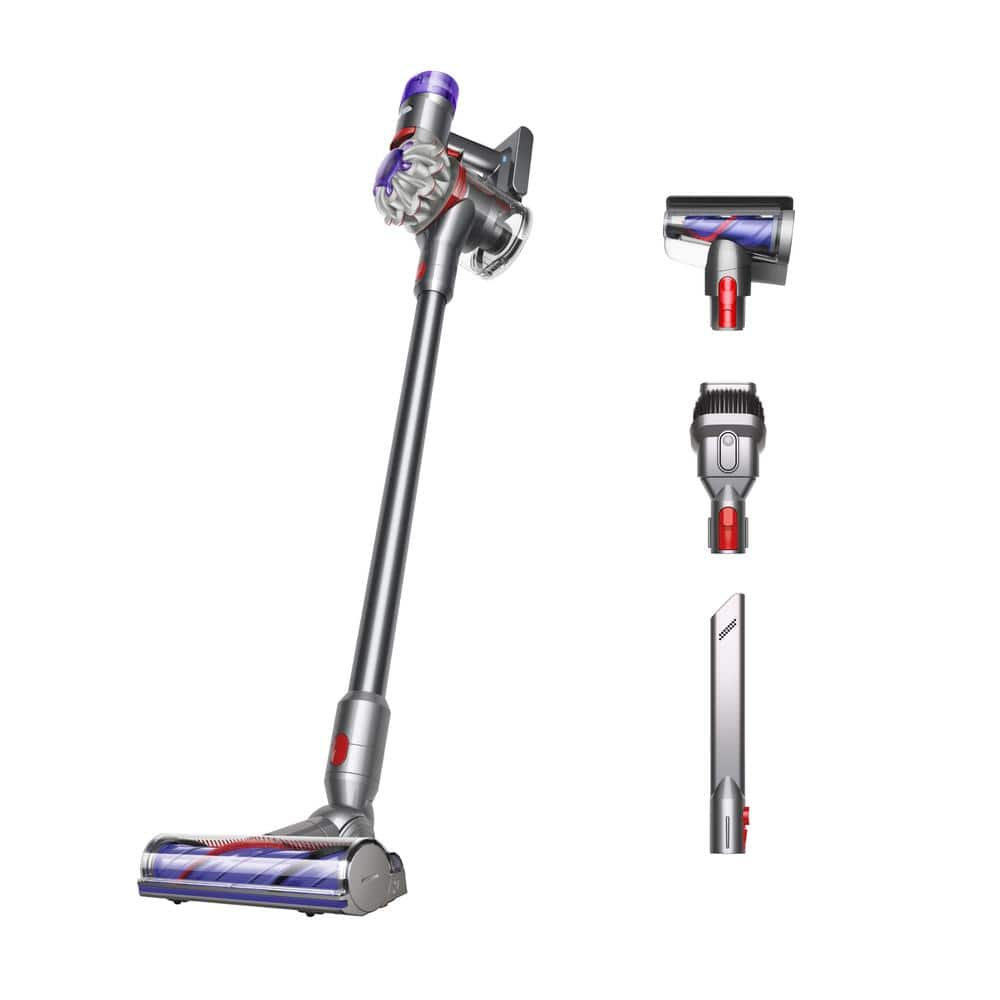
Extra tools can raise the price. Common attachments include:
• Hair-removal tools
• Crevice tools
• Dusting brushes
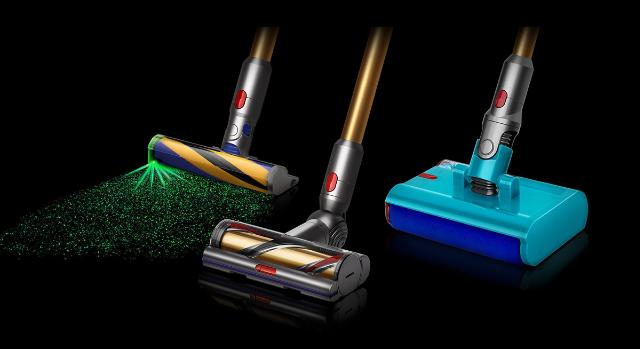
• Soft roller heads
• Upholstery tools
• Motorized mini heads
Choose tools based on your home. A pet owner may benefit from a motorized hair tool, while a hard-floor owner may prefer a soft roller head.
Smart features
Some premium models display particle information or adjust suction automatically. These features can be useful, but they are not essential for every household.
Think of smart features as a dashboard in a car. They can give helpful information, but they do not replace good driving. In the same way, sensors do not replace regular cleaning and maintenance.
Is a Dyson vacuum worth the price?
A Dyson vacuum can be worth the price when you value strong design, easy handling, filtration, and useful cleaning tools. It may also be a good fit for homes with pets, mixed flooring, or frequent small messes.
The biggest benefits often include:
• Convenient cordless cleaning
• Strong performance on many surfaces
• Easy access to stairs and furniture
• Helpful attachment choices
• Good dust-bin visibility
• Modern, compact designs
The main limitations are the high purchase price, battery wear, small bins on some cordless models, and ongoing filter care.
In my product comparisons, one common mistake is judging value by suction alone. A vacuum that is powerful but heavy may stay in the closet. The best vacuum is the one you will use often and maintain correctly.
A Dyson may be less valuable if you only need basic cleaning in a small space. A less expensive vacuum can meet that need. The right question is not only how much for a Dyson vacuum cleaner, but also how much cleaning power and convenience you will use.

Dyson vacuum ownership costs
The purchase price is only part of the total cost. You should also consider maintenance and replacement parts.
Potential long-term costs include:
• Replacement filters
• Replacement batteries
• New brush bars
• Cleaner head parts
• Extended warranties
• Storage mounts or accessories
Many filters can be washed according to the care instructions. Let them dry fully before reinstalling them. A damp filter can cause odor and may damage the machine.
Battery replacement is the cost that surprises some cordless owners. Battery life depends on use, charging habits, power mode, and storage. Heavy use on the highest setting may reduce the time between charges.
A simple maintenance routine can protect your investment:
- Empty the dust bin before it reaches the maximum line.
- Check the brush roll for hair each week.
- Wash washable filters as directed.
- Inspect the hose and airway for blockages.
- Charge the battery in a cool, dry place.
- Replace worn parts with compatible, approved parts.
These small steps can help a Dyson vacuum cleaner maintain better airflow and cleaning performance.
How to get a lower Dyson vacuum price
You do not always need to pay the full listed price. Smart timing can reduce the cost.
Try these approaches:
• Compare Dyson’s store with major retailers.
• Check official refurbished models.
• Shop during Black Friday and holiday sales.
• Look for clearance on older generations.
• Compare bundle contents, not only the discount.
• Check the return policy before buying.
• Use authorized sellers for warranty protection.
Older models can be excellent values. A previous generation may lack a new screen or sensor but still clean floors very well.
Refurbished models can also reduce how much for a Dyson vacuum cleaner. Buy from a trusted seller that tests the machine and provides a warranty. Avoid deals with unclear battery condition, missing parts, or no return rights.
A low sticker price is not always a good deal. A vacuum missing its main cleaner head may cost more after you replace the part.
Dyson versus other vacuum brands
Dyson competes with brands that offer cordless, upright, robot, and canister vacuums at many price levels. Some competitors cost less and may include longer warranties or larger dust bins.
Dyson often stands out for:
• Strong brand recognition
• Cyclonic design
• Cordless convenience
• Detailed tool systems
• Premium styling
• Wide retail availability
Other brands may offer better value for shoppers who want a large battery, a simple design, or a lower purchase price.
Independent testing can help because laboratory results do not always match advertising claims. Look for tests that measure carpet pickup, hard-floor pickup, battery life, noise, filtration, and ease of use.
My practical advice is to make a short list of your real needs before comparing brands. A pet owner, a college student, and a large family should not shop for the same vacuum.
How to choose the right Dyson vacuum
Start with your floors and cleaning habits. Do not start with the most expensive model.
Use this simple process:
- Count your main floor types.
- Decide whether you need cordless use.
- Consider pets and long hair.
- Check the weight if you have stairs.
- Estimate how long you clean at one time.
- Review battery and dust-bin size.
- Compare included tools.
- Confirm the warranty and return period.
- Set a firm budget before shopping.
For a small apartment with hard floors, a basic or mid-range cordless model may be enough. For a large carpeted home, an upright or premium cordless model may offer better results.
If you have allergies, pay close attention to filtration and sealed design. If you have pets, focus on the brush head and hair-removal tools. If you dislike maintenance, avoid models that require more frequent part cleaning.
The best answer to how much for a Dyson vacuum cleaner is personal. Buy the features that solve your cleaning problems, not the features that simply make the product look advanced.
Frequently asked questions about how much for a Dyson vacuum cleaner
How much does the cheapest Dyson vacuum cleaner cost?
The least expensive new Dyson models often cost about $300 to $400 in the US. Sale prices, older generations, and refurbished units may lower the cost.
How much for a Dyson vacuum cleaner with strong pet-hair performance?
A Dyson designed for pet hair commonly costs about $500 to $900. The best choice depends on the brush head, suction mode, battery life, and type of flooring in your home.
Are refurbished Dyson vacuum cleaners worth buying?
A refurbished Dyson can be worth buying when it comes from an authorized or trusted seller with a warranty. Check the battery condition, included tools, return policy, and cosmetic or mechanical grading before paying.
How long does a Dyson cordless vacuum battery last?
Battery life varies by model and power setting. A low-power mode may last much longer than maximum power with a motorized cleaner head, so advertised run time is not always the same as real cleaning time.
Do Dyson vacuum cleaners go on sale?
Yes, Dyson models often receive discounts during major shopping events and when newer versions launch. Compare the final price, warranty, return policy, and included tools instead of focusing only on the advertised percentage off.
Is an expensive Dyson vacuum better than a cheaper one?
An expensive Dyson may offer more power, battery capacity, sensors, or tools, but it is not always better for every home. A cheaper model can be the smarter choice when it matches your floors, space, and cleaning routine.
Conclusion
A Dyson vacuum cleaner usually costs $300 to $1,200 in the US, with many practical options between $400 and $800. Cordless models offer convenience, upright models provide steady power, canister models offer reach, and robot models automate daily cleaning.
Before buying, compare floor type, battery life, filtration, weight, tools, maintenance, warranty, and sale pricing. Focus less on the biggest number and more on the features you will use every week.
Set your budget, identify your main cleaning problems, and compare models from authorized sellers. Explore current options carefully, and share your experience after choosing the Dyson vacuum that fits your home.

Liora Pennings is a seasoned chef and kitchen enthusiast with a passion for turning everyday cooking into an effortless experience. With years of hands-on culinary expertise, she specializes in practical techniques, ingredient know-how, and smart kitchen solutions that help home cooks elevate their meals. At KitchFlair.com, Liora shares her best tips, time-saving tricks, and honest product reviews to guide readers toward a more efficient, enjoyable, and inspired cooking routine. Whether you’re a beginner or a seasoned home chef, Liora’s friendly, knowledge-packed insights make every visit to the kitchen a little easier—and a lot more delicious.