What Is A Good Cheap Vacuum Cleaner: Best Budget Picks
A good cheap vacuum cleaner has strong suction, useful attachments, easy upkeep, and a fair price for your floor type.
Finding what is a good cheap vacuum cleaner can feel harder than it should. Many low-cost models look similar, yet their cleaning power, filters, brush rolls, and build quality can vary a lot. After comparing common vacuum designs and testing the features that matter most in daily use, I found that the best budget choice is not always the model with the lowest price. It is the one that cleans your floors well without creating costly problems later.
What is a good cheap vacuum cleaner?
A good cheap vacuum cleaner is an affordable machine that removes dust, crumbs, pet hair, and surface dirt without losing suction or breaking down quickly. In most cases, a reliable budget vacuum costs about $60 to $180, although sales can lower the price.
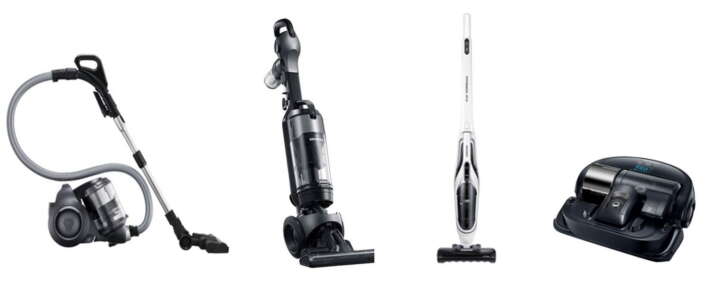
The right model should match your home. A small apartment with hard floors needs less power than a large house with thick carpet and pets. A lightweight stick vacuum may be ideal for quick cleaning, while an upright vacuum often offers better deep cleaning for less money.
Look for these basic qualities:
• Strong suction that stays steady as the dust bin fills
• A brush roll that works well on your main floor type
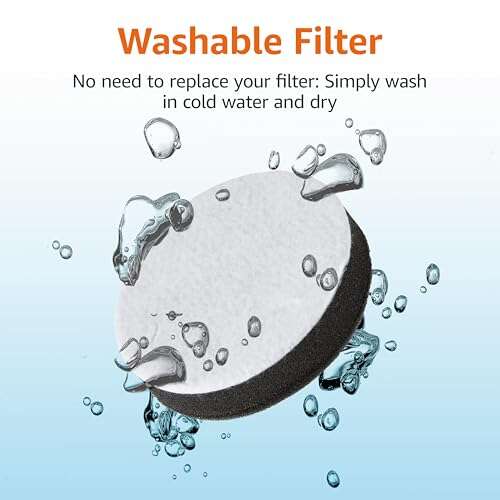
• A washable filter or low-cost replacement filter
• Useful tools for stairs, furniture, and corners
• A dust cup that is easy to empty
• A power cord long enough for your rooms
• A warranty and parts that are easy to find
A cheap vacuum cleaner should save money, not move the expense to filters, belts, batteries, or repairs. Think of it like buying a used car: the sticker price matters, but daily running costs matter too.

How much should you spend on a budget vacuum?
For most homes, $80 to $150 is the sweet spot for a good cheap vacuum cleaner. This range includes many capable corded uprights, canister vacuums, and basic stick vacuums.
Here is a simple price guide:
• Under $60: Best for small spaces, light messes, and occasional use
• $60 to $100: Good for apartments and hard floors
• $100 to $180: Better brushes, filters, tools, and carpet performance
• $180 to $250: Often includes stronger cordless models or better navigation
• Over $250: You may be paying for premium design, longer battery life, or smart features
The cheapest vacuum cleaner is not always the best value. A $40 model that loses suction in six months costs more than a $100 model that lasts for several years.
Cordless vacuums also need extra care when comparing prices. The advertised cost may include a small battery, a short run time, or few accessories. Replacement batteries can be expensive, so check their price before buying.

Which type of cheap vacuum cleaner is best?
The best type depends on your floors, home size, and cleaning habits. There is no single answer to what is a good cheap vacuum cleaner for every household.
Budget upright vacuum
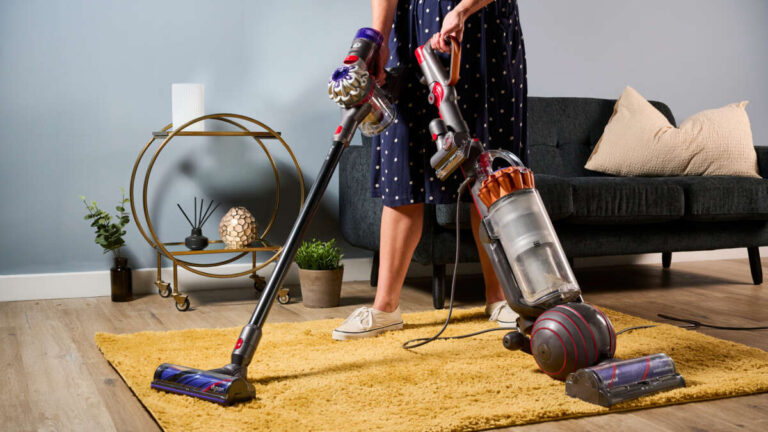
An upright is often the strongest choice for carpet. It usually has a wide cleaning head, a powered brush roll, and a large dust cup.
Choose an upright if you have:
• Wall-to-wall carpet
• Several rooms to clean
• Pets that shed
• A need for strong dirt removal
Uprights can be heavy and loud. Some also struggle under low furniture. Still, they often provide more cleaning power per dollar than cordless models.
Budget stick vacuum
A stick vacuum is slim, light, and easy to grab. It works well for hard floors, small homes, and quick daily cleaning.
A corded stick vacuum can be an excellent cheap option because it does not depend on a battery. A cordless stick vacuum is more convenient, but budget batteries may run for only 15 to 30 minutes.
Stick vacuums may not deep-clean thick carpet as well as uprights. Their smaller dust cups also need frequent emptying.
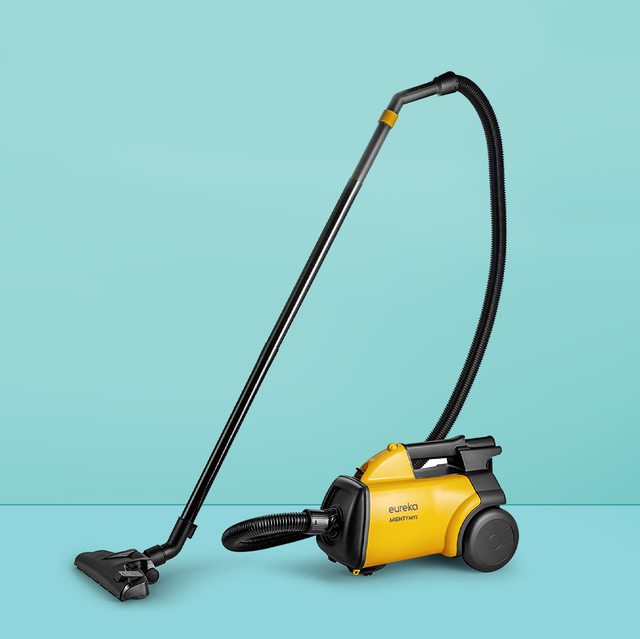
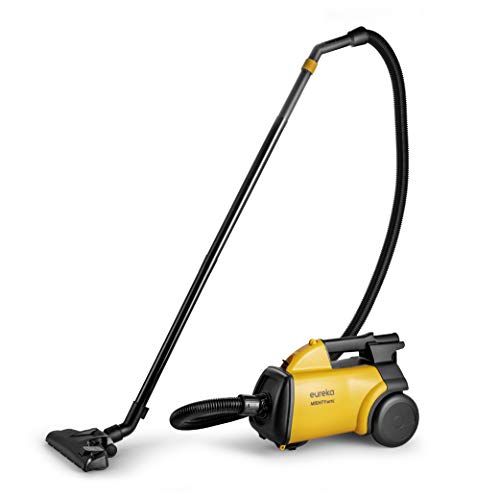
Budget canister vacuum
Canister vacuums are useful on hard floors, stairs, furniture, and tight spaces. The cleaning head connects to a flexible hose, so you can move the lighter head instead of pushing the whole machine.
A canister is often a smart pick for homes with wood, tile, laminate, and delicate rugs. It may feel less convenient for large carpeted areas.
Budget handheld vacuum
Handheld vacuums are useful for cars, couches, stairs, and small spills. They are not a full replacement for a household vacuum.
If you need one vacuum for your entire home, skip a handheld model. Use it as a second cleaner for small jobs.
Robot vacuum
Low-cost robot vacuums can collect surface dust and crumbs while you do other tasks. However, budget models may have weak suction, small bins, poor edge cleaning, and limited navigation.
A robot vacuum is best viewed as a maintenance tool. It should not replace a full-size vacuum for deep carpet cleaning or stairs.
Important features to check before buying
A good cheap vacuum cleaner does not need every modern feature. It needs the right core features.
Suction and airflow
Manufacturers do not always use the same tests to report suction. A high wattage number does not automatically mean better cleaning. Brush design, airflow, seals, and the filter all affect results.
Read reviews that test real dirt pickup rather than relying only on motor power. A vacuum that keeps its airflow as the bin fills is usually more useful than one with a large motor and poor filtration.
Brush roll control
A rotating brush helps lift dirt from carpet. Yet it can scatter debris on hard floors or damage delicate rugs.
Look for a brush roll that can be switched off or adjusted. This feature is especially useful if your home has both carpet and bare floors.
Filtration
A basic filter traps larger dust. A HEPA filter is designed to capture at least 99.97% of particles measuring 0.3 microns in laboratory testing.
HEPA filtration can help reduce fine dust in the exhaust air. It does not mean the vacuum removes every allergen from your home. The vacuum must also have good seals, and you must replace or wash the filter as directed.
Bagged or bagless design
Bagless vacuums are convenient and do not need replacement bags. However, emptying the dust cup can release dust into the air.
Bagged vacuums hold more dirt and can be cleaner for people with allergies. Replacement bags add a small ongoing cost, so include them in your budget.
Dust cup size
A small dust cup fills quickly, especially in homes with pets. When a cup becomes too full, airflow may drop.
For a small apartment, a compact cup may be fine. For a large home, choose a larger bin or a bagged design.
Cord length and hose reach
A cheap vacuum cleaner can become frustrating if you must change outlets every few minutes. For an upright, a 25-foot cord is often more useful than a short cord.
Also check the hose length. A long hose helps with stairs, ceiling corners, and furniture.
Weight and storage
A vacuum that is too heavy may stay in the closet. Choose a model you can carry up stairs and push without strain.
Measure your storage space before buying. Some budget vacuums have tall handles or awkward bodies that do not fit in small closets.

Best cheap vacuum cleaner choices by home type
Different homes need different tools. Use this guide to narrow your options.
For apartments and small homes
Choose a lightweight stick vacuum or compact canister. A corded model can provide steady power without battery limits.
If your home has mostly hard floors, prioritize soft floor tools, adjustable suction, and a washable filter. A large upright may be unnecessary.
For homes with pets
Pet hair needs more than suction. Look for a powered brush roll, a tangle-resistant design, and a small tool for furniture.
A sealed filter system also helps with dander. Clean the brush roll often because wrapped hair can slow it down and strain the motor.
For homes with thick carpet
Choose an upright with height adjustment and a powered brush roll. Height adjustment helps the head sit at the right level instead of pushing too much air or becoming hard to move.
Do not expect every cheap vacuum cleaner to clean deep carpet equally well. If carpet is your main concern, spend more on the brush system before paying for smart controls or decorative features.
For hardwood and tile floors
Look for suction control and a brush roll that can turn off. A soft floor head helps prevent scratches and reduces the chance of scattering crumbs.
Canister vacuums often perform well here because their floor heads are light and easy to guide.
For stairs and cars
A lightweight vacuum with a long hose and crevice tool is helpful. Uprights can work on stairs, but their weight may make the job awkward.
For regular car cleaning, a handheld vacuum can be a useful second device. It should not be your only vacuum unless you live in a very small space.
Cheap vacuum cleaner mistakes to avoid
The most common buying mistake is choosing a vacuum by appearance or star rating alone. Reviews are useful, but check whether the reviewer tested the same floor types and messes you have.
Avoid these problems:
• Buying a cordless model without checking battery run time
• Choosing a vacuum with no brush roll for thick carpet
• Ignoring filter replacement costs
• Selecting a tiny dust cup for a pet-filled home
• Assuming “HEPA-style” means certified HEPA filtration
• Buying a model with no replacement belt or brush parts
• Trusting a high motor wattage as proof of cleaning power
• Skipping the warranty details
• Choosing a vacuum that is too heavy to use comfortably
One lesson from hands-on vacuum comparisons is simple: maintenance often matters more than a small difference in advertised power. A clean filter and clear brush roll can make an average vacuum feel much stronger.
Another common mistake is using the wrong attachment. A bare floor head may glide over carpet without lifting embedded dirt. A spinning brush may scatter rice or scratch a delicate surface. Match the tool to the floor.

How to make a cheap vacuum last longer
A budget vacuum can last for years with basic care. Treat the filter like the lungs of the machine: when it is blocked, the whole system struggles.
Follow these steps:
- Empty the dust cup before it reaches the fill line.
- Wash a reusable filter only if the manual says it is washable.
- Let wet filters dry fully before reinstalling them.
- Cut hair and threads from the brush roll each week.
- Check the hose for clogs when suction drops.
- Replace worn belts instead of continuing to run the vacuum.
- Keep liquids, ashes, glass, and fine construction dust out unless the vacuum is made for them.
- Store the vacuum in a dry place with the cord loosely wrapped.
Never wash a filter that is labeled dry-only. Water can damage some filter materials and may lead to motor problems.
If the vacuum smells hot, makes a sharp noise, or suddenly loses power, stop using it. A blockage is common, but continued use can damage the motor.

Are cheap vacuums safe for allergies?
A cheap vacuum cleaner can help control dust, but price alone does not determine allergy performance. Look for sealed filtration, a washable pre-motor filter, and a high-quality exhaust filter.
Empty a bagless vacuum outdoors if possible. Wear a mask if dust triggers symptoms, and wash your hands afterward.
Vacuuming is only one part of allergy control. The American College of Allergy, Asthma & Immunology recommends regular cleaning and reducing dust traps such as heavy carpets, clutter, and fabric curtains. People with asthma or severe allergies should follow advice from a health professional.
Be careful with marketing terms. “HEPA-type” and “HEPA-like” may not have the same meaning as a tested HEPA filter. Read the product manual and specifications rather than relying on a large label.

How to compare real-world cleaning performance
When comparing what is a good cheap vacuum cleaner, use a simple checklist instead of focusing on brand popularity.
Check whether independent tests or detailed reviews cover:
• Fine dust removal
• Large crumbs and cereal
• Pet hair on carpet
• Dirt along edges
• Cleaning under furniture
• Noise and ease of movement
• Filter performance
• Battery life under normal use
You can also test a vacuum at home with safe materials. Sprinkle a small amount of dry cereal or baking soda on a hard floor, then see whether the vacuum collects it without scattering. On carpet, use a small amount of clean, dry soil and make the same number of passes with each model.
Do not use flour, ash, liquids, or unknown powders for home tests. Fine particles can bypass filters or damage the motor.
A good comparison measures how much dirt remains, not how loud or powerful the vacuum feels. Some machines sound strong but leave debris behind.

Frequently Asked Questions About What Is a Good Cheap Vacuum Cleaner
What is a good cheap vacuum cleaner for carpet?
A budget upright with a powered brush roll and height adjustment is usually the best choice for carpet. Choose a model with strong airflow, a washable filter, and easy brush-roll maintenance.
What is the best cheap vacuum cleaner for hardwood floors?
A lightweight canister or stick vacuum with suction control and a brush roll that turns off works well. A soft floor head can help collect dust without scattering debris or scratching the surface.
Are cheap cordless vacuums worth buying?
Cheap cordless vacuums are worth buying for quick cleanups and small homes. Check the battery run time, charging time, replacement battery price, and whether the vacuum can maintain power as the battery drains.
How long should a cheap vacuum cleaner last?
A well-maintained budget vacuum may last several years, but lifespan depends on use, floor type, and parts quality. Regular filter cleaning, clog removal, and brush-roll care can greatly improve durability.
Is a bagged or bagless cheap vacuum better?
Bagless vacuums usually cost less to operate, while bagged vacuums can be cleaner to empty and better for some allergy sufferers. Choose the design that fits your cleaning habits and the ongoing cost of bags or filters.
Does a higher wattage mean a better vacuum?
No. Wattage mainly describes electrical power use, not cleaning performance. Airflow, suction at the floor, brush design, filtration, and nozzle seals are more useful measures.
Can a cheap vacuum remove pet hair?
Yes, if it has a powered brush roll and a tool designed for upholstery. Clean the brush roll often because wrapped hair can reduce performance and cause overheating.
Conclusion
The best answer to what is a good cheap vacuum cleaner is a model that fits your floors, removes the dirt you actually have, and stays easy to maintain. For carpet and pets, choose a budget upright with a powered brush roll. For hard floors and small homes, a lightweight stick or canister may offer better value.
Before buying, compare suction performance, filtration, brush control, dust cup size, battery costs, warranty coverage, and replacement parts. Spend your money on cleaning basics rather than flashy features. Use this guide to compare your options, then share which vacuum has worked best in your home.

Liora Pennings is a seasoned chef and kitchen enthusiast with a passion for turning everyday cooking into an effortless experience. With years of hands-on culinary expertise, she specializes in practical techniques, ingredient know-how, and smart kitchen solutions that help home cooks elevate their meals. At KitchFlair.com, Liora shares her best tips, time-saving tricks, and honest product reviews to guide readers toward a more efficient, enjoyable, and inspired cooking routine. Whether you’re a beginner or a seasoned home chef, Liora’s friendly, knowledge-packed insights make every visit to the kitchen a little easier—and a lot more delicious.