
How To Use Chemex Coffee Maker: Easy Brewing Guide
To use a Chemex coffee maker, add a paper filter, pour hot water slowly, and let the coffee drip.
Learning how to use a Chemex coffee maker is simple, but small details shape the final cup. Water temperature, grind size, pouring speed, and filter placement all matter. After testing many pour-over brews, I have found that a calm, steady method makes the Chemex shine. This guide explains each step, common mistakes, useful ratios, cleaning tips, and ways to adjust your coffee to match your taste.
What Is a Chemex Coffee Maker?
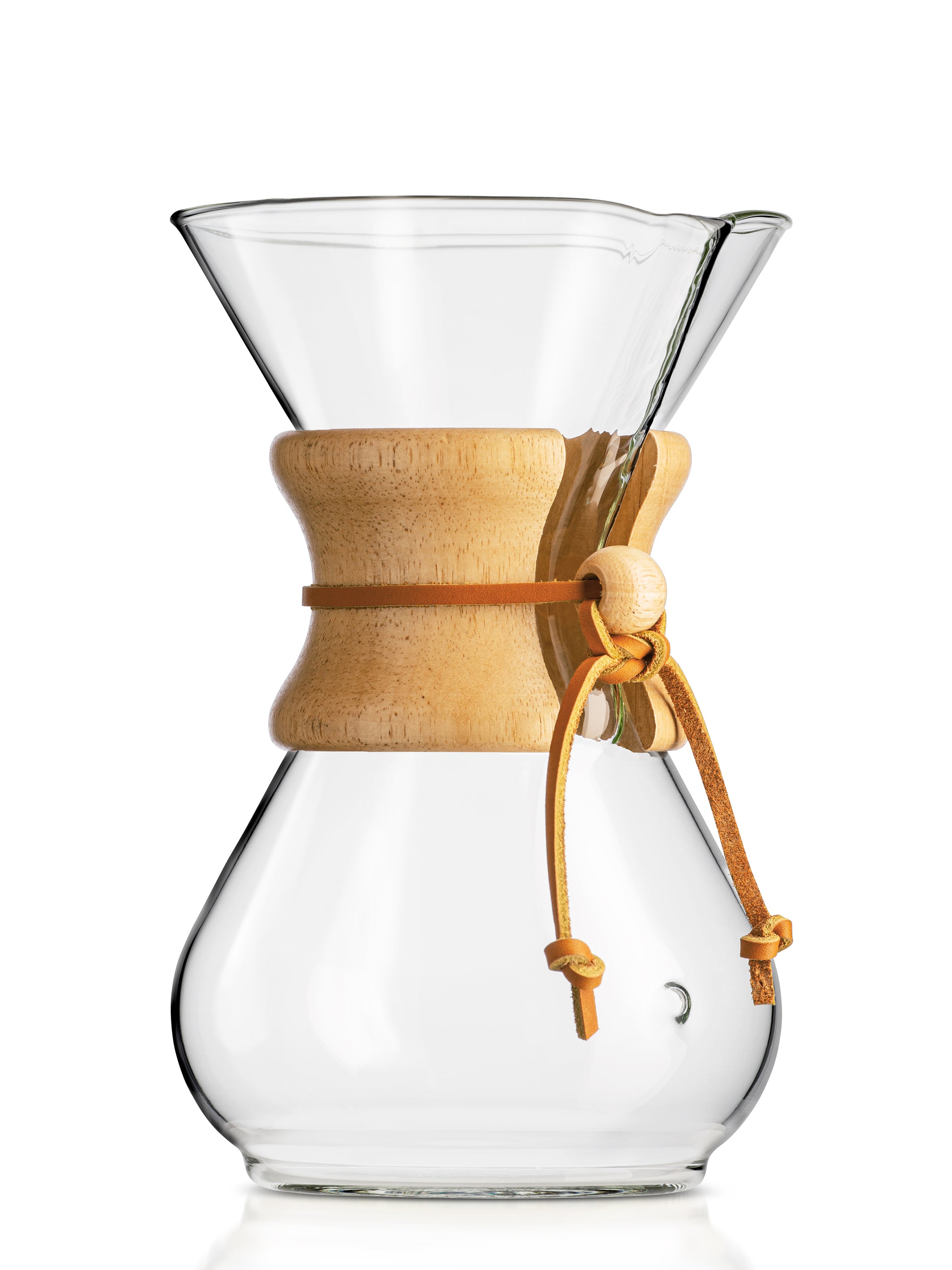
A Chemex is a manual pour-over coffee maker made from heat-resistant glass. It uses thick, specially designed paper filters that remove much of the coffee oil and fine sediment. The result is usually a bright, clean, light-bodied cup.
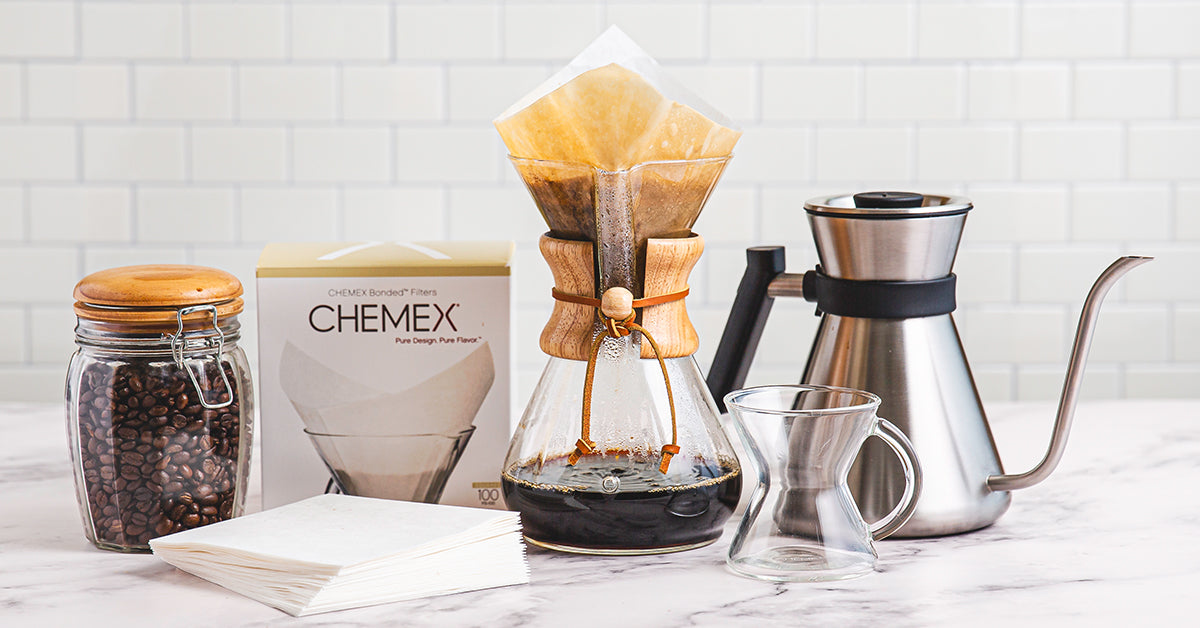
The Chemex has three main parts:
• A glass brewer with an hourglass shape
• A wooden collar or heat-safe handle
• A thick paper filter designed for Chemex brewing
Unlike an automatic drip machine, a Chemex gives you control over nearly every part of the brew. You control the water, timing, pour, and coffee ratio. That control makes it rewarding, but it also means the process takes a little practice.
A Chemex works best with fresh coffee beans, clean water, and a gooseneck kettle. You do not need expensive equipment to begin, though a kitchen scale and burr grinder can make your results more consistent.

What You Need Before Brewing
Before learning how to use a Chemex coffee maker, gather the right tools. Good preparation prevents rushed pouring and helps you repeat a successful brew.
You will need:
• Chemex coffee maker
• Chemex paper filter
• Fresh whole coffee beans
• Burr grinder
• Digital kitchen scale
• Gooseneck kettle or controlled-pour kettle
• Clean, filtered water
• Timer
• Mug or serving cup
For a balanced starting recipe, use 30 grams of coffee and 500 grams of water. This creates about two medium cups. A useful starting ratio is 1:16, meaning one gram of coffee for every 16 grams of water.
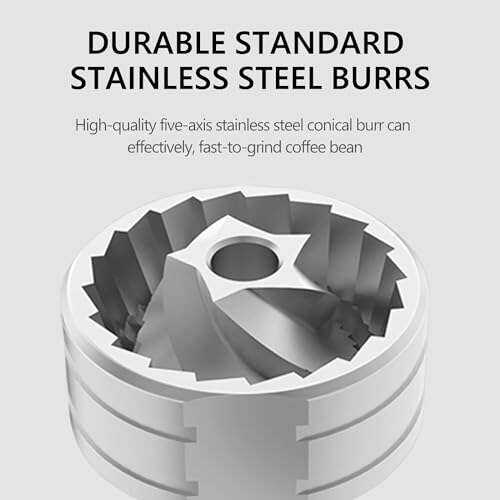
Use medium-coarse coffee grounds. They should look a little coarser than table salt. If the grounds are too fine, water may move too slowly and create a bitter cup. If they are too coarse, the water may pass too quickly and produce weak coffee.
Fresh beans also matter. Coffee tastes best when the beans have rested for several days after roasting but are still relatively fresh. Store them in an airtight container away from heat, light, and moisture.
How to Use a Chemex Coffee Maker Step by Step
The basic method is easy to follow. The key is to pour slowly and keep the coffee bed evenly wet.
1. Heat the water
Heat your water to about 195 to 205°F. If you do not have a thermometer, bring the water to a boil and let it sit for about 30 seconds.
Water that is too hot can make coffee taste harsh. Water that is too cool may produce a flat or sour cup. For most light and medium roasts, water near 200°F works well.
2. Fold and place the filter
Open the Chemex filter into a cone. One side has three layers of paper. Place that thicker side against the pouring spout of the Chemex.
This placement helps the filter sit correctly and allows air to move through the brewer. A poorly placed filter may collapse or slow the flow.
3. Rinse the paper filter
Pour hot water around the inside of the filter. Wet the paper fully, then discard the rinse water from the Chemex.
Rinsing does two things. It removes much of the paper taste and warms the glass brewer. Do not skip this step if you want a clean, sweet cup.
4. Grind and add the coffee
Grind 30 grams of coffee on a medium-coarse setting. Add the grounds to the filter and gently shake the Chemex to flatten the coffee bed.
A flat coffee bed helps water move through the grounds evenly. Avoid pressing the coffee down. Compacted grounds can slow the brew and lead to uneven extraction.
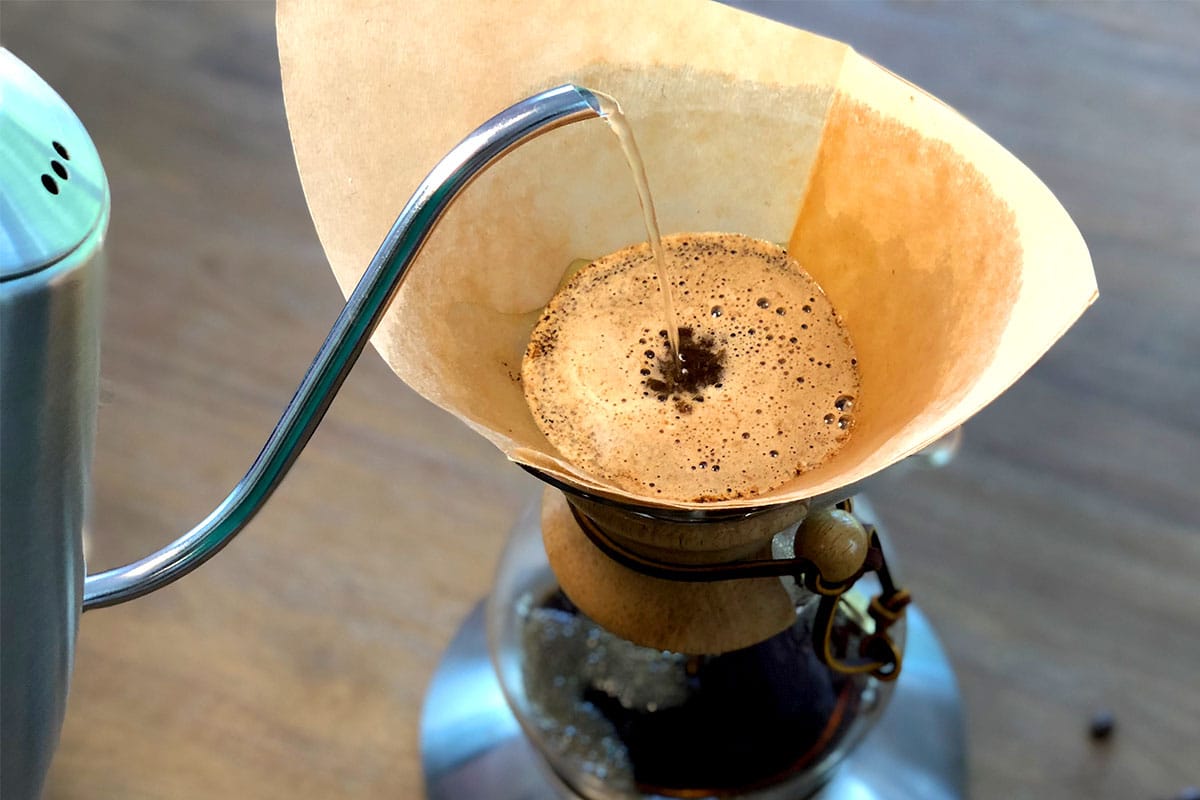
5. Start the bloom
Start your timer and pour about 60 grams of water over the grounds. Make sure all the coffee is wet. Then wait 30 to 45 seconds.
This stage is called the bloom. Fresh coffee releases trapped carbon dioxide when it meets hot water. If you skip the bloom, gas can push water away from the grounds and cause uneven brewing.
6. Pour the remaining water
Pour slowly in small circles. Start near the center and move outward, but avoid pouring directly onto the paper filter.
Add water in stages until you reach 500 grams total. Try to keep the coffee bed at a steady level. A gentle pour is better than a fast stream.
7. Let the coffee drain
Allow the water to pass through the coffee grounds. A total brew time of about four to five minutes is a useful starting point.
Remove the filter when the dripping slows to a few drops. Do not squeeze or press the filter. That can push bitter flavors and fine particles into the coffee.
8. Swirl and serve
Swirl the brewed coffee gently in the Chemex. This mixes coffee from the first and last parts of the brew.
Pour into a warm mug and enjoy. If the coffee tastes too strong, add a little hot water. This adjustment is often better than changing the entire recipe.
This step-by-step process explains how to use a Chemex coffee maker with a reliable starting recipe. Once you understand the method, you can change the grind, dose, water, and timing to suit your taste.
The Best Chemex Coffee-to-Water Ratio
The coffee-to-water ratio controls strength. It does not fully control extraction, but it gives you a clear starting point.
Try these basic recipes:
• 20 grams of coffee with 320 grams of water for one large mug
• 30 grams of coffee with 500 grams of water for two cups
• 45 grams of coffee with 720 grams of water for three to four cups
A ratio near 1:16 works well for many people. If you prefer stronger coffee, try 1:15. For a lighter cup, try 1:17.
Use a scale rather than measuring cups. Coffee beans have different sizes and densities, so two scoops may not weigh the same. A scale also makes it easier to repeat a recipe that tastes good.
Keep one change at a time. If your coffee tastes weak, use a little more coffee or grind slightly finer. Do not change the dose, grind, and water temperature at once. That makes it hard to know which adjustment helped.

How to Choose Coffee for a Chemex
A Chemex highlights delicate flavors, so bean choice can make a clear difference. Light and medium roasts often work well because they can show floral, fruit, citrus, caramel, or tea-like notes.
Single-origin beans can be fun to explore. Coffee from Ethiopia may taste floral or fruit-forward. Coffee from Colombia may offer caramel, citrus, or nutty notes. These descriptions vary by farm, roast, and processing method, so treat them as guides rather than promises.
A medium roast is often the easiest place to start. It usually offers a balance of sweetness, body, and acidity. Dark roasts can work, but the thick filter may make them taste lighter than expected.
Buy whole beans when possible. Grind them just before brewing. Ground coffee loses aroma quickly because more of its surface touches the air.
If your coffee tastes sour, the brew may be under-extracted. If it tastes dry or bitter, it may be over-extracted. Bean freshness, roast style, water quality, grind size, and pouring technique can all affect taste.
:max_bytes(150000):strip_icc()/faw-drip-coffee-makers-test-chemex-ottomatic-2-0-automatic-pour-over-coffee-maker-wdickey-277-1-91574b5fd7d043fdab6867cf86fd5968.jpeg)
How to Control Grind Size and Brew Time
Grind size is one of the most important parts of how to use a Chemex coffee maker. It controls how quickly water flows through the coffee and how much flavor it pulls out.
Use these simple adjustments:
• Coffee tastes sour or weak: Grind a little finer or pour more slowly.
• Coffee tastes bitter or dry: Grind a little coarser or use a shorter brew time.
• Brew finishes in under three minutes: Grind finer or use a slower pour.
• Brew takes more than six minutes: Grind coarser or pour with less agitation.
Do not make dramatic changes. A small adjustment on a burr grinder can make a large difference. Make one change, brew again, and compare the cups.
The total brew time is only a guide. Some coffees drain faster than others. A light roast may need a finer grind than a darker roast. Your goal is not to hit one perfect number. Your goal is a balanced cup with pleasant sweetness and no harsh finish.
Common Chemex Brewing Mistakes
Many first attempts fail for simple reasons. Fortunately, most problems are easy to fix.
Using the wrong side of the filter
The three-layer side should face the spout. If the filter is placed backward, air may not escape well, and the brew can drain slowly.
Skipping the rinse
Unrinsed paper can add a papery flavor. It can also leave the glass cold, which may reduce the brewing temperature.
Pouring too fast
A fast pour can disturb the coffee bed and cause uneven extraction. Use a slow, controlled stream instead.
Using boiling water
Water straight from a full boil can make some coffees taste harsh. Let it cool briefly before brewing.
Grinding too fine
Fine grounds can clog the thick filter. The brew may take too long and taste bitter or dry.
Pouring on the paper
Pouring directly onto the filter can cause water to bypass the coffee. Keep most of the water over the grounds.
Ignoring the water
Tap water with strong chlorine or mineral flavors can ruin an otherwise good brew. Filtered water often gives cleaner results.
One mistake I made early on was changing the grind and water ratio at the same time. The coffee improved, but I did not know why. Now I change one variable per brew. That simple habit makes dialing in coffee much easier.
How to Use a Chemex Coffee Maker Without a Scale
A scale offers the best control, but you can brew without one. Use about two level tablespoons of medium-ground coffee for every six ounces of water as a rough guide.
This method is less precise because spoon sizes and coffee density vary. Still, it can produce a good cup when you pour carefully and use the same tools each time.
You can also use the Chemex’s approximate markings. Add coffee based on the amount you want to brew, then pour water in stages. Keep notes about how many spoonfuls you used and how the coffee tasted.
A scale is a useful upgrade, not a requirement. If you enjoy the ritual, a basic digital scale can improve consistency more than many expensive accessories.

How to Clean a Chemex Coffee Maker
Clean your Chemex after every brew. First, remove and discard the paper filter and used grounds. Rinse the glass with warm water, then wash it with mild dish soap.
Pay attention to the wooden collar and leather tie. Avoid soaking the wood for long periods. If your Chemex has a removable collar, take it off before washing the glass.
For deeper cleaning, add warm water and a small amount of baking soda. Let it sit for a short time, then rinse well. You can also use a soft bottle brush, but avoid rough tools that may scratch the glass.
Do not pour very cold water into a hot Chemex. Sudden temperature changes can stress the glass. Let the brewer cool first, especially after brewing a full batch.
A clean brewer keeps old coffee oils from affecting fresh coffee. If your coffee begins to taste dull or stale, cleaning may solve the problem before you change the recipe.
Chemex Safety and Care Tips
The glass Chemex can become very hot during brewing. Hold it by the wooden collar or heat-safe handle, not by the glass body.
Keep the brewer on a stable, flat surface. Do not place a hot Chemex directly on a cold stone counter. Use a trivet or heat-safe pad when needed.
Remember these safety tips:
• Do not microwave a Chemex with its wooden collar attached.
• Do not place a Chemex with a wooden collar on a direct burner.
• Check the glass for cracks before use.
• Keep the brewer away from children while it contains hot coffee.
• Pour slowly to prevent spills and splashes.
Chemex filters are thick, but they are not reusable. Paper filters make cleanup easy and help create the brewer’s clean taste. Always use filters designed for the Chemex shape when possible.
How to Make Iced Coffee With a Chemex
A Chemex can make bright, refreshing iced coffee. The main trick is to brew directly over ice while using less hot water.
For one serving, try:
• 25 grams of coffee
• 200 grams of hot water
• 150 grams of ice in the Chemex
Use the same medium-coarse grind and water temperature. Rinse the filter, add the ice to the Chemex, and place the filter with coffee on top. Pour the hot water slowly in stages.
The hot coffee melts part of the ice, which cools and dilutes the brew. If the drink tastes weak, use slightly less ice or more coffee. If it tastes too strong, add more ice after brewing.
Iced Chemex coffee is especially good with light-roast beans that have citrus or berry notes. Serve it soon after brewing for the clearest flavor.
How to Use a Chemex Coffee Maker for Different Serving Sizes
The Chemex comes in several sizes. Choose a brewer based on how much coffee you usually make. A smaller model is convenient for one or two people, while a larger model works well for guests.
Keep the same ratio as you scale the recipe. For example:
• 15 grams of coffee with 240 grams of water
• 30 grams of coffee with 500 grams of water
• 45 grams of coffee with 720 grams of water
Large batches may need a slightly coarser grind or a longer pour. Avoid filling the filter to the top because the coffee bed may become too deep. A very deep bed can slow the flow and make extraction uneven.
When serving several people, brew into the Chemex and swirl before pouring. This helps distribute the flavor evenly from the top and bottom of the brew.
How to Improve Your Chemex Technique
Once you know how to use a Chemex coffee maker, focus on consistency. Use the same coffee, water, dose, and grind for several brews before making changes.
Keep a simple brew log. Write down:
• Coffee name and roast date
• Coffee dose
• Water amount
• Grind setting
• Water temperature
• Brew time
• Taste notes
Your notes do not need to sound like a professional coffee judge. Words such as “sour,” “sweet,” “thin,” “dry,” and “smooth” are enough.
Pour with a steady hand. A gooseneck kettle gives you more control, but you can still improve with a standard kettle by pouring slowly and close to the coffee bed.
Taste the coffee after it cools for a few minutes. Hot coffee can hide sweetness and acidity. As it cools, you may notice more detail in the cup.
Frequently Asked Questions About How to Use a Chemex Coffee Maker
How much coffee should I use in a Chemex?
Start with 30 grams of coffee for 500 grams of water. This 1:16 ratio makes a balanced brew for about two cups, but you can adjust it for a stronger or lighter taste.
What grind size is best for a Chemex?
Use a medium-coarse grind, slightly coarser than table salt. If the coffee drains too fast and tastes weak, grind finer; if it drains too slowly and tastes bitter, grind coarser.
How long should a Chemex brew take?
A typical Chemex brew takes about four to five minutes, including the bloom. Time can vary with coffee type, grind size, filter, and pouring style.
Should you rinse a Chemex paper filter?
Yes. Rinse the filter with hot water before adding coffee. This reduces paper flavor, warms the brewer, and helps the filter sit correctly.
Can you use regular coffee filters in a Chemex?
Chemex filters work best because they are thicker and shaped for the brewer. Regular cone filters may fit some models, but they can drain at a different speed and change the taste.
Why does my Chemex coffee taste bitter?
Bitter coffee may come from a grind that is too fine, water that is too hot, or a brew that takes too long. Try grinding coarser and checking that the total brew time stays within a reasonable range.
Why is my Chemex coffee weak?
Weak coffee may result from too little coffee, a grind that is too coarse, or water that passes through too quickly. Add a little more coffee or grind slightly finer, then test again.
Conclusion
Learning how to use a Chemex coffee maker comes down to a few steady habits: use fresh coffee, rinse the filter, choose a medium-coarse grind, bloom the grounds, and pour hot water slowly. A starting ratio of 30 grams of coffee to 500 grams of water gives you a reliable place to begin.
Do not worry about making a perfect cup on your first try. Treat each brew as a small experiment, change one detail at a time, and write down what you learn. With practice, your Chemex can become a simple and enjoyable part of your daily routine. Try the basic recipe today, then share your favorite coffee and brewing tips with other coffee lovers.

Liora Pennings is a seasoned chef and kitchen enthusiast with a passion for turning everyday cooking into an effortless experience. With years of hands-on culinary expertise, she specializes in practical techniques, ingredient know-how, and smart kitchen solutions that help home cooks elevate their meals. At KitchFlair.com, Liora shares her best tips, time-saving tricks, and honest product reviews to guide readers toward a more efficient, enjoyable, and inspired cooking routine. Whether you’re a beginner or a seasoned home chef, Liora’s friendly, knowledge-packed insights make every visit to the kitchen a little easier—and a lot more delicious.