How To Make Coffee Latte At Home: Easy Barista Guide
Make a coffee latte at home with espresso, steamed milk, and a smooth layer of foam in minutes.
Learning how to make coffee latte at home is easier than it sounds. You need only strong coffee, warm milk, simple tools, and a few good techniques. This guide explains the process step by step, including how to create creamy foam without an expensive espresso machine, fix common mistakes, and make café-style lattes that suit your taste.
What Is a Coffee Latte?
A coffee latte, often called a caffè latte, is a drink made with espresso and steamed milk. It usually has a thin layer of milk foam on top. The milk softens the strong taste of espresso and gives the drink a smooth, creamy texture.
A classic latte often uses:
• One or two shots of espresso
• About 6 to 8 ounces of steamed milk
• A thin layer of soft foam
The exact ratio can change. More milk creates a mild latte, while less milk gives you a stronger coffee flavor. When learning how to make coffee latte at home, focus on balance rather than strict measurements.
A latte is different from a cappuccino. A cappuccino has more foam and a stronger coffee taste. A flat white usually has less milk and very fine foam. A latte is the gentlest and creamiest of the three.

Ingredients and Tools You Need
You do not need a full café setup to learn how to make coffee latte at home. Fresh ingredients matter more than costly tools. Start with a few basic items and improve your setup over time.
Essential ingredients
• Fresh coffee beans or ground coffee
• Water
• Milk or a plant-based milk
• Optional sweetener, syrup, cinnamon, or cocoa
Espresso is the traditional base, but strong brewed coffee can work too. Choose medium or dark roast coffee if you enjoy a rich, bold flavor. A medium roast may taste brighter and more complex.
Whole milk creates the thickest, smoothest foam because it contains both fat and protein. Low-fat milk can still foam well, but the texture may feel lighter. Oat milk is a popular plant-based option because it steams smoothly and tastes naturally sweet.
Useful tools
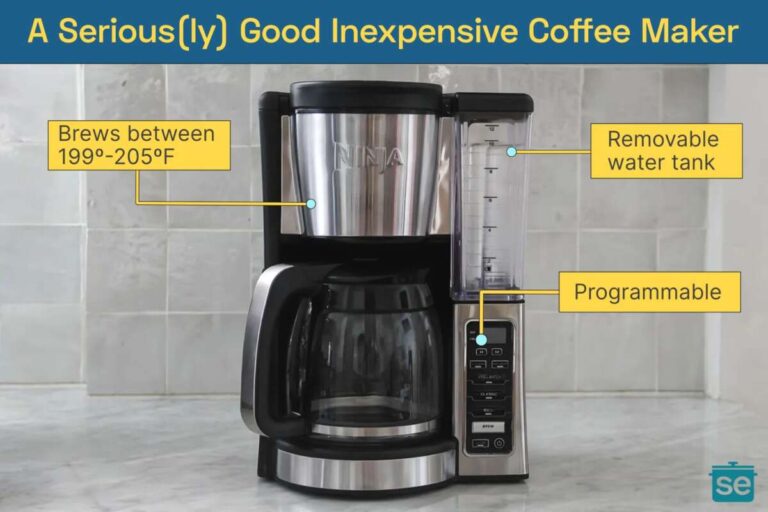
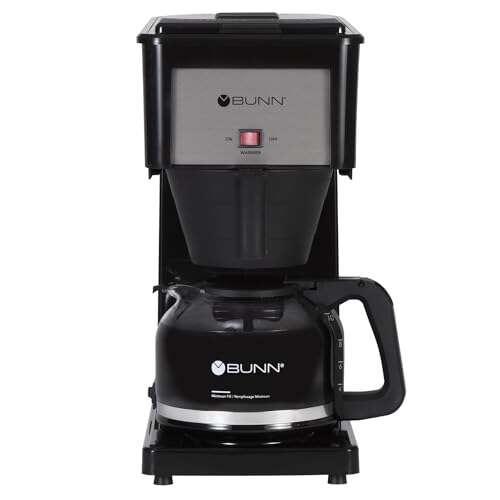
• Espresso machine, moka pot, or strong coffee maker
• Milk pitcher or heat-safe cup
• Steam wand, electric frother, or handheld whisk
• Coffee scale, if available
• Thermometer, if available
• Large mug
If you do not have a milk frother, use a French press, a jar with a secure lid, or a small whisk. These methods may not produce the same silky foam as a steam wand, but they can still make a satisfying homemade latte.

How to Make Coffee Latte at Home Step by Step
The best method for how to make coffee latte at home has four main parts: brew strong coffee, heat the milk, create fine foam, and combine everything carefully.
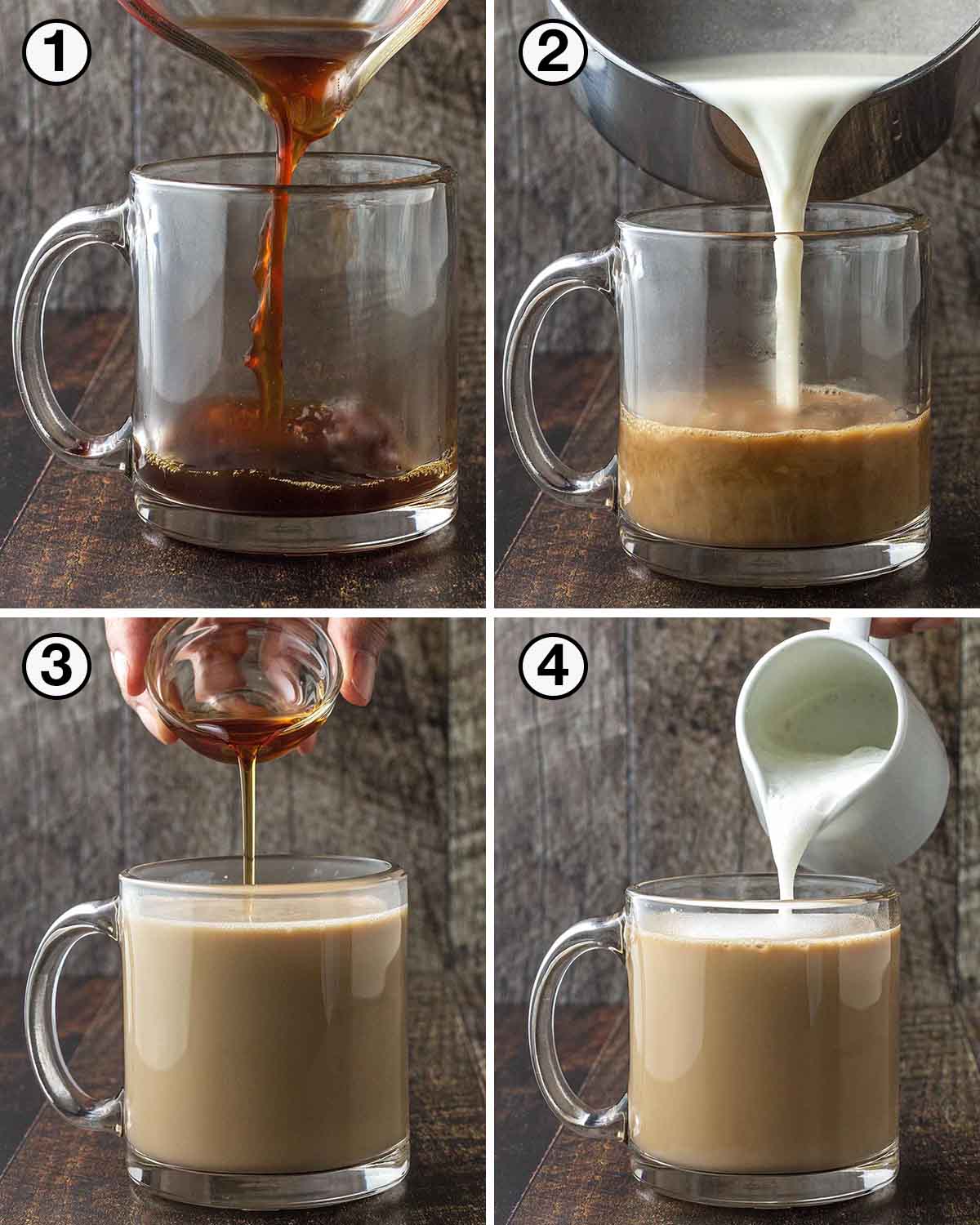
1. Brew the coffee
Use 18 to 20 grams of coffee for a double espresso if you have an espresso machine. A good espresso shot usually takes about 25 to 30 seconds to brew, although the ideal time depends on the coffee and machine.
If you do not have an espresso machine, try one of these options:
• Brew 4 to 6 ounces of very strong coffee
• Use a moka pot for concentrated coffee
• Make a small French press or pour-over brew with less water
• Use two shots of strong instant espresso
The coffee should be concentrated enough to stand up to milk. Weak coffee can disappear under the creamy texture of the latte.
2. Heat the milk
Pour 6 to 8 ounces of milk into a pitcher or saucepan. Heat it until it is hot and steamy, but do not let it boil. Milk that boils can taste flat and may develop a thin, unpleasant texture.
The ideal temperature is about 140 to 150°F. If you do not have a thermometer, stop heating when the milk feels hot but still comfortable enough to touch the outside of the container briefly.
3. Add air to the milk
Place the steam wand just under the surface of the milk. Turn on the steam and create a soft paper-tearing sound for a few seconds. Then lower the wand slightly and swirl the milk until it looks glossy.
For a jar method, pour warm milk into a jar no more than one-third full. Close the lid tightly and shake for 20 to 30 seconds. Open the jar, then microwave the milk for about 20 seconds to help stabilize the foam.
For a French press method, pour warm milk into the press. Move the plunger up and down several times until the milk becomes foamy. Do not overdo it, or the foam may become dry and bubbly.
4. Combine the coffee and milk
Pour the brewed espresso or strong coffee into a warm mug. Slowly add the hot milk. Hold back some foam with a spoon, then place the foam on top.
If you want to try simple latte art, pour the milk from a little higher at first. Move the pitcher closer to the surface as the cup fills. A gentle side-to-side motion can create a heart shape once your milk texture improves.
This simple process is the foundation of how to make coffee latte at home. With practice, you will learn to adjust the strength, milk amount, and foam texture to match your preference.

How to Make a Latte Without an Espresso Machine
Many people search for how to make coffee latte at home because they do not own an espresso machine. The good news is that you can make a delicious version with common kitchen tools.
Moka pot latte
A moka pot produces strong, concentrated coffee that works very well with milk.
- Fill the lower chamber with water up to the safety valve.
- Add finely ground coffee to the filter basket.
- Assemble the pot without pressing down the coffee.
- Heat it over medium heat.
- Remove it from the stove when the coffee stops flowing smoothly.
- Use the brewed coffee as the latte base.
A moka pot does not create true espresso pressure, so the result will not taste exactly like café espresso. Still, it offers a rich flavor and strong body.
Instant coffee latte
Instant espresso powder is the fastest option. Mix 1 to 2 teaspoons with 2 ounces of hot water. Stir well, then add steamed or frothed milk.
Choose a quality instant espresso product if possible. Regular instant coffee may work, but it can taste less rich when mixed with a large amount of milk.
Strong brewed coffee latte
Use a small amount of water and a generous amount of coffee in a drip machine, pour-over brewer, or French press. The goal is a concentrated cup, not a normal mug of coffee.
This method is useful for busy mornings. It is also a practical way to learn how to make coffee latte at home before investing in an espresso machine.
How to Steam Milk for a Smooth Latte
Milk texture can make or break a latte. The goal is microfoam, which is made of tiny bubbles that blend into the milk. Good microfoam looks shiny and wet, almost like fresh paint.
Keep these tips in mind:
• Start with cold milk from the refrigerator.
• Use a pitcher that is large enough for the milk to swirl.
• Add only a small amount of air at the start.
• Keep the milk moving in a smooth whirlpool.
• Stop before the milk becomes too hot.
• Tap the pitcher gently to remove large bubbles.
Large, dry bubbles usually mean too much air entered the milk. A latte should not look like shaving cream. It should pour smoothly and blend with the coffee.
Plant-based milk needs a little care. Barista-style oat milk often gives the best foam. Soy milk can also work well, but it may separate if overheated. Almond milk usually creates lighter foam and may need more gentle steaming.

How to Improve the Flavor of a Homemade Latte
Once you know how to make coffee latte at home, small changes can create a much better drink. Coffee flavor depends on the beans, roast level, grind size, water quality, and brewing method.
Use coffee within a few weeks of its roast date when possible. Store the beans in an airtight container away from heat, light, and moisture. Grind them just before brewing for a fresher taste.
Water also matters. Very hard water can make coffee taste dull or bitter. Filtered water often gives a cleaner result. Avoid distilled water because it may produce a flat brew and does not extract coffee in the same way.
Taste your latte before adding sugar. Many lattes taste naturally sweet when the milk is heated correctly. If you want more sweetness, add a small amount of:
• Maple syrup
• Honey
• Brown sugar
• Vanilla syrup
• Caramel sauce
• Cinnamon
Add flavorings to the coffee before pouring in the milk. This helps them mix evenly.

Common Mistakes to Avoid
Making a latte at home becomes easier when you know what usually goes wrong. Most problems come from weak coffee, overheated milk, or foam with large bubbles.
The coffee tastes weak
You may be using too much milk or coffee that is not concentrated enough. Brew a double espresso, reduce the milk, or use a stronger brewing ratio.
The milk tastes burnt
Milk that reaches a boil can taste cooked and unpleasant. Keep the temperature near 140 to 150°F and remove it from the heat as soon as it becomes hot and steamy.
The foam is too thick
Too much air creates a cappuccino-like topping instead of latte foam. Add air for only a few seconds, then focus on swirling the milk.
The latte tastes bitter
Bitter coffee may come from over-extraction, very dark roasting, or water that is too hot. Try a slightly coarser grind, a shorter brew time, or a medium roast.
The milk separates
Some plant-based milks separate when overheated or mixed with very acidic coffee. Use barista-style milk and avoid boiling it.
The drink cools too fast
Warm your mug with hot water before you begin. This small step helps keep the latte hot while you pour and drink it.
When I practice how to make coffee latte at home, the biggest lesson is to change only one variable at a time. If you change the coffee, milk, grind, and temperature together, you will not know which change helped.

How to Make Coffee Latte at Home More Like a Café
Cafés usually use fresh espresso, powerful steam wands, and skilled milk pouring. You can get closer to that result with a few habits.
Use a kitchen scale to measure coffee and water. Consistent measurements make it easier to repeat a good drink. A simple starting point is a 1:2 espresso ratio, such as 18 grams of ground coffee yielding 36 grams of espresso.
Clean your equipment often. Old coffee oils can make fresh coffee taste rancid. Rinse the steam wand immediately after use and wipe it with a clean damp cloth. Descale your espresso machine as directed by the manufacturer.
Practice milk pouring with water and a drop of dish soap if you want to learn latte art. This method creates a similar pouring texture without wasting milk or coffee. Start with simple shapes rather than trying to draw detailed designs.
The goal of how to make coffee latte at home is not to copy every café detail. It is to create a balanced drink that tastes good and fits your routine.

Health, Caffeine, and Serving Tips
A homemade latte can fit into many diets, but the caffeine and calorie content depend on your ingredients. Espresso has less liquid volume than drip coffee, yet a double shot can still contain a significant amount of caffeine.
Milk adds protein, carbohydrates, and calories. Plant-based milk varies widely, so check the nutrition label if that matters to you. Sweet syrups can add more sugar than expected, especially in large portions.
For most healthy adults, moderate caffeine intake is generally considered safe. However, people who are pregnant, sensitive to caffeine, or taking certain medicines may need to limit it. If you have a health concern, follow advice from a qualified health professional.
Serve the latte soon after making it. The flavor and foam are best while the coffee is fresh. Do not leave milk at room temperature for long periods, and refrigerate leftover milk promptly.
:max_bytes(150000):strip_icc()/96629-cafe-latte-ddmfs-hero-4x3-0288359d9c37485fa69afe5369dbcf2e.jpg)
Frequently Asked Questions About How to Make Coffee Latte at Home
Can I make a latte with regular coffee?
Yes. Brew the coffee with less water or use a moka pot to create a stronger base. It will not be true espresso, but it can still make a flavorful homemade latte.
What milk is best for a homemade latte?
Whole milk creates rich, smooth foam and is the easiest choice for beginners. Barista-style oat milk is a strong plant-based option because it steams well and has a creamy taste.
How hot should milk be for a latte?
Heat milk to about 140 to 150°F. Without a thermometer, stop when the milk is hot and steamy but not boiling.
How do I make latte foam without a frother?
Warm the milk, then shake it in a sealed jar or pump it with a French press. These methods create foam, although the bubbles may be larger than those made with a steam wand.
Why does my homemade latte taste watery?
The coffee may be too weak, or you may be using too much milk. Use a concentrated coffee base and start with less milk, then add more until the flavor feels balanced.
Can I make an iced latte at home?
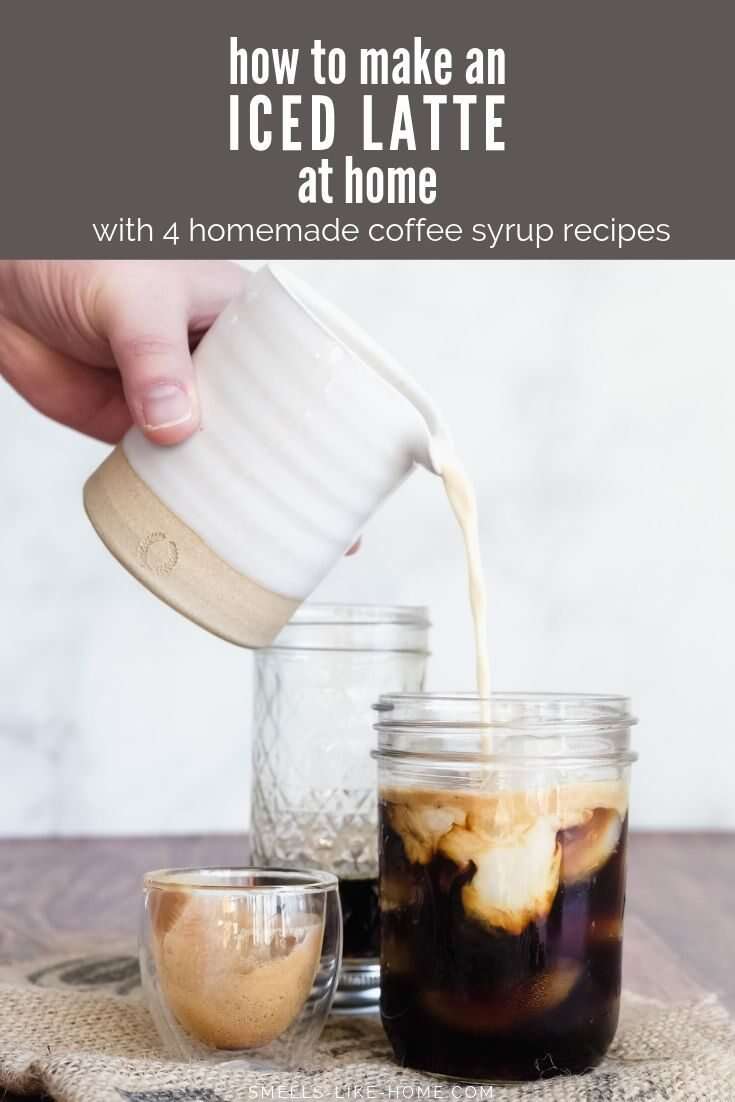
Yes. Brew espresso or strong coffee, let it cool slightly, and pour it over ice and cold milk. Add sweetener before the milk so it dissolves more easily.
Do I need expensive equipment to make a latte?
No. An espresso machine makes the process easier, but a moka pot, strong coffee maker, jar, or French press can produce a satisfying result. Good coffee and careful milk heating matter more than expensive equipment.
Conclusion
Learning how to make coffee latte at home is a simple way to enjoy a café-style drink without leaving your kitchen. Brew a concentrated coffee base, heat the milk gently, create fine foam, and combine the two while they are fresh.
Start with whole milk and a moka pot or strong coffee maker if you are new to the process. As your skills grow, test different coffee beans, plant-based milks, flavors, and pouring styles. Make your next latte today, then share your favorite method or recipe in the comments.

Liora Pennings is a seasoned chef and kitchen enthusiast with a passion for turning everyday cooking into an effortless experience. With years of hands-on culinary expertise, she specializes in practical techniques, ingredient know-how, and smart kitchen solutions that help home cooks elevate their meals. At KitchFlair.com, Liora shares her best tips, time-saving tricks, and honest product reviews to guide readers toward a more efficient, enjoyable, and inspired cooking routine. Whether you’re a beginner or a seasoned home chef, Liora’s friendly, knowledge-packed insights make every visit to the kitchen a little easier—and a lot more delicious.