How To Make Great Coffee: Easy Tips For Better Brews
Use fresh beans, clean water, the right grind, and careful brewing to make great coffee at home.
Learning how to make great coffee is less about buying expensive gear and more about controlling a few key details. Coffee quality depends on the beans, water, grind size, temperature, brew time, and method you choose. Once you understand how these parts work together, you can make a smooth, rich cup that tastes balanced every morning.
Choose Fresh, High-Quality Coffee Beans
The best way to make great coffee starts with fresh beans. Coffee loses flavor after roasting because oxygen, heat, light, and moisture slowly break down its aromatic compounds. Fresh coffee should smell sweet, lively, and clear rather than flat or dusty.
Look for a roast date on the package. Beans often taste best between about one and four weeks after roasting, although the ideal window varies by roast level and storage. A roast date is more useful than a vague “best by” date because it tells you when the coffee was made.
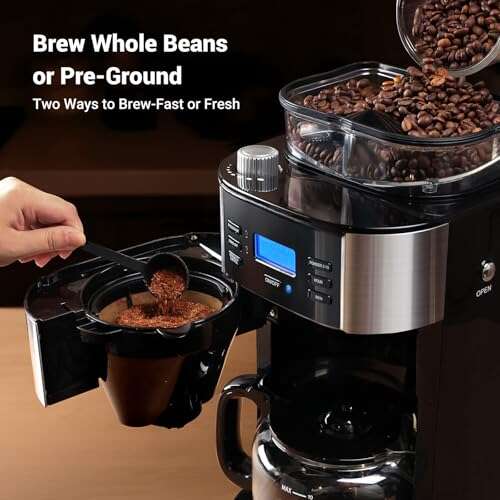
Whole beans are usually better than pre-ground coffee. Grinding exposes more surface area to air, which speeds up flavor loss. If possible, buy whole beans and grind only what you need for each brew.
Consider these factors when choosing beans:
• Origin: Coffee from Ethiopia may taste floral and fruit-like, while coffee from Brazil often has nutty, chocolate, or caramel notes.
• Roast level: Light roasts show more acidity and origin character. Medium roasts often taste balanced. Dark roasts bring deeper, smoky, and bittersweet flavors.
• Processing method: Washed coffees can taste clean and bright. Natural coffees may have stronger fruit notes and more body.
• Coffee variety: Arabica beans usually offer more complex flavor than most robusta beans, though both can be useful in different blends.
Store coffee in an airtight, opaque container at room temperature. Avoid the refrigerator, where moisture and food odors can damage the beans. Buy smaller amounts if you cannot use a large bag within a few weeks.
One mistake I made early on was keeping an open bag beside the stove. The heat slowly weakened the aroma, and the coffee tasted dull even though the beans were fairly fresh. A cool cabinet made a bigger difference than I expected.

Use the Right Coffee-to-Water Ratio
A reliable ratio gives you a repeatable starting point. For most brewing methods, use about 1 gram of coffee for every 15 to 17 grams of water. In kitchen terms, that is close to 2 level tablespoons of ground coffee for every 6 fluid ounces of water, though a scale is more accurate.
The Specialty Coffee Association commonly uses a brewing ratio near 55 grams of coffee per liter of water as a reference point. This does not mean every cup must follow one exact number. Your taste, coffee type, and brewing method all matter.
Start with this simple guide:
• Drip coffee maker: 60 grams of coffee per 1 liter of water
• Pour-over coffee: 20 grams of coffee per 320 grams of water
• French press: 30 grams of coffee per 500 grams of water
• AeroPress: 15 to 18 grams of coffee for a concentrated cup
• Cold brew: About 1 part coffee to 8 parts water for a ready-to-drink batch
A coffee scale helps you measure both coffee and water. Measuring by volume can be inconsistent because beans have different sizes and densities. Two scoops may contain noticeably different weights.
If your coffee tastes weak, use a little more coffee or less water. If it tastes too strong, do the opposite. Change one variable at a time so you know what caused the difference.
Making great coffee is much like tuning a musical instrument. Small changes can shift the whole result, but random changes make it hard to find the right balance.

Grind Coffee for Your Brewing Method
Grind size controls how quickly water extracts flavor from coffee. Fine grounds expose more surface area and extract faster. Coarse grounds slow extraction and allow water to move more freely.
Use these grind settings as a starting point:
• Espresso: Very fine, similar to table salt or powdered sugar
• Pour-over: Medium-fine, similar to fine sand
• Automatic drip: Medium, similar to regular sand
• AeroPress: Medium-fine to medium
• French press: Coarse, similar to coarse sea salt
• Cold brew: Coarse
A burr grinder is usually the best choice because it produces particles of a more even size. Blade grinders chop coffee unevenly, creating both dust and large chunks. The dust can taste bitter while the larger pieces remain sour and weak.
If the coffee tastes sour, sharp, or thin, the grind may be too coarse, the water may be too cool, or the brew time may be too short. If it tastes bitter, dry, or harsh, the grind may be too fine, the water may be too hot, or the coffee may have brewed too long.
Try not to adjust every setting at once. For example, if your pour-over tastes bitter, keep the ratio steady and grind slightly coarser. Taste the result before making another change.
In my experience, the grinder often matters more than the brewer. A simple pour-over cone with a good burr grinder can produce a better cup than an expensive machine paired with stale, unevenly ground coffee.
Pay Attention to Water Quality and Temperature
Coffee is mostly water, so water quality has a major effect on flavor. Tap water with a strong chlorine smell or high mineral content can make coffee taste harsh, flat, or metallic. Filtered water is often a simple improvement.
Use clean, fresh water each time. Water that has been sitting in a reservoir for days can absorb odors and taste stale. Clean the reservoir and brewing parts often to prevent mineral buildup and old coffee oils.
The ideal brewing temperature is generally between 195°F and 205°F. Water below this range may under-extract the coffee. Water that is much hotter can pull out harsh flavors, especially when the coffee is already finely ground or dark roasted.
You do not need a special thermometer for every brew. Bring water to a boil, then let it rest for about 30 seconds before pouring. This is only an estimate, since kettles and room temperatures vary.
Avoid using distilled water by itself. It has very few minerals, and coffee may taste thin or dull when brewed with it. Extremely hard water can also cause scale and uneven brewing. A basic carbon filter often offers a useful middle ground.
Water chemistry is one reason the same coffee can taste different in two kitchens. The beans may be identical, but the mineral content can change how flavors are extracted.

Pick a Brewing Method That Fits Your Taste
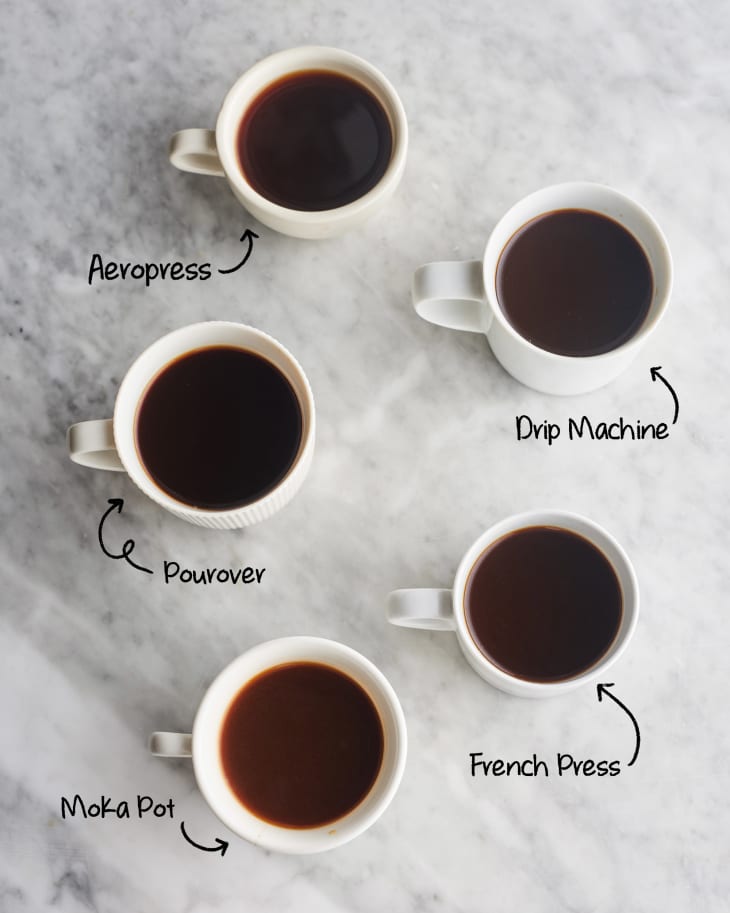
There is no single best way to make great coffee. The best coffee brewing method is the one that matches your taste, time, and routine.
Automatic Drip Coffee
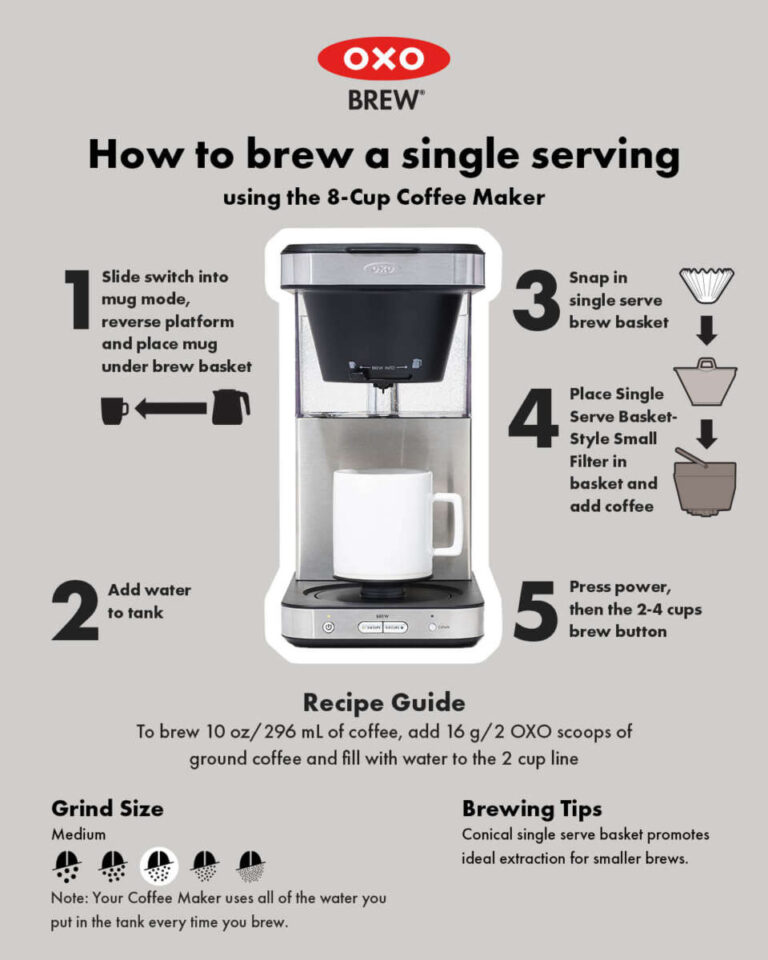
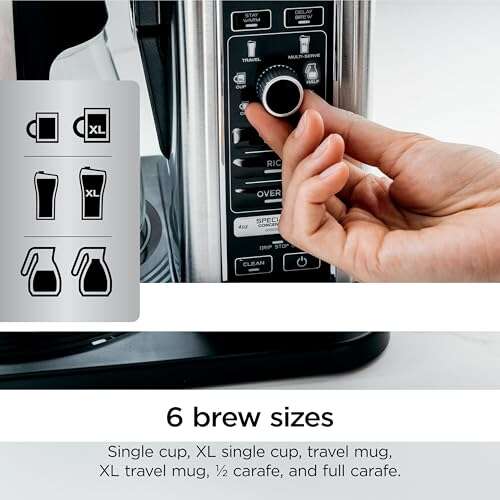
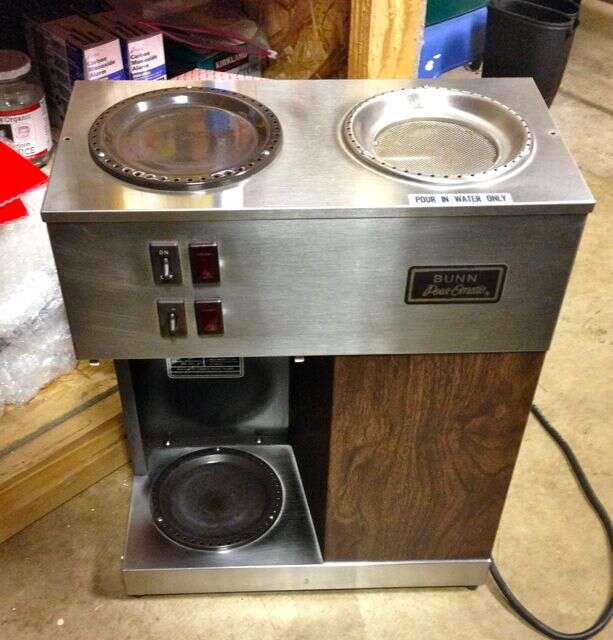
An automatic drip machine is convenient and consistent when it uses fresh water, reaches a suitable temperature, and spreads water evenly over the grounds. Use a medium grind and a measured coffee-to-water ratio.
Clean the machine regularly. Old oils and mineral scale can affect flavor and temperature. Follow the maker’s cleaning instructions, and rinse the basket and carafe after each use.
Pour-Over Coffee
Pour-over brewing gives you strong control over time, water flow, and extraction. Add a paper filter, rinse it with hot water, add medium-fine coffee, and pour slowly in stages.
Begin with a small amount of water to wet all the grounds. Wait about 30 to 45 seconds for the coffee to release trapped gas, then continue pouring in slow circles. Keep the water level steady instead of flooding the filter.
French Press Coffee
French press coffee has a full body because the metal filter allows more oils and fine particles into the cup. Use coarse grounds, hot water, and a brew time of about four minutes.
Stir gently after adding water. When the time is up, press the plunger slowly. Pour the coffee into a separate cup or carafe so it does not continue brewing over the grounds.
AeroPress Coffee
An AeroPress makes a clean and flexible cup in a short time. You can adjust the grind, water amount, steep time, and pressure to create either a bright coffee or a concentrated base for milk drinks.
Use gentle pressure. Pressing too hard can force water through the grounds unevenly and may create a bitter taste.
Espresso
Espresso requires finely ground coffee, a capable machine, and careful adjustment. A common starting point is 18 grams of coffee producing about 36 grams of espresso in 25 to 35 seconds.
Small changes matter. If the shot runs too quickly, grind finer. If it runs too slowly, grind coarser. Espresso is less forgiving than drip coffee, but the same core ideas still apply: fresh beans, good water, an even grind, and controlled extraction.
Follow a Simple Recipe for Great Coffee
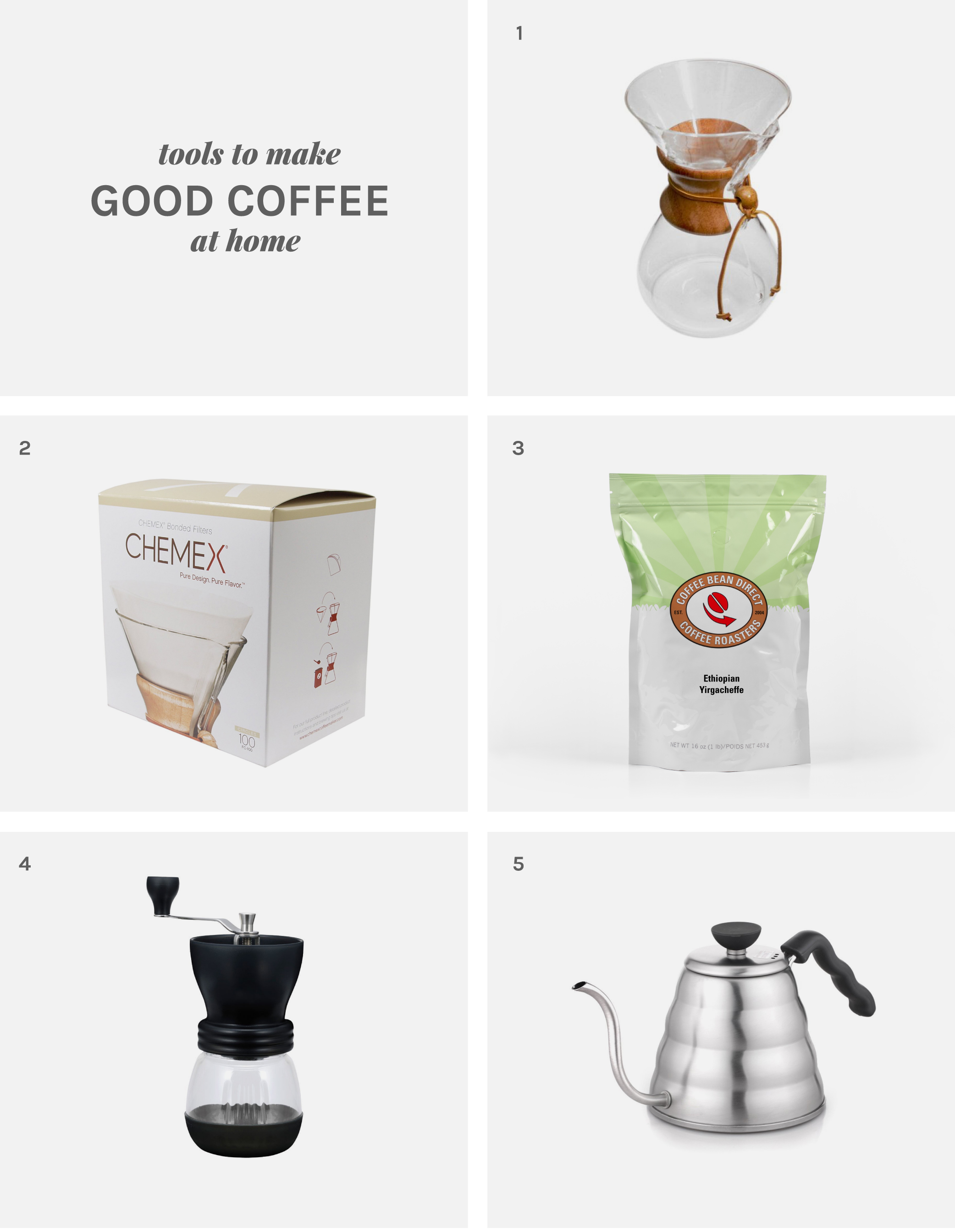
A clear process makes how to make great coffee easier to repeat. Here is a practical pour-over recipe for one cup.
-
Heat about 350 grams of fresh, filtered water to roughly 200°F.
-
Weigh 22 grams of fresh whole-bean coffee.
-
Grind the beans to a medium-fine setting.
-
Place a paper filter in the brewer and rinse it with hot water.
-
Add the coffee grounds and gently shake the brewer to level the bed.
-
Pour about 45 grams of water over the grounds and wait 30 to 45 seconds.
-
Slowly add the remaining water in small circles.
-
Aim for a total brew time of about three to four minutes.
-
Swirl the finished coffee gently before serving.
-
Taste it after it cools for a minute or two.
Do not judge coffee only when it is extremely hot. Heat can hide sweetness and make acidity seem sharper. As coffee cools, its flavor becomes easier to identify.
Keep a small brew log if you are trying to improve. Write down the coffee, grind setting, water amount, coffee amount, brew time, and taste. You do not need a notebook full of technical details. A few short notes can reveal patterns.
For example, you may learn that a certain light roast tastes best with a finer grind and longer brew time. You may also discover that your dark roast tastes smoother with slightly cooler water.

Learn to Taste and Fix Common Problems
Great coffee is balanced. It should not taste only bitter, sour, weak, or harsh. Look for sweetness, pleasant acidity, body, aroma, and a clean finish.
Use this troubleshooting guide:
• Sour or sharp coffee: The coffee may be under-extracted. Try a finer grind, hotter water, a longer brew time, or a little more agitation.
• Bitter or dry coffee: The coffee may be over-extracted. Try a coarser grind, cooler water, a shorter brew time, or less agitation.
• Weak coffee: Increase the coffee dose or reduce the water amount. Also check whether the grind is too coarse.
• Strong but unpleasant coffee: Strength and extraction are different. You may need a coarser grind rather than simply using less coffee.
• Flat coffee: The beans may be stale, the water may be poor, or the coffee may have been held on a hot plate too long.
• Uneven flavor: The grounds may not be evenly wet. Level the coffee bed and pour more slowly.
• Burnt flavor: The roast may be very dark, or the coffee may have stayed on a hot warming plate. Transfer brewed coffee to a thermal carafe.
Taste with a clean palate when possible. Strong food, toothpaste, and sweet drinks can affect your judgment. It also helps to taste coffee after it cools slightly.
One useful lesson is that “strong” does not always mean “good.” A concentrated cup can still be balanced, while a weak cup can be bitter if the grounds were over-extracted.
Keep Your Coffee Equipment Clean
Clean equipment is one of the easiest ways to improve coffee. Coffee oils become rancid over time and can leave a stale taste in the next brew.
After each use, rinse the carafe, filter basket, French press, and other removable parts. Let them dry fully before storing them. Wash reusable filters often because they can hold old oils.
Descale coffee makers when mineral deposits build up. The correct schedule depends on your water hardness and how often you brew. A machine that sounds louder, brews more slowly, or shows white scale may need attention.
Clean your grinder carefully:
• Brush away loose grounds from the burrs and chute.
• Follow the manufacturer’s instructions for removing parts.
• Avoid adding water to electrical components.
• Do not use oily beans often in grinders that are hard to clean.
Do not rely on flavored cleaning products or strong scents near your coffee gear. Coffee can absorb odors, especially when stored in an open container.
A clean brewer gives you a clearer view of the coffee itself. Without old residue in the background, you can tell whether a problem comes from the beans, water, grind, or recipe.

Avoid Common Coffee-Making Mistakes
Many people search for how to make great coffee after trying the same routine for years. A few small mistakes may be holding back the flavor.
• Using old pre-ground coffee: Ground coffee fades quickly because of its large exposed surface area.
• Guessing the measurements: Scoops and cups are less consistent than a digital scale.
• Using boiling water directly: Very hot water can produce harsh flavors, especially with dark roasts.
• Ignoring the grind: A good recipe cannot fix a grind that does not match the brewer.
• Leaving coffee on a hot plate: Heat continues to change the flavor and can create a burnt taste.
• Overfilling the filter: Too much coffee can slow the flow and cause uneven extraction.
• Pressing French press coffee too hard: Gentle pressure is enough and creates less disturbance.
• Changing too many variables: You may improve or worsen the cup without knowing why.
• Storing beans in the freezer without protection: Repeated temperature changes and moisture can damage flavor. Freezing can work for long-term storage only when beans are sealed well and kept from condensation.
• Adding sugar to hide bad coffee: Sweeteners can help fit personal taste, but they should not be the only solution for stale or poorly brewed coffee.
The goal is not perfection. Coffee is a daily pleasure, and a practical method that you can repeat is more valuable than a complicated process you dislike.
Frequently Asked Questions About How to Make Great Coffee
What is the best coffee-to-water ratio?
A useful starting point is 1 gram of coffee for every 15 to 17 grams of water. Begin near 60 grams of coffee per liter, then adjust the ratio to suit your taste.
What grind size makes the best coffee?
The correct grind depends on the brewing method. Use coarse grounds for French press, medium grounds for drip coffee, medium-fine grounds for pour-over, and very fine grounds for espresso.
How hot should water be for coffee?
Water between 195°F and 205°F works well for most coffee brewing methods. If you do not have a thermometer, let boiling water rest for about 30 seconds before brewing.
Is filtered water better for coffee?
Filtered water often improves coffee when tap water has strong odors, chlorine, or high mineral content. Use fresh water with moderate mineral content rather than distilled water alone.
How long do coffee beans stay fresh?
Coffee beans usually taste best within a few weeks of roasting when stored in an airtight container away from heat and light. They may remain safe to drink longer, but their aroma and flavor will gradually fade.
Why does my coffee taste bitter?
Bitter coffee may result from over-extraction, too fine a grind, water that is too hot, or a brew time that is too long. Try a slightly coarser grind or a shorter brew time.
Can I make great coffee without expensive equipment?
Yes. Fresh beans, a basic burr grinder, clean water, and a simple brewer can make excellent coffee. Technique and consistency usually matter more than a high price tag.
Conclusion
Learning how to make great coffee comes down to a few repeatable habits: choose fresh beans, grind them correctly, measure your coffee and water, use clean water at the right temperature, and keep your equipment clean. Then taste the result and make one small change at a time.
Start with the method you already own. Improve your beans, add a simple scale, and pay attention to grind size before buying more gear. Try these steps tomorrow morning, explore different beans and brewing methods, and share your favorite coffee tips in the comments.

Liora Pennings is a seasoned chef and kitchen enthusiast with a passion for turning everyday cooking into an effortless experience. With years of hands-on culinary expertise, she specializes in practical techniques, ingredient know-how, and smart kitchen solutions that help home cooks elevate their meals. At KitchFlair.com, Liora shares her best tips, time-saving tricks, and honest product reviews to guide readers toward a more efficient, enjoyable, and inspired cooking routine. Whether you’re a beginner or a seasoned home chef, Liora’s friendly, knowledge-packed insights make every visit to the kitchen a little easier—and a lot more delicious.