How To Make Black Coffee: Simple Steps For Perfect Brew
Use fresh beans, the right grind, hot water, and a one-to-fifteen coffee-to-water ratio.
I’ve brewed black coffee for years in cafes and at home, and I’ll walk you through simple steps that turn good beans into a clean, flavorful cup. This guide on how to make black coffee covers gear, bean choice, exact ratios, multiple methods, troubleshooting, and tips from real experience so you can brew confidently every time.
Why choose black coffee
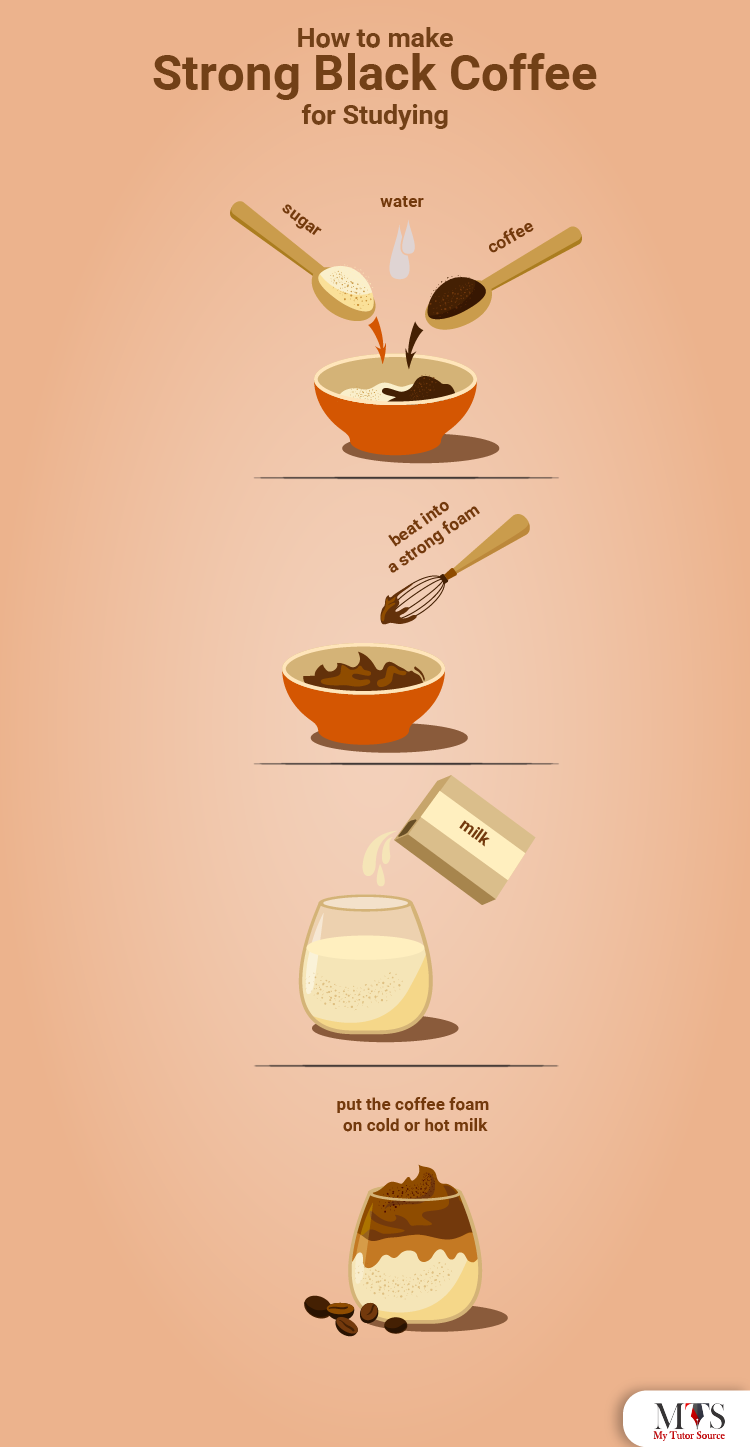
Black coffee highlights the bean. It shows roast, acidity, and body without milk or sugar. If you want to taste origin notes, a clean black cup is the best way to learn what your beans can do.
Black coffee also keeps calories low and delivers a direct caffeine boost. Brewing it well requires attention to grind, water, and time. Knowing how to make black coffee helps you control flavor and consistency.
What you need to make black coffee
- Fresh whole-bean coffee — roasted within 2–4 weeks for best flavor.
- Burr grinder — for consistent grind size.
- Kettle or hot water source — ideally with temperature control.
- Scale and timer — to follow precise ratios and brew times.
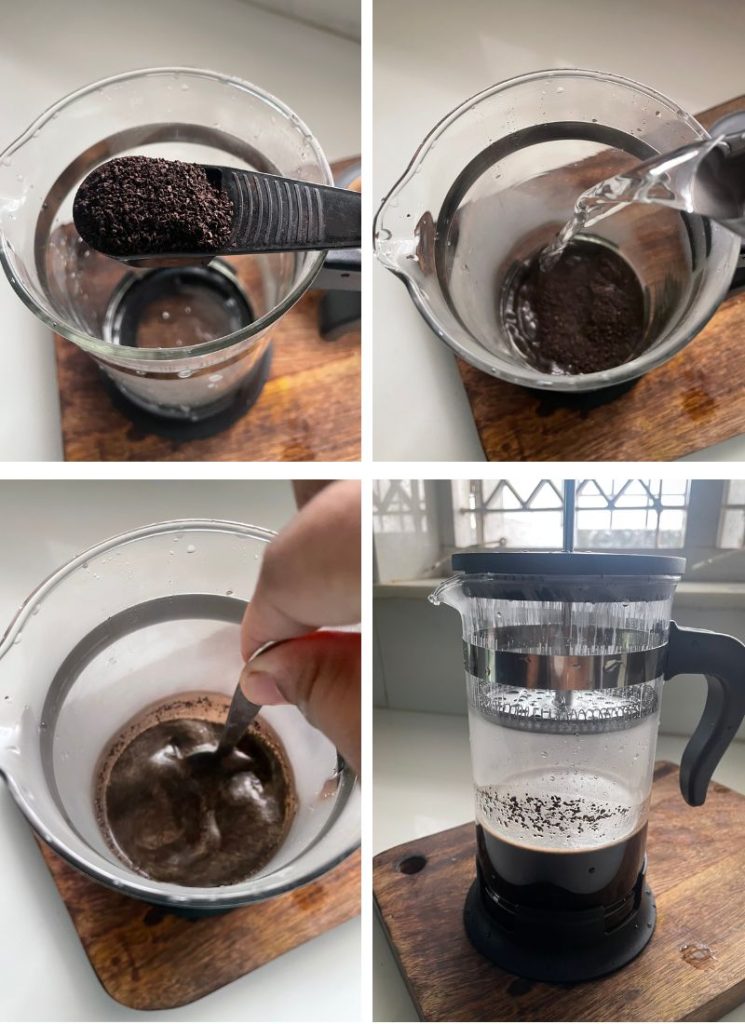
- Brewing device — French press, pour-over, drip machine, AeroPress, or Moka pot.
With these basics you can make great black coffee at home. Start with simple tools and upgrade as your taste grows.

Choosing beans and grind for black coffee
Pick medium to light roasts to highlight origin flavors. Dark roasts give bitter or smoky notes that can mask nuance. For clarity, choose single-origin or a clean blend.
Grind size depends on method. How you grind affects extraction and taste. Use a burr grinder and adjust in small steps until the cup tastes balanced.
What grind size makes the best black coffee?
Coarse grind for French press, medium for drip, and fine for espresso or Moka pot. If coffee tastes sour, grind finer; if it tastes bitter, grind coarser.

Water quality and temperature
Use filtered water. Coffee is mostly water, so water quality matters. Avoid overly hard or chlorinated water.
Aim for 195–205°F (90–96°C) for most methods. Boiling water cools slightly before pouring. Proper temperature helps extract sugars and acids for a balanced cup.

Ratios and extraction basics
A good starting ratio for how to make black coffee is 1:15 by weight (one part coffee to fifteen parts water). That means 20 grams of coffee to 300 grams of water. Adjust between 1:14 and 1:17 to taste.
Extraction time and grind size work together. Short brew times favor finer grinds; long brew times need coarser grinds. Aim for a balanced cup—neither sour (under-extracted) nor harsh (over-extracted).
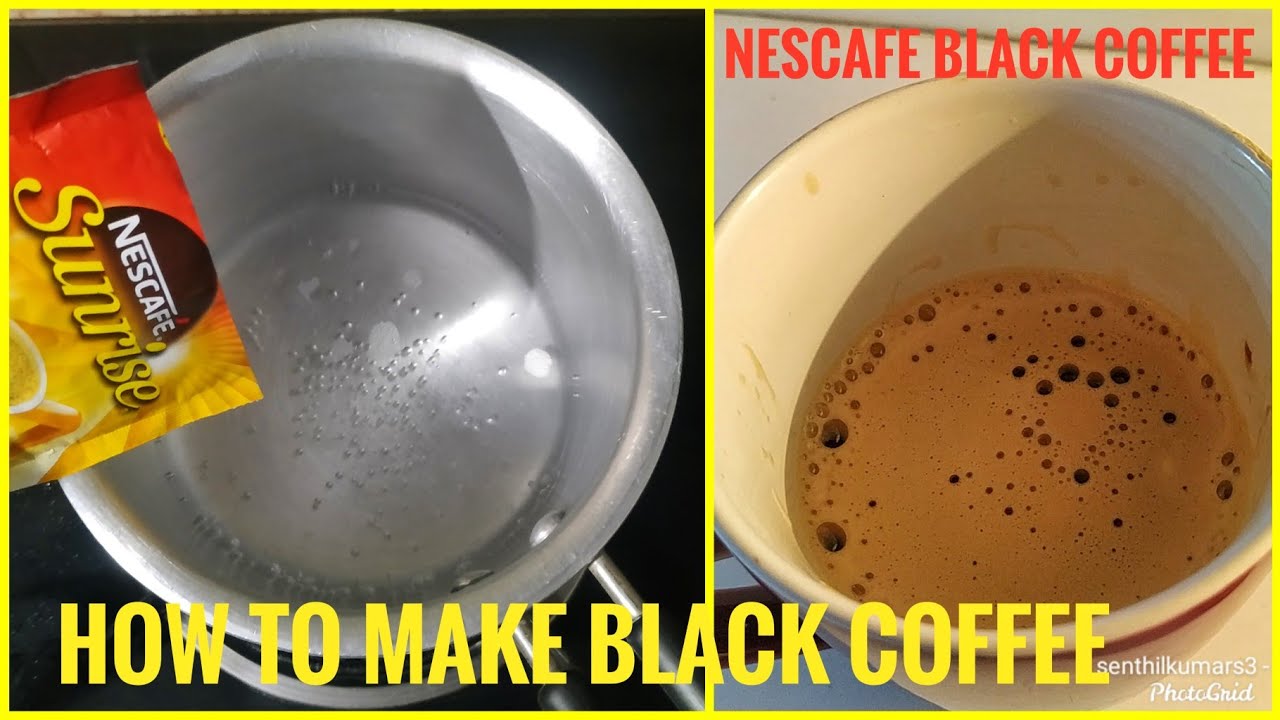
Step-by-step: Basic black coffee (simple pour-over method)
- Boil water and let cool to about 200°F (93°C).
- Weigh 20 g coffee and grind to medium-fine.
- Place filter in dripper and rinse with hot water.
- Add coffee to dripper and zero the scale.
- Start timer and pour 40 g water to bloom for 30 seconds.
- Slowly pour remaining 260 g water in steady circles until you reach 300 g. Total brew time: 2.5–3.5 minutes.
Follow this routine to learn how to make black coffee with repeatable results. Once you’ve dialed it in, tweak ratio and grind to match your taste.

Brewing methods compared
- French press — Coarse grind, steep 4 minutes, full body, more oils and sediment.
- Pour-over (V60, Chemex) — Medium grind, cleaner cup, control over extraction.
- Drip machine — Medium grind, convenient, consistent with good machines.
- AeroPress — Versatile, short brew time, bright cup; try inverted method for fuller body.
- Moka pot — Fine grind, strong and intense, sits between brewed coffee and espresso.
Choose a method that fits your routine. Each method is a way to make black coffee that emphasizes different aspects of flavor.

Troubleshooting common problems
- Sour or weak coffee — Increase dose, grind finer, or brew longer.
- Bitter or hollow coffee — Use coarser grind, lower water temperature, or shorten brew time.
- Flat flavor — Try fresher beans, cleaner equipment, or better water.
- Too much sediment — Use a coarser grind or a finer filter depending on method.
These fixes come from testing many brews. I learned to tweak one variable at a time until the cup improved.
My experience, mistakes, and practical tips
I once brewed beans straight from the freezer without resting them. The cup was dull. Let beans rest after grinding for 30–60 seconds to degas slightly; this improves bloom and extraction.
Don’t rely only on scoops. A scale removes guesswork. I switched to scales after inconsistent cups and never looked back. Also, clean gear regularly—old oils make coffee taste stale.
Health notes and limitations
Black coffee is low in calories and rich in antioxidants. Moderate intake can improve focus and performance. However, excess caffeine can cause jitters, sleep issues, or stomach upset for some people.
If you have health concerns, consult a provider about caffeine and any conditions that might be affected by coffee consumption.
Frequently Asked Questions of how to make black coffee
How long should I brew black coffee?
Brew time depends on method. Pour-over often takes 2.5–4 minutes, French press about 4 minutes, and AeroPress 1–2 minutes depending on technique.
Can I use pre-ground coffee to make black coffee?
Yes, but fresh ground beans taste better. Pre-ground coffee loses aroma and freshness within hours, so grind just before brewing when possible.
What is the best coffee-to-water ratio for black coffee?
Start with 1:15 by weight (for example 20 g coffee to 300 g water). Adjust between 1:14 and 1:17 based on taste preference.
Does water temperature matter when making black coffee?
Yes. Aim for 195–205°F (90–96°C). Too hot can over-extract and taste bitter; too cool can under-extract and taste sour.
How do I store beans for making black coffee?
Store whole beans in an airtight container at room temperature, away from light, heat, and moisture. Buy in small amounts to use within a few weeks of roast.
Is dark roast better for black coffee?
Dark roasts give bolder, roasty flavors but mask origin notes. For tasting clarity, many prefer medium or light roasts when learning how to make black coffee.
How can I reduce bitterness in my black coffee?
Try a coarser grind, slightly lower water temperature, or shorter brew time. Also ensure your beans are not over-roasted or stale.
Conclusion
You can make excellent black coffee by focusing on fresh beans, the right grind, clean water, accurate ratios, and consistent technique. Start simple with one method, practice a few brews, and adjust one variable at a time until you like the cup. Try the recipes and tips here, leave a comment about your favorite method, or subscribe to get more brewing guides and recipes for how to make black coffee.
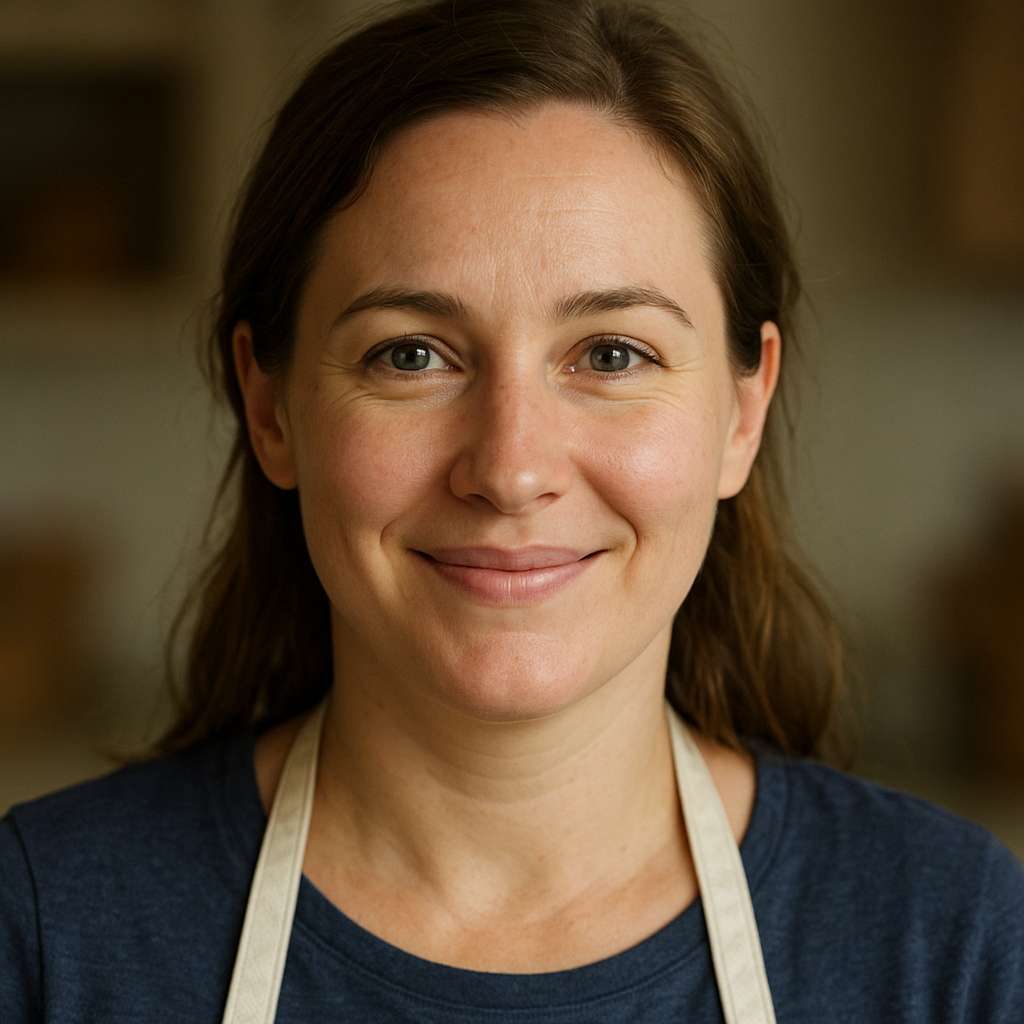
Liora Pennings is a seasoned chef and kitchen enthusiast with a passion for turning everyday cooking into an effortless experience. With years of hands-on culinary expertise, she specializes in practical techniques, ingredient know-how, and smart kitchen solutions that help home cooks elevate their meals. At KitchFlair.com, Liora shares her best tips, time-saving tricks, and honest product reviews to guide readers toward a more efficient, enjoyable, and inspired cooking routine. Whether you’re a beginner or a seasoned home chef, Liora’s friendly, knowledge-packed insights make every visit to the kitchen a little easier—and a lot more delicious.