How To Clean Vacuum Hose To Remove Blockages: Fast Fix
Use a flexible brush, water flush, and compressed air to clear stubborn hose blockages fast.
I’ve cleaned hundreds of hoses in workshops and homes, so I know what really works. This guide on how to clean vacuum cleaner hose to remove stubborn blockages covers tools, step-by-step methods, safety tips, and real-world fixes you can trust.
Why hoses clog and why fixing them matters
Hoses clog because hair, lint, dust bunnies, and long debris gather inside and pack tight. Low suction, overheating motors, and bad airflow follow if you ignore a clog. Knowing how to clean vacuum cleaner hose to remove stubborn blockages saves money and extends vacuum life.

Tools and materials you’ll need
- Flexible bottle brush or dedicated vacuum hose brush for scrubbing the inside.
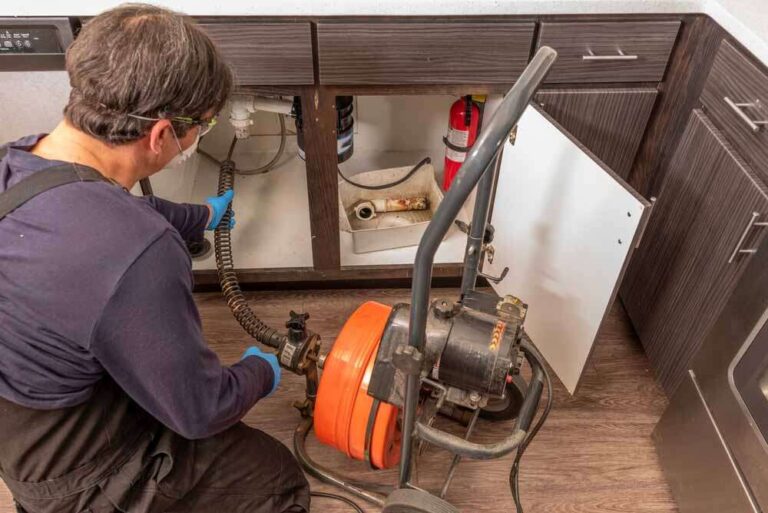
- A length of sturdy wire coat hanger or drain snake for pushing or pulling clumps.
- A garden hose or sink with a spray nozzle for flushing out debris.
- Compressed air can or an air compressor set to low pressure for blowing debris free.
- Bucket, gloves, old towels, and a flashlight to inspect the hose interior.
Quick safety checks before you start
- Unplug the vacuum or remove the battery. This prevents accidental motor start.
- Check the manufacturer’s manual for hose removal instructions and warranty limits.
- Work in a well-lit area with towels under the hose to catch dirt.
These small checks make the process safer and more effective when learning how to clean vacuum cleaner hose to remove stubborn blockages.

Step-by-step: basic cleaning method
- Remove the hose from the vacuum following the manual. Keep end caps handy.
- Shake loose debris out by holding one end and slapping the hose gently against a hard surface.
- Insert the flexible brush and scrub while moving it back and forth. Work from both ends if possible.
- Flush with water from a sink or garden hose, letting the water flow until it runs clear.
- Let the hose air dry fully before reconnecting to avoid mold or motor damage.
This basic routine handles most cases of how to clean vacuum cleaner hose to remove stubborn blockages.
Techniques for stubborn blockages that won't budge
- Use a coat hanger or drain snake to hook and pull out compacted debris. Feed it slowly and turn gently.
- Apply compressed air from the clean end to push clogs toward the open end, or use low-pressure reverse airflow if the vacuum supports it.
- For greasy or sticky buildup, mix a mild dish soap solution and let it soak inside the hose for 10–15 minutes before scrubbing.
- If the clog is near the end or inside a rigid attachment, disassemble that piece if possible and clean it separately.
When you need to know how to clean vacuum cleaner hose to remove stubborn blockages, these tougher methods usually do the trick.
Deep cleaning and managing odors
- Combine warm water and a cup of white vinegar for a rinse that breaks down residue and reduces smell.
- For strong odors, add baking soda to the inside, shake the hose, then vacuum the baking soda out once dry.
- Inspect for mold or persistent odors; replace the hose if mold remains after repeated cleanings.
I once revived an old shop vacuum hose with a vinegar soak and compressed air; the odor dropped by 90% after the first treatment. Knowing how to clean vacuum cleaner hose to remove stubborn blockages includes tackling smells early.

Preventive maintenance to avoid future clogs
- Empty the vacuum canister or bag often. Full bags increase clog risk.
- Use pre-filters or attachment screens for long hair and large debris.
- Run a quick brush or rope through the hose monthly to keep debris from packing tight.
- Store the hose loosely coiled to avoid kinks that trap dirt.
These habits reduce how often you need to learn how to clean vacuum cleaner hose to remove stubborn blockages.

Troubleshooting common problems and tips from experience
- If suction is still weak after cleaning the hose, inspect the motor housing and filters next.
- Avoid running water into the motor; always detach the hose completely.
- Replace brittle or torn hoses; patching is a short-term fix and may reduce suction.
- When in doubt, test on low settings and take photos while disassembling to aid reassembly.
From years of cleaning, I’ve learned that gentle persistence and the right tools beat brute force nearly every time when dealing with how to clean vacuum cleaner hose to remove stubborn blockages.
People Also Ask — quick helpful clarifications
-
How fast will my suction return after cleaning a clogged hose?
Suction often returns immediately after removing the clog, though motor strain may take a short cooldown. If not, check filters and the vacuum head next. -
Can I use bleach to clean a vacuum hose?
Bleach can damage some hose materials and leave fumes; stick to vinegar and mild detergent instead for safer results. -
Is it safe to use an air compressor on a vacuum hose?
Yes, if you keep pressure low and avoid forcing debris into the motor. Aim the air away from the vacuum and work from the clean toward the dirty end. -
Will hair always clog a vacuum hose?
Hair collects easily, but frequent maintenance and hair traps on tools reduce the chance of a deep blockage. -
How often should I check my vacuum hose for blockages?
Monthly checks work for most homes; check more often if you clean pet hair or heavy debris regularly.
Frequently Asked Questions of how to clean vacuum cleaner hose to remove stubborn blockages
What tools are best for removing a deep clog?
A flexible bottle brush, a drain snake, and compressed air are the most effective tools. Use low force and work from both ends for best results.
Can I use water inside any vacuum hose?
Only on hoses that are fully detachable and rated for water exposure. Never let water reach the motor or electronics.
How long does a hose need to dry after washing?
Allow at least 24 hours in a warm, ventilated spot. Ensure it is completely dry before reconnecting to prevent mold or motor damage.
When should I replace the vacuum hose instead of cleaning it?
Replace if the hose is cracked, brittle, or has persistent mold or odor after cleaning. Replacement is cheaper than repeated motor repairs.
Will cleaning the hose fix low suction every time?
Not always. Cleaning helps when the hose is the cause, but you should also check filters, seals, and the vacuum head for other issues.
Conclusion
You now have clear, tested steps for how to clean vacuum cleaner hose to remove stubborn blockages, plus tools, safety checks, and prevention tips. Start with gentle methods, move to deeper techniques as needed, and keep a simple maintenance routine to avoid repeat clogs. Try these steps on your next cleaning session, share what worked for you, or subscribe for more hands-on home-care guides.

Liora Pennings is a seasoned chef and kitchen enthusiast with a passion for turning everyday cooking into an effortless experience. With years of hands-on culinary expertise, she specializes in practical techniques, ingredient know-how, and smart kitchen solutions that help home cooks elevate their meals. At KitchFlair.com, Liora shares her best tips, time-saving tricks, and honest product reviews to guide readers toward a more efficient, enjoyable, and inspired cooking routine. Whether you’re a beginner or a seasoned home chef, Liora’s friendly, knowledge-packed insights make every visit to the kitchen a little easier—and a lot more delicious.