How To Improve Coffee Aroma During Brewing Process: Tips
Use fresh beans, correct grind, and right water temp to unlock stronger coffee aroma.
I have brewed thousands of cups and trained my nose to pick subtle notes. This guide explains how to improve coffee aroma during brewing process with clear, practical steps. You will learn why aroma fades, what to change, and how small tweaks lead to big scent gains. Read on to smell better coffee at home or work.
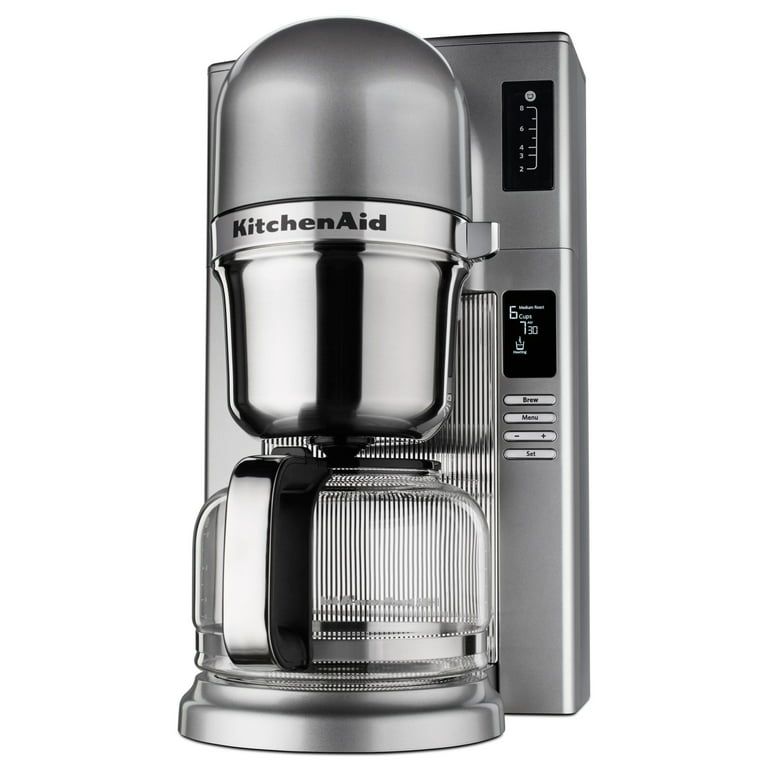
Why aroma matters and what it tells you
Aroma is the first message your coffee sends. It guides taste, memory, and mood. Better aroma often means better flavor balance and fresher beans. Knowing how to improve coffee aroma during brewing process helps you make deliberate choices that lift every cup.

Key factors that affect aroma during brewing
Aroma comes from volatile compounds that dissolve and escape with heat. These compounds react to grind size, water temperature, brewing time, and freshness. Each factor changes which aromatics make it to the cup. When you control these, you control the scent.
Choose the right beans and maintain freshness
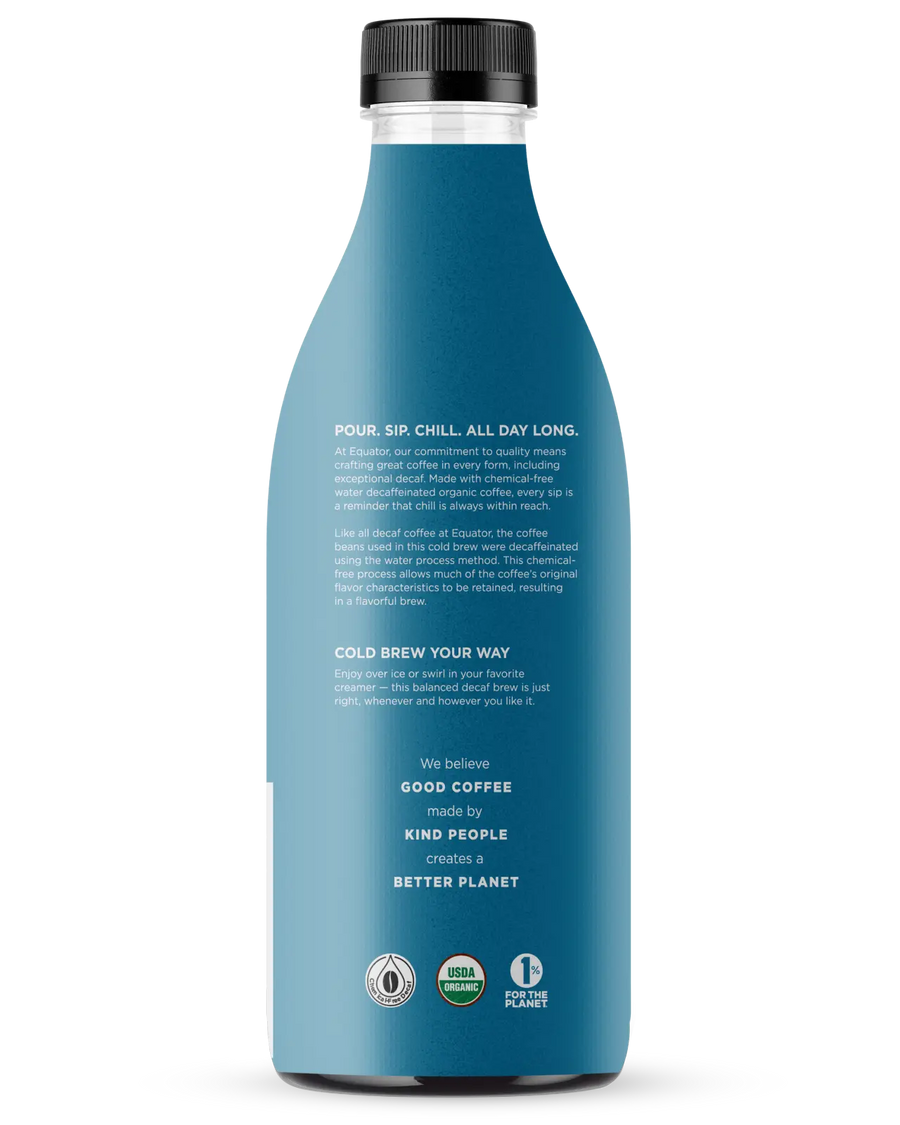
Buy whole beans roasted within the last two to four weeks. Store beans in an opaque, airtight container at room temperature. Avoid the fridge or freezer for daily-use beans. Fresh beans are the easiest way to improve coffee aroma during brewing process.
Grind size and timing: match method to grind
Grind just before brewing to preserve volatiles. Use coarser grind for French press and finer for espresso. Keep grind consistent with a burr grinder. Matching grind to method improves extraction and aroma.

Water quality and temperature matter
Use clean, filtered water with balanced minerals. Aim for 195°F to 205°F (90°C to 96°C) for most methods. Too hot burns aromatics; too cool under-extracts them. Controlling water is a high-impact way to improve coffee aroma during brewing process.
Brew ratio and time: small tweaks, big scent gains
Use a proper ratio like 1:15 to 1:17 coffee to water by weight. Adjust steep or contact time by method: longer for immersion, shorter for pour-over. Avoid over-extraction; it mutes bright aromatics. Precise ratios and timing make aroma predictable.

Blooming and pre-infusion techniques
Blooming releases trapped CO2 and open pores in the grounds. Pour a small amount of water for 30–45 seconds before full brew. This step helps aromatic compounds express more freely. I use bloom on pour-overs and see clearer, fresher aroma every time.

Equipment tips to preserve aroma
Clean your brewer regularly to avoid old oils and residues. Use glass or stainless devices for neutral scent profiles. Preheat equipment to keep temperature stable. Clean, neutral gear is essential to improve coffee aroma during brewing process.
Sensory training: learn to smell and adjust
Smell beans, grounds, and the brewed coffee at each stage. Note floral, fruity, nutty, and caramel notes. Use a simple tasting sheet to track changes when you tweak variables. Learning to detect aromas helps you repeat success.
Pairings and serving to enhance perceived aroma
Serve coffee in a warmed cup. Avoid strong air fragrances nearby. Pair light bites like citrus or bread to highlight specific aromatics. Presentation can make aroma feel more intense and enjoyable.
Troubleshooting common aroma problems
If coffee smells flat, check bean age and grinder consistency. If it smells burnt, lower water temp or shorten brew time. If it smells metallic, test your water or equipment. Fixing small faults restores aromatic balance.
Practical routine to follow (step-by-step)
- Weigh beans and water for a 1:16 ratio.
- Grind just before brewing with a consistent burr grinder.
- Preheat your brewer and cup.
- Bloom for 30–45 seconds with a small pour.
- Complete brew at 195°F–205°F and serve immediately.
This routine consistently improves coffee aroma during brewing process.
My experience and lessons learned
Early on I used old beans and a blade grinder. Aroma was dull. Switching to fresh beans, a burr grinder, and bloom changed my coffee deeply. I now track roast date and grind size. Small habits made the biggest aroma gains.
Limits and trade-offs to keep in mind
Pushing extraction for aroma can increase bitterness. Ultra-fine grinds risk clogging and uneven smell. Some beans are naturally low in certain aromatics. Know your bean and accept trade-offs while improving coffee aroma during brewing process.
Quick checks before brewing
• Smell the beans to confirm freshness.
• Check grinder settings for uniformity.
• Measure water temp and preheat gear.
These fast checks save a bad brew and protect aroma.
Related concepts to explore
• Roasting profile and its effect on aroma.
• Decaffeination and aroma loss.
• Impact of water hardness on flavor release.
Exploring these topics deepens understanding of how to improve coffee aroma during brewing process.
Frequently Asked Questions of how to improve coffee aroma during brewing process
How long after roasting do beans smell best?
Beans typically smell best 3 to 14 days after roast, depending on roast level. Give them a short rest to allow gases to settle, but use within a month for peak aroma.
Does grind size change aroma?
Yes. Grind size affects extraction and which aromatic compounds are extracted. Match grind to method to get the best aroma from your beans.
Will water type change coffee aroma?
Water quality and mineral content shape extraction and scent. Use filtered water with balanced minerals to avoid dull or off aromas.
How important is bloom for aroma?
Blooming is very helpful. It releases CO2 and opens grounds to extract aromatic compounds more evenly.
Can storage ruin coffee aroma?
Poor storage exposes beans to oxygen, light, and moisture and quickly reduces aroma. Store in a cool, dark, airtight container.
Conclusion
You can improve coffee aroma during brewing process by focusing on fresh beans, correct grind, clean equipment, and precise water control. Small, consistent steps like blooming, weighing, and smelling make a big difference. Try one change at a time, note the result, and enjoy the richer scent and flavor. Try these tips, leave a comment with your favorite tweak, or subscribe for more brewing tips.

Liora Pennings is a seasoned chef and kitchen enthusiast with a passion for turning everyday cooking into an effortless experience. With years of hands-on culinary expertise, she specializes in practical techniques, ingredient know-how, and smart kitchen solutions that help home cooks elevate their meals. At KitchFlair.com, Liora shares her best tips, time-saving tricks, and honest product reviews to guide readers toward a more efficient, enjoyable, and inspired cooking routine. Whether you’re a beginner or a seasoned home chef, Liora’s friendly, knowledge-packed insights make every visit to the kitchen a little easier—and a lot more delicious.