How To Optimize Coffee Grind Size For Drip Machine: Tips
Start with a medium grind; fine-tune slightly coarser or finer by taste.
I’ve spent years testing grinders and drip machines in home and café settings, and I know how small changes in grind can transform your cup. This guide explains how to optimize coffee grind size for drip machine with clear steps, simple tests, and practical tips you can use today. You’ll learn why grind matters, how to measure it, what settings to try, and how to troubleshoot common problems. Read on to brew better drip coffee with confidence.
Why grind size matters for drip coffee
Grind size controls how quickly water extracts flavor from coffee. Too fine, and your drip brew tastes bitter and over-extracted. Too coarse, and it will taste weak and sour. For drip machines, the goal is balanced extraction that highlights sweetness, clarity, and body.
Key reasons to optimize coffee grind size for drip machine
- Extraction rate depends on surface area; finer grounds extract faster.
- Flow rate changes with grind size; clogged filters slow drip.
- Consistency matters; uneven grind yields mixed extraction and uneven flavor.
From my experience, a small grind tweak often fixed bitter or thin cups. Learning to optimize coffee grind size for drip machine saves time and lifts each brew.
Understanding grind sizes and what works for drip
Grinds sit on a continuum from extra coarse to extra fine. For drip machines, aim for a medium grind similar to coarse sand. That balance helps water flow steadily and extract evenly.
Common grind terms and how they relate to drip
- Extra coarse: chunky, like peppercorns. Too slow extraction for drip.
- Coarse: like sea salt. Better for French press, often too coarse for drip.
- Medium-coarse: slightly grainy. Use for some cone drippers.
- Medium: like sand. Ideal starting point for most drip machines.
- Medium-fine: between sand and table salt. Use if brew is weak.
- Fine: like table salt. Can cause over-extraction and slow drip.
- Extra fine: like powder. Best for espresso, not drip.
PAA-style questions about grind for drip
What grind size should I use for a standard drip coffee maker?
Start with medium grind. If coffee tastes weak, try a bit finer. If bitter or slow, try a bit coarser.
How does grind size affect brew time in a drip machine?
Finer grind slows flow and raises extraction. Coarser grind speeds flow and lowers extraction. Aim to balance flow and flavor.
Can I use preground coffee for a drip machine?
Yes, but freshness and uniformity suffer. Freshly ground beans give cleaner flavor and are easier to optimize.

How to optimize coffee grind size for drip machine — step-by-step
These steps walk you from setup to fine-tuning. Each step is short and practical.
- Start with fresh, whole beans
- Buy beans roasted within the past month.
- Store in an airtight container away from light and heat.
- Use a burr grinder
- Burr grinders give consistent particle size.
- Set it to a medium setting as your baseline.
- Dial-in with a simple recipe
- Coffee-to-water ratio: 1:16 (for example, 20 g coffee to 320 g water).
- Use medium grind and brew a test batch.
- Taste and tweak
- If coffee tastes sour or weak: grind finer by one step.
- If coffee tastes bitter or over-extracted: grind coarser by one step.
- Make only one change at a time and brew again.
- Time the brew (optional)
- Aim for a total brew time of about 4 to 6 minutes in automatic drip. Adjust grind if time is far off.
- Record settings
- Note grinder setting, dose, and taste. This speeds future adjustments.
From my tests, small steps matter. Changing just one notch made a bright, clean cup taste balanced. Keep changes small and repeatable to optimize coffee grind size for drip machine reliably.

Tools and techniques to control grind size
Good tools make optimization simple. Use what fits your budget and goals.
Essentials
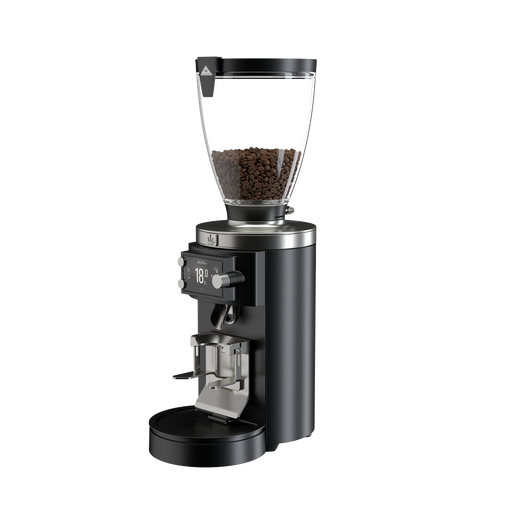
- Burr grinder: conical or flat burrs are both fine for drip.
- Scale: measure coffee and water to improve consistency.
- Timer: to track brew time and spotting issues.
- Filter type: paper filters absorb oils and give clarity; metal filters give more body.
Advanced tips
- Calibrate your grinder: mark settings that work best and return to them.
- Sift if needed: sifting removes very fine particles and can reduce bitterness.
- Adjust dose, not just grind: sometimes a small dose change fixes balance.
I learned to trust a scale early on. Precise dose and grind made dialing in much faster than guessing. Optimizing coffee grind size for drip machine becomes a habit once you log wins and failures.
Troubleshooting common grind-related problems
When a cup goes wrong, the grind is often the culprit. Here are common issues and fixes.
Problem: Bitter, harsh, or burnt taste
- Likely cause: too fine a grind or too hot water.
- Fix: grind slightly coarser and check water temperature (195–205°F ideal).
Problem: Thin, sour, or underdeveloped coffee
- Likely cause: too coarse a grind or too short brew time.
- Fix: grind slightly finer and increase dose if needed.
Problem: Machine overflows or clogs
- Likely cause: overly fine grind or old filters.
- Fix: coarsen grind and check filter placement. Clean shower screen and basket.
Problem: Inconsistent flavor across brews
- Likely cause: inconsistent grind or stale beans.
- Fix: clean grinder burrs and use fresher beans.
My worst mistake was using a blade grinder for weeks. Switching to a burr grinder cut bitterness and improved clarity overnight. Small upgrades yield big flavor gains when you optimize coffee grind size for drip machine.
:max_bytes(150000):strip_icc()/sea-primary-coffee-grinders-oct-24-nsimpson-207-b439c1ef1a674697b2825604e5321d5c.jpeg)
Best practices and advanced tweaks
Once you can make a consistent cup, try these tweaks to refine flavor.
- Adjust water quality: filtered water often improves extraction clarity.
- Pre-wet the filter: rinse paper filters with hot water to remove paper flavor and preheat the basket.
- Experiment with bloom: pour a small amount of hot water to let coffee degas for 20–30 seconds in manual drip.
- Try slight temperature changes: cooler water highlights acidity; hotter water boosts body.
These tweaks help dial in subtle profile changes after you optimize coffee grind size for drip machine. Keep notes and change one variable at a time.
Frequently Asked Questions of how to optimize coffee grind size for drip machine
What’s the ideal grind size for a standard drip coffee maker?
A medium grind similar to sand is a solid starting point. Adjust coarser if brew is bitter, and finer if it is weak.
How often should I adjust my grind size?
Adjust only when taste indicates a problem or when you change beans or brew ratio. Small tweaks are best.
Can grind size fix all taste problems in drip coffee?
Grind size fixes many issues, but water quality, freshness, dose, and machine cleanliness also matter. Treat grind as one key factor.
Is a burr grinder necessary to optimize grind?
A burr grinder gives consistent results and makes dialing in easier. Blade grinders can work but offer less consistency.
How do I measure grind changes when dialing in?
Move one setting at a time on your grinder and keep a log of dose, time, and taste. Small changes reveal clear differences.
Will different beans need different grind sizes?
Yes. Roast level, origin, and bean density affect extraction. Lighter roasts often need slightly finer grinds than darker roasts.
How does filter type affect grind choice?
Paper filters remove oils and favor clarity, so medium grind works well. Metal filters allow more oils and can pair with slightly coarser grinds.
Conclusion
Optimizing coffee grind size for drip machine is a simple, high-impact way to improve every cup. Start with a medium grind, use a burr grinder, measure your dose, and make small, deliberate tweaks while tasting. Keep notes, learn from each batch, and your drip coffee will get consistently better. Try one change this week—adjust your grind by one step—and see the difference. If this helped, leave a comment or subscribe for more practical coffee tips.

Liora Pennings is a seasoned chef and kitchen enthusiast with a passion for turning everyday cooking into an effortless experience. With years of hands-on culinary expertise, she specializes in practical techniques, ingredient know-how, and smart kitchen solutions that help home cooks elevate their meals. At KitchFlair.com, Liora shares her best tips, time-saving tricks, and honest product reviews to guide readers toward a more efficient, enjoyable, and inspired cooking routine. Whether you’re a beginner or a seasoned home chef, Liora’s friendly, knowledge-packed insights make every visit to the kitchen a little easier—and a lot more delicious.