How To Increase Coffee Maker Temp For Extraction: Guide
Raise brew water with preheating, flush cycles, insulation, or a hotter kettle for better extraction.
I’ve spent years dialing coffee at home and in small cafes. I’ll show clear, tested ways to raise your machine’s brew water and explain why hotter water boosts flavor. This guide covers practical fixes, safe upgrades, and quick tests so you can learn how to increase coffee maker temperature for better extraction and get more balanced, full-bodied coffee every morning.
Why brew temperature matters for flavor and extraction
Water temperature controls what compounds dissolve from coffee. The ideal range is about 195–205°F (90–96°C). Brew below that range and you get sour, thin coffee. Brew above it and you risk bitter, over-extracted notes.
Understanding how to increase coffee maker temperature for better extraction helps you hit that sweet spot more often. Small changes to temperature change clarity, sweetness, and body. I test machines with a thermometer and taste each change. The results are repeatable and obvious.

Common reasons your coffee maker runs too cool
Many home drip machines and single-serve units brew under 190°F. Here are common causes:
- Low factory thermostat settings. Manufacturers limit temp to reduce scale and costs.
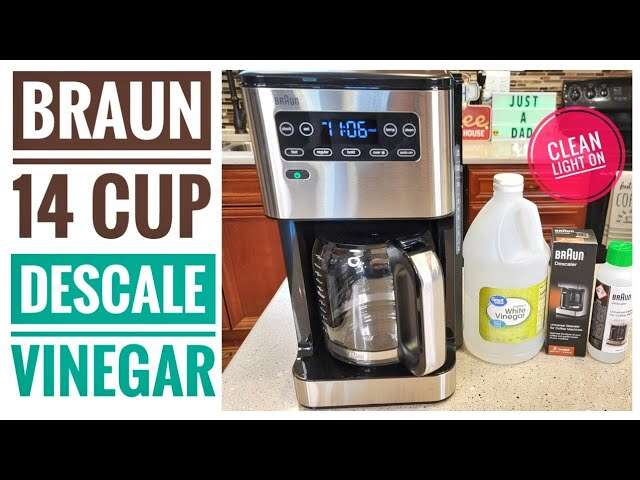
- Scale and mineral build-up. Scale insulates elements. Heat transfer drops.
- Thin metal or plastic parts. They lose heat fast during brewing.
- Rapid flow or poor showerhead design. Water passes too fast for full heat transfer.
If you want to know how to increase coffee maker temperature for better extraction, start by identifying which of these applies to your machine. I once cleaned a ten-year-old drip brewer and saw a 10°F rise in brew temperature after descaling.
Practical ways to increase coffee maker temperature for better extraction
Below are safe and easy steps you can try today. I list quick wins first, then deeper fixes.
-
Preheat the carafe and filter basket.
Fill the carafe with hot tap water and run hot water through the empty machine, or soak the filter and basket with boiling water before brewing. This reduces heat loss on start and raises initial brew temperature. -
Flush the machine before brewing.
Run one short cycle of hot water and discard it. This warms internal parts and raises the next brew by several degrees. -
Use a hotter initial water source.
Heat water to 200°F in a kettle and pour into the reservoir or pre-wet grounds with hot water from the kettle. This is especially useful for pour-over style and some basket brewers. -
Insulate the water tank and tubing.
Wrap the reservoir with foil tape or foam insulation. This keeps stored water hotter and prevents heat loss during the brew. -
Slow the flow or increase contact time.
Use a finer grind or a slower pour to increase extraction without extreme temperature changes. Slower contact can compensate for slightly cooler water. -
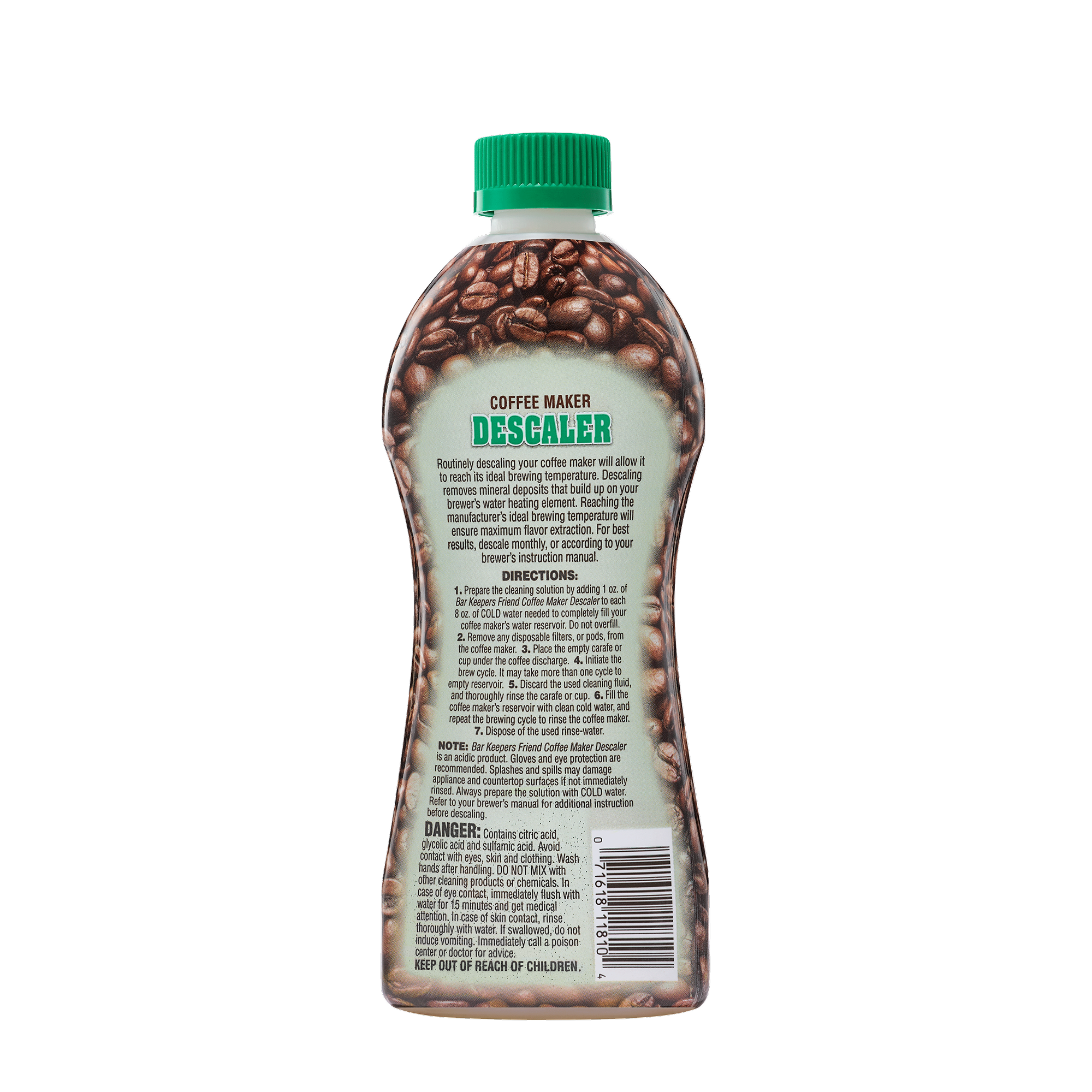
Descale and clean the heating element area.
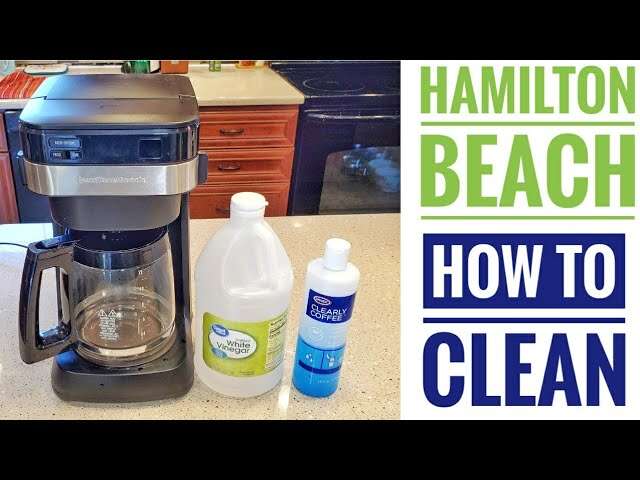
Regular descaling improves heat transfer. Clean the showerhead and internal channels to restore efficient heat flow. -
Replace worn thermostats or heating elements (advanced).
For older machines, swapping thermostats or elements can restore factory heat. This requires caution and basic electrical skills. -
Consider an external hot water source or hybrid method.
Use a kettle at 200°F to pour over grounds in a dripper or to top up an underheated machine. This blends convenience and control. -
Use a thermal carafe and insulated housing.
A thermal carafe prevents rapid cooling and preserves the brew temperature after extraction.
These tips show several ways how to increase coffee maker temperature for better extraction without risky mods. In my experience, preheating plus a flush gives the best flavor jump for minimal effort.
Step-by-step: A simple preheat and flush routine I use
Follow these steps for an easy upgrade to your brew temp.
- Boil water in a kettle and fill the carafe to warm it.
- Empty the carafe and place it under the brewer.
- Run a hot-water-only cycle to heat internal parts; discard this water.
- Add fresh grounds and start the brew.
- Measure brew temperature if you want to calibrate (aim for 195–205°F at the showerhead or just after contact with grounds).
I do this every morning for my drip machine. It adds 5–12°F and makes the coffee noticeably sweeter and fuller.
:max_bytes(150000):strip_icc()/sea-primary-drip-coffee-makers-wdickey-114-fcdea4411b8f4d97940e5dcf58bd03bf.jpeg)
Testing temperature and measuring extraction
How to increase coffee maker temperature for better extraction is only useful if you can test results.
- Use a simple clip-on thermometer or an instant-read probe at the brew basket.
- Measure temperature just as water contacts the grounds for best accuracy.
- Track taste changes with small adjustments to grind, dose, and brew time.
- For deeper analysis, a TDS meter and extraction calculator help quantify changes, but they aren’t required for better-tasting coffee.
I keep a notebook. I record machine settings, water temp, and tasting notes. That keeps changes clear and repeatable.
Advanced upgrades and professional fixes
If you want permanent, technical fixes, consider these options:
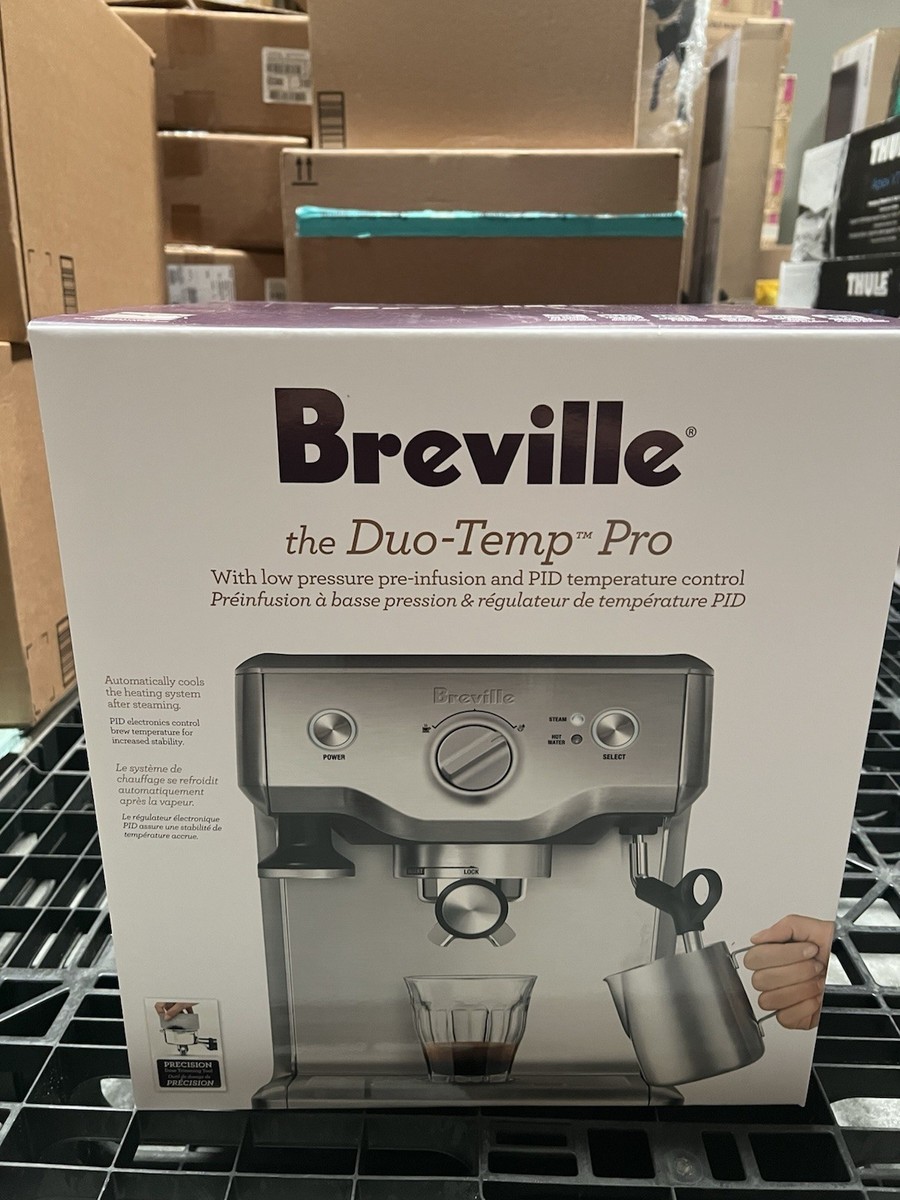
- Install a PID controller or replace the thermostat for precise temp control. This gives reliable 195–205°F range.
- Upgrade internal tubing to insulated or shorter runs to reduce heat loss.
- Replace the showerhead with a more even dispersion model to improve heat contact.
- Use a commercial-grade brewer or espresso machine built for stable temperatures.
These advanced steps show strong ways how to increase coffee maker temperature for better extraction. They often require tools and skill. If you’re unsure, consult a technician.
:max_bytes(150000):strip_icc()/faw-technivorm-moccamaster-kbgv-select-10c-coffee-maker-nsimpson-50-1-46e4dc9cb33544a185fab8b24919e588.jpeg)
What to avoid: mistakes and safety
Be careful when trying to increase brew heat. Keep these warnings in mind:
- Don’t bypass safety controls or fuses. This risks fire or damage.
- Avoid heating plastic parts to boiling repeatedly; this may release unwanted flavors.
- Don’t over-extract by pushing temperature too high for your roast. Light roasts benefit from higher temps; dark roasts can taste burnt.
I once pushed a machine’s thermostat beyond design limits. The coffee got hotter but tasted flat. I reverted to gentler methods and improved extraction more safely.
PAA-style questions (People also ask)
Q: What is the ideal temperature for brewing coffee?
A: Aim for 195–205°F (90–96°C) to extract balanced flavors without bitterness.
Q: Will hotter water make coffee stronger?
A: Hotter water extracts more solubles, which can increase strength and change flavor balance. Adjust grind and dose to avoid over-extraction.
Q: Can I use boiling water for drip coffee?
A: Avoid straight boiling water on some machines; 200°F is safer. Pour-over methods can use near-boiling water if handled carefully.
Frequently Asked Questions of how to increase coffee maker temperature for better extraction
How can I quickly raise my coffee maker’s brew temperature at home?
Flush a hot water cycle and preheat the carafe and filter basket. Using hot water from a kettle to start the brew also raises initial temperatures.
Is descaling really effective for improving brew temperature?
Yes. Scale insulates heating elements and slows heat transfer. Regular descaling often restores several degrees of brew temperature.
Will changing grind size help if my machine runs cool?
Yes. A finer grind increases contact time and can compensate for slightly cooler water, improving extraction without hardware changes.
Are there safe upgrades to permanently raise brew temperature?
Replacing thermostats, installing a PID, or upgrading the heating element can raise and stabilize temps but should be done carefully or by a pro.
How do I know if my coffee maker is too cool?
Taste signs include sour or weak flavors and thin body. Measuring brew water at the showerhead with a thermometer will confirm low temps.
Conclusion
Raising brew temperature produces clear gains in flavor, sweetness, and body. Start with easy steps: preheat, flush, descale, and use hotter water when needed. If you want lasting change, consider insulation or careful hardware upgrades. Try one change at a time, measure results, and adjust grind and dose to match.
Take action today: preheat your machine and run a flush next time you brew. Leave a comment about your results or subscribe for more practical coffee tips.

Liora Pennings is a seasoned chef and kitchen enthusiast with a passion for turning everyday cooking into an effortless experience. With years of hands-on culinary expertise, she specializes in practical techniques, ingredient know-how, and smart kitchen solutions that help home cooks elevate their meals. At KitchFlair.com, Liora shares her best tips, time-saving tricks, and honest product reviews to guide readers toward a more efficient, enjoyable, and inspired cooking routine. Whether you’re a beginner or a seasoned home chef, Liora’s friendly, knowledge-packed insights make every visit to the kitchen a little easier—and a lot more delicious.