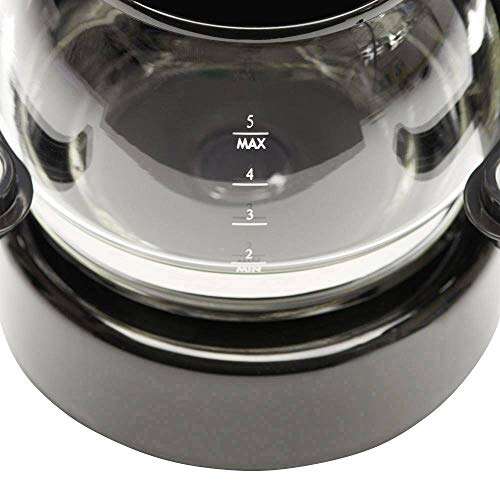
How To Make Coffee Easier On Digestion System: Gentle Tips
Use low-acid beans, gentler brewing, and eat before drinking to protect your gut.
I have spent years testing coffee routines, talking with baristas, and reading research to help you learn how to make coffee easier on digestion system. This guide gives clear, practical steps you can try today. You will learn what to change, why it works, and how to make coffee a gentler part of your day.

Why coffee can upset your digestion
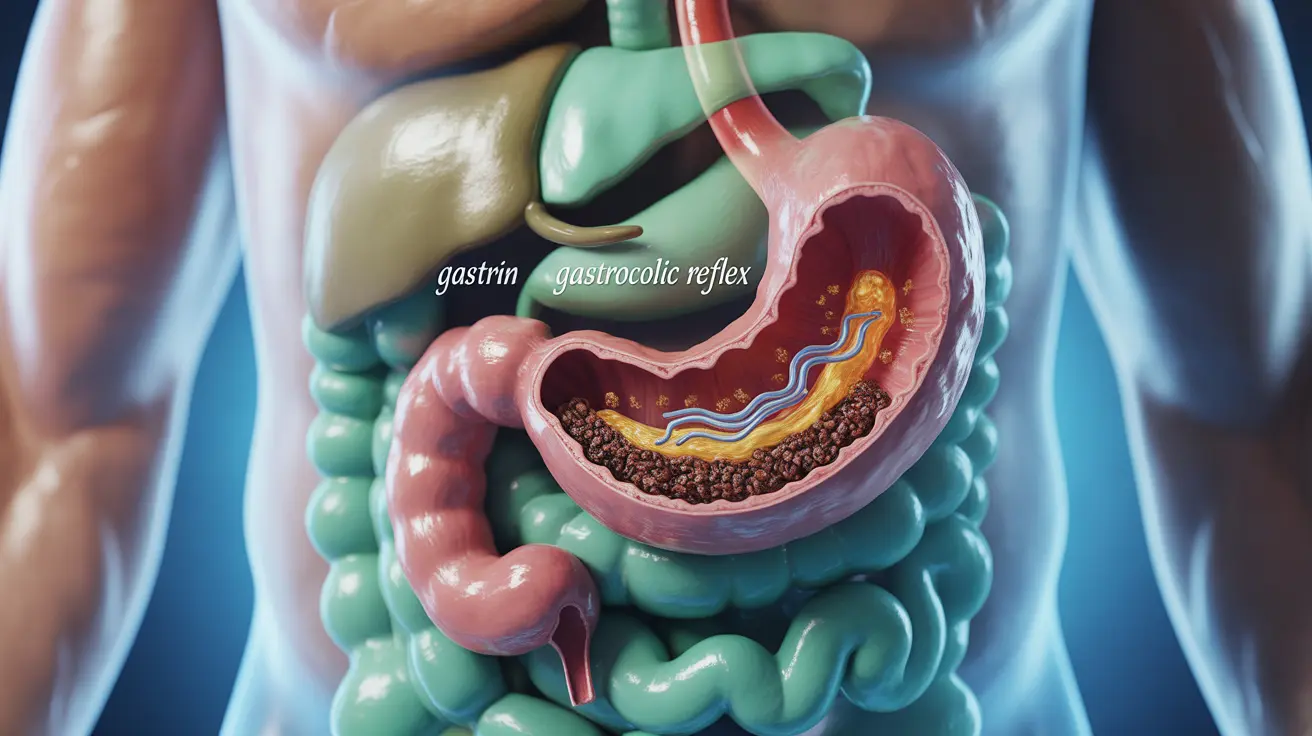
Coffee has acids and stimulants that can trigger the gut. Caffeine speeds up gut movement. Acid can irritate the stomach lining. Oils and additives can worsen reflux or bloating.
Some people react more than others. People with GERD, IBS, or a sensitive stomach often feel worst. Even small changes can help these people. Knowing why helps when you decide how to make coffee easier on digestion system.
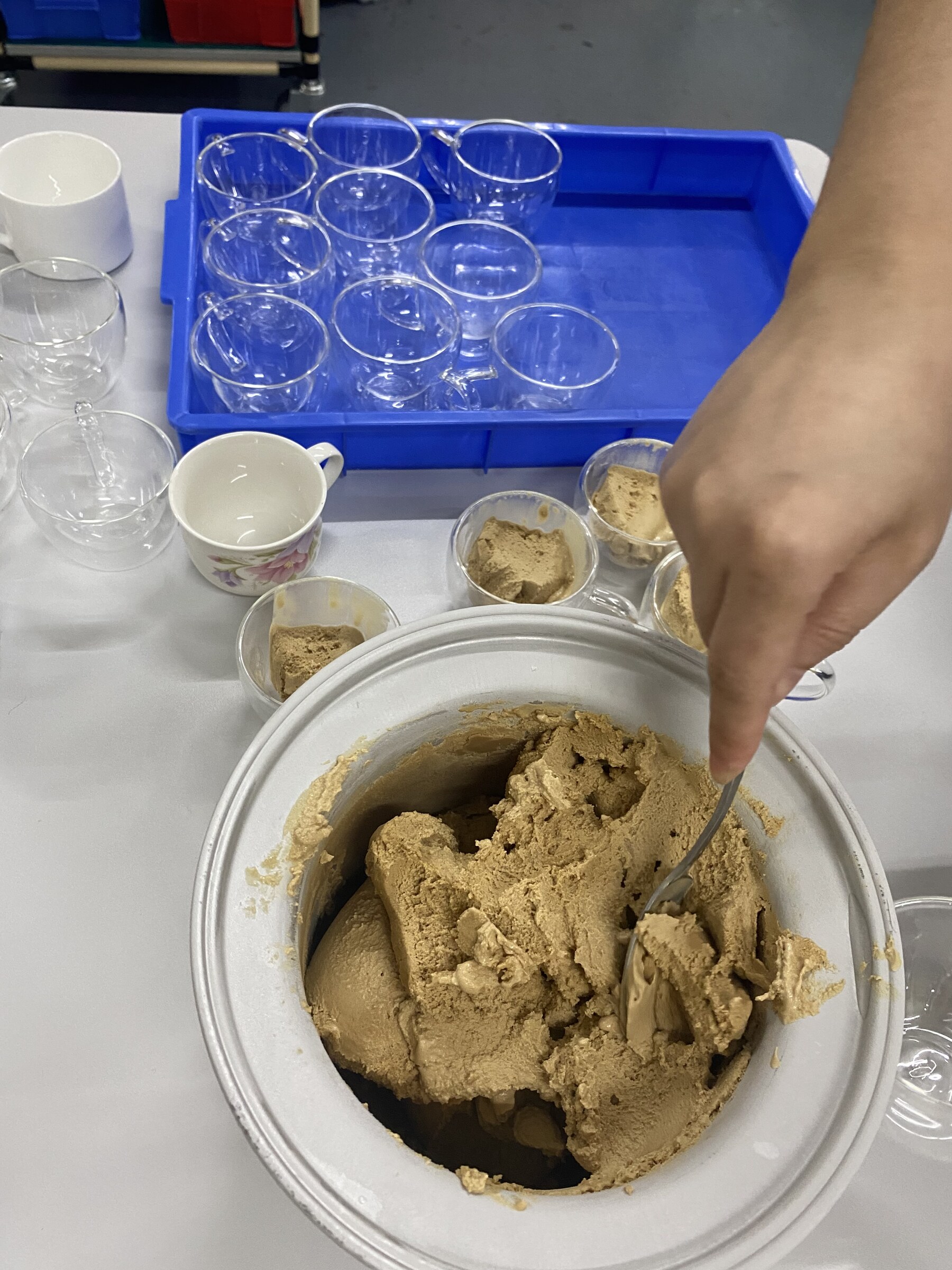
How to make coffee easier on digestion system — Practical tips
When you want to make coffee easier on digestion system, try simple swaps first. Small changes can cut acid and slow caffeine effects. Below are practical, easy tips you can use.
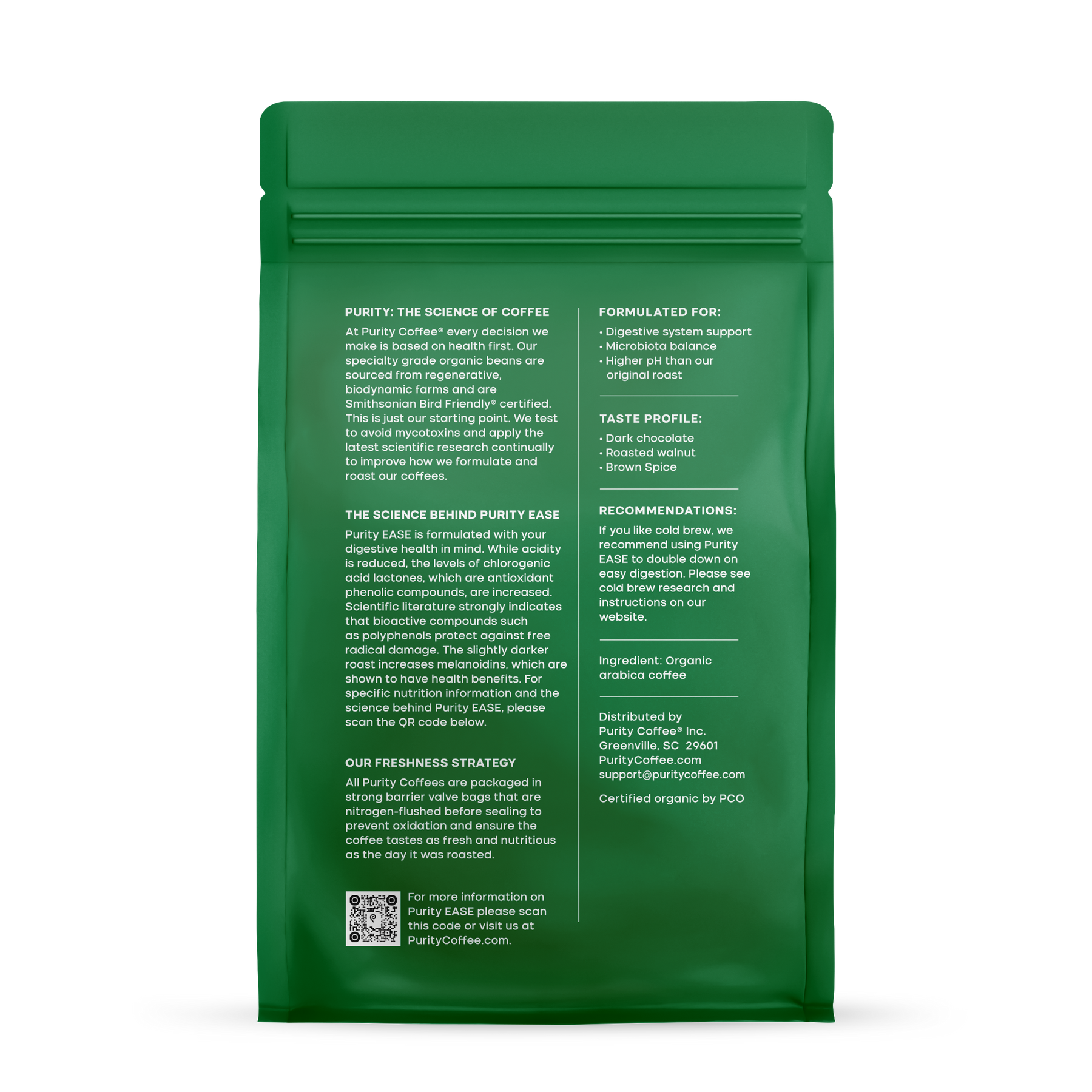
• Choose low-acid beans. Opt for beans labeled low-acid or natural low-acid varieties.
• Try dark roasts or aged beans. Darker roasts tend to have lower measured acidity.
• Use cold brew. Cold brewing extracts fewer acids and often tastes smoother.
• Use a paper filter. Paper traps oils that can irritate some people.
• Cut the caffeine. Mix decaf with regular, or try half-caf to reduce stimulant effects.
• Drink with food. Eating before coffee lowers acid spikes and stomach upset.
• Reduce additives that irritate. Skip sugar, artificial sweeteners, and acidic syrups when possible.
• Lower the temp. Hot drinks can trigger reflux; let coffee cool a bit.
• Try gentle milk options. If dairy causes issues, test lactose-free or plant milks.
• Watch portion size. Smaller cups mean less acid and less caffeine load.
These ideas show how to make coffee easier on digestion system in clear steps you can test. Try one change at a time. Track how you feel for a week before adding more changes.
Brewing methods that are gentler on the gut
The way you brew matters when you want to make coffee easier on digestion system. Some methods yield lower acid and fewer oils.
• Cold brew. Steep grounds in cold water 12–24 hours for low-acid coffee.
• Pour over with paper filter. This gives cleaner coffee with less oil and grit.
• AeroPress with a paper filter. Short brew time and fine filtering reduce bitterness.
• French press. Tastes bold, but leaves more oils. Try decaf or half-caf if you use this method.
• Espresso. Intense, but served in small volume. Watch caffeine dose per cup.
Pick a method that fits your taste and comfort. If you still have issues, rotate methods to see which suits your stomach best.

Foods and timing to pair with coffee
Pairing and timing can change how coffee hits your stomach. Planning helps when you learn how to make coffee easier on digestion system.
• Eat first. A small meal or snack buffers acid and prevents nausea.
• Choose fiber and protein. Eggs, oats, or yogurt slow stomach emptying and smooth digestion.
• Avoid citrus or very spicy food with coffee. These raise acid and can worsen reflux.
• Hydrate. A glass of water before coffee lessens concentration and throat irritation.
• Space strong coffee from heavy meals. If you have reflux, wait 30–60 minutes after a big meal.
These tips help keep coffee from acting like a sharp wake-up call. Small changes in timing can make a big, positive difference.
When to see a doctor and limits of home fixes
Home fixes help, but there are limits. If coffee causes severe pain, weight loss, black stools, or frequent vomiting, see a doctor. For chronic heartburn, get tested for reflux or ulcers.
Not all problems are due to coffee. Other foods, medications, or conditions may be the real cause. Be honest with your doctor about your coffee habits and the steps you tried to make coffee easier on digestion system.
My experience and lessons learned
I used to drink strong black coffee on an empty stomach every morning. I had heartburn and occasional nausea. I switched to a small cold brew with breakfast and a paper-filter pour over on weekends. My acid symptoms dropped a lot.
Lessons I learned:
• Start small. Change one habit at a time.
• Keep a short log. Note what you drink, brewing method, and how you feel.
• Be patient. Some changes take days or weeks to show benefit.
These steps reflect real testing and can guide you while you learn how to make coffee easier on digestion system.

Frequently Asked Questions of how to make coffee easier on digestion system
Will cold brew stop stomach pain from coffee?
Cold brew often reduces acidity and can lower stomach pain for many people. It is not a cure for all gut issues, but it helps those sensitive to acid.
Does milk make coffee gentler on the stomach?
Milk can reduce sharpness for some people by coating the stomach. If you are lactose intolerant, choose lactose-free or plant milk to avoid added issues.
Is decaf always better for digestion?
Decaf reduces caffeine, which slows gut movement and can ease jitters. Some decaf processes use chemicals, so choose a Swiss-water or clean process for best results.
How long after eating should I drink coffee?
Drinking coffee with or after a meal often works best to reduce acid effects. If you have reflux, wait about 20–30 minutes after a small meal for comfort.
Can brewing method really change digestion symptoms?
Yes. Methods like cold brew and paper–filter pour overs reduce acids and oils. These changes often help people with sensitive stomachs.
Conclusion
Small, smart changes can make a big difference in how coffee feels in your gut. Choose low-acid beans, try cold brew or paper filters, eat before drinking, and cut caffeine when needed. Test one change at a time and track what helps. Start today by trying a low-acid brew with a light breakfast, and notice how your body responds. Share your experience, subscribe for more tips, or leave a comment about what worked for you.

Liora Pennings is a seasoned chef and kitchen enthusiast with a passion for turning everyday cooking into an effortless experience. With years of hands-on culinary expertise, she specializes in practical techniques, ingredient know-how, and smart kitchen solutions that help home cooks elevate their meals. At KitchFlair.com, Liora shares her best tips, time-saving tricks, and honest product reviews to guide readers toward a more efficient, enjoyable, and inspired cooking routine. Whether you’re a beginner or a seasoned home chef, Liora’s friendly, knowledge-packed insights make every visit to the kitchen a little easier—and a lot more delicious.