No Title
Drink water, eat carbs, breathe deeply, and move to ease caffeine effects fast.
I write about how to reduce caffeine effects from strong coffee quickly from years of testing fixes and reading medical guidance. I know what works and what wastes time. This guide gives clear steps, science, and real-life tips so you can calm jitters and sleep sooner after a strong cup.
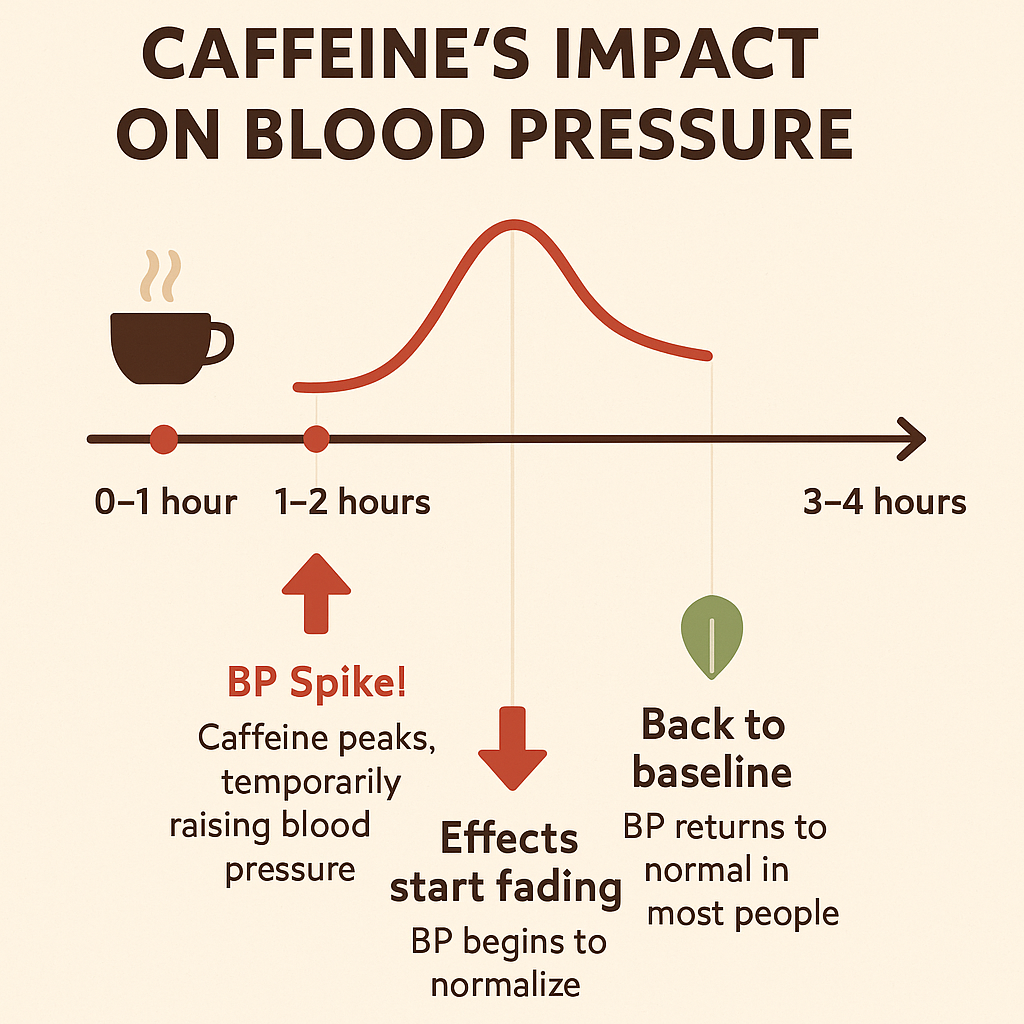
Why caffeine can hit you hard and what to expect
Caffeine is a natural stimulant. It blocks adenosine, a brain chemical that makes you feel tired. That lift feels good. Too much can cause shaking, anxiety, a fast heart rate, and trouble sleeping.
Strong coffee has more caffeine per cup. Brewing method, bean type, and serving size raise the dose. Your body size, tolerance, and medications change how you feel. Knowing this helps you act fast when you need to reduce effects.

Signs you need to reduce caffeine effects right now
Short-term signs often show within 20 minutes to an hour. Watch for:
- Rapid heartbeat or palpitations.
- Shaky hands, muscle tension, or restlessness.
- Racing thoughts, anxiety, or light-headedness.
- Stomach upset or frequent bathroom trips.
- Trouble falling asleep later.
If you notice these signs after coffee, use simple steps below to calm your system and reduce the impact of caffeine quickly.

Fast ways to reduce caffeine effects from strong coffee quickly
These steps work when you need fast relief. Do several at once for best results.
-
Drink plenty of water.
Water helps dilute caffeine and ease dehydration. Sip steadily for 15–30 minutes. -
Eat bland carbs and protein.
A slice of bread, banana, or a small sandwich slows caffeine absorption. Protein, like yogurt or a boiled egg, stabilizes blood sugar. -
Walk or do light exercise.
A brisk 10–20 minute walk helps burn nervous energy and speeds up metabolism. -
Practice box breathing.
Breathe in for 4 seconds, hold 4, out 4, hold 4. Repeat 5 times to calm the nervous system. -
Try magnesium-rich foods or a supplement.
Magnesium can reduce muscle tension and jitteriness. Eat a handful of almonds or spinach. -
Sip herbal tea with L-theanine or chamomile.
L-theanine soothes anxiety. Chamomile promotes calm and may help you sleep later. -
Avoid more caffeine and sugar.
Sugar spikes and more caffeine will worsen jitters. Stick to water and bland food. -
Use cold water on your face or wrists.
A quick cold splash can reset your nervous system and slow a racing heart. -
If symptoms are severe, seek medical help.
Chest pain, fainting, or severe shortness of breath needs immediate care.
How to reduce caffeine effects from strong coffee quickly means acting fast. Combine hydration, food, breathing, and mild movement. These four moves reduce symptoms more than any single action.

Quick answers people also ask
Will eating help reduce caffeine effects from strong coffee quickly?
Yes. Eating carbs and protein slows absorption and steadies blood sugar. It often eases jitteriness within 20–40 minutes.
Can exercise speed up caffeine clearance?
Light to moderate exercise can reduce anxiety and use energy. It does not remove caffeine instantly but helps you feel better fast.
Is it safe to take a supplement to block caffeine?
Some supplements like magnesium and L-theanine help symptoms. Avoid mixing meds without advice. If in doubt, check with a clinician.

My experience: practical things that helped me
Once I drank a double espresso late afternoon and felt wired. I drank a large glass of water. I ate a banana and walked for 15 minutes. I did box breaths until my heart rate eased.
That combination worked best for me. I learned that one trick alone is rarely enough. I also learned to avoid caffeine late in the day and to keep a go-to snack and water nearby.
The science and safety behind these tips
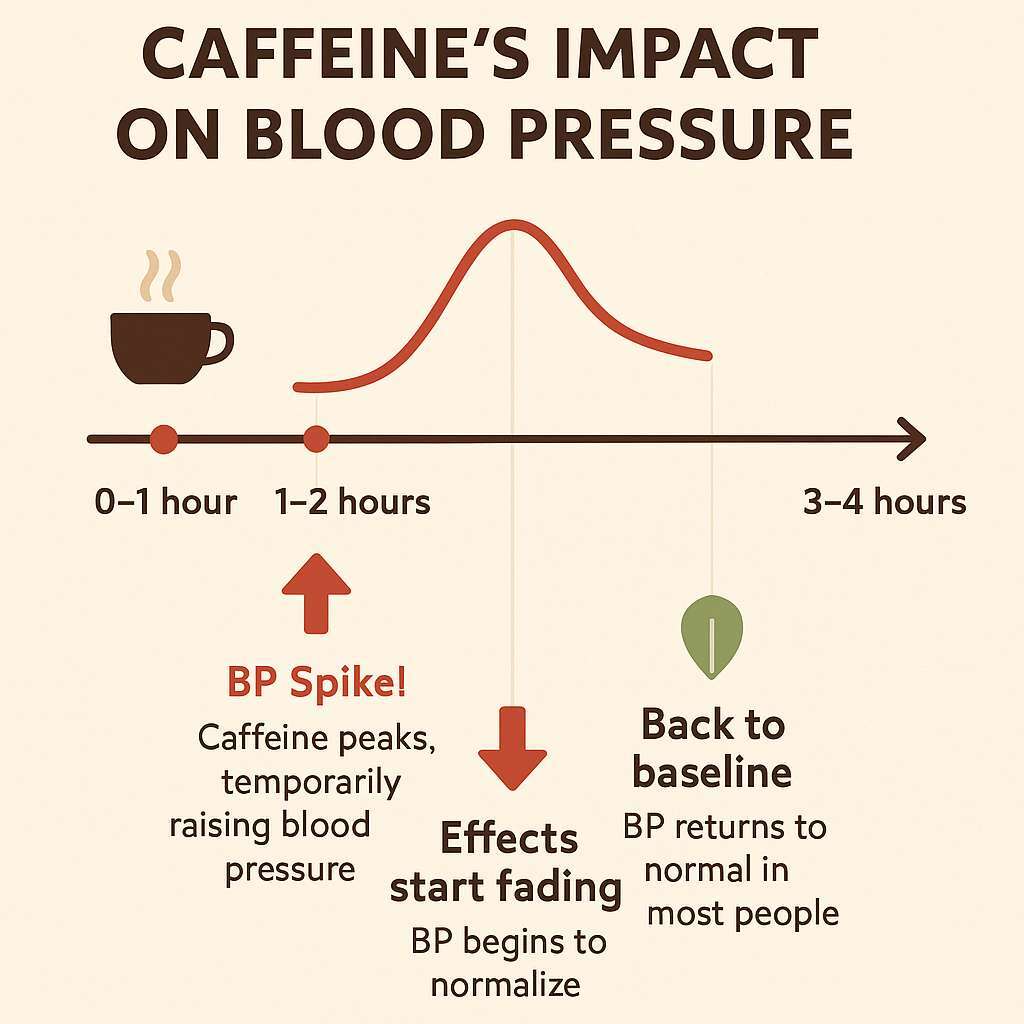
Caffeine has a half-life of about 3–5 hours in most adults. This means it takes several hours to drop by half. Hydration, food, and mild activity do not remove caffeine but change how you feel.
Studies show L-theanine can reduce anxiety when paired with caffeine. Magnesium helps muscle relaxation. Deep breathing activates the vagus nerve, which slows heart rate and lowers stress.
Be honest about limits. People with heart conditions or anxiety disorders may react more strongly. Pregnant people clear caffeine more slowly. Talk to a doctor if you have health concerns or take meds.

Long-term habits to avoid strong reactions
Use these habits to reduce future runs for fixes.
-
Track your dose.
Note how much you drink and when. Cut back gradually if needed. -
Choose lower-caffeine options.
Try drip coffee, half-caf, or tea. These reduce peaks. -
Set a caffeine cutoff time.
Stop caffeine 6–8 hours before bedtime to protect sleep. -
Build tolerance carefully.
If you feel jittery, cut back rather than rely on fixes. -
Manage stress and sleep.
Better sleep lowers your need for caffeine and cuts anxiety.
How to reduce caffeine effects from strong coffee quickly starts with small lifestyle shifts. These cuts lower the chance you need urgent fixes.

Frequently Asked Questions of how to reduce caffeine effects from strong coffee quickly
How long does it take to feel better after using these tips?
Most people feel better within 20–60 minutes after drinking water, eating, and doing light movement. Full caffeine clearance can take several hours.
Can I speed up caffeine elimination with medication?
No over-the-counter pill will remove caffeine fast. Some heart or anxiety meds may mask symptoms, but only use them under medical advice.
Is sleep the best fix for a big caffeine dose?
Sleep helps if you can fall asleep. If caffeine keeps you awake, use calm breathing and low-light settings to encourage rest.
Will cold showers remove caffeine?
A cold shower can reduce panic and slow your heart. It does not remove caffeine, but it can help you feel calmer.
Should I drink coffee to "use up" the caffeine faster?
No. More coffee increases the dose and worsens symptoms. Avoid adding caffeine when you are already affected.
Conclusion
You can reduce the impact of a strong cup fast. Drink water, eat carbs and protein, breathe deeply, and move gently. These steps calm your body while caffeine fades. Try the combo that fits you and keep notes on what works.
Take action today: pick two quick steps to use next time you overdo it. Leave a comment with your experience or subscribe for more practical tips on caffeine and sleep.

Liora Pennings is a seasoned chef and kitchen enthusiast with a passion for turning everyday cooking into an effortless experience. With years of hands-on culinary expertise, she specializes in practical techniques, ingredient know-how, and smart kitchen solutions that help home cooks elevate their meals. At KitchFlair.com, Liora shares her best tips, time-saving tricks, and honest product reviews to guide readers toward a more efficient, enjoyable, and inspired cooking routine. Whether you’re a beginner or a seasoned home chef, Liora’s friendly, knowledge-packed insights make every visit to the kitchen a little easier—and a lot more delicious.