How To Make Coffee Using Saucepan On Stove Properly: Simple
Use fresh beans, correct ratio, low heat, and a fine strain for rich stovetop coffee.
I have brewed coffee on a stovetop for years. I will show you how to make coffee using saucepan on stove properly with clear steps, tips, and real-world advice. This guide blends simple science, hands-on tips, and safe practice. Read on to learn how to get great coffee from a saucepan every time.
Why choose the saucepan method?
Making coffee in a saucepan is simple and low-tech. It works when you lack a coffee maker or when you want a rustic cup. You can control strength, time, and flavor easily. Learning how to make coffee using saucepan on stove properly gives you a back-up skill and a cozy ritual.

What you need
- Saucepan: Use a small to medium pot. Thin metal heats fast. Thick-bottomed pans hold heat well.
- Coffee: Freshly roasted whole beans are best. Grind just before use.
- Grinder: Burr grinder gives steady size.
- Water: Clean, filtered water improves taste.
- Heat source: Gas or electric stove works.
- Strainer: Fine mesh sieve, coffee sock, or cheesecloth for filtering.
- Optional: Spoon, timer, small scale, and milk or sugar.
Add the phrase "how to make coffee using saucepan on stove properly" in your mental checklist when you gather items. Keep items clean and ready.

Step-by-step: How to make coffee using saucepan on stove properly
This clear process will help you make a repeatable cup. Follow each step and adjust to taste.
- Measure water and coffee
- Use a ratio of 1:15 to 1:17 coffee to water by weight. For example, 15 grams coffee to 225 ml water.
- Heat the water
- Add water to the saucepan. Warm on medium-low. Heat until small bubbles form at the edges. Avoid a rolling boil.
- Bloom the coffee (optional but useful)
- Add ground coffee to the warm water. Stir gently. Wait 30–45 seconds so gases escape and flavor blooms.
- Simmer, don’t boil
- Raise heat slightly until the surface shows gentle movement. Keep it below a full boil. Simmer for 2–4 minutes depending on strength.
- Remove from heat and let sit
- Turn off the heat. Let grounds settle for 1–2 minutes. This improves clarity.
- Strain and serve
- Pour through a fine sieve, coffee sock, or layered cheesecloth. Pour slowly to avoid stirring the settled grounds. Serve hot.
I repeat this process when I teach friends how to make coffee using saucepan on stove properly. Small tweaks change the cup a lot. Try mild changes and note results.
src="https://i.ytimg.com/vi/uvgszCwfkX4/hq720.jpg?sqp=-oaymwEhCK4FEIIDSFryq4qpAxMIARUAAAAAGAElAADIQj0AgKJD&rs=AOn4CLAYK7xGaazmMHycq-t3CuDlwaiB4Q"
alt="Grind size, ratios, and water temperature”
style=”max-width: 100%; height: auto; border: 2px solid black; border-radius: 10px; display: block; margin: 0 auto;”
loading=”lazy”
/>
Grind size, ratios, and water temperature
Grind size and heat shape flavor. For saucepan coffee, use a medium-fine grind. It looks like sand. Too coarse and the brew is weak. Too fine and the cup can be gritty and bitter.
- Ratio tips
- Start with 1:15 for bold coffee. Try 1:17 for a lighter cup.
- Water temperature
- Aim for 195–205°F (90–96°C). In practice, stop short of a rolling boil. Small bubbles at the edge show good heat.
- Timing
- Total contact time is 3–6 minutes. Less time = lighter cup. More time = stronger and sometimes bitter.
These simple controls make how to make coffee using saucepan on stove properly a repeatable skill. Adjust by one variable at a time to learn.
Common mistakes and how to avoid them
I learned these the hard way. Avoid them to save time and taste.
- Boiling the coffee
- Problem: Bitter, burned flavors. Fix: Keep a gentle simmer.
- Wrong grind size
- Problem: Muddy or weak brew. Fix: Use medium-fine and test.
- Skipping the bloom
- Problem: Flat flavor. Fix: Wait 30–45 seconds after adding grounds.
- Pouring without straining
- Problem: Grit in cup. Fix: Use a fine sieve or cloth filter.
- Using stale beans or bad water
- Problem: Dull or off flavors. Fix: Use fresh beans and filtered water.
From my experiments, the worst error is boiling. I once ruined a pot by leaving it on high. Learn from that and use low heat when learning how to make coffee using saucepan on stove properly.

Variants and flavor ideas
The saucepan method adapts well to traditions and tweaks.
- Cowboy coffee
- Coarse grounds, boil briefly, then settle. Strain and serve.
- Spiced stovetop coffee
- Add cardamom, cinnamon, or cloves while simmering for an aromatic cup.
- Milk-infused brew
- Add milk near the end and warm gently for a creamy drink.
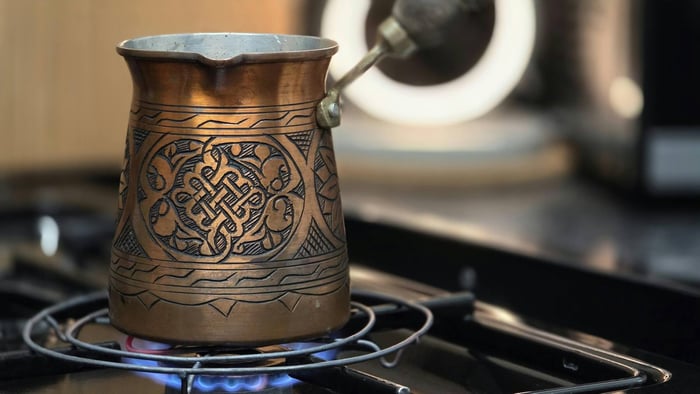
- Turkish-like style
- Use very fine grounds and no straining, then sip carefully after settling.
Each variant teaches a new facet of how to make coffee using saucepan on stove properly. Try small recipes to find a favorite.
Cleaning and safety tips
Keep gear safe and clean. This protects taste and your stove.
- Cool before cleaning
- Let the pan cool. Hot metal and cold water can warp pans.
- Remove residual grounds
- Use a cloth or paper towel to wipe before washing.
- Use mild detergent
- Avoid strong smells that linger in the pan.
- Stove safety
- Keep handles turned inward. Watch for splatters. Do not leave unattended.
- Filter care
- Rinse cloth or sieve immediately. Residual oils make rancid taste.
Good habits help you brew reliably and safely. They also make how to make coffee using saucepan on stove properly easier and more enjoyable.
Frequently Asked Questions of how to make coffee using saucepan on stove properly
What grind size should I use for saucepan coffee?
Use a medium-fine grind, like coarse sand. It balances extraction and ease of straining.
Can I use instant coffee in a saucepan?
Yes, you can dissolve instant coffee in hot water. It is quick but lacks fresh bean flavor.
How do I avoid bitter stove-top coffee?
Avoid boiling and over-extraction. Use medium heat and watch the time closely.
Is it safe to heat milk and coffee together in a saucepan?
Yes, if you use low heat and stir often to prevent scalding. Heat gently until warm.
How long can I keep leftover saucepan coffee?
Store in the fridge for up to 24 hours. Reheat gently; flavor drops after a few hours.
Conclusion
You now have a clear, simple path to make great coffee without a machine. Start with fresh beans, use the right grind, and keep heat low. Practice the steps and make small changes to find your ideal cup. Try one new tweak this week and note the difference. If this helped, leave a comment or subscribe for more easy coffee tips.

Liora Pennings is a seasoned chef and kitchen enthusiast with a passion for turning everyday cooking into an effortless experience. With years of hands-on culinary expertise, she specializes in practical techniques, ingredient know-how, and smart kitchen solutions that help home cooks elevate their meals. At KitchFlair.com, Liora shares her best tips, time-saving tricks, and honest product reviews to guide readers toward a more efficient, enjoyable, and inspired cooking routine. Whether you’re a beginner or a seasoned home chef, Liora’s friendly, knowledge-packed insights make every visit to the kitchen a little easier—and a lot more delicious.