How To Clean Coffee Maker With Lemon Juice: Quick Tips
Mix equal parts lemon juice and water, run a brew cycle, then rinse twice for fresh results.
I’ve cleaned dozens of machines in my kitchen and for clients. This guide shows exactly how to clean coffee maker with lemon juice effectively, step by step. You’ll get safe ratios, timing, and simple tricks that remove scale, odors, and coffee oils without harsh chemicals. Read on to learn practical tips I use and trust.

Why lemon juice works for coffee maker cleaning
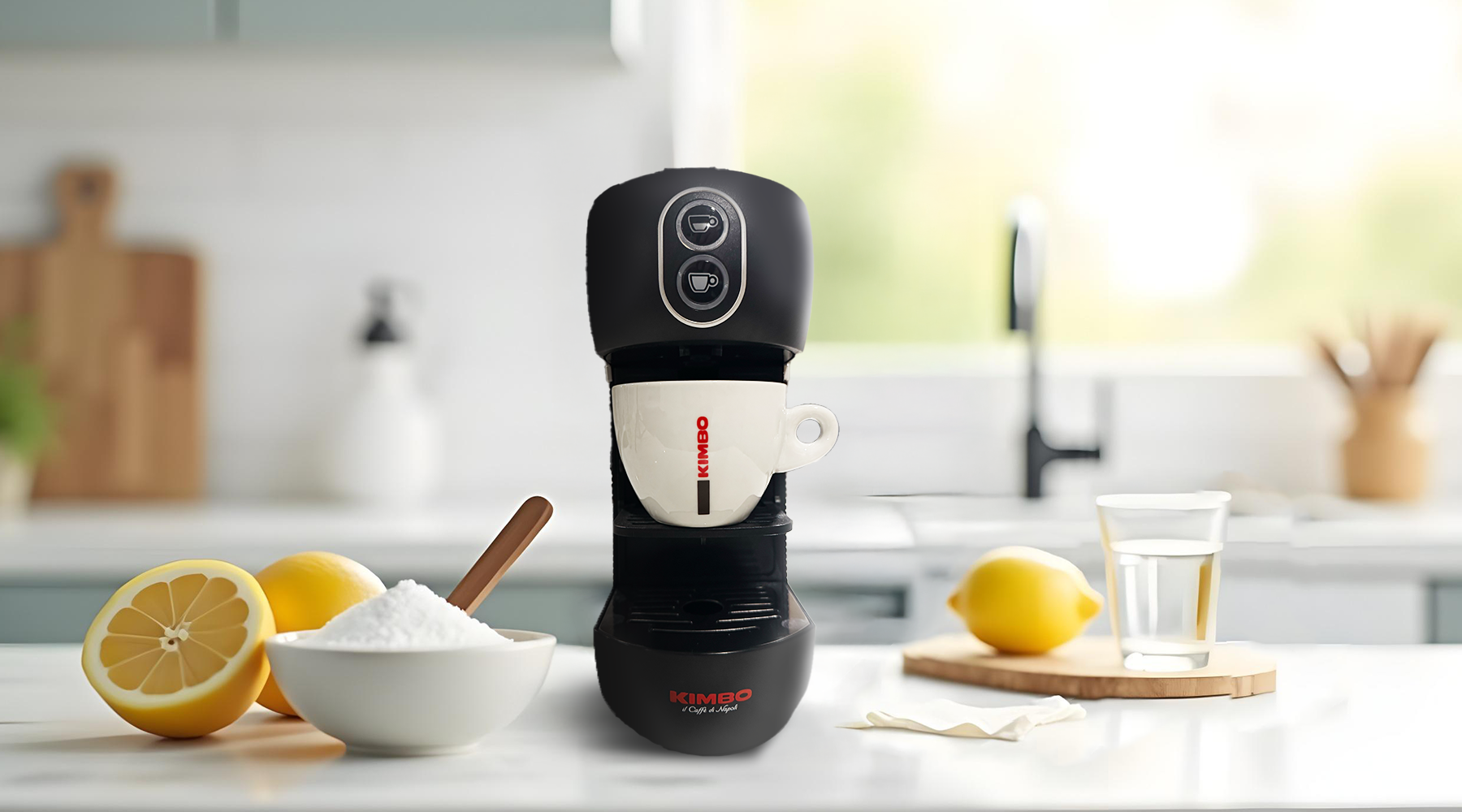
Lemon juice contains citric acid. Citric acid dissolves mineral scale and breaks down grime. It also leaves a fresh scent and is food-safe. Using lemon is a mild, natural alternative to strong chemical descalers, and it works on most drip machines and carafes. When you learn how to clean coffee maker with lemon juice effectively, you get a safe, eco-friendly cleaning routine.
When to clean your coffee maker
Clean a drip machine every 1 to 3 months, depending on use. If you brew daily, aim monthly. If your water is hard, clean more often. Also clean after mold, odd smells, or slow brewing to keep flavor pure and the machine healthy.
Materials and safety before you start
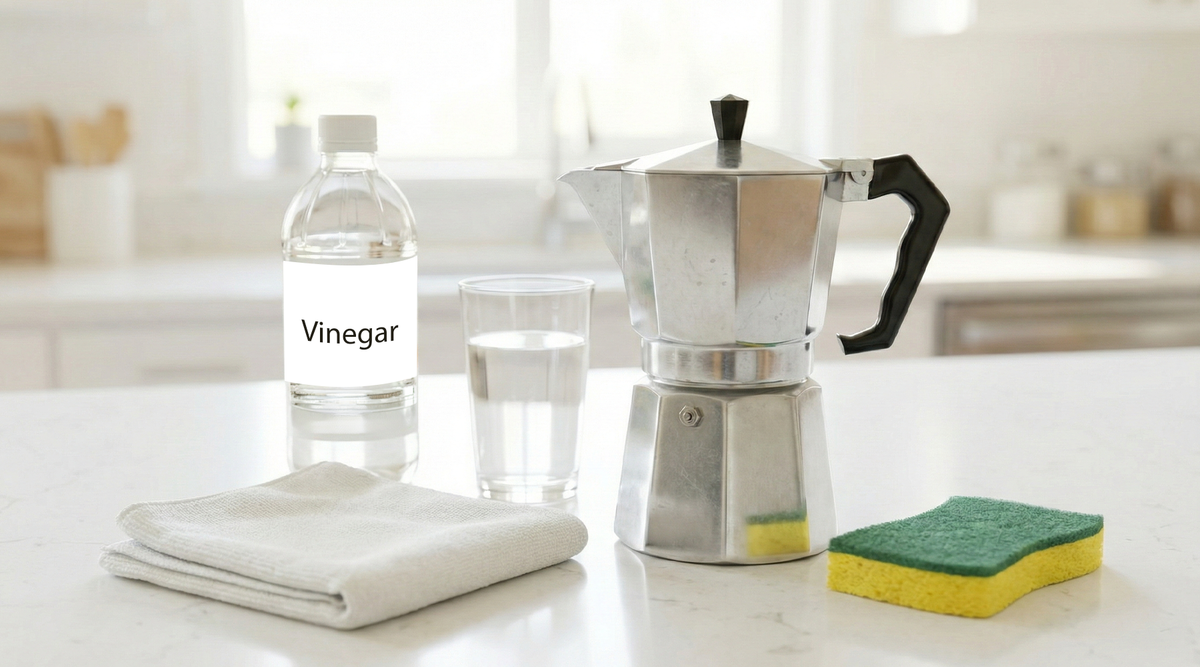
- Lemon juice, either bottled or fresh squeezed.
- Clean water, filtered if possible.
- A soft cloth, soft brush, or sponge.
- Toothbrush for small crevices.
- Baking soda for stubborn stains.
- Gloves if your skin is sensitive to acid.
Keep the machine unplugged for manual cleaning. Avoid metal scrapers that can scratch. This prep helps you clean efficiently and safely when you practice how to clean coffee maker with lemon juice effectively.
Step-by-step: How to clean coffee maker with lemon juice effectively
-
Empty and prep
- Remove grounds, paper filter, and any pods.
- Empty the carafe and wash it with warm soapy water.
-
Mix solution
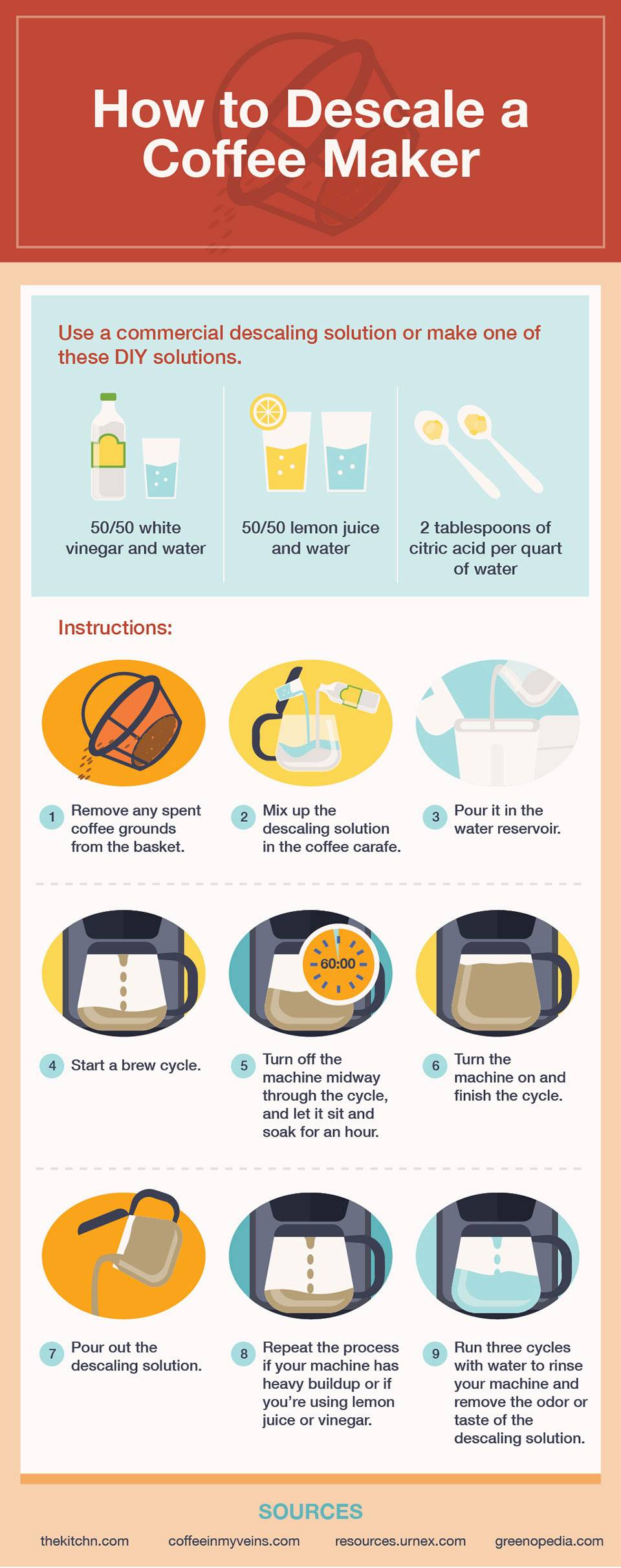
- Combine one part lemon juice with one part water for general cleaning.
- For heavy scale, use a stronger mix: two parts lemon juice to one part water.
-
Run a cleaning cycle
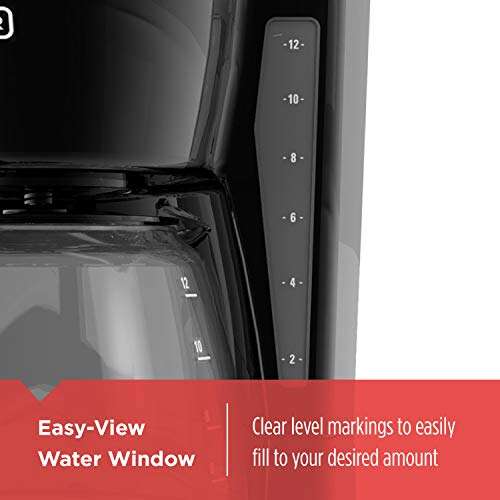
- Pour the solution into the reservoir.
- Run a full brew cycle. Pause mid-cycle if possible and let it sit for 10 to 15 minutes.
- Finish the cycle.
-
Rinse thoroughly
- Run at least two full cycles with clean water until there is no lemon smell or taste.
- Wipe the exterior and heating plate with a damp cloth.
-
Clean removable parts
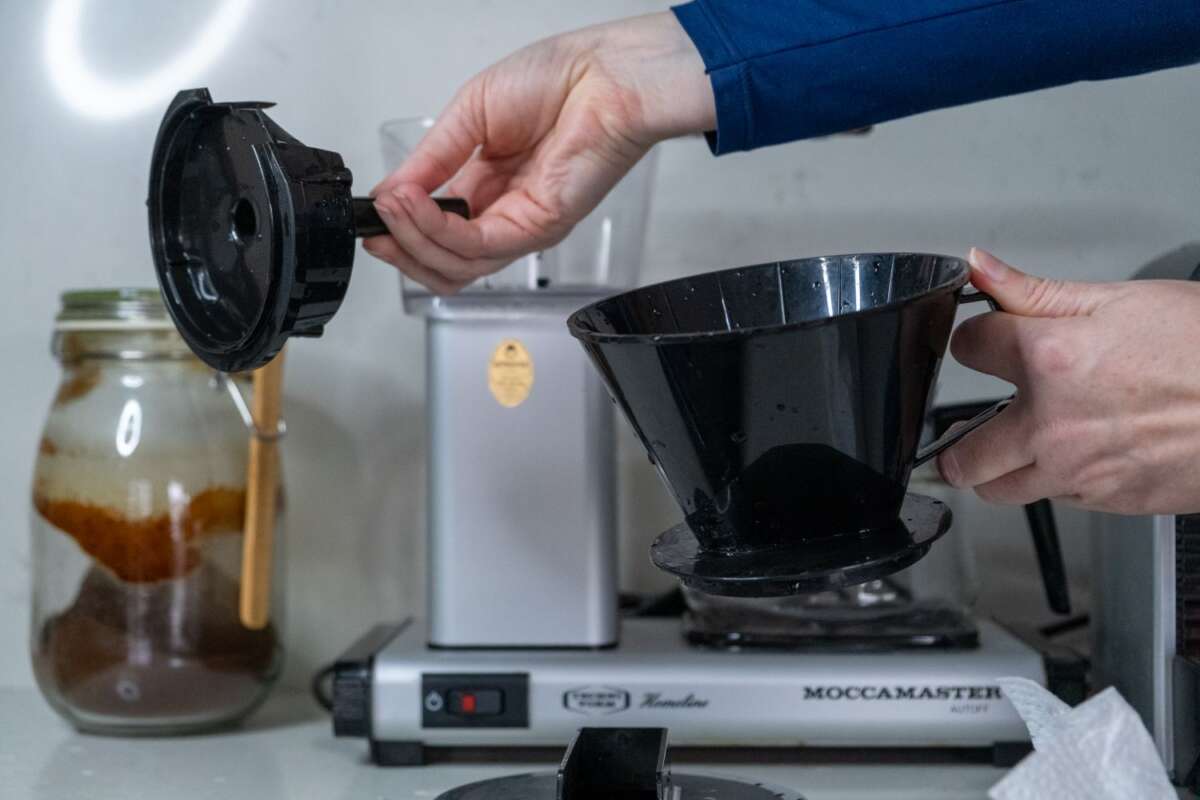
- Wash the carafe, filter basket, and lid by hand with warm soapy water.
- Use a toothbrush for nooks and crevices.
-
Dry and reassemble
- Let parts air dry or dry with a clean towel.
- Reassemble and brew a plain water pot before your next coffee.
Tips from experience: I always run an extra clear-water cycle before brewing. It removes any residual acid and protects flavor. Repeating the cycles gives the best results when you want to know how to clean coffee maker with lemon juice effectively.
src="https://www.foodandwine.com/thmb/p6m2KZQ_RtWNEALWcw2j1G-tPxM=/1500×0/filters:no_upscale():max_bytes(150000):strip_icc()/6-coffee-maker-components-washed-separately-045ca3f7a9b14ec29aa07f32b3c9555f.jpg"
alt="Variations for different machines”
style=”max-width: 100%; height: auto; border: 2px solid black; border-radius: 10px; display: block; margin: 0 auto;”
loading=”lazy”
/>
Variations for different machines
-
Drip coffee makers
- Use the 1:1 lemon-to-water mix. Use two rinse cycles.
-
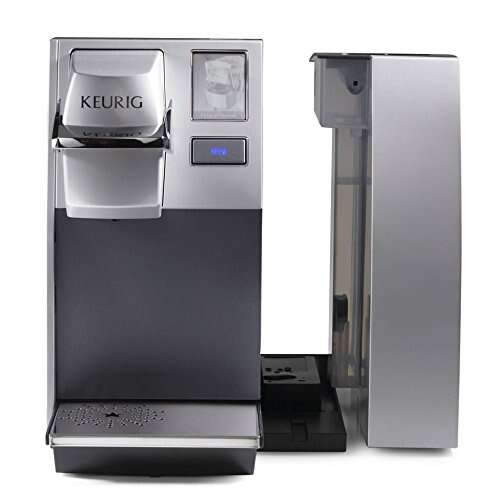
Single-serve machines (K-cup style)
- Fill the water tank with a 1:1 mix.
- Run water-only cycles between cleaning to flush the system.
-
Espresso machines and pod pressurized types
- Lemon juice is not ideal for internal pumps and boilers.
- Follow manufacturer guidance; use a descaler made for espresso units.
- For external parts, a lemon solution can clean portafilters and carafes.
How to clean coffee maker with lemon juice effectively depends on the machine. Drip machines respond best, while high-pressure machines need caution.

Deep descaling and tackling tough stains
For heavy scale build-up:
- Use a stronger mix of lemon juice and water (2:1). Run the cycle, then let the solution sit in the reservoir for up to 30 minutes before finishing.
- Repeat once if scale remains stubborn.
For coffee-ring stains in glass carafes:
- Make a paste with baking soda and water.
- Scrub gently with a soft cloth, then rinse.
For persistent odors:
- Run one cycle with lemon mix.
- Then run a cycle with plain water and a tablespoon of baking soda dissolved in the reservoir for an odor lift.
From personal testing, two cycles of a stronger solution often clears old scale. Be patient and repeat as needed when you want to master how to clean coffee maker with lemon juice effectively.

Maintenance tips to keep machines fresh longer
- Use filtered water to reduce scale.
- Empty grounds and rinse the basket after each use.
- Wipe the carafe and lid daily.
- Deep clean monthly or when brewing slows.
Store your machine with the reservoir open when not in heavy use. Small, regular steps make deep cleanings less frequent and keep coffee tasting better. These habits support how to clean coffee maker with lemon juice effectively over time.
:max_bytes(150000):strip_icc()/how-to-get-rid-of-stink-from-cutting-boards-GettyImages-2234927047-03c0c3ff307e4fed86886e46328b53cf.jpg)
Common mistakes to avoid
- Using undiluted lemon juice in the reservoir; it can be too acidic.
- Skipping rinse cycles; residue affects flavor.
- Forgetting removable parts; they trap oils and bacteria.
- Applying lemon to high-pressure espresso internals; follow the manual.
- Using abrasive scrubbers that scratch surfaces.
Avoid these errors and you’ll find cleaning faster and safer. Clear, simple steps help you learn how to clean coffee maker with lemon juice effectively.

Frequently Asked Questions of how to clean coffee maker with lemon juice effectively
Is lemon juice as effective as vinegar for descaling?
Lemon juice is effective because of citric acid. It removes scale and leaves a pleasant scent, though vinegar is slightly stronger for heavy buildup.
Can I use fresh lemon juice or only bottled?
Either works. Fresh juice smells nicer, but bottled lemon juice is consistent and convenient.
Will lemon juice damage my coffee maker?
When diluted and rinsed well, lemon juice is safe for most drip machines. Avoid using it in steam boilers and high-pressure espresso systems.
How long should the lemon solution sit in the machine?
Let the solution run through and sit 10 to 30 minutes depending on scale severity. Longer soak helps break down mineral deposits.
How often should I clean with lemon juice?
Clean monthly for daily users and more often if you have hard water. Quick rinses daily help keep buildup low.
Can lemon juice remove coffee oil buildup?
Lemon helps but may not remove all oils. Use warm soapy water for removable parts and a soft brush for stubborn residues.
Conclusion
Cleaning with lemon juice is affordable, natural, and effective when done right. Use the right ratio, run full cycles, and rinse well. Keep a simple routine and check your machine monthly to avoid heavy scale and bad tastes. Try today: schedule a quick lemon clean and enjoy fresher coffee tomorrow. Share your results, ask a question, or subscribe for more simple appliance care tips.

Liora Pennings is a seasoned chef and kitchen enthusiast with a passion for turning everyday cooking into an effortless experience. With years of hands-on culinary expertise, she specializes in practical techniques, ingredient know-how, and smart kitchen solutions that help home cooks elevate their meals. At KitchFlair.com, Liora shares her best tips, time-saving tricks, and honest product reviews to guide readers toward a more efficient, enjoyable, and inspired cooking routine. Whether you’re a beginner or a seasoned home chef, Liora’s friendly, knowledge-packed insights make every visit to the kitchen a little easier—and a lot more delicious.