How To Clean Coffee Maker Using Baking Soda Safely: Guide
Use a mild baking soda solution, rinse thoroughly, and scrub removable parts gently.
I’ve cleaned many home and office brewers, and I’ll show you safe, step-by-step methods to clean coffee maker using baking soda safely. This guide explains why baking soda works, when to use it, exact measurements, safety tips, and real-life lessons from my own coffee station cleanings.
Why cleaning matters
A clean brewer makes better coffee. Oils, old grounds, and mineral build-up change taste and clog parts. Regular cleaning keeps the machine working and extends its life.
Cleaning also prevents bacteria and mold growth in warm, wet parts. I learned that a neglected machine can taste stale within two weeks. Routine cleaning keeps flavor bright and machines reliable.
What you need to clean coffee maker using baking soda safely
Use simple items you probably already own:
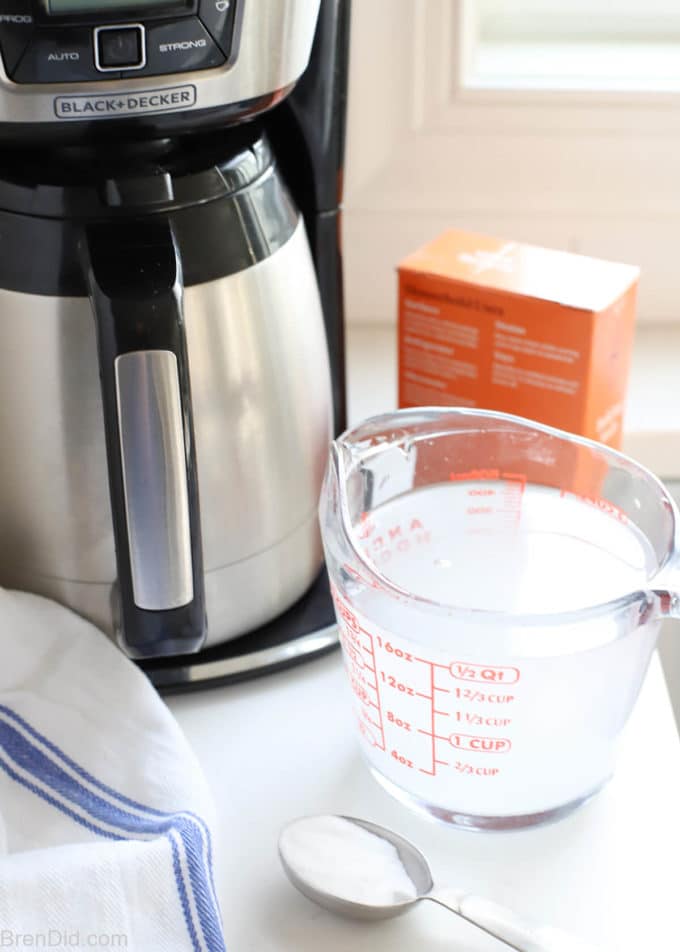
- Baking soda (sodium bicarbonate)
- Warm water
- Soft sponge or cloth
- Soft brush or old toothbrush
- Measuring spoon
- Clean container or bowl
- White vinegar (optional for heavy scale)
- Fresh water for rinsing
Always check your coffee maker manual before cleaning. Some parts are dishwasher-safe; others are not. I once ruined a plastic carafe by using very hot water, so check first.
Step-by-step: How to clean coffee maker using baking soda safely
Below is a safe, repeatable routine to clean coffee maker using baking soda safely. Follow each step and rinse well.
- Empty and unplug
- Turn off and unplug the machine. Remove used grounds and filters.
- Make the baking soda solution
- Mix 1 tablespoon baking soda with 2 cups warm water. Stir until mostly dissolved.
- Clean the carafe and removable parts
- Pour solution into the carafe. Use a soft sponge to scrub inside. For stubborn stains, sprinkle a little baking soda directly on the sponge. Rinse carafe well with clean water.
- Clean the brew basket and lid
- Soak the basket and lid in the baking soda solution for 10–15 minutes. Scrub lightly with a brush and rinse thoroughly.
- Clean hard-to-reach areas
- Use a toothbrush dipped in the baking soda solution to clean the spout, crevices, and seals. Wipe dry.
- Run a short rinse cycle through the machine
- Fill the reservoir with clean water and run one brewing cycle to rinse internal lines. Discard water.
- Repeat rinse
- Run a second full reservoir of clean water. This ensures no baking soda residue remains.
If you want deeper cleaning for oily residue, scrub with a paste of baking soda and a little water before rinsing. For frequent cleanings, use the milder solution above to avoid altering gaskets.
I use this method weekly for my drip brewer and monthly for my single-serve. It keeps flavor clean without harsh chemicals.
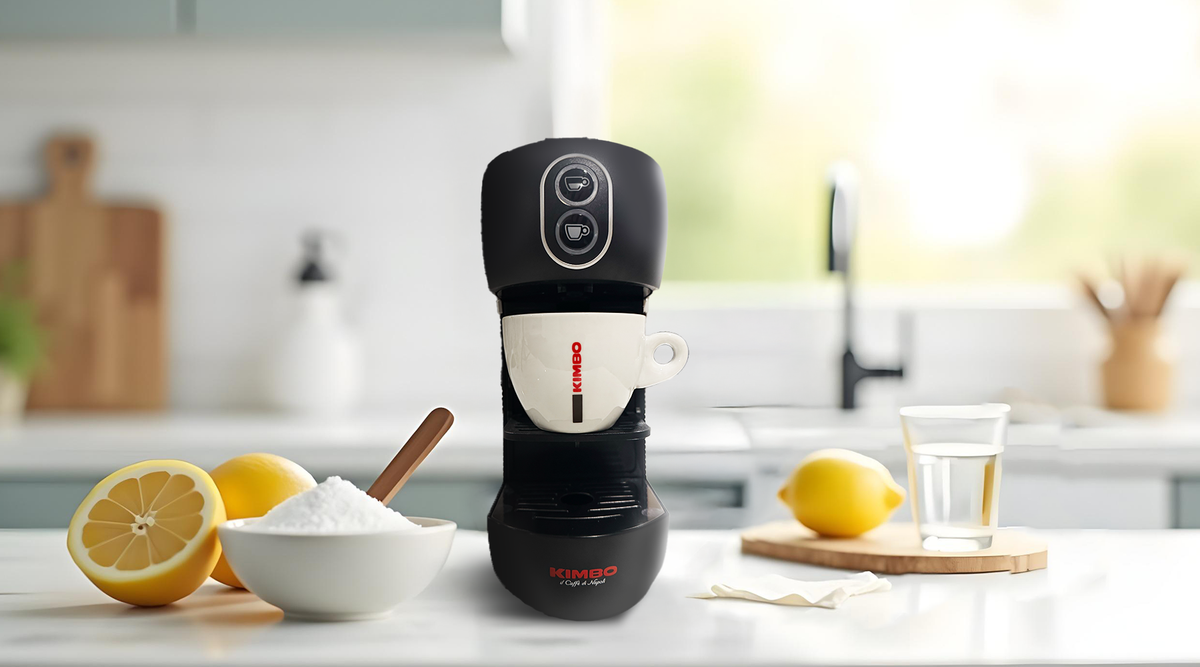
Cleaning removable parts and filter basket safely
Remove all parts you can. This prevents trapped grime and makes cleaning quick.
- Soak removable pieces in the baking soda solution for 10–20 minutes.
- Scrub with a soft brush.
- Rinse two or three times to remove all residue.
- Air dry or towel dry before reassembly.
Avoid abrasive pads on plastic. I learned that scrubbing too hard can scratch surfaces and create places for grime to hide.
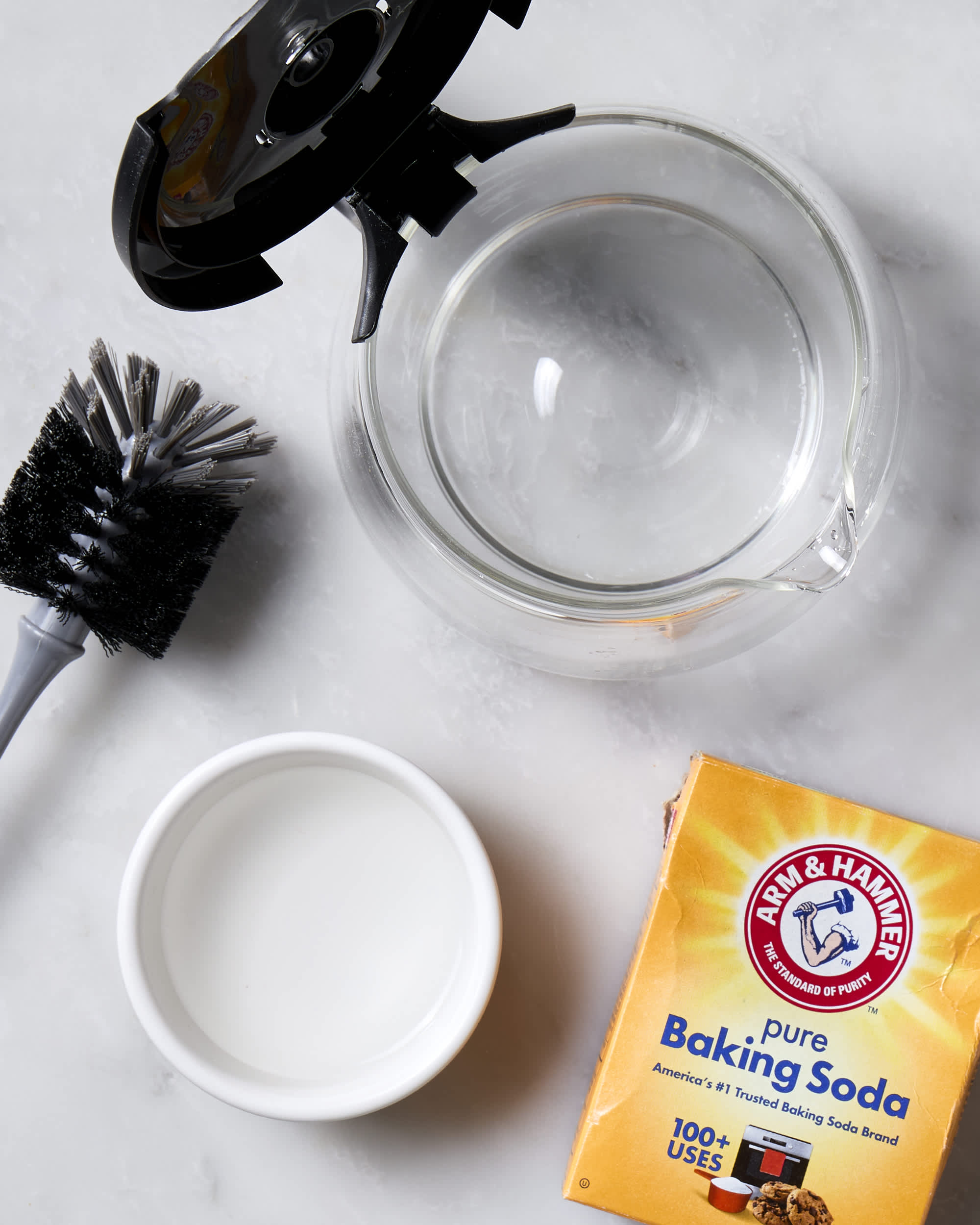
Descaling vs baking soda: when to use which
Baking soda cleans grime and neutralizes odors. It is mild and good for daily or weekly cleaning. However, baking soda is not a strong descaler for heavy mineral deposits.
For visible limescale use:
- Vinegar or citric acid for descaling
- Manufacturer-recommended descaler for safe results
Use baking soda between descaling sessions. I alternate: monthly descaling with citric acid, and weekly cleaning with baking soda. This combo keeps the machine both clean and free of scale.

Safety tips and precautions when cleaning with baking soda
Keep cleaning safe and effective with these rules:
- Always unplug the machine before cleaning internal parts.
- Never mix baking soda with vinegar inside the machine at the same time. The fizz can push residue into lines.
- Avoid strong scrubbing on coated or plastic parts.
- Rinse thoroughly to prevent salty taste from leftover baking soda.
- Check seals and gaskets for wear during cleaning.
I once mixed cleaning agents and got foam in the reservoir. Since then I clean with one agent at a time and always run multiple rinse cycles.
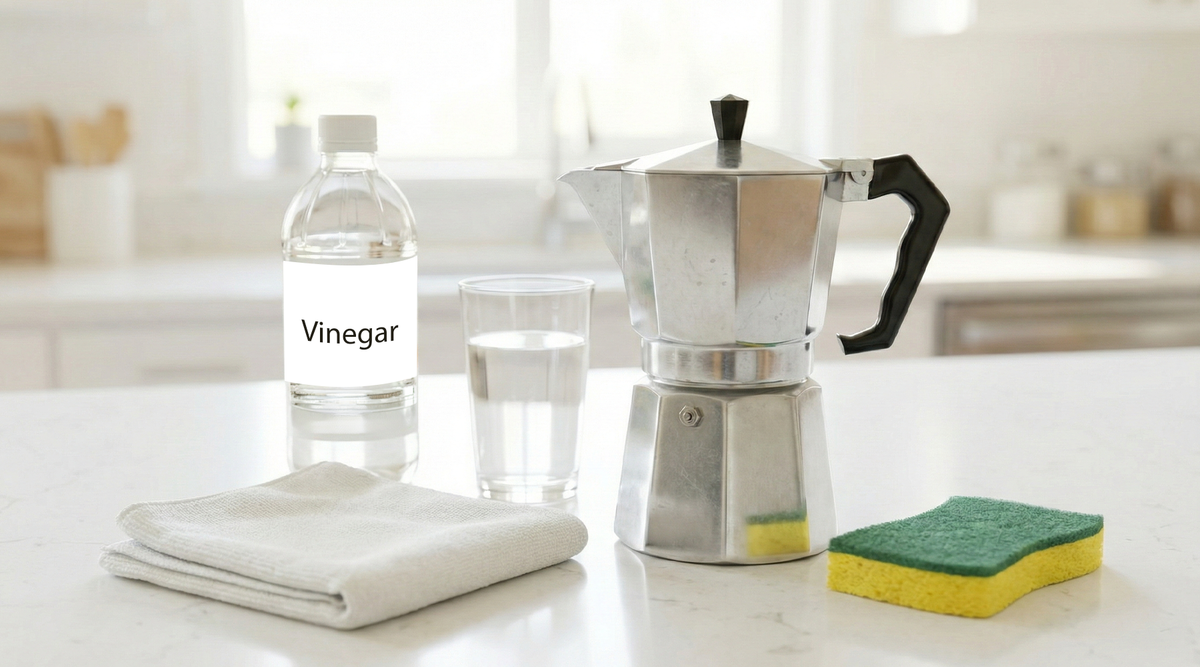
Maintenance schedule and quick daily tips
A simple schedule keeps your brewer in top shape:
- Daily: Empty grounds, rinse carafe, wipe exterior.
- Weekly: Clean removable parts with baking soda solution.
- Monthly: Descale if you have hard water or notice slow brewing.
- Every 3–6 months: Inspect seals and filter holder for wear.
Quick habits to save time:
- Use filtered water to reduce scale.
- Use reusable filters with regular cleaning.
- Keep the lid and brew basket dry when not in use.

Troubleshooting common problems
Coffee tastes off after cleaning
- Likely baking soda residue or soap. Rinse with two full tanks of fresh water and brew once without grounds.
Persistent scale
- Baking soda will not remove heavy mineral build-up. Use a descaler or vinegar and follow with multiple rinses.
Stains that won’t come off
- Make a thick baking soda paste, apply, wait 15 minutes, then scrub gently and rinse.
If problems persist, consult the machine’s manual or manufacturer support for parts and guidance.

Frequently Asked Questions of how to clean coffee maker using baking soda safely
How often should I clean my coffee maker using baking soda safely?
Clean removable parts with baking soda weekly and do a full internal rinse every 1–2 weeks. Descale monthly or as needed.
Will baking soda damage my coffee maker?
Baking soda is mild and safe for most parts when used correctly. Avoid abrasive scrubbing and check the manual for plastics.
Can I mix baking soda and vinegar to clean the machine faster?
Do not mix them inside the machine. The reaction produces foam and can push debris into the water lines. Use one method at a time.
How do I remove baking soda taste after cleaning?
Run two full reservoirs of clean water through the machine and brew a plain water cycle. This removes residual powder and taste.
Is baking soda good for descaling?
Baking soda helps with grime and odors but is weak on limescale. Use vinegar, citric acid, or a commercial descaler for heavy mineral deposits.
Can I use baking soda on a single-serve machine?
Yes, for removable parts and mild cleaning. For internal lines, run a mild solution and rinse thoroughly, and always check the manufacturer’s instructions.
Conclusion
Cleaning your brewer with baking soda is an easy, safe way to remove oils, stains, and odors while protecting parts. Use simple measurements, rinse well, and pair baking soda cleaning with periodic descaling for the best results. Try the step-by-step routine this week and you’ll taste the difference in your next cup. Leave a comment with your cleaning tips, subscribe for more home-care guides, or try a cleaning session and share what worked for you.

Liora Pennings is a seasoned chef and kitchen enthusiast with a passion for turning everyday cooking into an effortless experience. With years of hands-on culinary expertise, she specializes in practical techniques, ingredient know-how, and smart kitchen solutions that help home cooks elevate their meals. At KitchFlair.com, Liora shares her best tips, time-saving tricks, and honest product reviews to guide readers toward a more efficient, enjoyable, and inspired cooking routine. Whether you’re a beginner or a seasoned home chef, Liora’s friendly, knowledge-packed insights make every visit to the kitchen a little easier—and a lot more delicious.