How To Fix Vacuum Cleaner Hose Collapsing During Use: Tips
Replace kinks, clear clogs, or add a support coil to stop the hose from collapsing.
I’ve fixed dozens of vacuum hoses for friends and clients. I know how to fix vacuum cleaner hose collapsing during use. This guide shows clear causes, safe fixes, and long‑term prevention. Read on for step‑by‑step repairs, tools to use, and real tips from my hands‑on work.

Why vacuum hoses collapse and what it means
A hose that collapses cuts airflow. That makes the vacuum weak and stresses the motor. Common causes are kinks, soft walls, clogs, worn fittings, or too-strong suction on flexible hoses. Understanding the cause helps you pick the right fix fast.
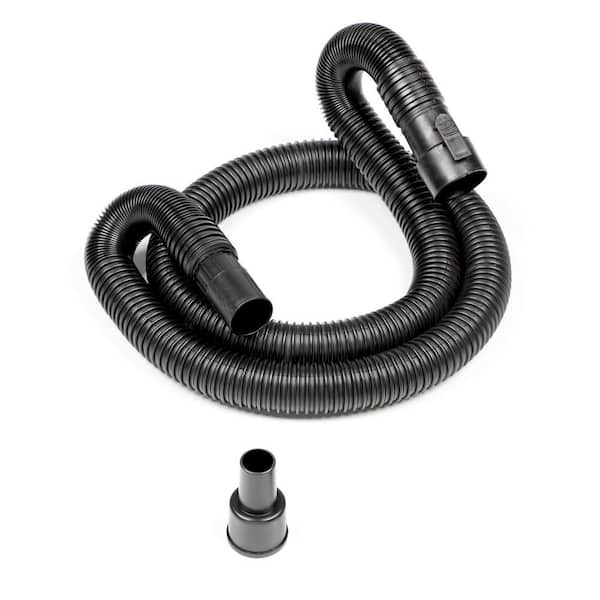
Tools and parts you'll need
Keep a small kit ready. It saves time and prevents damage.
- A flashlight to inspect inside the hose.
- A broom handle or long rod to push clogs gently.
- Replacement hose clamps and cleaner-safe tape.
- A spiral support coil or wire spring for reinforcement.
- Scissors and utility knife for trimming damaged ends.
- A repair sleeve or hose repair kit made for vacuums.

Step‑by‑step fixes for how to fix vacuum cleaner hose collapsing during use
Start by unplugging the vacuum. Always cut power before you work.
- Inspect the hose inside and out
- Shine the flashlight through the hose.
- Look for kinks, soft spots, or holes.
- Note if the collapse happens under heavy suction or during turns.
- Clear clogs and check attachments
- Remove wand and tools.
- Use a long rod to push debris to the base.
- Empty the canister or bag and check filters.
- Repair small soft spots or punctures
- Dry the hose and clean the area.
- Wrap a repair sleeve or heavy tape around the soft spot.
- Reinforce with hose clamp if near the end.
- Fix kinks and prevent repeat bends
- Gently heat the area with warm water to relax the plastic. Do not use an open flame.
- Reshape by hand or slide the hose on a round form until it cools.
- Add a spiral support coil where it kinks most.
- Add internal or external support
- Insert a wire spring or spiral support inside flexible hose types.
- Fit an external coil for hoses that collapse near joints.
- Secure both ends with hose clamps to keep the support from moving.
- Replace worn ends and attachments
- Cut back ragged ends squarely.
- Slide on a new cuff or connector.
- Tighten clamps and test for leaks.
- Test under normal use
- Run the vacuum on low first.
- Watch for new weak spots.
- Increase suction and test again to confirm the fix.
These steps cover most cases of how to fix vacuum cleaner hose collapsing during use. If the hose is split along a long section, replacement is safer.
Preventive maintenance to stop hose collapse
Small habits keep hoses sturdy.
- Empty bags and canisters often to reduce suction strain.
- Check filters monthly to keep airflow steady.
- Avoid sharp turns or tight wraps when storing the hose.
- Use the right power setting for tools and floor types.
- Replace cheap hoses with thicker, reinforced types if you use the vacuum often.

When to repair vs replace your hose
Repair when damage is local and minor. Patches and supports work well for short soft spots. Replace when the hose has many soft areas, large splits, or internal coil failure. A new hose restores full airflow and saves motor wear in the long run.

Costs and parts: what to expect
Prices vary by brand and hose type. Expect these general ranges.
- Repair kits and coils: low cost, usually under $20.
- Aftermarket hoses: $25–$80 for common models.
- OEM replacement hoses: $50–$150 depending on brand.
- Labor if you hire a repair shop: $25–$75.
Investing in a good hose often pays off. It reduces motor wear and keeps suction steady.

Real-life examples and troubleshooting tips
A client once had their hose collapse only when using the turbo head. I found a torn inner coil near the swivel. I added a spiral support and trimmed the cuff. The vacuum ran like new. Lesson: test the hose with the real tool you use most.
Common mistakes to avoid:
- Forcing a rod too hard and ripping the hose wall.
- Using duct tape that falls off when wet.
- Ignoring filters, which often cause false collapse signals.
If you hear flappling sounds, check the end fittings. If collapse is sudden, look for large debris stuck near the motor.
Quick people‑ask questions about how to fix vacuum cleaner hose collapsing during use
What causes a hose to collapse only sometimes?
- Variable collapse often means a weak spot that gives under high suction. It can also be due to intermittent clogs or a failing inner coil.
Can I use household tape for a temporary fix?
- You can for a short time, but choose strong, waterproof tape. A repair sleeve or hose clamp is more reliable long term.
Is a collapsed hose bad for the vacuum motor?
- Yes. Reduced airflow forces the motor to work harder. That raises heat and shortens motor life.
Will heating the hose restore shape?
- Warm water can relax plastic and fix small bends. Do not use open flames or hot tools that melt the hose.
How long does a repaired hose last?
- That depends on the damage and repair quality. A good repair can last months to years if the hose is handled gently.
Frequently Asked Questions of how to fix vacuum cleaner hose collapsing during use
Why does my vacuum hose collapse only when vacuuming rugs?
Rugs create high resistance that raises suction. Thin or old hoses can cave in under that load. Try a support coil or lower the suction setting for rugs.
Can I insert a metal spring inside the hose?
Yes, a properly sized spiral spring works well. Make sure it fits snugly and does not damage the hose wall.
How do I tell if the inner coil is broken?
Listen for a rattling or sliding sound. Shine a flashlight through the hose; gaps or wavy shapes often show a broken coil.
Is it safe to cut out a damaged section and rejoin the hose?
Yes, if you use a repair coupling made for vacuum hoses. Ensure the cut is square and the coupling seals tight with clamps.
My hose keeps collapsing near the handle swivel. What should I do?
Check the swivel for wear. Replace the cuff or add an external support coil. Tighten any loose clamps around the swivel.
Will a new hose improve suction noticeably?
If the old hose was collapsed or clogged, a new hose restores airflow and gives a clear suction boost. It also reduces strain on the motor.
Conclusion
You can fix most hose collapses with simple tools and careful work. Inspect, clear clogs, reinforce weak spots, and replace ends or the whole hose when needed. Quick repairs save money, and good maintenance keeps your vacuum strong. Try a repair this weekend, share your results, or ask a question below to get tailored advice.

Liora Pennings is a seasoned chef and kitchen enthusiast with a passion for turning everyday cooking into an effortless experience. With years of hands-on culinary expertise, she specializes in practical techniques, ingredient know-how, and smart kitchen solutions that help home cooks elevate their meals. At KitchFlair.com, Liora shares her best tips, time-saving tricks, and honest product reviews to guide readers toward a more efficient, enjoyable, and inspired cooking routine. Whether you’re a beginner or a seasoned home chef, Liora’s friendly, knowledge-packed insights make every visit to the kitchen a little easier—and a lot more delicious.