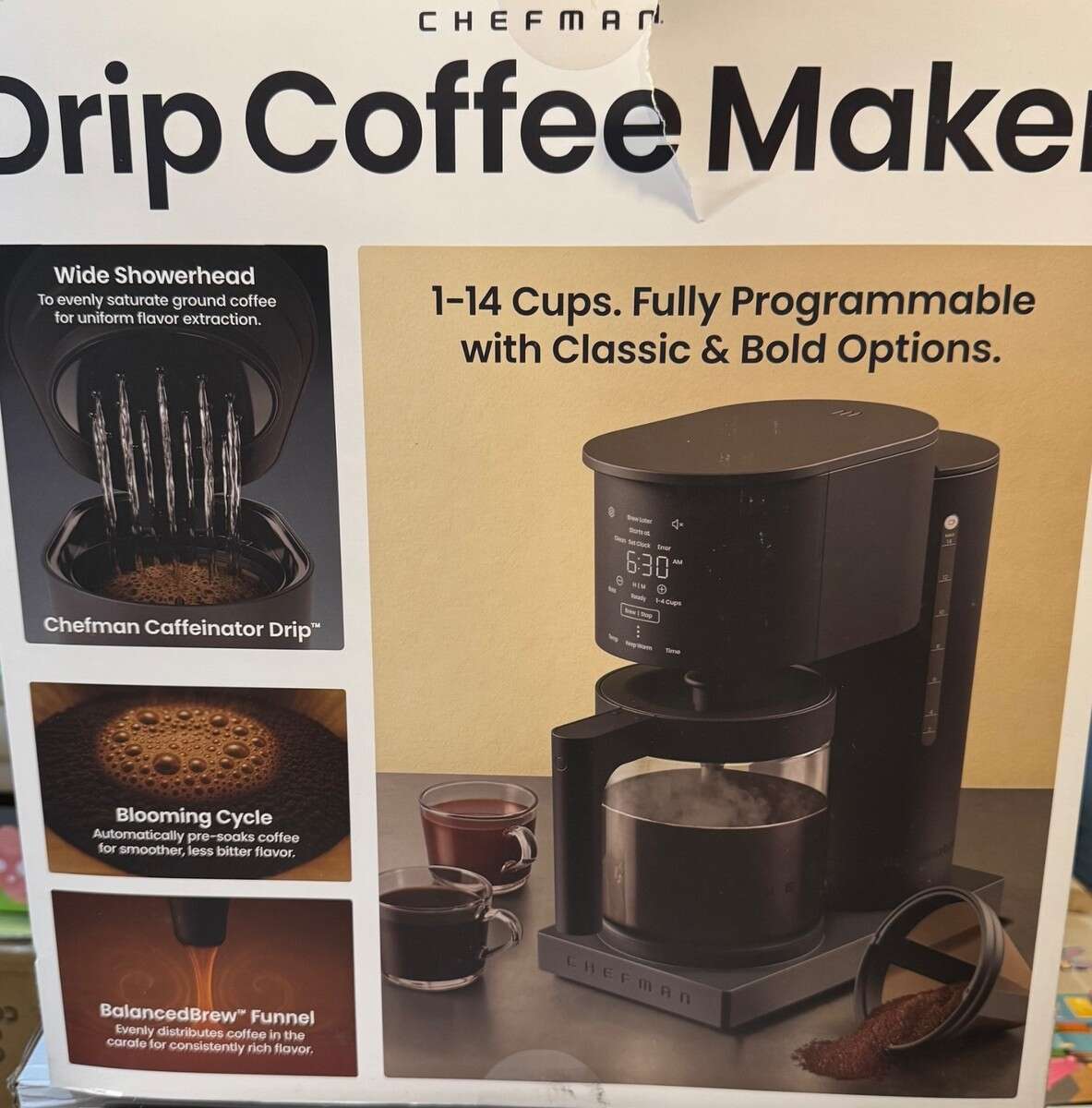
How To Make Coffee Smoother Using Regular Drip Machine: Tips
Use medium grind, slightly cooler water, and a clean rinsed filter for a smoother drip cup.
I’ve brewed thousands of cups on regular drip machines and taught barista basics to friends. This guide breaks down exactly how to make coffee smoother using a regular drip machine. You’ll get clear steps, simple science, real-life tips, and troubleshooting so your morning cup is less bitter, less acidic, and more balanced.
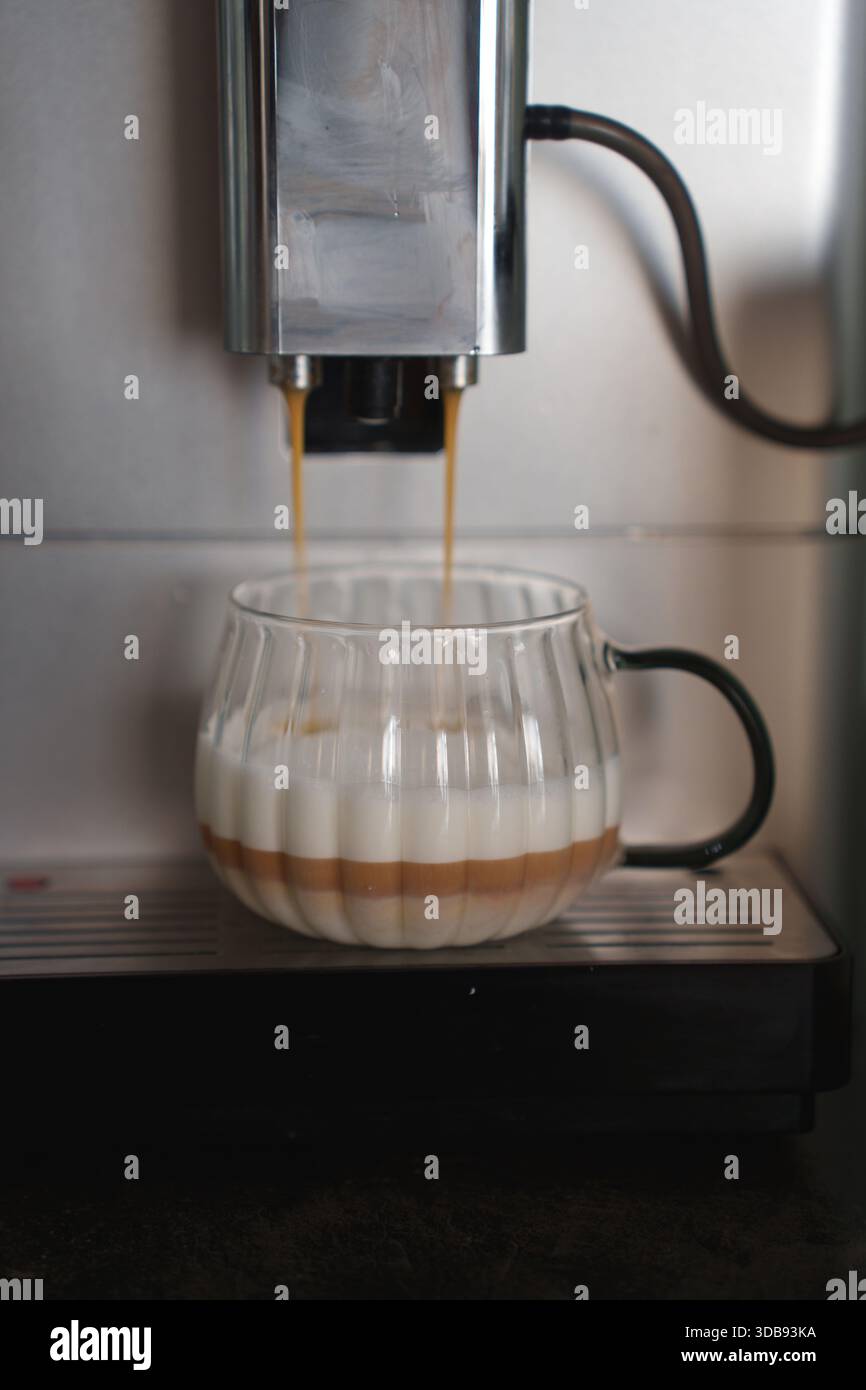
Why drip coffee often tastes harsh
Drip machines are simple. They don’t control every variable precisely. Small issues add up and create harsh, bitter, or sour flavors.
Common causes include:
- Too-fine grind that over-extracts bitter compounds.
- Water that’s too hot extracting harsh oils.
- Old beans or uneven grind delivering inconsistent extraction.
- Paper filters left un-rinsed that add papery flavors.
Knowing what each factor does helps when you learn how to make coffee smoother using regular drip machine. Fix one thing at a time and taste the change.
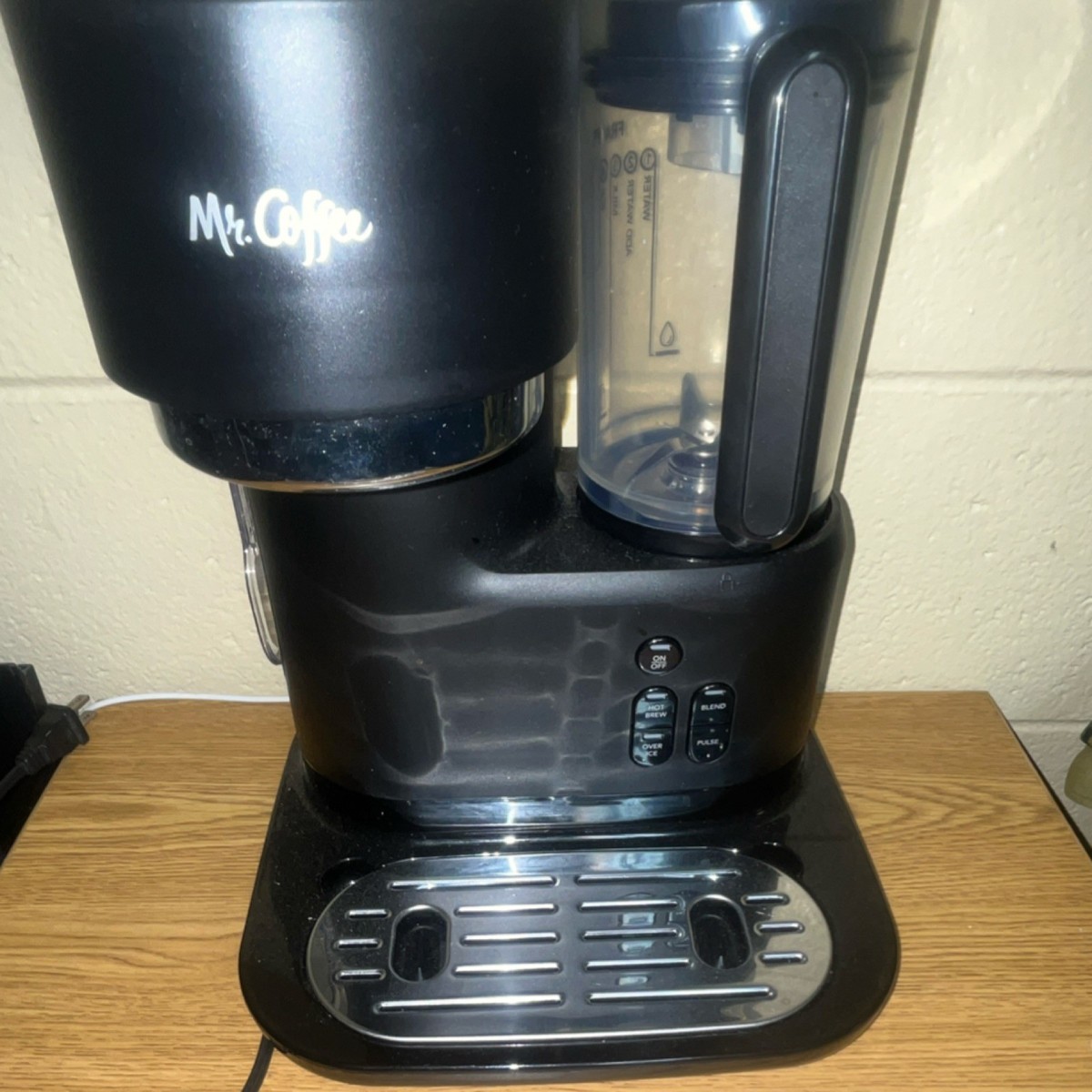
Key variables that affect smoothness
Smoother coffee results from balancing grind, water, dose, temperature, and filter. Each change affects extraction and mouthfeel.
Grind size
- Medium grind is the sweet spot for most drip machines.
- Too fine = bitterness; too coarse = sour or weak.
Coffee dose
- Aim for 1:15 to 1:17 coffee-to-water ratio (by weight) for balanced flavor.
- For 12 oz (about 340 ml) try 20–23 g coffee.
Water quality and temperature
– Use fresh, filtered water.
- Ideal brew temp is 195–205°F (90–96°C). If your machine runs hot, try slightly cooler water to avoid over-extraction.
Filter choice and prep
- Paper filters remove oils and micro-fines for a cleaner cup.
- Rinse paper filters with hot water before brewing to remove papery taste and preheat the carafe.
Brew speed
- Fast flow can under-extract; slow dripping may over-extract. Aim for even saturation and consistent flow.
These variables are the core of how to make coffee smoother using regular drip machine. Tweak them in small steps and record results.

People also ask
Q: Will grinding coarser always make coffee smoother?
A: Grinding coarser reduces bitterness from over-extraction but can make the cup thin if too coarse. Adjust dose to compensate.
Q: Does rinsing a paper filter help?
A: Yes. Rinsing removes papery flavors and warms the brewer for more consistent extraction.
Q: Can water hardness affect smoothness?
A: Hard water can mute flavors and cause buildup; moderately filtered water usually gives the best balance.

Step-by-step: How to make coffee smoother using regular drip machine
Follow this routine to get a consistently smoother cup from a home drip brewer.
- Start with fresh beans
- Buy whole beans roasted within the last 2–4 weeks.
- Store in an airtight tin away from heat and light.
- Use a medium grind
- Set your grinder to a medium setting. Aim for texture like coarse sand.
- If coffee is bitter, coarsen by one notch. If weak, go slightly finer.
- Measure precisely
- Use a kitchen scale. Aim for 1:15 to 1:17 ratio.
- Example: 22 g coffee to 330 g water.
- Rinse the paper filter
- Place filter and pour hot water through it.
- Discard the rinse water and keep the machine warm.
- Control water temperature
- If your machine lacks temperature control, pour preheated water (195–205°F) into the reservoir to avoid overheating.
- If the machine runs very hot, cool the water slightly to around 190°F.
- Brew and taste
- Brew as normal. Taste the cup after the machine finishes.
- Note bitterness, sourness, body, and aroma.
- Adjust in small steps
- Bitter? Coarsen grind or lower brew temperature by 3–5°F.
- Sour? Finer grind or slightly higher temperature.
- Thin body? Slightly increase dose or use a metal filter for more oils.
Repeat these steps while logging changes. This is the cleanest approach to how to make coffee smoother using regular drip machine.

Advanced tweaks and recipe variations
Once the basics work, try subtle changes to tailor smoothness and flavor.
Use a paper + metal combo
- Use a metal filter basket inside a rinsed paper filter for extra body without papery taste.
Pre-infusion / bloom hack
- Pour a small amount of hot water manually over grounds for 20–30 seconds before full brew if your machine allows. This reduces trapped CO2 and evens extraction.
Add a pinch of salt
- A tiny pinch of fine salt (less than 1/8 tsp per pot) can round bitterness and enhance sweetness for some palates.
Try lower dose, longer brew
- Slightly reduce coffee dose and let the machine draw more slowly for a gentler extraction.
Cold-brew blend for hot drip
- Blend 20–30% darker roasted beans into your usual beans to add smoothness, especially if your drip runs hot.
These are practical ways to refine how to make coffee smoother using regular drip machine without expensive gear.
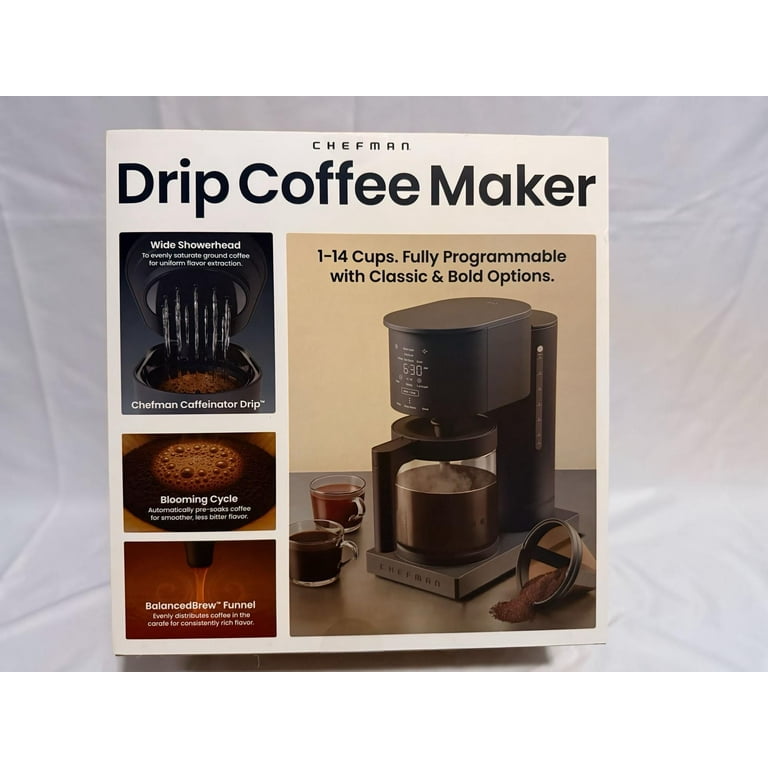
Common mistakes and troubleshooting
Here are typical errors and quick fixes.
Problem: Bitter cup
- Fix: Coarser grind, lower water temp, rinse filter, use fresher beans.
Problem: Sour or weak cup
- Fix: Slightly finer grind, increase dose, ensure hot water temperature.
Problem: Papery or flat taste
- Fix: Rinse paper filter, clean machine, refresh beans.
Problem: Inconsistent results
- Fix: Standardize steps—same grind, dose, and water each time. Keep a brew log.
These quick fixes cover most home drip complaints and help you learn how to make coffee smoother using regular drip machine.

Equipment, maintenance, and small upgrades
Small changes to gear and upkeep pay big flavor dividends.
Essential items
- Burr grinder for even particle size.
- Kitchen scale for accurate dosing.
- Gooseneck kettle if you manually pour water into the reservoir.
Maintenance tips
- Descale machine 1–3 times yearly depending on water hardness.
- Clean brew basket and carafe after each use.
- Replace paper filters regularly and store them dry.
Worthwhile upgrades
- Better burr grinder yields a cleaner, smoother cup than blade grinders.
- A thermal carafe keeps coffee stable without burning it on a hot plate.
Good maintenance is a core part of how to make coffee smoother using regular drip machine. Treat your equipment well and it will repay you with better cups.
:max_bytes(150000):strip_icc()/faw-technivorm-moccamaster-kbgv-select-10c-coffee-maker-nsimpson-50-1-46e4dc9cb33544a185fab8b24919e588.jpeg)
My experience, tests, and lessons learned
I switched from instant coffee to drip in my twenties. Early mistakes taught me faster than any guide.
What I learned
- A cheap blade grinder made bright, bitter cups. A burr grinder smoothed acidity with the same beans.
- Rinsing the filter was a tiny step that improved every batch overnight.
- Recording grind and dose changes helped me recreate great brews.
A real test
- I brewed the same medium roast three ways: too fine, medium, and too coarse. Medium produced the cleanest, most balanced cup. That experiment cemented why precise grind matters for how to make coffee smoother using regular drip machine.
Common mistakes I still see friends make
- Skipping rinsing, ignoring bean age, and relying on scoops rather than a scale. Avoid these to save time and get better coffee fast.

Source: amazon.com
Frequently Asked Questions of how to make coffee smoother using regular drip machine
What grind size should I use for smoother drip coffee?
Use a medium grind, similar to coarse sand. Adjust one step coarser if the coffee tastes bitter.
Should I rinse paper filters every time?
Yes. Rinsing removes papery flavors and preheats the brewer for a cleaner, smoother cup.
Can I fix bitter coffee after brewing?
You can dilute slightly with hot water or add a splash of milk. For long term, change grind, dose, or water temperature.
How much coffee do I use per cup?
Aim for a 1:15 to 1:17 coffee-to-water ratio by weight. For a 12 oz cup, about 20–23 g of coffee is a good start.
Does bean roast level affect smoothness?
Yes. Lighter roasts can taste brighter or sharper; medium to medium-dark roasts often feel smoother and sweeter.
Conclusion
Smoother drip coffee comes from small, consistent changes: use fresh beans, a medium grind, rinse filters, control temperature, and measure by weight. Test one variable at a time and keep notes. Start with the simple steps today—rinse that filter, adjust your grind, and notice the difference. Try the techniques here, share your results, and leave a comment about what worked for you.

Liora Pennings is a seasoned chef and kitchen enthusiast with a passion for turning everyday cooking into an effortless experience. With years of hands-on culinary expertise, she specializes in practical techniques, ingredient know-how, and smart kitchen solutions that help home cooks elevate their meals. At KitchFlair.com, Liora shares her best tips, time-saving tricks, and honest product reviews to guide readers toward a more efficient, enjoyable, and inspired cooking routine. Whether you’re a beginner or a seasoned home chef, Liora’s friendly, knowledge-packed insights make every visit to the kitchen a little easier—and a lot more delicious.