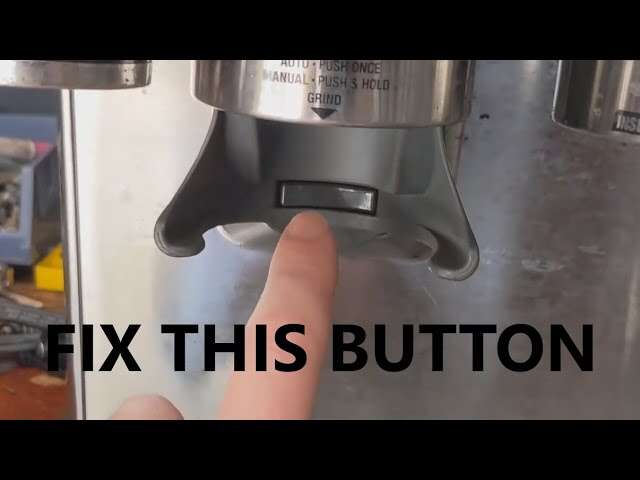
How To Clean Coffee Grinder Burrs Without Damaging Them:DIY
Use a burr brush and grinder-cleaning tablets; disassemble gently and keep parts dry to avoid damage.
I’ve cleaned hundreds of home and commercial coffee grinders. I’ll walk you through tested, safe steps for how to clean coffee grinder burrs without damaging them. This guide covers tools, step-by-step methods for both removable and fixed burrs, common mistakes, and simple maintenance tips you can use today. Read on for clear, confident advice you can trust.

Why clean your burrs and what can go wrong
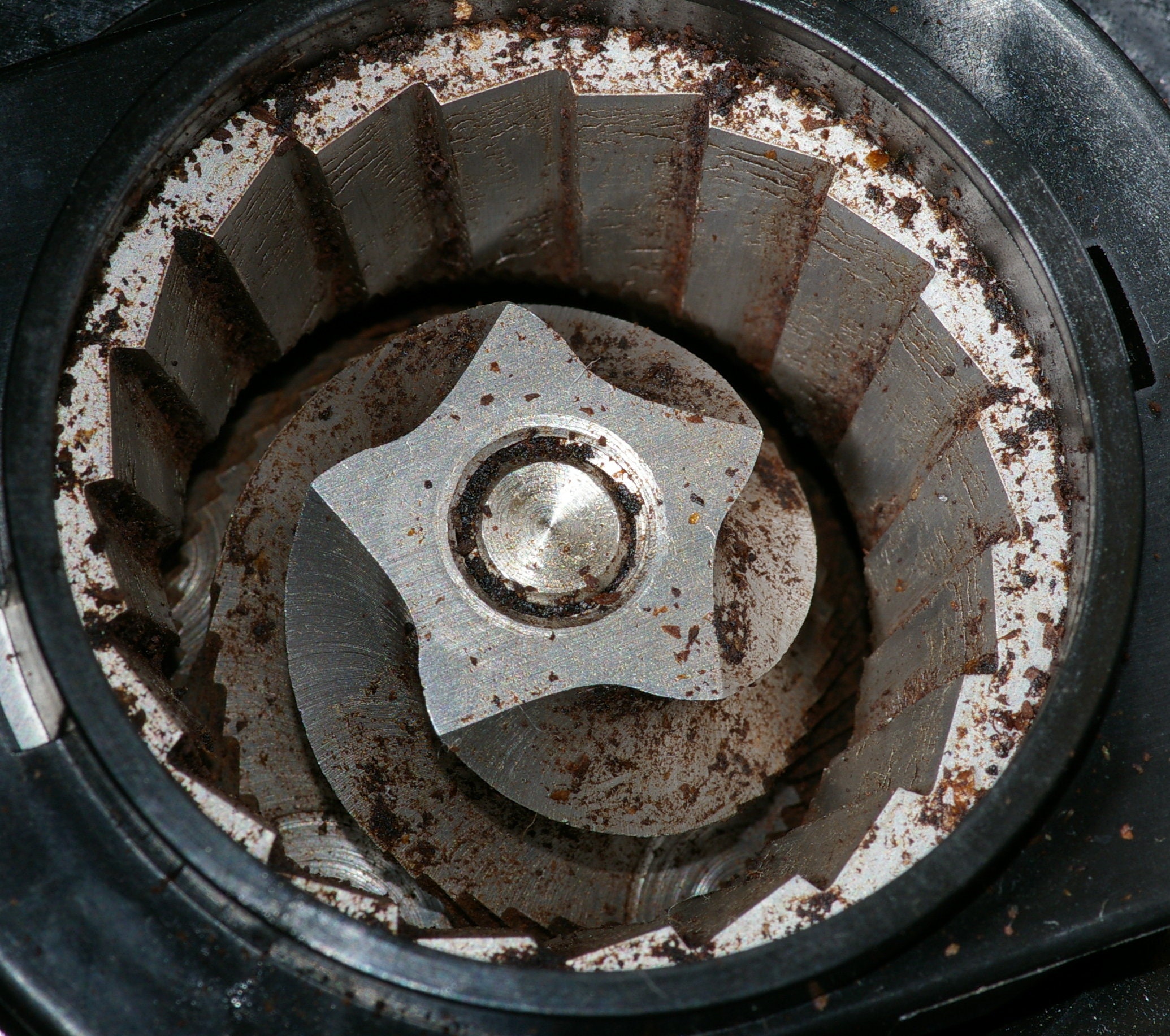
Clean burrs make better coffee. Old grounds and oils change flavor and clog the grinder. Buildup also stresses the motor and wears parts faster. Knowing how to clean coffee grinder burrs without damaging them protects flavor and extends the grinder’s life.
Common risks when you clean wrong
- Using water on electrical parts can ruin motors.
- Scraping burrs with metal tools can nick or dull edges.
- Forcing parts apart can break plastic tabs and screws.
Tools and supplies you need
Gather simple gear before you start. Use only tools that will not scratch or corrode the burrs.
- Soft burr brush or dedicated grinder brush for dry cleaning.
- Grinder-cleaning tablets made for coffee grinders.
- A small, soft paintbrush or toothbrush for tight spots.
- Compressed air can for dusting (short bursts only).
- Microfiber cloths for wiping removable parts.
- Small bowl to hold screws and parts.
- Vacuum with a crevice tool for extra cleanup.
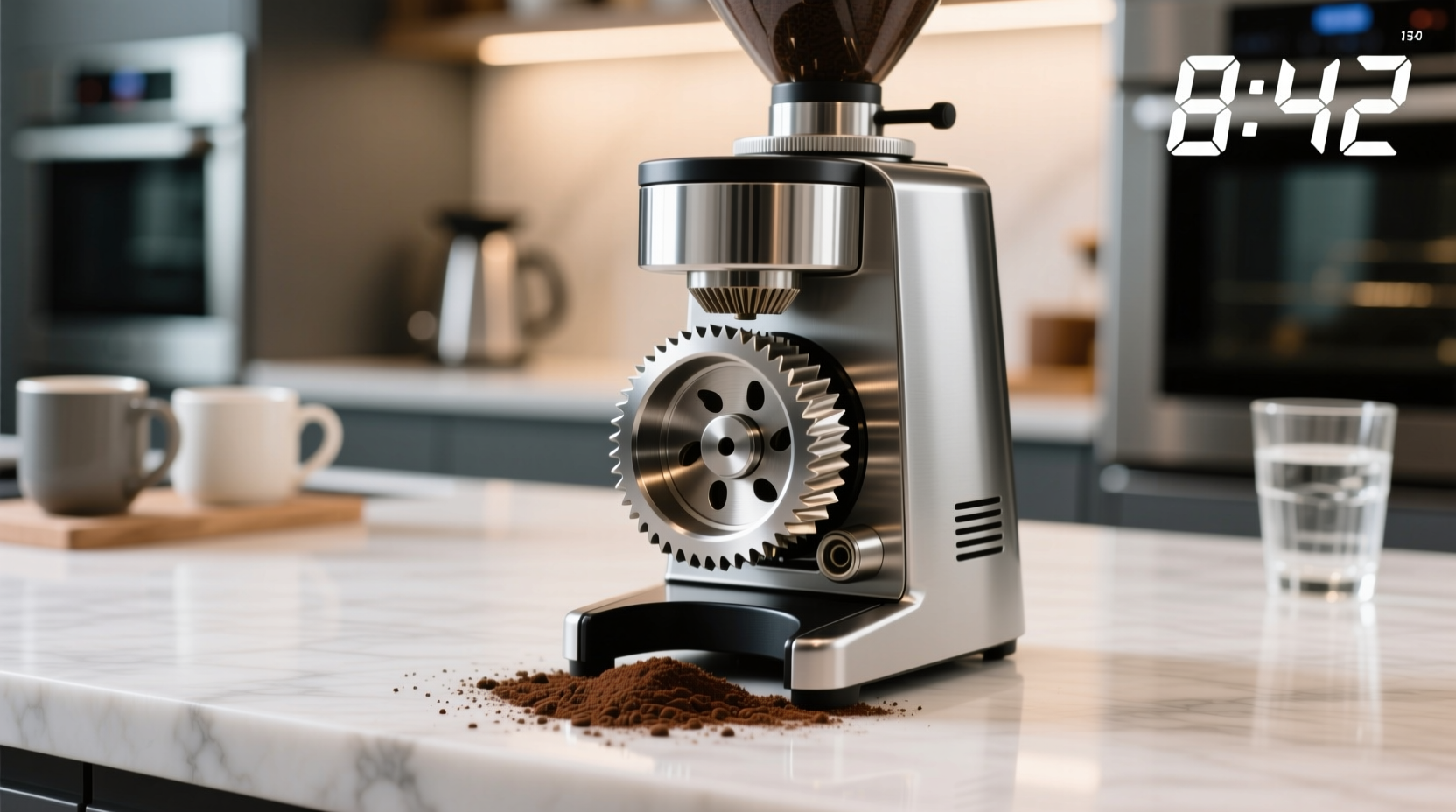
How to clean coffee grinder burrs without damaging them — removable burrs (step-by-step)
This method is for grinders with removable burr sets. Read your manual before you begin. Follow steps slowly and keep parts organized.
- Unplug the grinder and remove beans.
- Note settings or take a photo of the grinder’s assembly. This makes reassembly easy.
- Remove the hopper and any screws or clips. Place small parts in a bowl.
- Take out the burrs gently. Do not pry with metal tools.
- Use the brush to sweep grounds off both burrs. Work from center to edge.
- Use compressed air in short bursts to blow trapped grounds away.
- If residue is oily, run a single cleaning tablet through the grinder. Then brush out the remains.
- Wipe non-burr surfaces with a dry microfiber cloth. Let parts air-dry completely before reassembly.
- Reassemble, reset settings, and grind a small batch of beans to check.
Tips to avoid damage
- Never soak burrs in water unless the manual explicitly allows it.
- Avoid metal picks or knives on the burr surface.
- Use gentle pressure when cleaning the burr teeth.
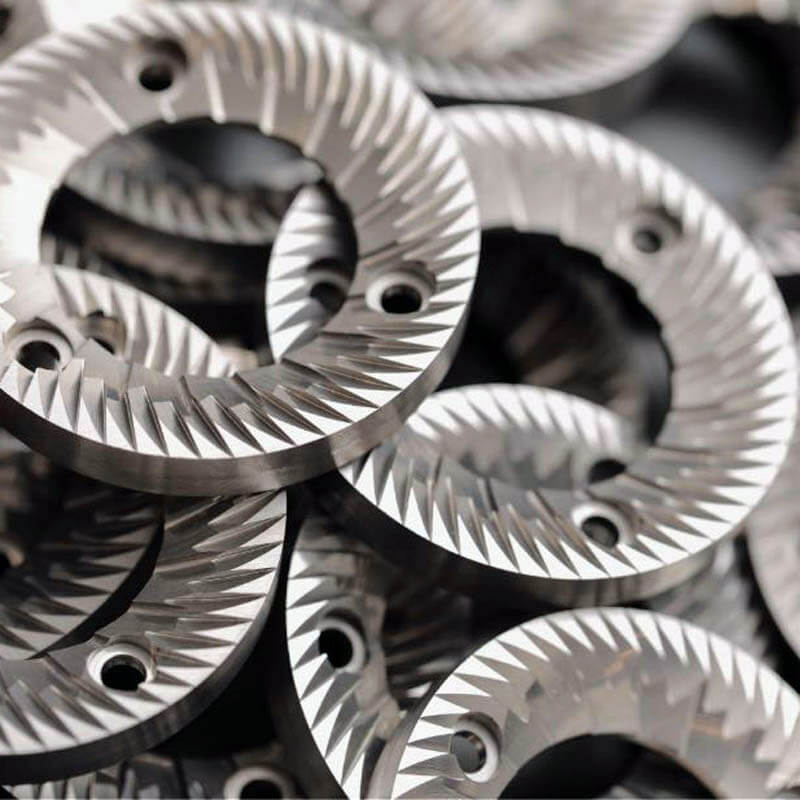
How to clean coffee grinder burrs without damaging them — non-removable burrs
Many home grinders have fixed burrs. You can still clean them without removing them.
- Unplug the grinder and empty the hopper.
- Brush visible grounds out of the chute and around the burr area.
- Run a grinder-cleaning tablet per the tablet instructions. This helps absorb oils and dislodge residues.
- Use short bursts of compressed air to clear loose grounds.
- Vacuum the chute and catch tray to remove debris.
- Test-grind a small amount of cheap beans to clear any tablet residue.
What not to do
- Do not insert liquids into the chamber.
- Do not jam tools between fixed burrs.
:max_bytes(150000):strip_icc()/sea-how-to-clean-a-coffee-grinder-irvin-lin-16-e84d5b11ecfe43e384a6d18109682785.jpeg)
Deep cleaning: tablets, rice myth, and wet cleaning
Cleaning tablets
- Grinder-cleaning tablets are safe for most burrs. They dislodge oils and remove buildup.
- Follow the tablet manufacturer’s instructions and run a few coffee beans afterward.
Rice myth
- Do not use uncooked rice to clean burrs. Hard rice fragments can scratch and dull burrs and leave residue.
- Rice can also create dust that clogs motors in the long run.
Wet cleaning
- Only wet-clean if the manual allows it. If allowed, use warm water and mild soap on removable burrs only.
- Dry thoroughly. Moisture causes rust and electrical issues.

Maintenance routine to prevent damage and keep flavor consistent
A simple routine keeps the grinder healthy. Stick to short, regular steps.
- Daily: Empty the hopper and brush visible grounds.
- Weekly: Brush burrs and run a small test grind.
- Monthly: Use a grinder-cleaning tablet or perform a deeper brush cleaning.
- Replace burrs when you notice uneven grind or dullness, usually after hundreds to thousands of hours of use.
Calibration and care
- Recalibrate after reassembly. Wear can change grind settings.
- Avoid exposing the grinder to humidity and extreme heat.

Personal experience, mistakes I’ve seen, and practical tips
I once ruined a commercial grinder by soaking its burrs overnight. The metal housing rusted and parts warped. I learned to always check the manual and dry parts completely.
Real tips that helped me
- Take a photo before disassembly. It saves time and stress.
- Use a small cloth over the bench to catch tiny screws.
- If you don’t trust the tablet, brush first, then run the tablet.
Common mistakes to avoid
- Forcing old screws or clips. Apply gentle, steady pressure.
- Using household cleaners or solvents on burrs.
- Ignoring strange sounds. Grinding noises often signal a loose part or clog.

PAA-style questions (short answers)
What happens if I use water on my burrs?
If your manual forbids water, do not use it. Water often causes rust and motor damage unless parts are designed to be washed.
How often should I use cleaning tablets?
Use a tablet once a month for home use or every few weeks for heavy use. Adjust based on oil buildup and roast level.
Can I clean burrs with a vacuum?
Yes. Use a small crevice tool and low suction to remove loose grounds without touching the burr edges.
Will cleaning change my grind settings?
Cleaning can slightly change the grind feel. Recheck and recalibrate settings after reassembly to restore consistency.
Are replacement burrs worth it?
Yes. Dull burrs cause uneven extraction. Replace them when grind quality drops or after the manufacturer’s recommended service hours.
Frequently Asked Questions of how to clean coffee grinder burrs without damaging them
How often should I clean my grinder burrs?
Clean visible grounds daily and brush burrs weekly. Use a cleaning tablet monthly or more often for heavy use.
Can I use vinegar or soap on the burrs?
Avoid vinegar and soap unless the manual says it is safe. These can leave residues that affect flavor or cause corrosion.
Is it safe to use compressed air on the burrs?
Yes, in short bursts and from a safe distance. Hold the grinder steady and avoid forcing debris deeper into the motor.
My grinder is louder after cleaning. Did I damage the burrs?
Louder noise usually means parts were misaligned during reassembly. Check screws and settings before assuming damage.
Can I sharpen burrs at home?
No. Burr sharpening requires special tools and skills. Replace burrs according to the maker’s recommendation for best results.
What is the best brush to clean burrs?
A soft nylon burr brush designed for coffee grinders is best. It removes grounds without scratching or dulling metal edges.
Conclusion
Keeping a grinder clean is simple and rewarding. Use the right tools, follow the safe steps above, and never force parts. Regular care preserves flavor and extends equipment life. Try the recommended routine this week and note the flavor difference. If this helped, subscribe for more coffee gear tips or leave a comment with your grinder model and questions.

Liora Pennings is a seasoned chef and kitchen enthusiast with a passion for turning everyday cooking into an effortless experience. With years of hands-on culinary expertise, she specializes in practical techniques, ingredient know-how, and smart kitchen solutions that help home cooks elevate their meals. At KitchFlair.com, Liora shares her best tips, time-saving tricks, and honest product reviews to guide readers toward a more efficient, enjoyable, and inspired cooking routine. Whether you’re a beginner or a seasoned home chef, Liora’s friendly, knowledge-packed insights make every visit to the kitchen a little easier—and a lot more delicious.