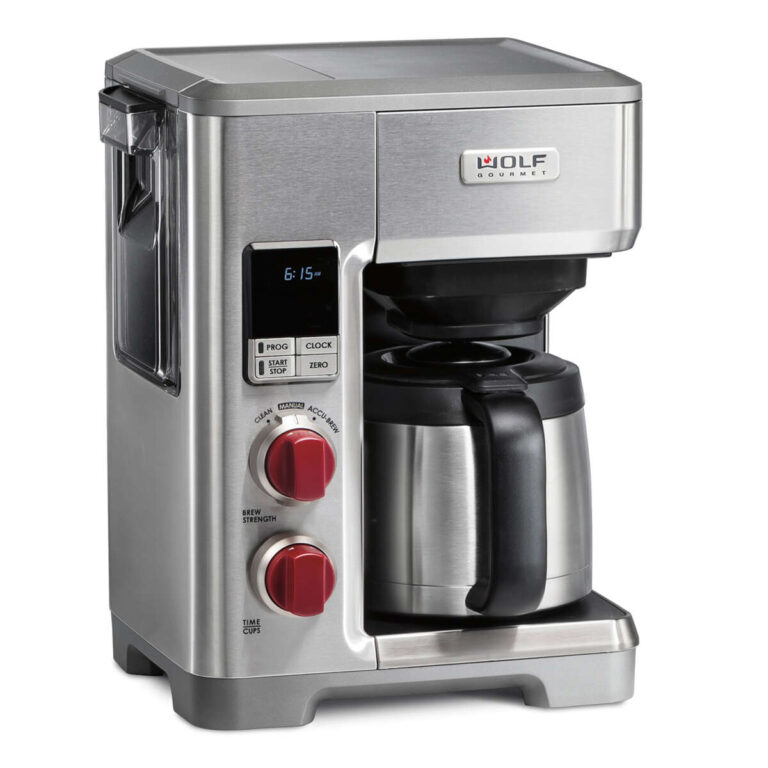
How To Fix Coffee Maker Slow Dripping Issue At Home: Fixes
Clean the filter, descale the machine, and clear the spray head to restore normal drip.
I’ve spent years fixing kitchen appliances and teaching people simple, safe repairs. If you want to learn how to fix coffee maker slow dripping issue at home, this guide walks you through causes, tools, step-by-step fixes, and prevention. Read on for clear, tested steps that work on most drip machines, single-serve brewers, and pod units.
:max_bytes(150000):strip_icc()/faw-technivorm-moccamaster-kbgv-select-10c-coffee-maker-nsimpson-50-1-46e4dc9cb33544a185fab8b24919e588.jpeg)
Common causes of a slow-dripping coffee maker
Many things can make a machine drip slowly. Mineral scale, clogged spray heads, old filters, and blocked tubing are common. A weak pump or electrical issue can also cut flow. Understanding the cause helps you pick the right fix when you want to know how to fix coffee maker slow dripping issue at home.
- Mineral scale from hard water builds up inside pipes and spray parts.
- Ground coffee or paper fragments can clog the filter basket.
- A blocked shower head or spray nozzle limits water flow.
- Air trapped in lines or a failing pump reduce pressure.
- Old machines may have worn seals and valves that slow dripping.
I’ve seen mineral scale cause near-complete blockages in less than a year. Regular cleaning prevents most of these problems.

Tools and supplies you’ll need
Gathering simple tools saves time and prevents mistakes. Most fixes use common household items.
- White vinegar or citric acid for descaling.
- A soft brush or old toothbrush for cleaning small parts.
- Needle or pin to clear spray holes.
- Clean cloths and a bowl for soaking parts.
- Distilled water for final rinses.
- Screwdrivers for basic disassembly (if needed).
Use dishwasher-safe parts only in the dishwasher. When learning how to fix coffee maker slow dripping issue at home, start with the least invasive tools first.

Step-by-step fixes: from easy to advanced
Follow these steps in order. Start with cleaning and descaling. Move on to checks and minor repairs. If the machine still drips slowly, consider professional help.
-
Quick reset and basic checks
- Turn off and unplug the machine.
- Empty the water reservoir and check for debris.
- Re-seat removable parts like the carafe, filter basket, and reservoir.
- Plug in and test; sometimes a bad connection or misaligned part cuts flow.
-
Clean the filter and basket
- Remove paper filter and grounds.
- Wash the basket with warm soapy water.
- Inspect for trapped paper or buildup where water flows.
- Replace the permanent filter if it looks clogged or worn.
-
Clear the spray head or shower screen
- Locate the shower screen or spray head above the filter basket.
- Use a soft brush and warm water to remove grounds and sludge.
- If holes are blocked, gently push a needle through each hole.
- Reassemble and run plain water to flush out loosened debris.
-
Descale the machine
- Fill the reservoir with equal parts white vinegar and water, or a citric acid solution.
- Run a full brew cycle without grounds.
- Let the solution sit for 15–30 minutes if scale is heavy.
- Run 2–3 cycles with plain distilled water to rinse.
-
Check hoses and tubing (advanced)
- Unplug the machine and remove outer panels only if you’re comfortable.
- Inspect internal hoses for kinks, pinches, or scale buildup.
- Remove flexible tubing and flush with warm water.
- Replace brittle hoses or cracked seals.
-
Test the pump and heating element
- Listen for the pump during a brew cycle. A weak or silent pump may need repair.
- If the pump runs but flow is poor, the pump could lack pressure due to scale.
- Heating element issues can affect pump performance; if water doesn’t reach correct temp, consult a pro.
When you follow these steps, you’ll cover most causes of slow drip. Repeat cleaning monthly if you use hard water.
Preventive maintenance to avoid slow dripping
Prevention is cheaper than repair. Simple habits keep flow steady and taste fresh.
- Use filtered or distilled water to cut scale buildup.
- Descale monthly with vinegar or a citric acid cleaner.
- Clean the filter basket and spray head weekly.
- Replace permanent filters yearly or as recommended.
- Run a hot water-only cycle after using flavored oils or grounds.
I learned this after fixing the same model for a household for two years. Regular care doubled its life and kept brew time steady.
When to call a pro or replace the machine
Many slow-drip problems are fixable at home. But some issues need a technician or a new unit.
- Call a pro if the pump is dead or electrical parts spark.
- Consider replacement when repair costs exceed 50% of a new machine’s price.
- For vintage or high-end machines, professional servicing preserves value and safety.
If you’ve followed cleaning and basic checks and still wonder how to fix coffee maker slow dripping issue at home, an expert can diagnose internal faults safely.

PAA-style questions (short answers)
Q: Why is my coffee maker drip so slowly after descaling?
A: If flow is still slow after descaling, trapped debris or a failing pump may be the cause.
Q: Can using vinegar damage my coffee maker?
A: Vinegar is safe in mild dilution for most machines, but rinse thoroughly to avoid taste. Use citric acid if your manufacturer advises it.
Q: How often should I descale to prevent slow dripping?
A: Descale every 1–3 months depending on water hardness and use.
Frequently Asked Questions of how to fix coffee maker slow dripping issue at home
Why is my coffee maker suddenly dripping slowly?
Slow dripping often follows scale buildup or a clogged spray head. Clean filters and descale to restore flow.
Can I fix a slow drip myself without tools?
Yes. Start with cleaning the basket and running a vinegar cycle. Most fixes need only household items.
How long does descaling take to fix a slow drip?
A descaling cycle plus rinses usually takes 30–60 minutes. Severe scale may need a second treatment.
Is it safe to poke the spray holes with a needle?
Yes, if you are gentle. Use a thin pin to clear mineral deposits, then flush thoroughly to remove debris.
When does a slow drip mean the pump is dead?
If you hear no pump noise or see no water movement during a cycle, the pump may be faulty. A technician can confirm.
Conclusion
You can solve most slow-dripping problems at home by cleaning filters, clearing the spray head, and descaling regularly. Start with simple fixes and move to checks of tubing and the pump only if needed. My experience shows regular maintenance avoids most repairs and keeps coffee tasting great. Try the steps above this week, and leave a comment with your model and symptoms if you want specific help.

Liora Pennings is a seasoned chef and kitchen enthusiast with a passion for turning everyday cooking into an effortless experience. With years of hands-on culinary expertise, she specializes in practical techniques, ingredient know-how, and smart kitchen solutions that help home cooks elevate their meals. At KitchFlair.com, Liora shares her best tips, time-saving tricks, and honest product reviews to guide readers toward a more efficient, enjoyable, and inspired cooking routine. Whether you’re a beginner or a seasoned home chef, Liora’s friendly, knowledge-packed insights make every visit to the kitchen a little easier—and a lot more delicious.