How To Replace Vacuum Cleaner Thermal Fuse Safely: DIY Tips
Replace the thermal fuse by unplugging, testing, matching ratings, and swapping with the correct part.
I'm an appliance tech with years of hands-on work fixing vacuums and motors. I will show you how to replace vacuum cleaner thermal fuse safely. I explain each step. I share tips that avoid common mistakes. Read on to learn clear, safe, and tested methods you can use today.

What is a thermal fuse and why it matters
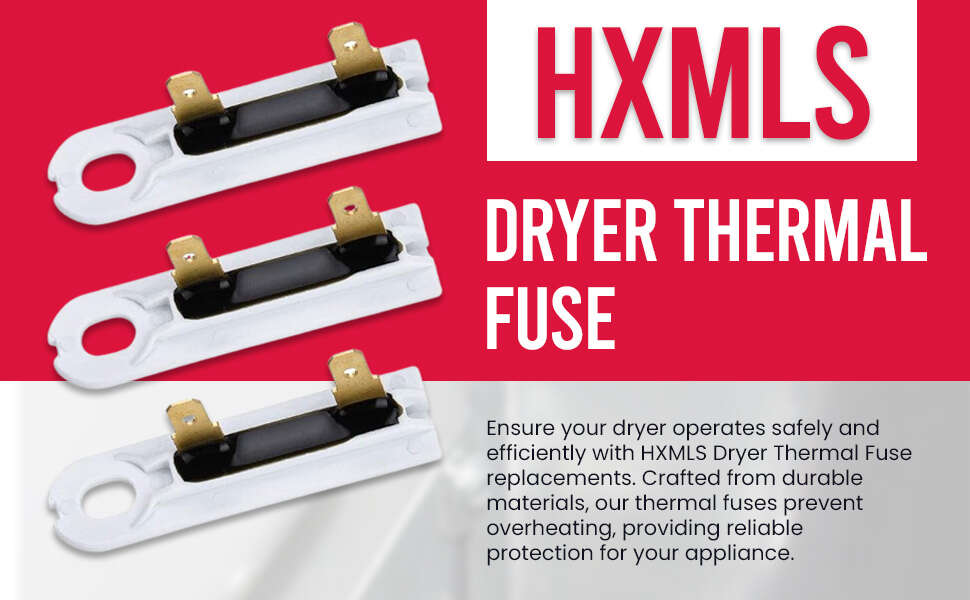
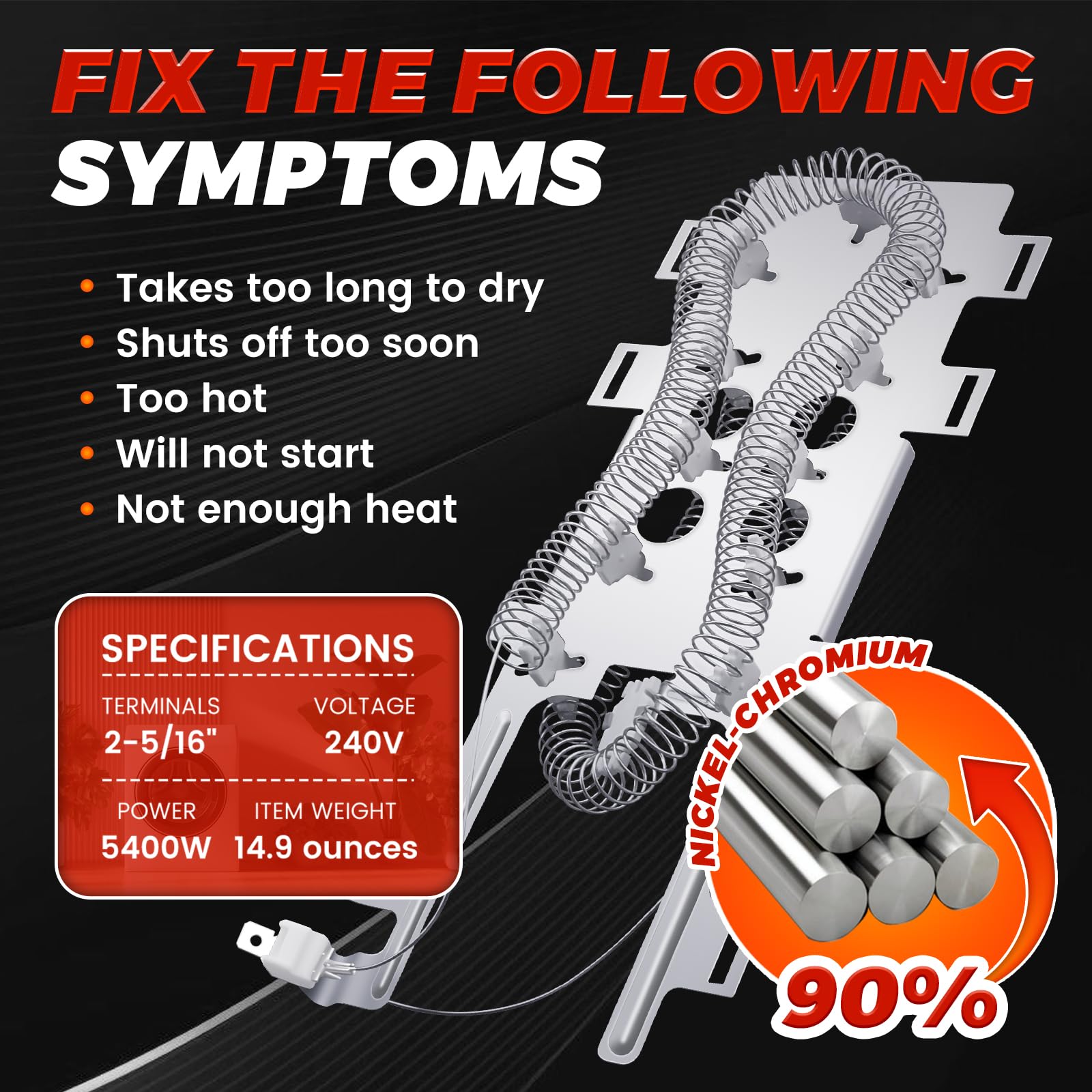
A thermal fuse is a small safety device. It cuts power when a motor gets too hot. It stops fires and motor damage. Many vacuum motors and heat components use this simple part as a last-resort protector.
Why it fails
- Dust clogs and blocked airflow can make the motor hot.
- A worn motor or bearing can run hot and blow the fuse.
- Old age, surges, or poor service can also cause the fuse to blow.
Signs a thermal fuse blew
- Vacuum runs briefly then stops.
- No motor sound at all but power light may be on.
- Motor does not spin though suction parts look fine.
Knowing what it does helps you plan how to replace vacuum cleaner thermal fuse safely. I will walk you through checks, tools, and the swap itself. This will help you avoid extra parts or damage.

Tools and parts you need
Have the right tools before you start. Use simple tools to stay safe and fast.
- Multimeter for continuity and voltage checks.
- Small screwdrivers and nut drivers that fit your vacuum.
- Soldering iron or proper crimp tool if wires are soldered or crimped.
- Heat shrink or electrical tape to secure connections.
- The correct replacement thermal fuse with matching temp and amp rating.
- Optional: service manual or wiring diagram for your model.
How to pick the right fuse
- Match the temperature rating exactly.
- Match or exceed amp and voltage specs.
- Choose OEM or reputable aftermarket parts.
Sourcing tips
- Use model and part numbers from the motor label.
- If unsure, take the old fuse to a parts store for an exact match.
Having correct tools and parts makes replacing a thermal fuse quicker and safer. This supports how to replace vacuum cleaner thermal fuse safely in real life.

Safety steps before you touch anything
Safety comes first. Follow these steps every time.
- Unplug the vacuum. Always remove power before opening the unit.
- Work in a dry, well-lit area on a firm surface.
- Wear safety glasses and gloves to avoid cuts and dust.
- Discharge any capacitors if the unit has them. Use the manual if unsure.
- Take photos as you disassemble. Labels help when you reassemble.
- If the motor is sealed or under warranty, check warranty terms first. Opening it may void coverage.
A simple safety check: after unplugging, use a multimeter to confirm no live voltage at plug wires. This step is key to replace vacuum cleaner thermal fuse safely.
Step-by-step: how to replace vacuum cleaner thermal fuse safely
Follow these steps in order. Keep parts organized and take photos as you go.
-
Prepare
- Unplug the vacuum.
- Remove bag, filters, and dust canister.
- Let the motor cool if it ran recently.
-
Access the motor and fuse
- Remove screws to open the motor housing.
- Look for the thermal fuse near the motor windings or on the blower housing.
- Note wire colors and connector types. Take a photo for reference.
-
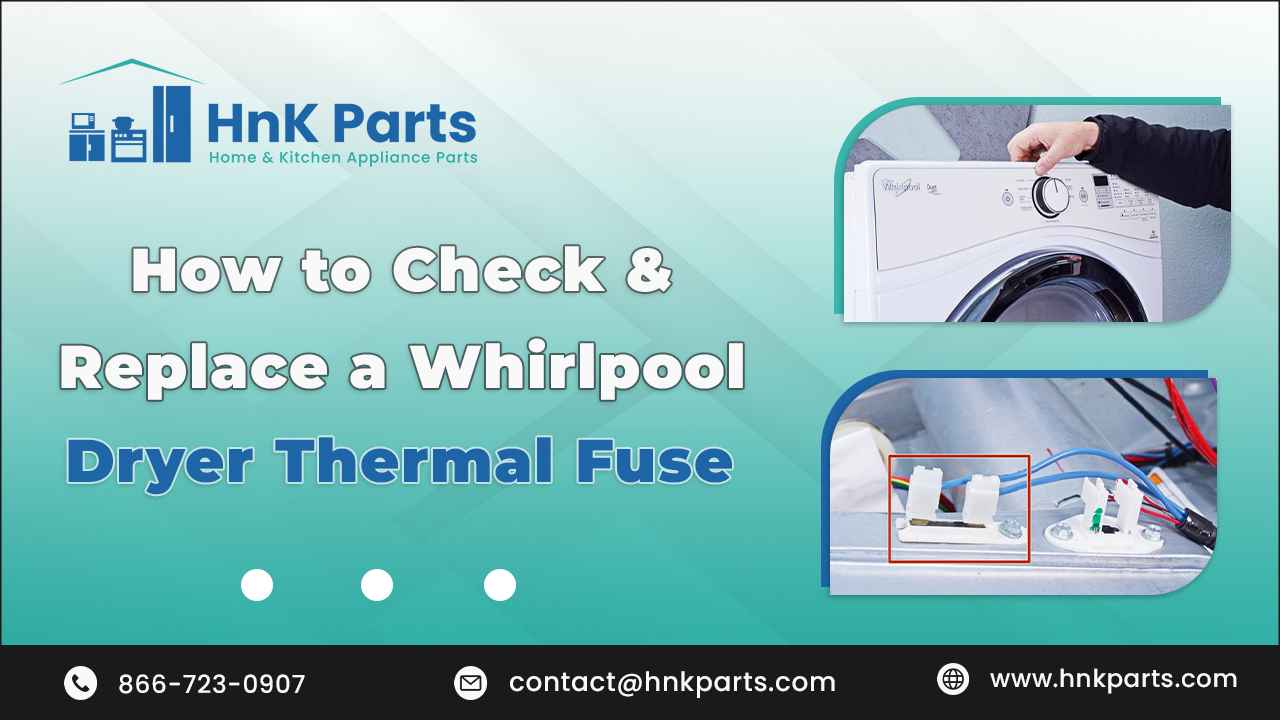
Test the fuse
- Set multimeter to continuity or low ohms.
- Disconnect the fuse from the circuit.
- Place probes on each end of the fuse. A good fuse shows continuity. A blown fuse reads open.
-
Remove the old fuse
- If the fuse is crimped, cut the crimp and remove the leads.
- If soldered, heat and remove solder carefully.
- Keep wire lengths the same for ease of fit.
-
Install the replacement
- Use the exact temp and amp match part.
- Join wires by soldering or using quality crimp connectors.
- Insulate with heat shrink or high-temp electrical tape.
- Mount the fuse in the same location and orientation as the original.
-
Reassemble and test
- Refit housing and fasten screws.
- Reinstall filters and dust bags.
- Plug in and run the vacuum briefly in a safe area.
- Monitor for smoke, odd smells, or reheating.
Key safety notes
- Never bypass a thermal fuse. It is a critical safety device.
- Do not use a fuse with a higher temperature rating than the original.
- If the replaced fuse blows again quickly, stop. Diagnose motor overheating, blocked airflow, or bearing failure.
This step list shows exactly how to replace vacuum cleaner thermal fuse safely. Use care and match parts to avoid risk.
Testing and troubleshooting after replacement
Test methodically. A proper test confirms the fix and finds deeper problems.
- Verify continuity on the new fuse before power up.
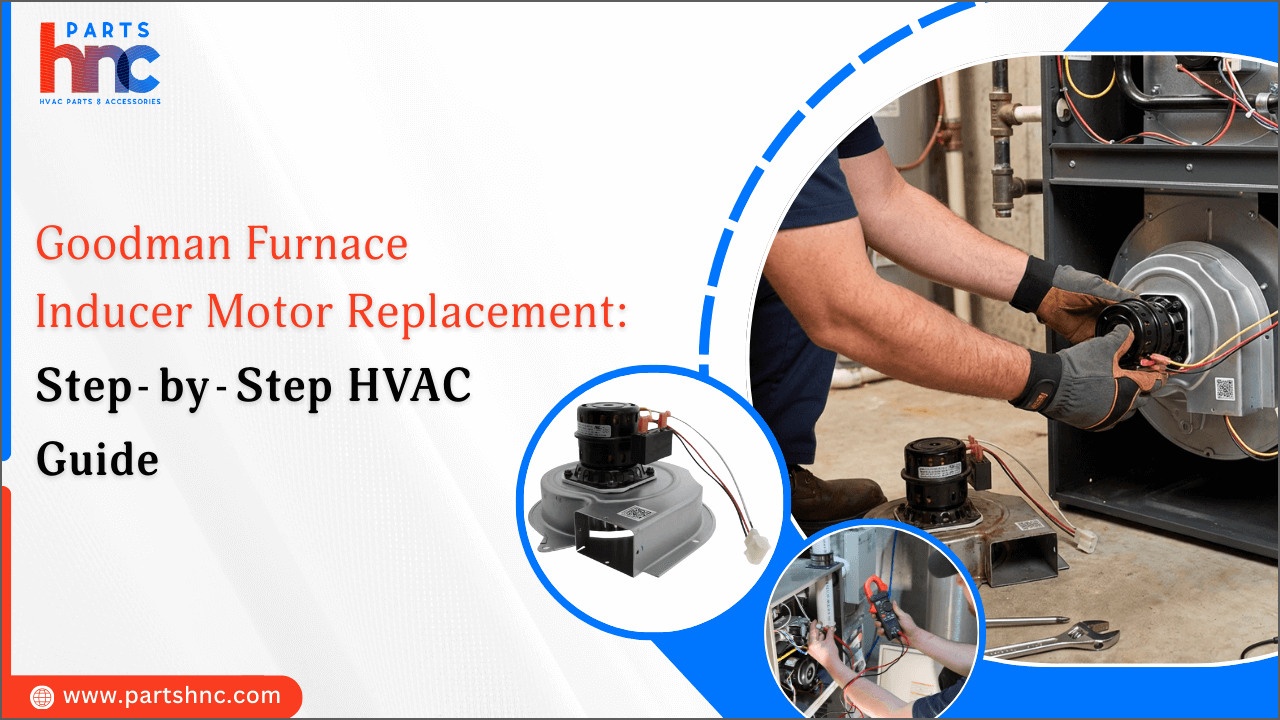
- Check motor current draw with a clamp meter if you can. High current hints at a bad motor or blockage.
- Test suction and listen for bearing noise. A loud motor or rubbing sound signals a mechanical issue.
- Run the vacuum for a longer period under normal load to ensure the fuse holds.
If the new fuse blows again
- Check for blocked hoses, full filters, or a clogged brush roll.
- Check motor bearings and brushes if the motor draws too much current.
- Consider professional motor service if you find internal damage.
A careful test routine helps confirm you did the job right and prevents repeat failures. This completes the practical part of how to replace vacuum cleaner thermal fuse safely.
Maintenance and prevention to keep the fuse from blowing
Simple care reduces heat and fuse failures. Do these tasks often.
- Clean or replace filters on the schedule the maker suggests.
- Empty bags or canisters before they get too full.
- Check hoses and nozzles for clogs regularly.
- Inspect the brush roll and belt for wear or hair wrap.
- Avoid vacuuming hot ash or heavy wet debris not meant for your model.
These steps extend motor life and reduce the risk that you'll need to replace vacuum cleaner thermal fuse safely again.

Personal experience and tips from real jobs
I once fixed a canister that stopped mid-clean. The motor did not spin. The fuse was open. I replaced the fuse and it blew again in minutes. I found a hair-clogged inlet and sticky bearings. After cleaning and a bearing swap the new fuse held. Lesson learned: check airflow and bearings before assuming the fuse is the only issue.
Practical tips I use
- Always try a continuity check first. It saves time.
- Keep spare fuses for common models. They are cheap and save trips.
- Label screws and parts with tape. Reassembly is faster.
- If unsure, take photos so you can put it back right.
These small habits make replacing a thermal fuse safe and repeatable. They also show why I teach how to replace vacuum cleaner thermal fuse safely from real shop work.
Frequently Asked Questions
How do I know if the thermal fuse is the problem?
If the motor makes no sound yet power reaches the unit, test the fuse for continuity with a multimeter. An open fuse confirms it is blown, but also check airflow and motor condition before replacing.
Can I bypass the thermal fuse to get the vacuum running?
No. Bypassing removes a safety device and risks fire and motor damage. Always replace the fuse with a correct part and fix root causes.
What happens if I use a higher temperature fuse?
Using a higher temp fuse is dangerous. It may not blow when needed, which can lead to overheating and fire. Always match the original rating.
Is replacing the thermal fuse hard for a beginner?
It can be simple if the fuse is accessible. Basic tools and the right part are all you need. If the motor is sealed or the wiring confuses you, seek a pro.
How often do thermal fuses fail on vacuums?
They do not fail on a set schedule. They blow when overheating or due to age and faults. Good maintenance reduces failures significantly.
Conclusion
You can replace a thermal fuse with care and the right parts. Start with safety, test the old fuse, match ratings, and reassemble carefully. If the new fuse blows again, stop and diagnose the motor or airflow issues. Take what you learned and apply it next time you service a vacuum. Try the steps, subscribe for more guides, or leave a comment with your model and issue to get tailored advice.

Liora Pennings is a seasoned chef and kitchen enthusiast with a passion for turning everyday cooking into an effortless experience. With years of hands-on culinary expertise, she specializes in practical techniques, ingredient know-how, and smart kitchen solutions that help home cooks elevate their meals. At KitchFlair.com, Liora shares her best tips, time-saving tricks, and honest product reviews to guide readers toward a more efficient, enjoyable, and inspired cooking routine. Whether you’re a beginner or a seasoned home chef, Liora’s friendly, knowledge-packed insights make every visit to the kitchen a little easier—and a lot more delicious.