How To Test Vacuum Cleaner Airflow Performance At Home: Fix
Check airflow with a tissue, anemometer, and simple suction tests at hose and tool.
I’ve spent years testing and repairing vacuums, and I’ll show you clear, step-by-step ways to test vacuum cleaner airflow performance at home so you can judge suction, spot problems, and decide whether to clean, repair, or replace. This guide covers what airflow means, easy tools and DIY checks, exact steps to measure airflow, how to interpret results, and real-world tips from my own tests to help you get accurate, useful data fast.

Why airflow matters and what it really measures
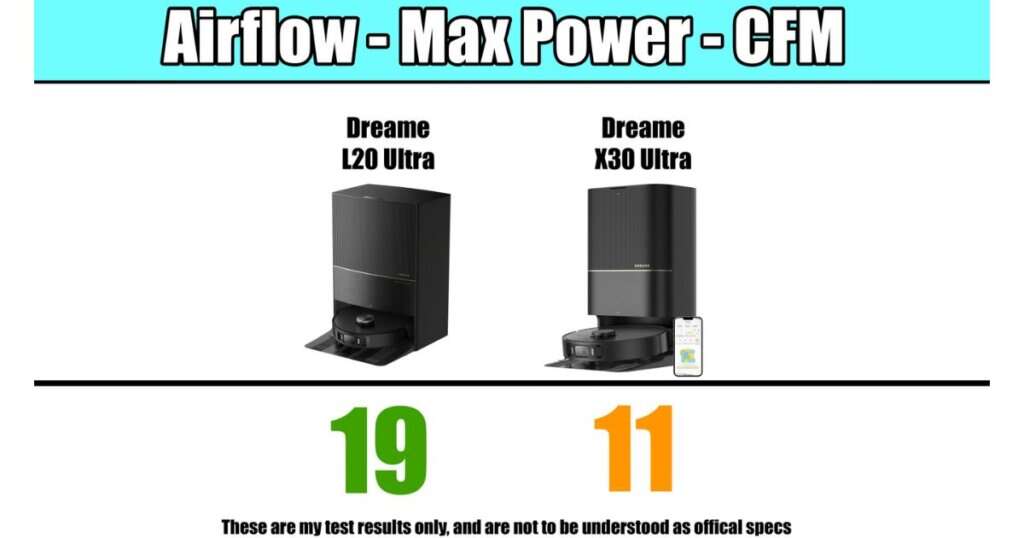
Airflow tells you how much air the vacuum moves. It is different from suction pressure, but both matter for cleaning performance. When you learn how to test vacuum cleaner airflow performance at home, you see whether the motor and path are moving air as they should.
Good airflow carries dust and debris into the bag or bin. Poor airflow often means clogs, dirty filters, or leaks rather than a dead motor. Knowing airflow helps you prioritize fixes and avoid unnecessary spending.

Tools and simple methods you can use at home
You do not need a lab to test airflow. Use these tools and DIY tricks to evaluate your machine.
• Handheld anemometer for air speed measurements at hose openings.
• Tissue, toilet paper, or light ribbon to see suction strength visually.
• Incense stick or smoke pen to see airflow direction and turbulence.
• Kitchen scale and measured dust sample for pickup tests.
• Stopwatch and ruler for repeatable timing in pick-up tests.
When you practice how to test vacuum cleaner airflow performance at home, pair a cheap anemometer with simple tissue checks. That gives both numbers and real-world feel.
Step-by-step: a basic home airflow test anyone can do
Follow these steps to get consistent, useful results. Repeat each test three times and take an average.
- Prepare the vacuum. Empty the bin or bag, clean or replace filters, attach the most common cleaning head, and check hoses and seals.
- Visual test. Hold a tissue or toilet paper strip near the hose and tool openings. Note how strongly it pulls, how far it lifts, and whether airflow is smooth or choppy.
- Smoke or incense test. Light an incense stick and move it slowly across the intake. Watch flow direction and look for leaks where smoke is drawn.
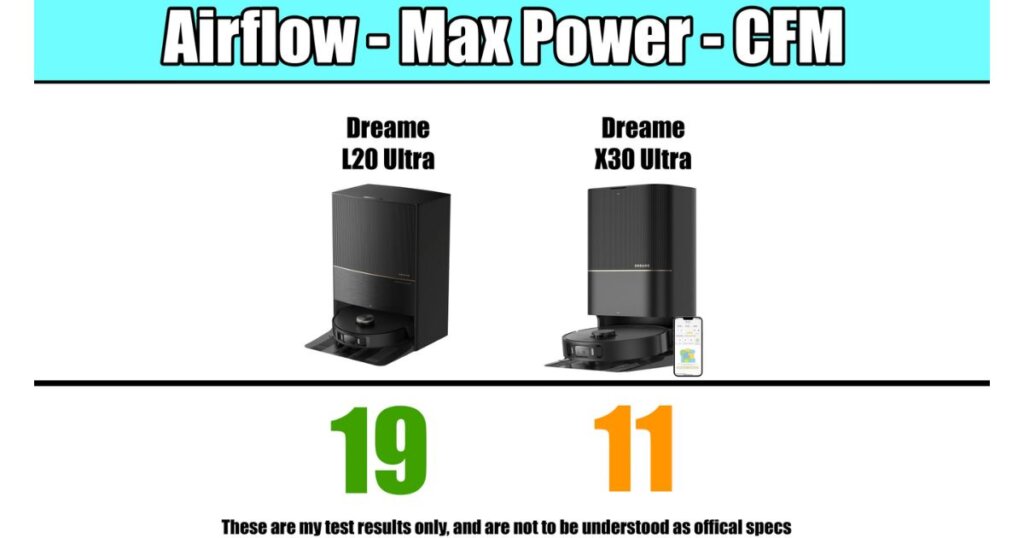
- Anemometer test. Place the meter at the hose or tool opening, centered. Record speed in feet per minute or meters per second. Measure airspeed at several points and average results.
- Pickup test. Spread a known small amount of coffee grounds or rice on a marked floor area. Run the vacuum at a steady pace and timing. Weigh or visually check how much remains. This shows real cleaning power.
Doing these steps gives both subjective feel and objective data when you test vacuum cleaner airflow performance at home. I do them in this order when diagnosing a vacuum—visual first, numbers second.
 meaningful numbers”
style=”max-width: 100%; height: auto; border: 2px solid black; border-radius: 10px; display: block; margin: 0 auto;”
loading=”lazy”
/>
How to use an anemometer and get meaningful numbers
An anemometer measures airspeed, not volume, but you can use it to compare performance. Here’s how to get usable data.
• Center the anemometer at the tool or hose opening for steady readings.
• Take 3–5 readings across the opening and average them to reduce error.
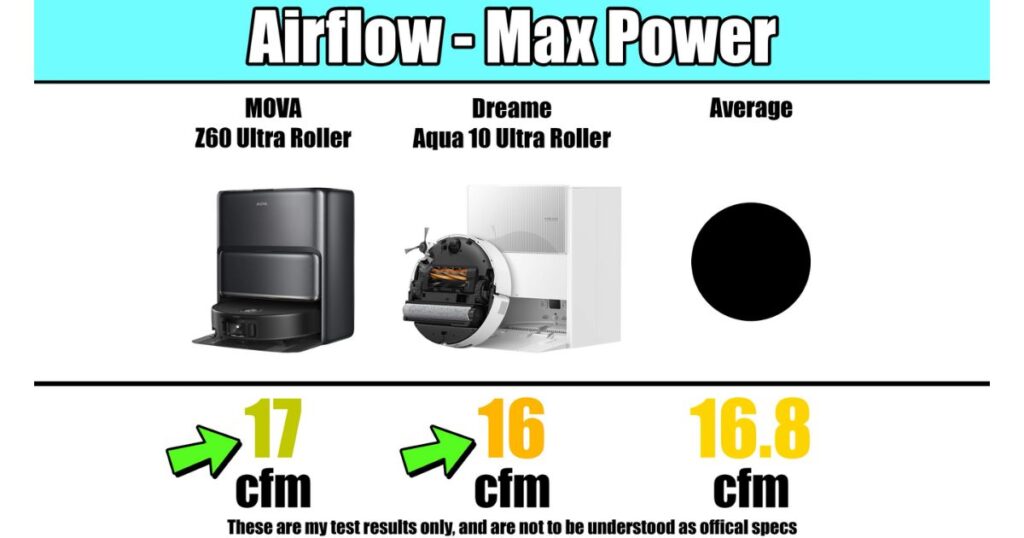
• Convert airspeed to rough flow estimates only if you know the opening area; most at-home tests compare changes over time instead of absolute CFM.
• Record readings before and after cleaning filters to see improvement.
When you focus on trends—before and after maintenance—you don’t need lab-grade gear to know if airflow improved. That’s the most practical way to test vacuum cleaner airflow performance at home.
Common causes of low airflow and how to diagnose them
Low airflow usually has clear, fixable causes. Check these in order of ease and likelihood.
• Clogged hose or tool. Remove and look through with a flashlight; run water if the hose is detachable and dry fully.
• Dirty or blocked filters. Wash or replace according to the manual; foam and HEPA filters behave differently.
• Full dust bin or bag. Emptying often restores most airflow quickly.
• Broken seals or loose fittings. Inspect seals at the hose cuff and dust bin for gaps.
• Worn belts or motor issues. Belts affect brushroll movement more than airflow, but motor wear can lower performance.
When you follow how to test vacuum cleaner airflow performance at home, fixing these items usually restores most of the lost airflow. In my experience, cleaning filters and clearing a hose restore 70–90% of performance in many cases.
Interpreting results: what is “good” airflow and when to repair
There’s no single number for all vacuums, but look for clear patterns.
• Big drop after a filter or bin change suggests maintenance cured the issue.
• Small or no improvement after cleaning points to motor or internal blockage problems.
• Strong visual suction but poor pickup on carpet can mean a worn brushroll or belt rather than airflow loss.
If airflow is low and cleaning filters, clearing clogs, and checking seals don’t help, the motor or internal fan may need repair. If repairs are costly and the vacuum is old, replacement is often more sensible. Use your test results to decide.
Maintenance tips that keep airflow high
Regular care prevents airflow loss and reduces the need for deep tests.
• Empty the bin or swap the bag when it’s about two-thirds full to keep steady airflow.
• Clean pre-motor and post-motor filters on schedule; replace HEPA filters per the manual.
• Check hoses and attachments monthly for hair and debris buildup.
• Replace worn brushrolls and belts to keep tools working efficiently.
• Store hoses uncrimped and free of heavy kinks to prevent weak spots.
A few minutes of routine care will make future attempts to test vacuum cleaner airflow performance at home far easier and more reliable. I learned this after chasing intermittent low airflow for weeks on one repair job—regular checks cut troubleshooting time dramatically.
Safety and accuracy tips for home testing
Protect yourself and your vacuum while testing.
• Unplug the vacuum before inspecting or removing parts.
• Avoid blocking motor vents during tests to prevent overheating.
• Use the same tool and settings for repeat tests to keep results comparable.
• Allow the motor to cool between long tests to avoid thermal throttling that skews data.
Accurate results come from consistent methods. Treat your tests like short experiments: change one thing at a time and record what happens when you test vacuum cleaner airflow performance at home.
Personal notes: lessons from testing and common mistakes
I’ve tested dozens of units in my work and learned a few quick lessons I share here.
• Don’t assume weak pickup equals a bad motor—filters and hoses are the usual culprits.
• Numbers are helpful, but the tissue test often tells you where to start.
• Always repeat tests after cleaning; a big improvement confirms the fix.
These tips saved me time and money when diagnosing vacuums for friends and clients. They’ll help you too when you learn how to test vacuum cleaner airflow performance at home.
Frequently Asked Questions of how to test vacuum cleaner airflow performance at home
How can I quickly tell if my vacuum has low airflow?
Hold a tissue or light ribbon near the hose and tool openings. Weak or uneven pulling compared to when it was new usually indicates low airflow.
Do I need an anemometer to test airflow at home?
No, you can do useful checks with a tissue, smoke, and pickup tests; an anemometer only gives numeric airspeed for comparison. For precise tracking, an anemometer helps but is not required.
How often should I test vacuum airflow?
Test after major cleaning, if pickup worsens, or every few months for heavy use. Regular checks help catch issues before they get worse.
Will cleaning the filter always fix low airflow?
Cleaning filters often restores significant airflow, but not always; blockages, leaks, or motor issues might remain and need further inspection. Start with filters as the easiest fix.
What pickup test materials are safe to use at home?
Use dry, non-fine materials like rice, small cereal, or coffee grounds in a small, controlled area. Avoid powders that can scatter into motors or fine dust that can bypass filters.
Conclusion
You can reliably evaluate how well your vacuum moves air with simple steps, a few inexpensive tools, and consistent methods. Test visually with a tissue, confirm with smoke or pickup tests, and measure with an anemometer if you want numbers; then clean filters, clear hoses, and check seals to fix most issues. Try these steps this weekend, track your results, and use them to decide whether a repair or replacement makes sense. If this guide helped, leave a comment with your test results or subscribe for more hands-on home appliance tips.

Liora Pennings is a seasoned chef and kitchen enthusiast with a passion for turning everyday cooking into an effortless experience. With years of hands-on culinary expertise, she specializes in practical techniques, ingredient know-how, and smart kitchen solutions that help home cooks elevate their meals. At KitchFlair.com, Liora shares her best tips, time-saving tricks, and honest product reviews to guide readers toward a more efficient, enjoyable, and inspired cooking routine. Whether you’re a beginner or a seasoned home chef, Liora’s friendly, knowledge-packed insights make every visit to the kitchen a little easier—and a lot more delicious.